- Início

- Impressão em tela
- hamada shōji
- Square Dish
 Encomendar pintura Comprar imagem em alta resolução
 Enviar
 Compartilhar
 Detalhes da obra
 Adicionar aos favoritos

 Baixar
 Semelhantes
 Raio X
 Slideshow
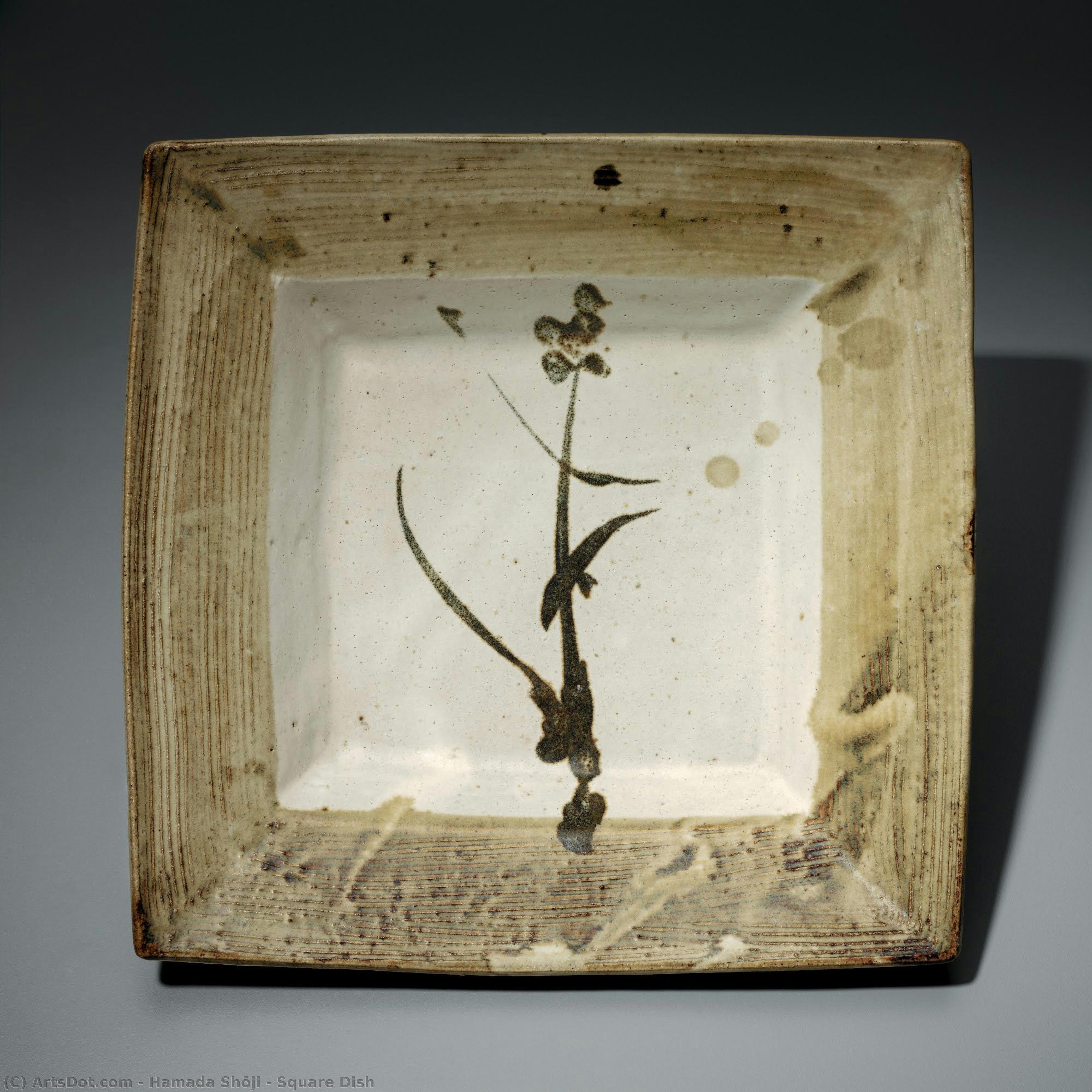
Square Dish


 Ver mais
Giclê / Impressão de Arte
Impressão giclée ou em tela de qualidade de museu, com produção rápida e opções flexíveis de acabamento.




P118B $10

P118H $10

P118W $10

P438Z $10

P508JH $12

P508YH $12

P805H $10

P805Z $10

P919BZ $10

P919G $10

P919XJ $10

P959ZH $10

P968JZ $12

W106C $8

W218G $10

W218JH $8

W218Y $10

W307PJ $10

W316G $10

W316PJ $8

W316Y $10

W398PJ $8

W4111J $10

W500HY $15

W500JH $15

W692G $12

W849H $8

W940BG $15

W953PJ $8




Escolha entre os nossos tamanhos pré-definidos que respeitam as proporções originais da obra de arte.

Você pode inserir suas próprias dimensões para se ajustar a uma moldura ou espaço específico. Se o tamanho selecionado não corresponder às proporções da imagem original, iremos recortar a obra de arte ou estender a imagem com uma borda espelhada ou preenchimento sólido. Um mockup digital será enviado para sua aprovação antes do início da produção.
Por favor, observe que a visualização na tela não reflete o recorte ou a extensão real. Apenas o mockup mostrará com precisão a composição final.
Embora tamanhos personalizados estejam disponíveis, recomendamos selecionar uma dimensão da lista predefinida para preservar as proporções originais.
Entrega mundial () em 2 semanas, em vez das 4/5 semanas padrão. (21 Julho)

Envio Expresso Gratuito para todo o Mundo

Tela de Linho Premium

Seguro de envio completo

Garantia de Reembolso de Impostos Alfandegários

Garantia de Fidelidade de Cores

Política de Devolução de 60 Dias (Apenas para Defeitos)

Garantia de 100% de Reembolso

Desconto para múltiplas unidades
 A opção de vidro está disponível apenas para tamanhos inferiores a 110 cm

Square Dish
Giclê / Impressão de Arte
Dimensões da Reprodução
-


Preço Total Final
-
Descrição da Obra
A Fractured Bloom: Hamada Shōji’s ‘Square Dish’ – A Testament to Impermanence
Hamada Shōji’s “Square Dish,” created in 1964, is more than just a ceramic object; it's a poignant meditation on beauty, decay, and the inherent acceptance of change. This unassuming piece, executed with a masterful blend of rustic technique and profound symbolism, embodies the core tenets of the Mingei movement – celebrating the artistry found within everyday objects crafted by anonymous artisans. The dish itself is deceptively simple: a square form, heavily potted in a buff grey clay, molded to a gentle curve and capped with a substantial, everted lip. Yet, it’s the details—the deliberate imperfections, the textured surface—that truly captivate the viewer.
The interior of the lips is adorned with a striking black ink floral design, reminiscent of stylized irises or similar blooms. These delicate blossoms are not rendered with smooth precision but rather with a deliberately uneven application, mirroring the cracks and fissures that run throughout the entire piece. These visible imperfections aren’t flaws; they're integral to the artwork’s narrative. They speak to the passage of time, the vulnerability of materials, and the acceptance of inevitable decay – a central theme in Hamada’s artistic philosophy.
The Soul of Mashiko: Technique and Tradition
Hamada Shōji’s connection to the village of Mashiko was profound. He spent decades there, deeply immersed in the traditions of *bunka-yaki* (cultural pottery), learning from generations of local artisans. “Square Dish” exemplifies this dedication to traditional techniques. The clay is heavily textured through a process of deliberate manipulation – likely involving the use of tools and rough surfaces – creating a tactile surface that invites touch. The glaze, applied with a thick, uneven hand, contributes significantly to the piece’s aged appearance. Notice how it pools in certain areas, creating glossy patches juxtaposed against the matte body, further emphasizing the contrast between smoothness and roughness.
Hamada's approach wasn’t about replicating established forms; rather, he sought to capture the *spirit* of the craft – a spirit rooted in functionality, honesty, and an intimate understanding of materials. The deliberate asymmetry and visible hand-building process are hallmarks of his style, rejecting the sterile perfection often associated with studio pottery.
A Symbol of Impermanence: Context and Meaning
Created during a period of significant social and cultural change in Japan, “Square Dish” resonates with a deeper meaning. The Mingei movement emerged as a reaction against Western-influenced modernism, advocating for the preservation and celebration of traditional folk art. Hamada Shōji saw beauty not just in form but also in function and the stories embedded within objects. The visible cracks and fissures within the dish are particularly evocative, symbolizing the transient nature of life itself – a concept deeply rooted in Buddhist philosophy.
Furthermore, the choice of a square form—a geometric shape often associated with stability—contrasts sharply with the organic, fractured design. This deliberate tension highlights the inherent paradox of existence: the desire for permanence versus the inevitability of change. The piece invites contemplation on themes of loss, renewal, and the acceptance of imperfection.
A Timeless Reflection: Aesthetic Impact and Legacy
“Square Dish” is a powerfully evocative work that transcends its simple form. Its muted color palette, tactile surface, and poignant symbolism create an emotional resonance that lingers long after viewing. It’s not merely a decorative object; it's a miniature meditation on the beauty of imperfection and the acceptance of time’s relentless passage.
Today, reproductions of Hamada Shōji’s “Square Dish” continue to be sought after by collectors and interior designers alike. Its understated elegance and profound message make it a timeless addition to any collection – a reminder that true beauty often resides in the most unexpected places, and that embracing imperfection is an essential part of appreciating life's fleeting moments.
Biografia do Artista
Hamada Shōji: A Pioneer of Mingei and the Soul of Mashiko
Born in Kawasaki, Japan, in 1894, Hamada Shōji’s life was a testament to his unwavering dedication to traditional Japanese crafts. Initially studying at Tokyo Institute of Technology under the guidance of Itaya Hazan, he quickly distinguished himself as a visionary artist deeply influenced by the burgeoning *mingei* (folk art) movement. This fascination with the beauty and functionality of everyday objects created by anonymous artisans would shape not only his artistic practice but also the very landscape of Japanese pottery.
Hamada’s early career was marked by a profound respect for the past, yet he possessed an innate desire to innovate. He spent formative years in Okinawa, immersing himself in the techniques and aesthetics of local ceramic traditions – particularly those employed in creating distinctive tableware. This experience, coupled with his time studying under Bernard Leach in England, provided him with a unique synthesis of Eastern and Western artistic sensibilities. Leach’s emphasis on simplicity, functionality, and direct engagement with materials resonated deeply with Hamada's own values, ultimately leading to the establishment of the Leach Pottery in St Ives alongside his mentor.
The Founding of Mashiko: A Center for Mingei
Returning to Japan in 1924, Hamada made a pivotal decision that would cement his legacy – he chose to establish his workshop and studio in Mashiko, a small, unassuming town nestled in Tochigi Prefecture. At the time, Mashiko was largely unknown as a pottery center, its landscape dotted with abandoned kiln sites. Recognizing the potential of this forgotten region, Hamada embarked on a mission to revive its ceramic heritage, transforming it into a world-renowned hub for *mingei* production.
He meticulously sourced his materials locally – clay from the surrounding hills, glazes derived from natural minerals, and even crafting his own brushes. This commitment to regional authenticity became a defining characteristic of his work and a cornerstone of the Mashiko pottery tradition. Hamada’s influence extended beyond simply producing beautiful ceramics; he actively encouraged local potters, fostering a sense of community and preserving traditional techniques for future generations. In 1955, this dedication was formally recognized when he was designated a “Living National Treasure,” a rare honor bestowed upon individuals who embody the spirit of Japanese craftsmanship.
A Style Defined by Simplicity and Function
Hamada Shōji’s artistic style is instantly recognizable for its profound simplicity and inherent functionality. He eschewed elaborate decoration, preferring instead to focus on the intrinsic beauty of the materials themselves – the texture of the clay, the subtle variations in glaze color, and the tactile quality of each piece. His forms are often understated yet elegant, reflecting a deep understanding of human needs and a respect for the utilitarian purpose of his creations.
His innovative techniques blended traditional Japanese methods with modern approaches. He experimented extensively with glazes, developing unique copper-green, iron, and white combinations that created stunning visual effects. Hamada’s work is characterized by a remarkable sense of balance – between restraint and expression, tradition and innovation. Notable examples include the stoneware jar, now housed in the Nelson-Atkins Museum of Art in Kansas City, and the square dish also found within their collection, both showcasing his exceptional skill and attention to detail.
Legacy and Influence
Hamada Shōji’s impact on Japanese ceramics extends far beyond his own prolific output. He was a key figure in popularizing the *mingei* movement, inspiring countless artists and shaping the course of contemporary studio pottery. His dedication to preserving traditional techniques and promoting regional crafts served as a model for future generations of artisans.
His influence can be seen in the work of other prominent potters, such as Bernard Leach, with whom he maintained a close working relationship, and Kawai Kanjiro, another key figure in the *mingei* movement. Hamada’s legacy continues to resonate today, reminding us of the enduring value of craftsmanship, simplicity, and connection to one's cultural heritage. His work remains a testament to his artistic vision and his profound contribution to the world of ceramics.

hamada shōji
1894 - 1978 , Japan
Informações Rápidas
- Artistic Movement Or Style: Mingei pottery, Studio pottery
- Artists Or Movements Influenced By This Artist: ['Bernard Leach']
- Artists Who Influenced This Artist: ['Kawai Kanjirō']
- Date Of Birth: December 9, 1894
- Date Of Death: January 5, 1978
- Full Name: Hamada Shōji
- Nationality: Japanese
- Notable Artworks:
- Stoneware jar
- Square dish
- Place Of Birth: Kawasaki, Japan
Artigos Relacionados

Metropolitan Museum of Art: 25 Obras-Primas Essenciais para Amantes da Arte
Descubra as 25 obras-primas do Metropolitan Museum of Art em Nova York! Explore a história de Van Gogh, Monet e outros artistas renomados. Encontre reproduções de arte exclusivas para decorar sua casa com elegância. OriginalUniqueArt.com – Sua fonte de inspiração artística.

James Abbott McNeill Whistler: As 25 Obras-Primas que Definem um Mestre da Arte
Descubra as 25 obras-primas de James Abbott McNeill Whistler, o mestre do Impressionismo e dos 'Nocturnes'. Explore a história por trás de cada pintura, cores e técnicas. Encontre reproduções de arte exclusivas para decorar sua casa com elegância em OriginalUniqueArt.com!

25 Obras-Primas do DIA: Arte, História e Decoração Inspiradora em Detroit
Descubra as 25 obras-primas do Detroit Institute of Arts! Explore a história de Van Gogh, Monet e outros artistas icônicos. Encontre reproduções de arte de alta qualidade para decorar sua casa com elegância. OriginalUniqueArt.com: A sua fonte de inspiração artística.

Katsushika Hokusai: As 25 Obras-Primas que Definem um Mestre da Arte Japonesa
Descubra as 25 obras-primas de Katsushika Hokusai, o mestre do ukiyo-e! Explore a história por trás de 'A Grande Onda' e outras gravuras japonesas icônicas. Encontre reproduções de arte exclusivas para decorar sua casa com elegância em OriginalUniqueArt.com.
Os 25 Tesouros da National Gallery of Art: Arte, História e Decoração Exclusiva
Descubra os 25 tesouros da National Gallery of Art, Washington! Explore a história de Cézanne, Matisse, Picasso e outros mestres. Encontre reproduções de arte exclusivas para decorar sua casa com elegância. Inspire-se e explore a coleção completa em OriginalUniqueArt.com.

