

 Visualizar em escala
 Enviar
 Compartilhar
 Ver detalhes
 Guia de Obras do Aluno

 Baixar imagem
 Semelhantes
 Raio X
 Apresentação de slides
 Estatísticas
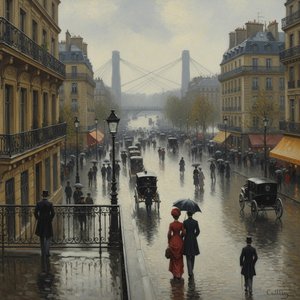
In a Cafe
 Acrylic On Canvas
- WallArt
- Victorian Realism
 1880
1880- 19th Century
 Musée des Beaux-Arts et de la Céramique
 Ver mais
Giclée / Impressão de Arte
Impressão giclée ou em tela de qualidade de museu, com produção rápida e opções flexíveis de acabamento. ( Encomendar reprodução pintada à mão Ver Imagem Digital)




P118B €10

P118H €10

P118W €10

P438Z €10

P508JH €12

P508YH €12

P805H €10

P805Z €10

P919BZ €10

P919G €10

P919XJ €10

P959ZH €10

P968JZ €12

W106C €8

W218G €10

W218JH €8

W218Y €10

W307PJ €10

W316G €10

W316PJ €8

W316Y €10

W398PJ €8

W4111J €10

W500HY €15

W500JH €15

W692G €12

W849H €8

W940BG €15

W953PJ €8




Escolha entre os nossos tamanhos pré-definidos que respeitam as proporções originais da obra de arte.

Digite a largura e a altura de que necessita, para se ajustar à sua moldura ou à sua parede. Uma impressão só pode ser cortada, nunca ampliada além da imagem original, pelo que um tamanho com uma proporção diferente perderá parte da imagem. Enviamos-lhe uma maquete digital para aprovação antes de imprimirmos qualquer coisa. A imagem apresentada nesta página não mostra o corte real — apenas a maquete o faz.
Entrega mundial () em 2 semanas, em vez das 4/5 semanas padrão. (24 Outubro)

Envio expresso gratuito para todo o mundo

Tela de Linho Premium

Seguro de transporte total

Garantia de Reembolso de Impostos Alfandegários

Garantia de Fidelidade de Cor

Política de Devolução em 100 Dias (Apenas para Defeitos)

Garantia de reembolso de 100%

Desconto para múltiplas unidades
 A opção de vidro está disponível apenas para tamanhos inferiores a 110 cm

In a Cafe
Giclée / Impressão de Arte
Dimensões da Reprodução
-


Preço Total
€ 70
A Snapshot of Parisian Life: Gustave Caillebotte’s “In a Cafe”
The painting "In a Cafe," executed by Gustave Caillebotte in 1880, isn't simply a depiction of a Parisian café scene; it’s a carefully constructed observation of the anxieties and aspirations simmering beneath the veneer of Victorian society. Captured in stark black and white photography—a technique that would soon become commonplace—the artwork offers an unexpectedly modern perspective on its time, reflecting Caillebotte’s fascination with capturing fleeting moments and experimenting with compositional innovations.- Subject Matter: The scene portrays a gentleman seated alone at a table in a café, surrounded by other patrons. He gazes directly at the viewer, establishing an intimate connection that transcends the distance of time.
- Style: Caillebotte’s style is characterized by its understated realism combined with subtle stylistic choices that elevate it beyond mere documentation. He eschewed grand narratives and theatrical gestures, favoring instead a quiet contemplation of everyday life—a deliberate rejection of academic conventions prevalent during his era.
Technique and Composition: Pioneering Photographic Influence
Caillebotte’s masterful use of technique speaks volumes about his artistic sensibilities. Like many photographers of the period, he meticulously considered perspective and framing—elements borrowed directly from photographic principles—to create a sense of depth and immediacy. The slightly off-center placement of the gentleman adds dynamism to the composition, drawing the eye across the canvas and subtly disrupting traditional symmetry. Furthermore, the inclusion of a cup on the table serves as a visual anchor, grounding the scene in the tangible realities of daily life.Historical Context: Victorian Uncertainty
“In a Cafe” emerges from a pivotal moment in Parisian history—the burgeoning Industrial Revolution and its impact on urban culture. The Victorian era was marked by anxieties about social change, moral decay, and the rapid pace of technological advancement. Caillebotte’s depiction captures this atmosphere of uncertainty, presenting a scene populated with individuals absorbed in their own thoughts and activities. The café itself symbolizes both comfort and isolation—a space for socializing yet simultaneously offering refuge from the pressures of the outside world.Symbolism and Emotional Resonance
Beyond its formal elements, “In a Cafe” resonates with deeper symbolic meanings. The gentleman’s gaze toward the viewer is particularly noteworthy; it invites contemplation and suggests that Caillebotte wished to engage his audience in a dialogue about perception and experience. The solitary figure embodies the individual's struggle for identity amidst societal forces—a theme that aligns with broader artistic explorations of human psychology during the Victorian period. Ultimately, the painting evokes a feeling of quiet melancholy—a poignant reminder of the beauty found within ordinary moments and the complexities inherent in navigating modern life.Perguntas e Respostas
Qual artista e qual estilo estão por trás de "In a Cafe"?
Por trás de "In a Cafe" estão Gustave Caillebotte e o movimento Victorian Realism.
Por que o status de direitos autorais de "In a Cafe" é como é?
O status de direitos autorais de "In a Cafe" - em domínio público - seus direitos autorais expiraram - decorre do falecimento do artista em 1894.
Onde e para qual finalidade é recomendado "In a Cafe"?
"In a Cafe" de Gustave Caillebotte é recomendado para Accent, idealmente em um(a) Living Room. O uso e o espaço juntos orientam onde uma reprodução se encaixa.
Biografia do Artista
A Parisian of the New Age: The Life and Art of Gustave Caillebotte
Gustave Caillebotte, born into a prosperous Parisian family in 1848, was an artist uniquely positioned to capture the dramatic transformations reshaping his city. His father, Martial Caillebotte, inherited a successful textile business and served as a judge, providing Gustave with both financial security and a vantage point from which to observe the burgeoning modern world. While initially pursuing legal studies – earning degrees in law in 1868 and 1870 – Caillebotte’s true calling lay within the realm of art. He began serious training under Léon Bonnat, immersing himself in painting while simultaneously developing a keen interest in photography, an emerging medium that would profoundly influence his artistic vision. This early exposure to photographic principles—its framing, perspective, and capturing of fleeting moments—would become hallmarks of his distinctive style. Caillebotte wasn’t merely documenting change; he was actively engaging with the aesthetic possibilities it presented.Realism Infused with Impressionist Light
Caillebotte's artistic path diverged from strict academic tradition, yet he never fully embraced the purely optical explorations of many of his Impressionist contemporaries. He found kinship with artists like Edgar Degas and Giuseppe de Nittis, sharing a fascination with modern life but approaching it through a lens of meticulous realism. His early masterpiece, Les Raboteurs de Parquet (The Floor Scrapers), exhibited at the 1875 Salon, immediately established his reputation as a bold and unconventional painter. The work depicts three laborers painstakingly scraping a wooden floor, rendered with an unflinching honesty that shocked some viewers while captivating others. It wasn’t simply the subject matter—the working class rarely graced the canvases of high art—but also the composition: cropped, almost jarringly direct, and devoid of sentimental idealization. This commitment to portraying contemporary life without embellishment continued in works like View of Rooftops (Snow), where he masterfully captured the industrial landscape of a rapidly changing Paris. However, Caillebotte wasn’t immune to the influence of Impressionism; his palette gradually lightened, and he began experimenting with broken brushstrokes and atmospheric effects, particularly evident in his stunning views of Parisian rooftops blanketed in snow, such as View of Rooftops (Snow). The interplay of light and shadow, combined with a loose, expressive application of paint, hinted at the burgeoning Impressionist movement while retaining Caillebotte’s distinctive realism.A Patron and a Pioneer: Navigating the Art World
Beyond his own artistic endeavors, Caillebotte played a crucial role in supporting the Impressionist movement. His financial independence allowed him to become a significant patron, purchasing works by Monet, Renoir, Pissarro, Cézanne, Degas, and others at a time when their art was largely rejected by the official Salon. He wasn’t merely a collector; he actively championed these artists, organizing and financing several of the Impressionist exhibitions that defied conventional artistic norms. This dedication to fostering innovation extended to his own collection, which he bequeathed to the French state upon his death in 1894—a bequest initially met with resistance but ultimately forming the cornerstone of the Musée d’Orsay's renowned Impressionist holdings. Caillebotte’s unique perspective also manifested in his compositions; works like Boulevard vu d’en haut (Boulevard Seen from Above), painted in 1880, demonstrate a strikingly modern sensibility, employing an elevated viewpoint and dynamic cropping that anticipate the photographic perspectives of the 20th century. This innovative approach to composition, possibly influenced by Japanese prints and his own photographic experiments, set him apart as a true pioneer.Notable Works
- Les Raboteurs de Parquet (The Floor Scrapers) (1875): A groundbreaking work showcasing Caillebotte’s realism and unconventional composition.
- View of Rooftops (Snow) (1878): Demonstrates his use of high vantage points and atmospheric effects, influenced by photography and Japanese prints.
- Boulevard vu d’en haut (Boulevard Seen from Above) (1880): A strikingly modern composition with a dynamic perspective.
- Paris Street; Rainy Day (1877): Perhaps his most famous work, capturing the bustling energy of Parisian life in a unique and evocative manner.
- The Bezique Game(1881) : A captivating Impressionist painting of Parisian leisure.
Legacy and Rediscovery: A Modern Master Reclaimed
For decades following his death, Caillebotte’s work remained relatively obscure, overshadowed by the more celebrated figures of Impressionism. It wasn't until the late 20th century that a comprehensive reassessment of his art began to take place, fueled by scholarly research and major exhibitions. This rediscovery revealed an artist of remarkable technical skill, intellectual depth, and visionary insight. Caillebotte’s paintings are not simply depictions of modern life; they are profound meditations on the complexities of urban existence, the changing social landscape, and the evolving relationship between art and reality. His ability to seamlessly blend realism with Impressionist techniques, his innovative compositions, and his unwavering commitment to portraying the world around him have secured his place as a pivotal figure in 19th-century art. Today, Caillebotte’s works are celebrated for their unique perspective, their masterful execution, and their enduring relevance—a testament to an artist who dared to capture the spirit of a new age.
Gustave Caillebotte
1848 - 1894 , França
Informações Rápidas
- Artistic Movement Or Style: Realismo e Impressionismo
- Artists Or Movements Influenced By This Artist: ['Impressionistas']
- Artists Who Influenced This Artist:
- Bonnat
- Degas
- Date Of Birth: 19 de agosto de 1848
- Date Of Death: 21 de fevereiro de 1894
- Full Name: Gustave Caillebotte
- Nationality: Francês
- Notable Artworks:
- Les Raboteurs
- Rooftops (Neve)
- Boulevard
- Paris Street
- Place Of Birth: Paris, França
Artigos Relacionados
Gustave Caillebotte: Bridging Realism & Modernity in Parisian Life
Explore the life & art of Gustave Caillebotte, a pivotal figure bridging Realism & Impressionism. Discover his iconic Parisian scenes and lasting legacy with OriginalUniqueArt.

Os 10 Quadros Mais Famosos Dominados pelo Branco: Arte e Decoração
Descubra os 10 quadros mais famosos dominados pelo branco, de Monet a Kandinsky! Explore a história da arte, técnicas e o poder da paleta neutra. Encontre reproduções de alta qualidade para sua decoração em OriginalUniqueArt.com.

As 10 Pinturas Mais Famosas Dominadas pelo Preto: Arte, História e Decoração
Descubra as 10 pinturas mais icônicas dominadas pelo preto! Explore a história, técnica e emoção por trás de obras-primas do Romantismo, Realismo e Expressionismo. Encontre reproduções de arte exclusivas na OriginalUniqueArt.com.

Monochrome Visions: Exploring the Aesthetic & Historical Significance of Black & White Photography
Explore the rich history & artistic power of black and white photography. From early techniques to iconic masters like Ansel Adams, discover why monochrome continues to captivate art lovers today. Expert insights for collectors.

Gustav Klimt: As 25 Obras-Primas que Definem um Ícone da Arte e Decoração
Descubra as 25 obras-primas de Gustav Klimt, ícone da Secession Vienense e do Art Nouveau. Explore a beleza dourada, o simbolismo e a paixão em cada pintura. Encontre reproduções de arte exclusivas para decorar sua casa com elegância na OriginalUniqueArt.com!


