 Visualizar em escala
 Enviar
 Compartilhar
 Ver detalhes

 Baixar
 Semelhantes
 Raio X
 Apresentação de slides
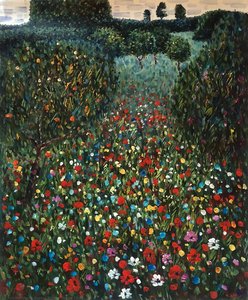
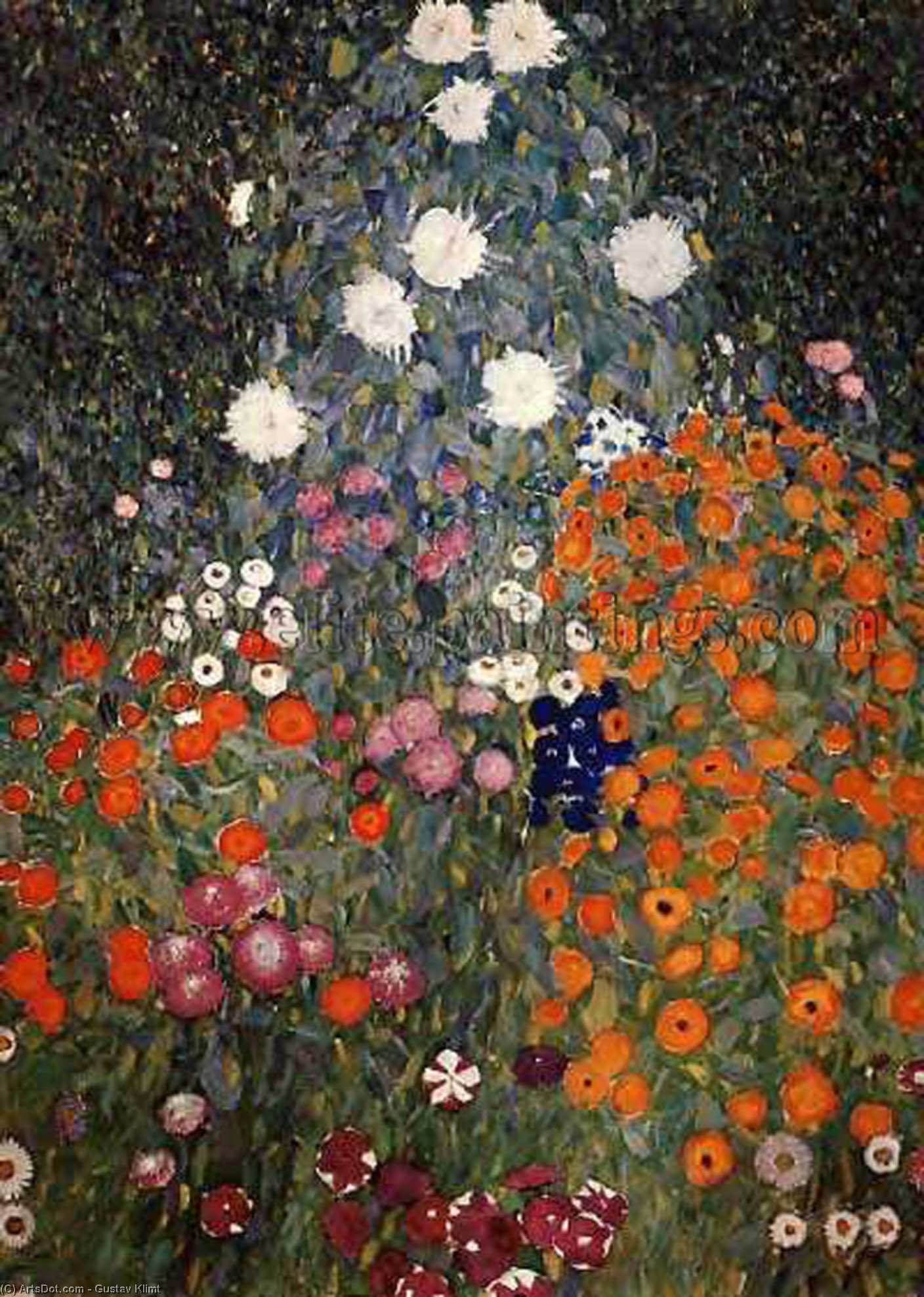
Flor do Jardim


 Ver mais
Reprodução em Óleo Feita à Mão
Óleo sobre tela pintado à mão no seu tamanho e moldura, feito sob encomenda pelos nossos artistas. ( Ver impressão do pedido Baixar imagem em alta resolução)




P118B $10

P118H $10

P118W $10

P438Z $10

P508JH $12

P508YH $12

P805H $10

P805Z $10

P919BZ $10

P919G $10

P919XJ $10

P959ZH $10

P968JZ $12

W106C $8

W218G $10

W218JH $8

W218Y $10

W307PJ $10

W316G $10

W316PJ $8

W316Y $10

W398PJ $8

W4111J $10

W500HY $15

W500JH $15

W692G $12

W849H $8

W940BG $15

W953PJ $8




Escolha entre os nossos tamanhos pré-definidos que respeitam as proporções originais da obra de arte.

Pode inserir as suas próprias dimensões para se adequar a uma moldura ou espaço específico. Se o tamanho selecionado não corresponder às proporções da imagem original, iremos cortar a obra de arte ou estender a pintura com elementos adicionais pintados à mão. Um esboço digital será enviado para sua aprovação antes do início da produção.
Tenha em atenção que a pré-visualização no ecrã não reflete o corte ou extensão real. Apenas o esboço mostrará com precisão a composição final.
Embora tamanhos personalizados estejam disponíveis, recomendamos selecionar uma dimensão da lista predefinida para preservar as proporções originais.
Após o pedido, a equipa OriginalUniqueArt.com enviará um e-mail ao cliente para solicitar instruções e fornecer uma prévia do esboço.
Entrega mundial () em 3 a 4 semanas, em vez das 5 semanas padrão. (9 Agosto). Sem comprometer a qualidade.

Envio Expresso Gratuito para todo o Mundo

Tela de Linho Premium

Seguro de transporte total

Garantia de Reembolso de Impostos Alfandegários

Garantia de Fidelidade de Cor

Política de Devolução de 60 Dias (Apenas para Defeitos)

Garantia de reembolso de 100%

Desconto para múltiplas unidades
 A opção de vidro está disponível apenas para tamanhos inferiores a 110 cm

Flor do Jardim
Técnica de Reprodução
Dimensões da Reprodução
-


Preço Total
$ 300
Descrição da Obra
Gustav Klimt: Life, Art, and Legacy
Gustav Klimt (14 July 1862 – 6 February 1918) was an Austrian symbolist painter and a founding member of the Vienna Secession movement. His work helped define the Art Nouveau style in Europe. Klimt is known for his paintings, murals, sketches, and other objets d'art. Klimt’s primary subject was the female body, and his works are marked by a frank eroticism. Amongst his figurative works, which include allegories and portraits, he painted landscapes. He is best known for The Kiss and Portrait of Adele Bloch-Bauer I. Among the artists of the Vienna Secession, Klimt was the most influenced by Japanese art and its methods. Early in his career, he was a successful painter of architectural decorations in a conventional manner. As he began to develop a more personal style, his work was the subject of controversy that culminated when the paintings he completed around 1900 for the ceiling of the Great Hall of the University of Vienna were criticised as pornographic. None of the paintings went on display in the university. He subsequently accepted no more public commissions, but achieved a new success with the paintings of his “golden phase”—a period characterized by an unprecedented use of gold leaf—many of which include gold leaf. Klimt's work was an important influence on his younger peer Egon Schiele. Klimt received a basic education at an ordinary Bürgerschule, where his drawing ability was recognised as remarkable. At the age of fourteen, he enrolled at the Vienna Kunstgewerbeschule (School of Applied Arts) in 1876, studying architectural painting under Ferdinand Laufberger. This provided strong technical training but also exposed him to traditional academic styles. Klimt’s artistic journey began with meticulous observation and a fascination for detail—qualities that would serve as cornerstones of his distinctive visual language. He quickly mastered the techniques demanded by academic art, yet simultaneously nurtured an inner vision that defied convention. The Vienna Secession, founded in 1897, represented a radical departure from established artistic norms. Klimt was among its most fervent champions—a movement dedicated to forging new paths for Austrian art and rejecting the constraints of conservatism. This group challenged the prevailing aesthetic sensibilities of the time, advocating for an expressive style that prioritized emotion and symbolism over mere representation. Klimt’s involvement in Secession solidified his commitment to artistic innovation and fueled his exploration of unconventional themes and techniques.Flower Garden: A Symphony of Gold and Sensuality
“Flower Garden,” created between 1905 and 1906, exemplifies Klimt's signature “golden phase.” This oil painting transcends mere botanical depiction; it’s an immersive experience—a visual poem rendered in shimmering gold leaf against a backdrop of lush floral patterns. The composition is dominated by stylized representations of flowers—cosmos, poppies, lilies—arranged with meticulous precision and imbued with palpable energy. Klimt's masterful use of gold leaf isn't merely decorative; it symbolizes fertility, divinity, and the transformative power of nature—elements central to Art Nouveau’s fascination with organic forms and sensual beauty. The figures interwoven within the floral tapestry are rendered in muted tones, contrasting sharply with the radiant gold, creating a dynamic interplay between light and shadow that enhances the painting's emotional impact.Art Nouveau Influence: Embracing Japanese Aesthetics
Klimt’s artistic vision was profoundly shaped by his encounter with Japanese art—particularly woodblock prints (ukiyo-e)—during his travels in Japan in 1903. The flowing lines, flattened perspective, and decorative patterning of ukiyo-e captivated Klimt's imagination and instilled in him a desire to emulate their expressive qualities. This influence is evident in “Flower Garden,” where Klimt adopts techniques reminiscent of Japanese printmaking—such as simplified forms and bold outlines—to convey a sense of movement and rhythm. The artist’s meticulous attention to detail, combined with his embrace of unconventional stylistic choices, underscores the enduring legacy of Japanese art on European artistic sensibilities.Symbolism Beyond Representation
Unlike Impressionists who sought to capture fleeting moments of sensory experience, Klimt prioritized conveying deeper psychological and spiritual truths—a hallmark of Symbolist painting. “Flower Garden” operates on multiple levels—visually arresting yet laden with symbolic significance. The gold leaf itself represents not only material wealth but also enlightenment and transcendence. The floral motifs symbolize rebirth, beauty, and the cyclical nature of life—themes frequently explored by Symbolists. Klimt’s aim wasn't to depict reality as it appears; rather, he sought to evoke emotion and provoke contemplation—challenging viewers to consider the hidden meanings beneath the surface of visual imagery.Exploring More Klimt Paintings
Notable works by Gustav Klimt include:- Church in Unterach on the Attersee, an Art Nouveau oil painting from 1901, available on OriginalUniqueArt.
- Baby, an Art Nouveau oil painting from 1910.
- 26.La satisfacción, modelo para el Friso Stoclet, a Symbolism oil painting from 1905-1909.
Early Life and Artistic Beginnings
Gustav Klimt, born July 14, 1862, in Baumgarten near Vienna, emerged from a family touched by both artistic inclination and financial hardship. His father, Ernst Klimt, was a gold engraver, a profession that would subtly yet profoundly influence the young Gustav’s aesthetic sensibilities—the allure of gold leaf, the meticulous detail, the sheer opulence. The family's struggles meant frequent moves within Vienna, a transient upbringing that perhaps fostered in Klimt a keen observation of his surroundings and a sensitivity to human experience. Even as a child, his drawing ability was remarkable, nurtured by his father’s profession and an innate talent that quickly became apparent. In 1876, he entered the Vienna Kunstgewerbeschule (School of Applied Arts) in 1876, studying architectural painting under Ferdinand Laufberger. This provided strong technical training but also exposed him to traditional academic styles. Klimt’s artistic journey began with meticulous observation and a fascination for detail—qualities that would serve as cornerstones of his distinctive visual language. He quickly mastered the techniques demanded by academic art, yet simultaneously nurtured an inner vision that defied convention.Biografia do Artista
Os Primeiros Anos e o Despertar Artístico
Gustav Klimt, nascido em 14 de julho de 1862, em Baumgarten, nos arredores de Viena, emergiu de uma família marcada tanto pela inclinação artística quanto pelas dificuldades financeiras. Seu pai, Ernst Klimt, era um ourives talentoso, profissão que sutilmente, mas profundamente, influenciaria a sensibilidade estética do jovem Gustav – o fascínio pelo ouro, os detalhes meticulosos, a opulência pura. As lutas da família significavam mudanças frequentes dentro de Viena, uma infância transitória que talvez tenha fomentado em Klimt uma observação aguçada do ambiente ao seu redor e uma sensibilidade à experiência humana. Desde cedo, suas habilidades de desenho eram notáveis, nutridas pela profissão de seu pai e por um talento inato que rapidamente se tornou evidente. Em 1876, ingressou na Kunstgewerbeschule de Viena (Escola de Artes Aplicadas), embarcando em treinamento formal em pintura arquitetônica sob a orientação de Ferdinand Laufberger. Isso lhe proporcionou uma base técnica sólida, mas também o expôs aos estilos acadêmicos predominantes – estilos que Klimt acabaria desafiando e transcendendo. Foi ali, também, que formou uma importante parceria artística com seu irmão Ernst e Franz von Matsch, uma colaboração que garantiu os primeiros contratos para murais decorativos e tetos, lançando as bases para o seu futuro sucesso.A Ascensão da Secessão de Viena
Na década de 1890, Klimt tornou-se cada vez mais desiludido com o conservador establishment artístico de Viena. Ele ansiava por maior liberdade criativa, um espaço onde a inovação pudesse prosperar sem as restrições da tradição. Esse desejo culminou na formação da Secessão de Viena em 1897, um momento crucial na história da arte austríaca. Klimt foi eleito seu primeiro presidente, tornando-se a figura central de um movimento que buscava romper com as rígidas normas acadêmicas e abraçar novas correntes artísticas que varriam a Europa – Art Nouveau, Simbolismo e Japonismo. O próprio edifício de exposição da Secessão, projetado por Joseph Maria Olbrich, tornou-se um símbolo dessa rebelião, um templo dedicado à arte moderna. A obra de Klimt era central para o ethos da Secessão, incorporando sua rejeição da estética convencional e seu apreço por elementos decorativos, cores ousadas e imagens simbólicas. Suas pinturas começaram a explorar temas de amor, morte e sexualidade com uma franqueza sem precedentes, desafiando as normas sociais e provocando admiração e indignação.A Fase Dourada e a Maturidade Artística
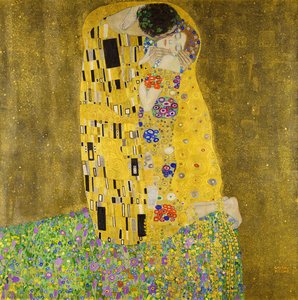
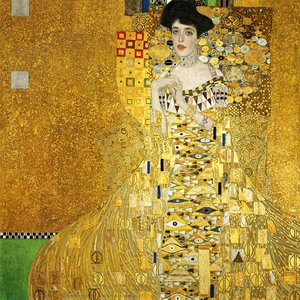
Por volta de 1900, Klimt entrou no que é agora conhecido como sua “fase dourada”, um período caracterizado pelo uso exuberante de folhas de ouro inspirado em mosaicos bizantinos e manuscritos medievais iluminados. Essa técnica transformou suas pinturas em visões etéreas e cintilantes, imbuídas de uma sensação de profundidade espiritual e fascínio sensual. O Beijo (1907-1908), talvez sua obra mais icônica, exemplifica esse estilo – um casal entrelaçado em um abraço apaixonado, envolto em uma aura dourada, seus corpos adornados com padrões intrincados. Este período também viu Klimt produzir uma série de retratos impressionantes, incluindo *Retrato de Adele Bloch-Bauer I* (1907), que demonstrou sua capacidade de capturar não apenas a semelhança física, mas também a complexidade psicológica de seus sujeitos. Ele borrava cada vez mais as fronteiras entre pintura e ornamentação, integrando elementos decorativos em suas composições para criar uma fusão harmoniosa de forma e conteúdo. A influência da arte japonesa – o Japonismo – era particularmente evidente em sua perspectiva achatada, ênfase na linha e uso de padrões decorativos.Controvérsia, Influências e Legado Duradouro
A carreira de Klimt não foi isenta de controvérsias. Em 1900, recebeu um prestigioso encargo para pintar murais no Grande Salão da Universidade de Viena, representando Filosofia, Jurisprudência e Teologia. No entanto, essas obras – particularmente *Filosofia* – foram consideradas provocativas e até mesmo pornográficas por críticos conservadores, levando a protestos públicos e, finalmente, levando Klimt a recusar outros encargos públicos. Este incidente marcou um ponto de virada em sua carreira, impulsionando-o para o patrocínio privado e permitindo-lhe maior liberdade artística. Ao longo de sua vida, Klimt foi influenciado por uma variedade diversificada de artistas e estilos – das pinturas históricas de Hans Makart às artes decorativas de Bizâncio e Japão. Ele também se inspirou no movimento simbolista, explorando temas de mitologia, alegoria e o subconsciente. Gustav Klimt continuou pintando prolificamente até sua morte em 6 de fevereiro de 1918, vítima de um derrame durante a pandemia da gripe espanhola. Suas obras posteriores exploraram formas mais abstratas e paisagens, demonstrando uma evolução artística contínua. Ele é agora reconhecido como uma das figuras mais importantes na história da arte austríaca, um expoente líder da Secessão de Viena e um símbolo duradouro da elegância Art Nouveau. Suas pinturas alcançam altos preços em leilões, e sua influência continua a ressoar na arte e no design contemporâneos.Características Chave & Estilo Artístico
- Simbolismo: A obra de Klimt é profundamente simbólica, frequentemente explorando temas de amor, morte, sexualidade e a condição humana.
- Art Nouveau: Ele foi uma figura líder no movimento Art Nouveau, caracterizado por suas linhas orgânicas, padrões decorativos e ênfase na beleza.
- Fase Dourada: Seu uso de folhas de ouro criou superfícies cintilantes e opulentas que se tornaram seu estilo característico.
- Elementos Decorativos: Klimt integrou elementos decorativos em suas composições, borrando as fronteiras entre pintura e ornamentação.
- Forma Feminina: O corpo feminino era um tema central em sua obra, frequentemente retratado com sensualidade e profundidade psicológica.

Gustav Klimt
1862 - 1918 , Áustria
Informações Rápidas
- Artistas Que O Influenciaram:
- Hans Makart
- Arte Japonesa
- Artistas/Movimentos Influenciados:
- Egon Schiele
- Expressionismo
- Data Da Morte: 6 de fevereiro de 1918
- Data De Nascimento: 14 de julho de 1862
- Local De Nascimento: Viena, Áustria
- Movimento Artístico: Art Nouveau, Simbolismo
- Nacionalidade: Austríaco
- Nome Completo: Gustav Klimt
- Obras Notáveis:
- O Beijo
- Adele Bloch-Bauer I
Artigos Relacionados

Gustav Klimt: As 25 Obras-Primas que Definem um Ícone da Arte e Decoração
Descubra as 25 obras-primas de Gustav Klimt, ícone da Secession Vienense e do Art Nouveau. Explore a beleza dourada, o simbolismo e a paixão em cada pintura. Encontre reproduções de arte exclusivas para decorar sua casa com elegância na OriginalUniqueArt.com!
Art Nouveau: 10 Obras-Primas que Definiram um Movimento Atemporal | OriginalUniqueArt
Descubra as 10 obras-primas que moldaram a Art Nouveau! Explore a beleza floral de Mucha, o simbolismo de Klimt e a inovação de Gaudí. Encontre reproduções de arte exclusivas e inspire sua decoração em OriginalUniqueArt.com.

The Vienna Secession: A Golden Revolution of Modernism and the Legacy of Gustav Klimt
Explore the profound impact of the Vienna Secession movement. Discover how visionaries like Gustav Klimt revolutionized modern art through symbolism, gold leaf, and the concept of Gesamtkunstwerk in this expert-led historical guide.

The Vienna Secession: A Rebellion of Form & Spirit in Fin-de-Siècle Art
Discover the revolutionary Vienna Secession art movement! Explore Klimt, Olbrich & more. Learn about its history, characteristics & lasting influence on modern art. High-quality reproductions available.
Gustav Klimt: A Golden Legacy of Sensuality & Symbolism in Viennese Art
Explore the captivating world of Gustav Klimt with OriginalUniqueArt. Discover his iconic paintings, the Vienna Secession movement, & enduring legacy. High-quality reproductions available.