Visualizar na parede
 Compartilhar
 Compartilhar
 Detalhes
 Guia
Guia

 Baixar imagem
 Semelhantes
 Raio X
 Ver diaporama
 Perguntas e Respostas
 Estatísticas
The Appraisal


 Ler mais
Giclée / Impressão de Arte
Impressão giclée ou em tela de qualidade de museu, com produção rápida e opções flexíveis de acabamento. ( Comprar pintura feita à mão Alternar para Imagem Digital)




P118B €10

P118H €10

P118W €10

P438Z €10

P508JH €12

P508YH €12

P805H €10

P805Z €10

P919BZ €10

P919G €10

P919XJ €10

P959ZH €10

P968JZ €12

W106C €8

W218G €10

W218JH €8

W218Y €10

W307PJ €10

W316G €10

W316PJ €8

W316Y €10

W398PJ €8

W4111J €10

W500HY €15

W500JH €15

W692G €12

W849H €8

W940BG €15

W953PJ €8




Escolha entre os nossos tamanhos pré-definidos que respeitam as proporções originais da obra de arte.

Insira a largura e a altura desejadas para se ajustarem à sua moldura ou parede. Uma impressão pode ser apenas cortada, nunca ampliada além da imagem original; portanto, um tamanho com proporções diferentes resultará na perda de parte da imagem. Enviamos uma maquete digital para sua aprovação antes de realizarmos a impressão. A imagem exibida nesta página não mostra o corte real — apenas a maquete o faz.
Entrega mundial () em 2 semanas, em vez das 4/5 semanas padrão. (5 Novembro)

Envio expresso gratuito para todo o mundo

Tela de Linho de Alta Qualidade

Seguro de transporte completo

Garantia de Reembolso de Impostos Alfandegários

Garantia de Fidelidade Cromática

Política de Devolução em 100 Dias (Apenas para Defeitos)

Garantia de reembolso de 100%

Oferta de desconto por quantidade
 A opção de vidro está disponível apenas para tamanhos inferiores a 110 cm

The Appraisal
Giclée / Impressão de Arte
Tamanho da Reprodução
-


Preço Total
€ 72
A Quiet Encounter in the American Heartland
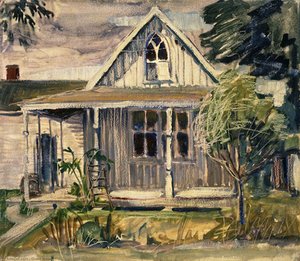
In the quiet, sun-drenched landscapes of the American Midwest, Grant Wood captured moments that felt both profoundly ordinary and deeply significant. The Appraisal, painted in 1931, stands as a masterful window into this era, inviting viewers to step into a scene of rural intimacy and subtle tension. The painting presents us with two women positioned before a farmhouse, their interaction centered around the delicate act of evaluation. One woman holds a chicken, her focus intent, while the other observes with a gaze that suggests a deeper, perhaps more critical, assessment is underway. This is not merely a depiction of farm life; it is a carefully composed narrative that breathes life into the stillness of the rural landscape.
The composition is anchored by the presence of the house in the background, which stretches across the canvas to provide a sense of stability and permanence. Scattered throughout the scene, birds flutter near the periphery, adding a layer of natural vitality to the domestic setting. Through his meticulous attention to detail, Wood creates a world that feels tactile and real, where the weight of the chicken and the texture of the women's clothing can almost be felt by the observer. For collectors and decorators alike, this piece offers a sense of grounded tranquility, making it an ideal centerpiece for spaces that value heritage, warmth, and a connection to the earth.
The Mastery of Regionalism and Flemish Influence
As a leading figure of the Regionalism movement, Grant Wood sought to elevate the American experience by finding beauty in the mundane. Unlike many of his contemporaries who looked toward the abstract, Wood turned his eyes toward the heartland, focusing on the lives of ordinary people, their struggles, and their quiet triumphs. In The Appraisal, we see this mission realized through a style that blends a rugged American authenticity with the refined precision of European masters. Wood was deeply inspired by the 15th-century Flemish painter Jan van Eyck, and this influence is unmistakable in his use of light and clarity.
The technique employed here is characterized by an almost hyper-realistic precision, where every shadow and highlight serves to define form and depth. The color palette is dominated by earthy tones—muted greens, warm browns, and soft ochres—which harmonize with the subject matter to evoke a sense of timelessness. This careful application of color and light does more than just replicate reality; it imbues the scene with a psychological weight. There is an underlying tension beneath the surface of this peaceful encounter, a subtle social commentary on the socioeconomic shifts occurring in rural America during the early 20th century. It is this complexity, hidden within a seemingly simple scene, that makes Wood's work so enduringly fascinating.
An Invitation to Timeless Elegance
For the discerning interior designer or art enthusiast, a high-quality reproduction of The Appraisal offers more than just visual appeal; it provides a conversation piece steeped in history. The painting’s geometric balance and rhythmic composition allow it to integrate seamlessly into various decor styles, from rustic farmhouse aesthetics to sophisticated, classical interiors. It brings with it an atmosphere of nostalgia and intellectual depth, encouraging guests to linger and contemplate the stories held within its frames.
Owning a piece that echoes the spirit of Grant Wood is an opportunity to celebrate the resilience and beauty of the human spirit. Whether placed in a sunlit study or a grand living area, this artwork serves as a reminder of the profound narratives found in life's smallest transactions. It remains a testament to a period when art sought to find the extraordinary within the ordinary, making it a timeless addition to any curated collection.
Perguntas e Respostas
"The Appraisal", de Grant Wood utiliza contrastes fortes ou harmonias suaves?
Em "The Appraisal", um Statement contraste une-se a uma Strong Color Unity harmonia.
Com qual sentimento "The Appraisal" está associada?
"The Appraisal", de Grant Wood transmite um tom emocional Tense.
Em que ano foi criado "The Appraisal"?
"The Appraisal" data de 1931. A data situa a obra na carreira de Grant Wood e em sua época.
Biografia do Artista
Grant Wood: Um Ícone da América Rural e do Regionalismo
Grant Wood, um nome sinônimo de "American Gothic" e da representação da alma rural americana, foi muito mais do que apenas um pintor. Nascido em 1891, em Anamosa, Iowa, sua jornada artística é uma história fascinante de autodescoberta, influências europeias e a celebração apaixonada de suas raízes no coração dos Estados Unidos. A morte prematura de seu pai, quando Wood era ainda criança, marcou profundamente sua vida, levando a família para Cedar Rapids, onde ele iniciou seus estudos artísticos, primeiro como aprendiz em uma oficina de metal e depois na prestigiosa Handicraft Guild em Minneapolis.
Sua formação inicial foi crucial. A influência do movimento Arts and Crafts moldou sua visão sobre a importância da habilidade manual e da integração entre arte e vida cotidiana. Posteriormente, seus estudos no Instituto de Arte de Chicago e suas viagens à Europa, especialmente a Alemanha, foram fundamentais para o desenvolvimento de seu estilo único. Em Munique, ele se maravilhou com a precisão e o detalhismo dos mestres flamengos do século XV, como Jan van Eyck, absorvendo a clareza técnica e a atenção meticulosa aos detalhes que viriam a caracterizar suas obras. Essa influência é evidente na nitidez das formas e na riqueza de cores presentes em pinturas como "American Gothic", onde cada elemento – desde as roupas dos personagens até os objetos do cenário – contribui para a narrativa visual.
A Ascensão do Regionalismo e o Legado de "American Gothic"
O retorno de Wood aos Estados Unidos coincidiu com um período de grande transformação social e econômica, marcado pela Grande Depressão. Nesse contexto, surgiu o movimento regionalista, que buscava valorizar a cultura e os valores das comunidades rurais americanas em contraposição à influência da arte europeia moderna. Wood tornou-se uma figura central desse movimento, utilizando sua arte para retratar a vida cotidiana no Meio-Oeste americano com um olhar tanto realista quanto satírico. Sua obra mais famosa, "American Gothic" (1930), é o exemplo máximo dessa abordagem. A pintura, que retrata um fazendeiro e sua filha em frente à casa de estilo gótico, rapidamente se tornou um ícone da cultura americana, embora inicialmente tenha sido recebida com controvérsia por alguns habitantes de Iowa, que a consideraram uma caricatura de seus valores.
Apesar das críticas iniciais, "American Gothic" transcendeu suas origens para se tornar um símbolo universal do trabalho árduo, da perseverança e dos valores tradicionais americanos. A composição precisa, a paleta de cores sóbria e os rostos expressivos dos personagens conferem à pintura uma aura de solenidade e dignidade que cativa o espectador. Wood não apenas pintou uma cena rural; ele capturou um momento na história americana, um retrato da identidade nacional em transformação.
Além de "American Gothic": Uma Exploração da Alma Americana
Embora seja lembrado principalmente por "American Gothic", a obra de Grant Wood é muito mais vasta e complexa. Ele explorou uma variedade de temas, desde paisagens rurais idílicas até retratos de pessoas comuns, sempre com um olhar atento aos detalhes e uma sensibilidade aguçada para as nuances da vida americana. Suas pinturas frequentemente incorporam elementos do folclore local, da história regional e da cultura popular, criando um universo visual rico em simbolismo e significado. Wood também se dedicou à criação de gravuras e desenhos, demonstrando sua versatilidade como artista.
Além disso, Wood foi um defensor incansável da arte americana e trabalhou ativamente para promover o regionalismo entre jovens artistas. Ele fundou a Stone City Art Colony, um refúgio para artistas durante a Grande Depressão, e lecionou na Universidade de Iowa, onde inspirou gerações de estudantes a explorar suas próprias raízes culturais e a celebrar a beleza da vida americana. Sua morte prematura em 1942, aos 51 anos, privou o mundo de um talento excepcional, mas seu legado artístico continua vivo, inspirando artistas e admiradores em todo o mundo.
Um Legado Duradouro
Grant Wood deixou uma marca indelével na história da arte americana. Sua capacidade de combinar a precisão técnica dos mestres flamengos com a sensibilidade cultural do Meio-Oeste americano resultou em obras que são ao mesmo tempo belas e significativas. Sua obra continua a ser celebrada por sua representação autêntica da vida rural americana, seu humor sutil e sua profunda compreensão da alma humana. O impacto de Wood se estende além do mundo da arte, influenciando a cultura popular e moldando a percepção que temos da identidade americana. Sua pintura "American Gothic" permanece como um dos símbolos mais reconhecíveis e amados da cultura americana, um testemunho duradouro do talento e da visão de um artista extraordinário.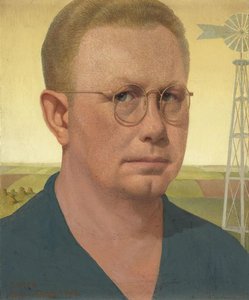
Grant Wood
1891 - 1942 , Estados Unidos da América
Dados Rápidos
- Artistas Que Influenciaram: ['Jan van Eyck']
- Artistas/Movimentos Influenciados: ['Regionalismo']
- Data De Falecimento: 12 de fevereiro de 1942
- Data De Nascimento: 13 de fevereiro de 1891
- Local De Nascimento: Anamosa, EUA
- Movimento Artístico: Regionalismo Americano
- Nacionalidade: Americano
- Nome Completo: Grant DeVolson Wood
- Obras Notáveis:
- Gótico Americano
- Retrato de Nan
- A Avaliação
- Primavera na Cidade
Artigos Relacionados
As 10 Pinturas Mais Famosas em Tons de Areia: Uma Elegância Atemporal para sua Casa
Descubra as 10 pinturas mais icônicas em tons de areia, de Monet a Van Gogh! Explore a história, técnica e beleza atemporal destas obras-primas. Encontre reproduções de alta qualidade para decorar sua casa com arte clássica em OriginalUniqueArt.com.

Grant Wood & American Regionalism: Identity, Myth & the Rural Landscape
Explore the world of Grant Wood & American Regionalism with OriginalUniqueArt. Discover the symbolism behind 'American Gothic', recurring themes, and the movement's lasting impact on art history. High-quality reproductions available.

American Regionalism: The Soul of the Heartland and the Mastery of Grant Wood
Explore the profound history of American Regionalism. Discover how Grant Wood captured the heart of the Midwest through masterpieces like American Gothic. An expert guide to the movement, its cultural impact, and the enduring beauty of American Realism.
As 10 Pinturas Mais Famosas em Tons de Cogumelo: Arte e Decoração
Descubra as 10 pinturas mais famosas em tons de cogumelo, explorando a história e o significado por trás de obras-primas de Van Gogh, Monet e outros artistas renomados. Encontre reproduções de arte exclusivas para decorar sua casa com elegância. Explore a coleção completa na OriginalUniqueArt.com!

As 10 Pinturas Mais Famosas em Tons de Argila: Arte e Decoração
Descubra as 10 pinturas mais famosas em tons de argila, explorando a história e beleza de obras-primas clássicas. Renascimento, Barroco e Impressionismo ganham vida! Encontre reproduções de arte exclusivas e inspire sua decoração em OriginalUniqueArt.com.