Visualizar na parede
 Compartilhar
 Compartilhar
 Detalhes
 Guia
Guia

 Baixar imagem
 Semelhantes
 Raio X
 Ver diaporama
 Estatísticas
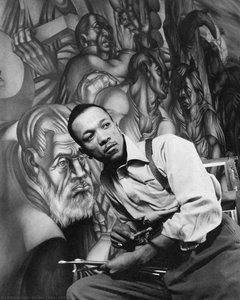
Emerging Man


 Ler mais
A obra de arte exibida nesta página é protegida por leis de direitos autorais, o que significa que não podemos criar ou vender legalmente uma reprodução idêntica. Esta proteção é aplicada por meio de acordos internacionais, tais como a Convenção de Berna e pelas leis nacionais, incluindo as estabelecidas por Lei de Direitos Autorais dos EUA - Título 17.
Este método cumpre plenamente as regulamentações de direitos autorais, pois não envolve a cópia ou duplicação da obra protegida. Em vez disso, trata-se de uma reinterpretação criativa — uma nova pintura que é influenciada pela original, mas não idêntica a ela.
Giclée / Impressão de Arte
Impressão giclée ou em tela de qualidade de museu, com produção rápida e opções flexíveis de acabamento. ( Comprar pintura feita à mão Alternar para Imagem Digital)




P118B €10

P118H €10

P118W €10

P438Z €10

P508JH €12

P508YH €12

P805H €10

P805Z €10

P919BZ €10

P919G €10

P919XJ €10

P959ZH €10

P968JZ €12

W106C €8

W218G €10

W218JH €8

W218Y €10

W307PJ €10

W316G €10

W316PJ €8

W316Y €10

W398PJ €8

W4111J €10

W500HY €15

W500JH €15

W692G €12

W849H €8

W940BG €15

W953PJ €8




Escolha entre os nossos tamanhos pré-definidos que respeitam as proporções originais da obra de arte.

Insira a largura e a altura desejadas para se ajustarem à sua moldura ou parede. Uma impressão pode ser apenas cortada, nunca ampliada além da imagem original; portanto, um tamanho com proporções diferentes resultará na perda de parte da imagem. Enviamos uma maquete digital para sua aprovação antes de realizarmos a impressão. A imagem exibida nesta página não mostra o corte real — apenas a maquete o faz.
Entrega mundial () em 2 semanas, em vez das 4/5 semanas padrão. (27 Outubro)

Envio expresso gratuito para todo o mundo

Tela de Linho de Alta Qualidade

Seguro de transporte completo

Garantia de Reembolso de Impostos Alfandegários

Garantia de Fidelidade Cromática

Política de Devolução em 100 Dias (Apenas para Defeitos)

Garantia de reembolso de 100%

Oferta de desconto por quantidade
 A opção de vidro está disponível apenas para tamanhos inferiores a 110 cm

Emerging Man
Giclée / Impressão de Arte
Tamanho da Reprodução
-


Preço Total
€ 70
A Moment of Revelation: Gordon Parks’ “Emerging Man”
Gordon Parks' "Emerging Man," captured in 1952, isn’t merely a photograph; it’s a carefully constructed tableau of quiet tension and profound introspection. Born in Fort Scott, Kansas, to a family grappling with the realities of segregation, Parks dedicated his career to documenting the complexities of American life through a lens that simultaneously celebrated beauty and exposed hardship. This particular image, part of his seminal work for Life magazine, transcends its simple subject matter – a man partially obscured behind a barrier – to become a potent symbol of transition, resilience, and the search for identity within a restrictive society.
The photograph’s power resides in its masterful use of composition. Parks centers the viewer's attention squarely on the man’s face, a study in controlled vulnerability. His gaze is direct, almost challenging, yet subtly hesitant as he peers over the edge of what appears to be a wall or perhaps even a doorway – an ambiguous threshold representing both confinement and potential liberation. The shallow depth of field expertly isolates the subject, blurring the background into a soft, indistinct wash of gray, effectively drawing us into his immediate experience. This deliberate defocus amplifies the sense of mystery surrounding his environment, inviting speculation about what lies beyond that barrier and what he’s contemplating.
The Language of Light and Shadow
Parks' technical skill is evident in the photograph’s striking tonal range and masterful manipulation of light. The monochromatic palette – a symphony of grays ranging from deep blacks to luminous whites – creates an atmosphere of both drama and intimacy. Notably, three distinct circular light sources are positioned behind the man, adding a surreal quality to the scene that hints at an unseen force or perhaps even a dreamlike state. These aren’t natural lights; they feel deliberately placed, almost theatrical, suggesting a staged moment designed to reveal something deeper within the subject.
The lighting itself is diffused, casting soft shadows and highlighting the contours of his face with subtle grace. This careful control of light isn't simply aesthetic; it serves to emphasize the man’s features – the lines etched around his eyes hinting at experience, the slight furrow in his brow suggesting contemplation – and imbues him with a palpable sense of presence. The interplay between light and shadow creates a dynamic visual narrative, guiding the viewer’s eye and reinforcing the photograph's underlying themes.
Symbolism and Context
"Emerging Man" is deeply rooted in the social and political context of its time. Created during the early 1950s, it speaks directly to the experiences of African Americans navigating a society riddled with racial prejudice and systemic inequality. The act of “emerging” from behind the barrier can be interpreted as a metaphor for breaking free from constraints – both physical and psychological – imposed by racism and societal expectations. It’s a visual representation of the struggle for self-determination and the yearning for recognition within a world that often seeks to marginalize.
Furthermore, the image resonates with Ralph Ellison's seminal novel *Invisible Man*, which Parks was inspired to capture. The man in the photograph mirrors the protagonist’s journey – a search for identity amidst societal pressures and a struggle to find one’s place in the world. The photograph captures that liminal space between concealment and revelation, mirroring the novel's exploration of alienation and the quest for visibility.
A Legacy of Vision
Gordon Parks’ “Emerging Man” is more than just a compelling portrait; it’s a testament to his extraordinary talent as a photographer and social observer. His ability to capture not only the outward appearance but also the inner emotions of his subjects remains remarkably powerful today. Reproductions of this iconic image continue to resonate with audiences, prompting reflection on themes of identity, resilience, and the enduring human desire for freedom and self-expression. It stands as a poignant reminder of Parks’ lasting contribution to American art and culture.
Perguntas e Respostas
Qual tamanho de impressão de "Emerging Man", de Gordon Parks se adequa ao ambiente recomendado?
A combinação recomendada para "Emerging Man", de Gordon Parks: uma impressão de Medium em um(a) Living Room.
De que forma o tema de "Emerging Man" se relaciona com os temas habituais de Gordon Parks?
Entre os temas recorrentes de Gordon Parks — civil rights, social commentary, documentary realism, visual storytelling, african american experience, struggle, gordon parks’s photographic legacy, exploring identity — "Emerging Man" traz seu próprio foco em man, barrier, emergence, harlem, photography, gordon parks, 1952.
Qual era a idade de Gordon Parks quando "Emerging Man" foi criada?
Gordon Parks tinha 40 anos quando criou "Emerging Man" em 1952. A idade é calculada a partir do ano de nascimento do artista, 1912.
Biografia do Artista
Gordon Parks: Uma Vida em Imagens e Palavras
Nascido em Fort Scott, Kansas, em 1912, Gordon Roger Alexander Buchanan Parks emergiu como uma das vozes mais poderosas e influentes do século XX. Sua jornada, desde a infância marcada pela segregação racial até o reconhecimento internacional como fotógrafo, cineasta e escritor, é um testemunho da força do espírito humano e do poder transformador da arte. Parks não apenas documentou a realidade americana com uma precisão implacável, mas também a interpretou com uma sensibilidade poética que transcendeu as barreiras sociais e culturais.
A infância de Parks foi moldada pela dura realidade do racismo no sul dos Estados Unidos. Essas experiências iniciais o impulsionaram a buscar formas de expressar sua visão única do mundo, inicialmente através da música e, posteriormente, da fotografia. Autodidata, ele dominou as técnicas fotográficas com uma paixão inabalável, utilizando a câmera como um instrumento para desafiar preconceitos e dar voz aos marginalizados. Seu trabalho inicial em Chicago, fotografando retratos de moda para revistas locais, refinou suas habilidades e o preparou para os desafios que viriam.
O Olhar Documental: A Voz dos Sem Voz
A ascensão meteórica de Parks ao reconhecimento nacional começou com seu trabalho para a Farm Security Administration (FSA) durante a década de 1940. Através deste projeto governamental, ele documentou as condições de vida em áreas rurais do país, focando especialmente na pobreza e nas dificuldades enfrentadas pela população afro-americana. Suas imagens, cruas e honestas, capturaram a dignidade e a resiliência das pessoas que encontrou, desafiando os estereótipos raciais prevalecentes na época. A colaboração com a revista Life, onde se tornou o primeiro fotógrafo negro a trabalhar regularmente, ampliou ainda mais seu alcance e impacto, permitindo-lhe abordar temas sociais complexos através de ensaios fotográficos extensos.
Sua série "Harlem Gang Wars" (1948), por exemplo, chocou o público com sua representação realista da violência juvenil em comunidades urbanas. Outras obras icônicas, como “American Gothic” reimaginada com uma família negra, subvertiam as convenções sociais e questionavam a noção de identidade americana. Parks não se limitava a registrar fatos; ele buscava revelar a humanidade por trás das estatísticas, dando voz aos que eram frequentemente ignorados ou silenciados pela sociedade.
Da Imagem ao Movimento: A Transição para o Cinema
A paixão de Parks pela narrativa visual se estendeu além da fotografia, levando-o a explorar o cinema como uma nova forma de expressão. Em 1969, ele fez sua estreia na direção com "The Learning Tree", um filme semiautobiográfico que retratava as dificuldades e os triunfos de uma família negra no Kansas rural durante a década de 1920. O filme foi inovador por abordar temas como racismo, pobreza e violência com uma honestidade rara para a época.
Seu trabalho mais celebrado no cinema é, sem dúvida, "Shaft" (1971), um marco do gênero blaxploitation que celebrou a cultura negra urbana e apresentou um herói afro-americano forte e independente. A trilha sonora icônica de Isaac Hayes contribuiu para o sucesso estrondoso do filme, tornando-o um fenômeno cultural. Parks continuou a dirigir filmes ao longo das décadas seguintes, explorando temas como a história da escravidão ("Solomon Northup's Odyssey") e a vida de figuras importantes como Martin Luther King Jr. (“Martin”).
Um Legado Duradouro
Gordon Parks faleceu em 2006, deixando para trás um legado artístico vasto e multifacetado. Sua obra continua a inspirar artistas e ativistas em todo o mundo, lembrando-nos do poder da arte como ferramenta de transformação social. Seu trabalho fotográfico está presente em importantes coleções museológicas, como o MoMA, e sua influência pode ser vista na obra de inúmeros cineastas e fotógrafos contemporâneos.
Mais do que um artista talentoso, Gordon Parks foi um visionário que utilizou sua arte para desafiar preconceitos, promover a justiça social e celebrar a beleza da diversidade humana. Sua vida e obra são um testemunho da capacidade da arte de transcender as barreiras sociais e culturais, unindo as pessoas em torno de valores universais como a esperança, a dignidade e o amor.
Prêmios e Reconhecimentos
- National Medal of Arts (1988): Um dos mais altos prêmios concedidos pelo governo americano às artes.
- Spingarn Medal (1972): Concedido pela NAACP por excelência em serviço à raça.
- PGA Oscar Micheaux Award (1993): Reconhecimento por sua contribuição ao cinema afro-americano.

Gordon Parks
1912 - 2006 , Estados Unidos da América
Dados Rápidos
- Artistas Influenciados Por Este Artista: ['Futuros artistas afro-americanos']
- Data De Falecimento: 7 de março de 2006
- Data De Nascimento: 30 de novembro de 1912
- Local De Nascimento: Fort Scott, EUA
- Movimento Artístico: Fotojornalismo, Realismo Social
- Nacionalidade: Americano
- Nome Completo: Gordon Roger Alexander Buchanan Parks
- Obras Notáveis:
- Shaft (1971)
- The Learning Tree (1969)
- Emerging Man
- Harlem Gang Wars
Artigos Relacionados

Witnessing History: Documentary Photography as an Art Movement
Explore the powerful history of documentary photography – from its origins to contemporary masters like Gordon Parks. Discover how this art form shapes our understanding of society and witness pivotal moments in time.

Beyond the Lens: Photography's Enduring Influence on Modern & Contemporary Art
Explore photography's pivotal role in shaping modern & contemporary art. Discover key movements, influential artists like Stieglitz, and expert collecting advice from OriginalUniqueArt.
Gordon Parks: A Poetic Lens on American Life – Photography, Social Justice & Storytelling
Explore the profound work of Gordon Parks, a groundbreaking photographer who documented American life with unparalleled empathy and artistry. Discover his iconic images & lasting impact on social justice through Life magazine & beyond.

Witnessing History Through Lens & Light: Documentary Photography's Enduring Legacy
Explore the powerful history of documentary photography – from its origins to contemporary masters like Gordon Parks & W. Eugene Smith. Discover how this art form shapes our understanding of society and witness pivotal moments in time.

Monochrome Visions: Exploring the Aesthetic & Historical Significance of Black & White Photography
Explore the rich history & artistic power of black and white photography. From early techniques to iconic masters like Ansel Adams, discover why monochrome continues to captivate art lovers today. Expert insights for collectors.