
 Visualizar em escala
 Enviar
 Compartilhar
 Ver detalhes

 Baixar
 Semelhantes
 Raio X
 Apresentação de slides
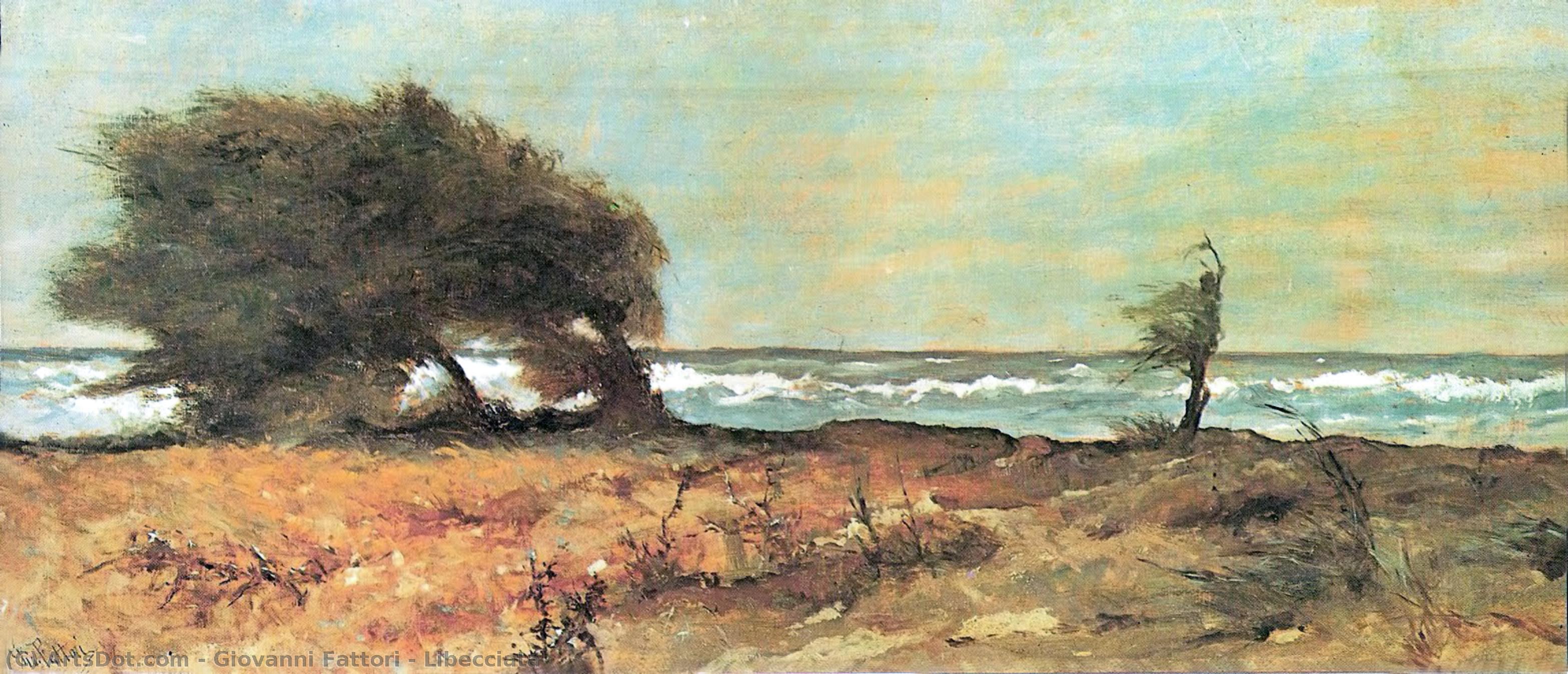
Libecciata


 Ver mais
Reprodução em Óleo Feita à Mão
Óleo sobre tela pintado à mão no seu tamanho e moldura, feito sob encomenda pelos nossos artistas. ( Encomendar impressão Comprar imagem em alta resolução)




P118B $10

P118H $10

P118W $10

P438Z $10

P508JH $12

P508YH $12

P805H $10

P805Z $10

P919BZ $10

P919G $10

P919XJ $10

P959ZH $10

P968JZ $12

W106C $8

W218G $10

W218JH $8

W218Y $10

W307PJ $10

W316G $10

W316PJ $8

W316Y $10

W398PJ $8

W4111J $10

W500HY $15

W500JH $15

W692G $12

W849H $8

W940BG $15

W953PJ $8




Escolha entre os nossos tamanhos pré-definidos que respeitam as proporções originais da obra de arte.

Pode inserir as suas próprias dimensões para se adequar a uma moldura ou espaço específico. Se o tamanho selecionado não corresponder às proporções da imagem original, iremos cortar a obra de arte ou estender a pintura com elementos adicionais pintados à mão. Um esboço digital será enviado para sua aprovação antes do início da produção.
Tenha em atenção que a pré-visualização no ecrã não reflete o corte ou extensão real. Apenas o esboço mostrará com precisão a composição final.
Embora tamanhos personalizados estejam disponíveis, recomendamos selecionar uma dimensão da lista predefinida para preservar as proporções originais.
Após o pedido, a equipa OriginalUniqueArt.com enviará um e-mail ao cliente para solicitar instruções e fornecer uma prévia do esboço.
Entrega mundial () em 3 a 4 semanas, em vez das 5 semanas padrão. (14 Agosto). Sem comprometer a qualidade.

Envio Expresso Gratuito para todo o Mundo

Tela de Linho Premium

Seguro de transporte total

Garantia de Reembolso de Impostos Alfandegários

Garantia de Fidelidade de Cor

Política de Devolução de 60 Dias (Apenas para Defeitos)

Garantia de reembolso de 100%

Desconto para múltiplas unidades
 A opção de vidro está disponível apenas para tamanhos inferiores a 110 cm

Libecciata
Técnica de Reprodução
Dimensões da Reprodução
-


Preço Total
$ 300
Descrição da Obra
Giovanni Fattori: Capturing Tuscan Tranquility – A Window into the Macchiaioli Movement
Giovanni Fattori stands as a cornerstone of the Macchiaioli movement, an Italian artistic revolution that fundamentally altered perceptions of landscape painting in the late 19th century. Born in Livorno in 1825, Fattori’s journey from aspiring commerce student to internationally recognized painter embodies the transformative power of artistic passion—a passion he relentlessly pursued throughout his life.
Initially guided by familial expectations towards a more conventional profession, Fattori's innate talent for drawing quickly superseded these influences. An apprenticeship with Giuseppe Baldini in 1845 ignited his formal artistic education, propelling him to Florence and the Academy of Fine Arts where he briefly interrupted his studies during the tumultuous period of Italy’s unification—experiences that instilled within him a profound appreciation for patriotic fervor and shaped his subsequent artistic vision.
“Libecciata”: A Symphony of Color and Motion
"Libecciata," painted in 1880, exemplifies Fattori's mastery of the Macchiaioli aesthetic. This monumental canvas—measuring approximately 28.4 x 68 cm—depicts a dramatic seascape near Antignano, Livorno, powerfully conveying the raw energy of the Tuscan coast under gale-force winds.
Fattori’s technique is characterized by “macchiaiolo,” or “splashed” painting – a revolutionary approach that prioritized bold brushstrokes and vibrant color patches over meticulous detail. Rather than blending colors smoothly, Fattori applied pigment directly onto the canvas, creating textured surfaces that pulsed with luminosity. This method brilliantly captures the dynamism of the wind-swept dunes and sea spray, mirroring the turbulent spirit of the era.
Historical Context: The Birth of Impressionism
The Macchiaioli movement emerged as a reaction against academic painting’s rigid conventions and idealized representations. Influenced by Barbizon painters like Théodore Rousseau and Frédéric Bazille, Fattori sought to depict nature with uncompromising honesty—to capture its essence without resorting to illusionistic techniques.
This artistic rebellion coincided with the burgeoning influence of Impressionism in France, spearheaded by Claude Monet and Pierre-Auguste Renoir. Fattori’s work foreshadowed many Impressionist principles, demonstrating a shared commitment to portraying fleeting moments of light and atmosphere—a stylistic hallmark that cemented his place as a precursor to this groundbreaking movement.
Symbolic Resonance: Tranquility Amidst Turbulence
Despite the dramatic depiction of wind and sea spray, “Libecciata” possesses an underlying sense of serenity. Fattori’s careful composition focuses on two prominent trees—a substantial trunked specimen dominating the foreground and a smaller companion tree harmoniously positioned alongside it—representing resilience and steadfastness against adversity.
The scattered birds traversing the scene serve as emblems of freedom and vitality, punctuating the canvas with splashes of color. Furthermore, Fattori’s inclusion of figures enjoying the coastal landscape underscores the importance of human connection to nature—a theme that resonates powerfully across artistic traditions.
Location & Legacy: A Florentine Treasure
"Libecciata" resides within the Museo Civico Giovanni Fattori in Livorno, Italy—a testament to Fattori’s enduring legacy as a champion of Tuscan landscape painting. Its presence in this esteemed institution underscores its significance as a cornerstone of Italian art history and continues to inspire artists and collectors alike.
Biografia do Artista
A Life Immersed in Light and Landscape
Giovanni Fattori, a name inextricably linked to the Macchiaioli movement and a harbinger of Impressionism, emerged from the vibrant artistic currents of 19th-century Italy. Born in Livorno in 1825, his journey – transforming from an aspiring commerce student into a celebrated painter – embodies the compelling force of an artist’s calling. Initially guided by familial expectations towards a practical profession, Fattori's innate talent for drawing swiftly asserted itself, leading to an apprenticeship with Giuseppe Baldini in 1845. This marked not merely a formal artistic education but the genesis of a path that would ultimately propel him toward revolutionary approaches to painting. His early years were steeped in historical narratives and portraits, influenced by the style of Giuseppe Bezzuoli, yet these served as crucial stepping stones towards embracing a radically new aesthetic vision.The Birth of the Macchiaioli
The 1850s proved to be a watershed moment for Fattori’s artistic development. Florence became a crucible of innovation, and he found himself drawn to the Caffè Michelangelo – a bustling hub where artists challenged established academic conventions and experimented with novel forms of expression. It was within this vibrant atmosphere that he connected with Telemaco Signorini and other kindred spirits, forging the core of what would become known as the Macchiaioli – a term derived from the Italian word “macchia,” meaning ‘spot’ or ‘patch.’ This designation wasn't simply a stylistic label; it represented a fundamental shift in artistic philosophy. Inspired by the Barbizon School painters and particularly Giovanni Costa, Fattori embraced *plein-air* painting—working directly from nature, capturing the ephemeral effects of light and shadow with bold, unblended brushstrokes. This technique, prioritizing visual impressions over meticulous detail, was a radical departure from prevailing academic practices. His groundbreaking work, Dopo la Battaglia di Magenta (After the Battle of Magenta), completed between 1860 and 1861, stands as a testament to this innovation—a pioneering depiction of contemporary history that broke with traditional heroic portrayals of warfare and offered a strikingly realistic portrayal of its aftermath. The painting’s raw emotional power and unconventional composition signaled a new direction for Italian art.Maturity and Tuscan Visions
Fattori's mature style was characterized by a masterful synthesis of *plein-air* observation and carefully considered studio composition. He didn’t abandon structure in favor of pure Impressionism; instead, he skillfully blended the immediacy of outdoor painting with the deliberate arrangement of forms learned through academic training. Recurring themes emerged throughout his career: landscapes imbued with the golden light of Tuscany, poignant portraits – notably those of his sister-in-law Argia– and evocative scenes of military life that reflected his earlier experiences during the Risorgimento. After 1880, Fattori found himself increasingly drawn to the Maremma region, a wild and untamed landscape south of Florence. This area became a source of endless inspiration, profoundly influencing his later works with its unique atmosphere, rugged beauty, and the lives of those who inhabited it. He also dedicated considerable energy to etching after 1884, demonstrating his versatility as an artist and exploring new avenues for expressing his artistic vision. The Maremma, with its vast plains and dramatic skies, provided Fattori with a canvas upon which he could explore the relationship between humanity and nature, often depicting solitary figures dwarfed by the immensity of the landscape.A Lasting Legacy: Shaping Italian Identity
Giovanni Fattori’s significance extends far beyond his technical innovations. As a leading figure of the Macchiaioli movement, he played a crucial role in establishing a distinctly Italian approach to modern painting, one that diverged from prevailing academic traditions and embraced a more direct engagement with the natural world. His emphasis on *plein-air* painting and capturing fleeting moments of light foreshadowed the developments of Impressionism, demonstrating his forward-thinking artistic sensibility. Perhaps most importantly, Fattori’s depictions of Italian life—particularly during the Risorgimento—helped to forge a sense of national identity through art. He captured not just the landscapes of Italy but also the spirit and struggles of its people, creating images that resonated deeply with a nation striving for unity and self-determination. His paintings became visual embodiments of Italian patriotism, celebrating the resilience and dignity of ordinary citizens. Today, his works are proudly displayed in prestigious museums such as the Museo Civico Giovanni Fattori in Livorno and the Galleria d'Arte Moderna del Civico Museo Revoltella in Trieste, ensuring that his legacy continues to inspire generations of artists and art enthusiasts alike. He remains a pivotal figure in Italian art history, a master of light, landscape, and the human spirit.- Key Influences: Barbizon School painters, Giovanni Costa, Giuseppe Bezzuoli.
- Major Themes: Tuscan landscapes, military life, portraits, scenes of contemporary Italy.
- Artistic Style: Macchiaioli, *plein-air* painting, bold brushstrokes, emphasis on light and shadow.

Giovanni Fattori
1825 - 1908 , Itália
Informações Rápidas
- Artistic Movement Or Style: Macchiaioli, plein air
- Artists Or Movements Influenced By This Artist: ['Impressionismo']
- Artists Who Influenced This Artist:
- Giovanni Costa
- Escola de Barbizon
- Date Of Birth: 6 de setembro de 1825
- Date Of Death: 30 de agosto de 1908
- Full Name: Giovanni Fattori
- Nationality: Italiano
- Notable Artworks:
- Após a Batalha de Magenta
- Carro vermelho
- Vagões romanos
- Place Of Birth: Livorno, Itália
Artigos Relacionados

Giovanni Fattori: Realism, Identity & the Tuscan Landscape – A Macchiaioli Master
Explore the life & art of Giovanni Fattori, a leading figure of the Macchiaioli movement. Discover his revolutionary realism, captivating Tuscan landscapes, and lasting impact on Italian painting. Learn more at OriginalUniqueArt.
Os 10 Melhores Quadros de Paisagem: Arte, História e Decoração Inspiradora
Descubra os 10 quadros de paisagem mais icônicos da história da arte! Explore Monet, Van Gogh e outros mestres, suas técnicas e inspirações. Encontre reproduções de alta qualidade para decorar sua casa com beleza e elegância em OriginalUniqueArt.com.

Os 10 Mestres da Paisagem Romântica: Arte para Inspirar a Sua Casa
Descubra os 10 quadros mais emblemáticos da Paisagem Romântica! Explore a história de Turner, Friedrich e outros mestres. Encontre reproduções de arte exclusivas para inspirar sua decoração em OriginalUniqueArt.com.

Evocations of Place: A Historical Journey Through Landscape Art
Explore the rich history of landscape art with OriginalUniqueArt. Discover renowned artists, movements like Impressionism & Romanticism, and expert guidance for collecting timeless pieces. Find your perfect serene escape today!

John Constable: As 25 Obras-Primas que Definem o Mestre da Paisagem Inglesa | OriginalUniqueArt
Descubra as 25 obras-primas de John Constable, o mestre da paisagem inglesa! Explore a arte romântica, cores vibrantes e histórias fascinantes por trás de 'Hay Wain' e outras pinturas icônicas. Encontre reproduções de alta qualidade para decorar sua casa com OriginalUniqueArt.com.

