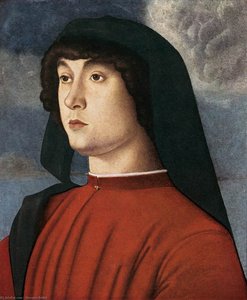
Visualizar em escala
 Enviar
 Compartilhar
 Ver detalhes
 Guia de Obras do Aluno

 Baixar imagem
 Semelhantes
 Raio X
 Apresentação de slides
 Estatísticas
Santa Conversazione
 Oil On Panel
- WallArt
- Early Renaissance
 1505
1505- Renaissance
 62.0 x 83.0 cm
 Museo Nacional Thyssen-Bornemisza
 Ver mais
Giclée / Impressão de Arte
Impressão giclée ou em tela de qualidade de museu, com produção rápida e opções flexíveis de acabamento. ( Encomendar reprodução pintada à mão Ver Imagem Digital)




P118B €10

P118H €10

P118W €10

P438Z €10

P508JH €12

P508YH €12

P805H €10

P805Z €10

P919BZ €10

P919G €10

P919XJ €10

P959ZH €10

P968JZ €12

W106C €8

W218G €10

W218JH €8

W218Y €10

W307PJ €10

W316G €10

W316PJ €8

W316Y €10

W398PJ €8

W4111J €10

W500HY €15

W500JH €15

W692G €12

W849H €8

W940BG €15

W953PJ €8




Escolha entre os nossos tamanhos pré-definidos que respeitam as proporções originais da obra de arte.

Digite a largura e a altura de que necessita, para se ajustar à sua moldura ou à sua parede. Uma impressão só pode ser cortada, nunca ampliada além da imagem original, pelo que um tamanho com uma proporção diferente perderá parte da imagem. Enviamos-lhe uma maquete digital para aprovação antes de imprimirmos qualquer coisa. A imagem apresentada nesta página não mostra o corte real — apenas a maquete o faz.
Entrega mundial () em 2 semanas, em vez das 4/5 semanas padrão. (23 Outubro)

Envio expresso gratuito para todo o mundo

Tela de Linho Premium

Seguro de transporte total

Garantia de Reembolso de Impostos Alfandegários

Garantia de Fidelidade de Cor

Política de Devolução em 100 Dias (Apenas para Defeitos)

Garantia de reembolso de 100%

Desconto para múltiplas unidades
 A opção de vidro está disponível apenas para tamanhos inferiores a 110 cm

Santa Conversazione
Giclée / Impressão de Arte
Dimensões da Reprodução
-


Preço Total
€ 70
A Divine Dialogue in Light and Color
In the hallowed stillness of the Church of San Zaccaria in Venice, there exists a moment frozen in time, a celestial gathering that transcends the boundaries of the physical world. Giovanni Bellini’s Santa Conversazione is not merely a painting; it is an immersive window into the soul of the Venetian Renaissance. Completed around 1505–1510, this monumental masterpiece invites the viewer into a sacred space where the earthly and the divine converge through a breathtaking display of light and atmosphere. The composition is anchored by a profound sense of stability, utilizing a masterful triangular arrangement that draws the eye upward toward the Virgin Mary and the infant Jesus, creating a rhythmic flow of grace that feels both eternal and intimately present.
The scene unfolds with a quiet, meditative intensity, presenting a group of saints gathered in a shared moment of spiritual communion. As your gaze wanders across the panel, you encounter figures that embody the very pillars of Christian devotion: Saint Peter stands as a symbol of papal authority, while Saint Catherine and Saint Lucy offer reflections on martyrdom and spiritual vigilance. The presence of Saint Jerome adds an intellectual weight to the assembly, representing the pursuit of wisdom. This "sacred conversation" is not one of spoken words, but of shared presence and silent reverence, a concept that resonates deeply with anyone seeking a sense of peace and contemplation within their own surroundings.
The Mastery of Venetian Technique
What sets this work apart for the discerning collector or lover of fine art is Bellini’s revolutionary use of oil on panel. Moving away from the flatter, more rigid traditions of the Byzantine era, Bellini embraced the slow-drying properties of oil to achieve an unparalleled depth of color and texture. Through meticulous layering and glazing, he achieved a luminous surface finish that seems to glow from within. This technique allows for the incredibly realistic depiction of heavy, sumptuous drapery and the soft, lifelike warmth of human flesh tones. The way light catches the folds of the robes or settles upon the faces of the saints creates a tactile quality that is nothing short of mesmerizing.
Beyond the figures, Bellini’s command of atmosphere provides a sense of infinite space. While the composition retains the structured clarity of the Early Renaissance, he introduces a subtle atmospheric haze in the distant landscape. The rolling hills and far-off mountains, bathed in a soft, diffused light, create a sense of depth that pulls the viewer into the horizon. This mastery of sfumato—the blurring of edges to mimic natural vision—ensures that the painting feels less like a flat object and more like a living, breathing environment. For an interior designer, such a piece offers a profound focal point, bringing a sense of historical grandeur and atmospheric serenity to any curated space.
A Timeless Legacy for the Modern Collector
To possess a reproduction of Santa Conversazione is to bring a piece of Italy’s golden age into the contemporary home. The color palette, dominated by warm earth tones, rich ochres, and deep reds, possesses a timeless elegance that complements both classical and modern decor. It serves as an anchor of sophistication, evoking the humanist spirit of the Renaissance—a period defined by the harmonious balance between human emotion and divine order.
Whether you are an art historian captivated by its technical precision or a decorator looking to infuse a room with a sense of quiet majesty, this work offers endless inspiration. It is a testament to Bellini’s ability to transform pigment and wood into a profound emotional experience, reminding us that even in a fast-paced world, there is immense beauty to be found in stillness, faith, and the enduring power of light.
Perguntas e Respostas
Para que tipo de uso é recomendada uma reprodução de "Santa Conversazione" de Giovanni Bellini (Giambellino)?
O uso recomendado de uma impressão de "Santa Conversazione" é Accent.
A que fase da carreira de Giovanni Bellini (Giambellino) corresponde a data de 1505 de "Santa Conversazione"?
A data de 1505 situa "Santa Conversazione" no Early Renaissance do desenvolvimento de Giovanni Bellini (Giambellino).
"Santa Conversazione" de Giovanni Bellini (Giambellino) é uma obra de tons claros ou escuros?
"Santa Conversazione" de Giovanni Bellini (Giambellino) está registrado com deep_shadow, apresentando uma luminância de Dark.
Biografia do Artista
A Venetian Master: The Life and Legacy of Giovanni Bellini
Giovanni Bellini, um nome sinônimo da efervescência renascentista em Veneza, se destaca como uma figura fundamental que conecta as tradições da arte bizantina com o espírito inovador que definiria o século XVI. Nascido por volta de 1430 – embora algumas fontes sugiram 1433 – dentro de uma família profundamente enraizada no mundo artístico, a jornada de Bellini foi marcada por uma evolução constante, caracterizada por uma sensibilidade profunda à cor, à luz e ao humanismo em ascensão da sua época. A natureza exata dos seus relacionamentos familiares tem sido objeto de debate; durante anos, Jacopo Bellini era considerado seu pai, mas a pesquisa moderna aponta cada vez mais para Jacopo ser o irmão mais velho de Giovanni, com Gentile Bellini como seu sobrinho e não como irmão. Independentemente dessas complexidades, jovem Giovanni cresceu imerso em um ateliê fervilhante de criatividade e expertise técnica, absorvendo as bases da pintura a partir de tenra idade. O seu treinamento inicial provavelmente envolveu as técnicas tradicionais de têmpera, que eram predominantes na época, mas o seu talento inato para a observação e a expressão emocional seriam os que o diferenciavam.Primeiros Influências e Desenvolvimento Artístico
O cenário artístico do século XV em Veneza era uma mistura única de influências. A cidade, como um importante centro comercial, expunha os seus artistas a estilos e ideias diversas, enquanto a herança bizantina continuava a exercer uma forte atração. As primeiras obras de Bellini refletem essa dualidade. Inicialmente, o seu estilo carregava a marca do pai e do irmão, Gentile, com composições frequentemente caracterizadas por um detalhe minucioso e uma paleta emocional relativamente contida. No entanto, mesmo nessas primeiras peças, surgiam indícios da sua futura genialidade – um manuseio delicado da luz, um crescente interesse em cenários naturalistas e uma capacidade de infundir figuras religiosas com uma paixão humana palpável. A influência de Andrea Mantegna, seu cunhado, também é evidente nesta fase, especialmente na clareza das linhas e nas formas escultóricas. Bellini’s early commissions often involved collaborative projects, such as his contributions to the Scuola di San Marco alongside Gentile and other prominent Venetian artists. These large-scale works provided invaluable experience and allowed him to hone his skills while working alongside some of the most talented painters of the day.A Revolução Veneziana: Cor, Luz e Óleo
A verdadeira revolução de Bellini residiu na sua adoção da tinta a óleo. Embora não seja o inventor da técnica, ele foi um dos primeiros artistas venezianos a explorar plenamente o seu potencial. Ao contrário da têmpera, que secava rapidamente e exigia uma abordagem linear precisa, a tinta a óleo permitiu-lhe criar pinturas com uma profundidade e luminosidade sem precedentes. A sua utilização da cor tornou-se cada vez mais sofisticada, afastando-se das cores brilhantes e frequentemente agressivas da pintura veneziana anterior em direção a uma paleta mais sutil e harmoniosa. Ele dominou os efeitos da luz e da atmosfera, imbuindo os seus paisagens de um senso de serenidade e realismo que era inovador para a época. Esta maestria na tinta a óleo não apenas transformou o seu próprio trabalho, mas também lançou as bases para o estilo distinto que viria a definir a escola veneziana – um estilo celebrado pela sua sensualidade, riqueza cromática e perspectiva atmosférica. As suas pinturas irradiavam uma luminosidade interior, refletindo uma profundidade espiritual que ressoava com os seus contemporâneos e continua a cativar as audiências de hoje.Obras Maduras e Legado Duradouro
À medida que Bellini amadurecia, a sua visão artística continuou a evoluir. As suas *altarpieces*, como aquelas criadas para as igrejas de San Zaccaria e Santa Corona, demonstram a sua capacidade de criar composições complexas cheias de significado simbólico e ressonância emocional. A *Transfiguração*, agora alojada no Museu Capodimonte em Nápoles, exemplifica o seu estilo maduro – um espírito sereno combinado com poderes artísticos maduros. Ele também serviu como conservador das pinturas no Palácio Ducal, consolidando ainda mais a sua reputação como o principal artista de Veneza. A sua influência estendeu-se muito além da sua própria vida. Tornou-se um mentor para uma geração de pintores mais jovens, incluindo Giorgione e Titian, que levaram a sua herança adiante e expandiram os limites da arte veneziana. Estes discípulos absorveram as técnicas e os princípios estéticos de Bellini, adaptando-os aos seus próprios estilos individuais e contribuindo para a idade de ouro da pintura veneziana. Bellini's impact can be seen in the works of countless artists who followed, solidifying his place as a true master of the Renaissance. He died in Venice in 1516, leaving behind a body of work that continues to inspire awe and admiration centuries later.Um Legado que Persiste ao Longo do Tempo
A importância de Giovanni Bellini vai além das suas inovações técnicas e conquistas artísticas. Ele capturou o espírito de um mundo em mudança – um mundo confrontando novas ideias sobre a humanidade, a espiritualidade e a relação entre a arte e a natureza. As suas pinturas não são meras representações de cenas religiosas; são meditações profundas sobre a fé, a beleza e a condição humana. A sua capacidade de infundir as suas figuras com dignidade e graça, combinada com a sua maestria na cor e na luz, criou uma linguagem visual que ressoou profundamente com os seus contemporâneos e continua a cativar as audiências de hoje. *Bellini’s legacy is not simply one of artistic brilliance; it is a testament to the power of art to transcend time and connect us to the enduring values of human experience.* From the serene beauty of his Madonnas to the dramatic intensity of his religious scenes, Bellini's work remains a cornerstone of Western art history.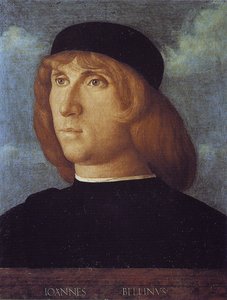
Giovanni Bellini (Giambellino)
1433 - 1516 , Itália
Informações Rápidas
- Artistic Movement Or Style: Renascimento Veneziano
- Artists Or Movements Influenced By This Artist:
- Giorgione
- Titian
- Artists Who Influenced This Artist:
- Jacopo Bellini
- Gentile Bellini
- Mantegna
- Date Of Birth: c. 1430
- Date Of Death: 1516
- Full Name: Giovanni Bellini
- Nationality: Italiano
- Notable Artworks:
- Transfiguração
- Madona Prado
- Coroação Virgem
- Place Of Birth: Veneza, Itália
Artigos Relacionados
Fra Angelico: As 25 Obras-Primas que Definem a Arte Renascentista | OriginalUniqueArt
Descubra as 25 obras-primas de Fra Angelico, o mestre renascentista da arte sacra. Explore a beleza dos afrescos e pinturas que inspiram fé e contemplação. Reproduções de alta qualidade em OriginalUniqueArt.com!

Giovanni Fattori: Realism, Identity & the Tuscan Landscape – A Macchiaioli Master
Explore the life & art of Giovanni Fattori, a leading figure of the Macchiaioli movement. Discover his revolutionary realism, captivating Tuscan landscapes, and lasting impact on Italian painting. Learn more at OriginalUniqueArt.
Divine Grace: A Journey Through the Most Iconic Depictions of the Virgin Mary in Art History
Embark on a profound journey through art history with our exploration of the most iconic depictions of the Virgin Mary. Discover the divine grace, symbolism, and masterful techniques found in Renaissance masterpieces and sacred iconography.
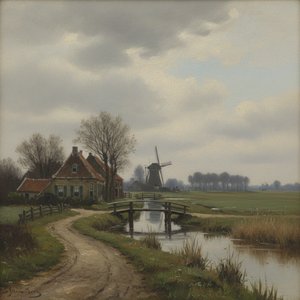
Jacob Henricus Maris: A Master of Dutch Atmospheric Realism & the Intimate Landscape
Explore the captivating world of Jacob Henricus Maris, a leading figure of the Dutch Hague School. Discover his atmospheric landscapes, signature brushstrokes & lasting influence on 19th-century art. Learn more at OriginalUniqueArt.

Giovanni Giacometti: Sculpting Existentialism – A Study of Form, Space, and the Human Condition
Explore the profound artistic journey of Giovanni Giacometti, father to Alberto. Discover his unique transition from Surrealism to Existentialist sculpture and painting – a compelling study for elite collectors and art enthusiasts.