Visualizar na parede
 Compartilhar
 Compartilhar
 Detalhes
 Guia
Guia

 Baixar imagem
 Semelhantes
 Raio X
 Ver diaporama
 Estatísticas
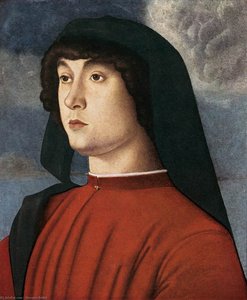
Pesaro Altarpiece (predella)
 Oil On Canvas
- WallArt
- Early Renaissance
 1471
1471 40.0 x 36.0 cm
 Musei Civici
 Ler mais
Giclée / Impressão de Arte
Impressão giclée ou em tela de qualidade de museu, com produção rápida e opções flexíveis de acabamento. ( Comprar pintura feita à mão Alternar para Imagem Digital)




P118B €10

P118H €10

P118W €10

P438Z €10

P508JH €12

P508YH €12

P805H €10

P805Z €10

P919BZ €10

P919G €10

P919XJ €10

P959ZH €10

P968JZ €12

W106C €8

W218G €10

W218JH €8

W218Y €10

W307PJ €10

W316G €10

W316PJ €8

W316Y €10

W398PJ €8

W4111J €10

W500HY €15

W500JH €15

W692G €12

W849H €8

W940BG €15

W953PJ €8




Escolha entre os nossos tamanhos pré-definidos que respeitam as proporções originais da obra de arte.

Insira a largura e a altura desejadas para se ajustarem à sua moldura ou parede. Uma impressão pode ser apenas cortada, nunca ampliada além da imagem original; portanto, um tamanho com proporções diferentes resultará na perda de parte da imagem. Enviamos uma maquete digital para sua aprovação antes de realizarmos a impressão. A imagem exibida nesta página não mostra o corte real — apenas a maquete o faz.
Entrega mundial () em 2 semanas, em vez das 4/5 semanas padrão. (26 Outubro)

Envio expresso gratuito para todo o mundo

Tela de Linho de Alta Qualidade

Seguro de transporte completo

Garantia de Reembolso de Impostos Alfandegários

Garantia de Fidelidade Cromática

Política de Devolução em 100 Dias (Apenas para Defeitos)

Garantia de reembolso de 100%

Oferta de desconto por quantidade
 A opção de vidro está disponível apenas para tamanhos inferiores a 110 cm

Pesaro Altarpiece (predella)
Giclée / Impressão de Arte
Tamanho da Reprodução
-


Preço Total
€ 70
Giovanni Bellini’s Pesaro Altarpiece: A Symphony of Faith and Renaissance Innovation
The Pesaro Altarpiece (predella), completed in 1471 by Giovanni Bellini, stands as a cornerstone of Venetian Early Renaissance art—a testament to the burgeoning humanist spirit and masterful artistic execution that defined the era. Housed at the Musei Civici in Pesaro, Italy, this oil painting measuring 40 x 36 cm transcends mere depiction; it embodies a profound meditation on Christian devotion and represents Bellini’s groundbreaking approach to pigment and composition.Composition and Figures: A Central Narrative
At its core lies a commanding figure dressed in Roman attire—a deliberate allusion to classical ideals of virtue and authority—standing upon a pedestal or base. This central figure, adorned in crimson robes accented with gold embroidery, holds aloft a shield bearing the emblem of Pesaro’s Franciscan Order, immediately establishing a visual hierarchy that directs the viewer's gaze. Alongside him are several supporting figures: saints venerated within Pesaro’s ecclesiastical community—Saint Terence, Saint Francis Xavier and Saint Augustine—each rendered with meticulous detail and imbued with palpable emotion. Their postures convey reverence and contemplation, mirroring the spiritual fervor of the time. The inclusion of a chariot in the background symbolizes pilgrimage and divine grace, furthering the altarpiece's narrative dimension.Technique: Pioneering Oil Paint and Smalt
Bellini’s genius resided not merely in his anatomical accuracy but also in his innovative use of pigment—specifically, the incorporation of smalt, a brilliant cobalt blue produced from crushed glass. This technique, relatively novel for Venetian painting at the time, distinguishes itself from its predecessors and elevates the altarpiece's luminosity to an unprecedented level. Bellini’s masterful blending of colors achieves remarkable depth and realism, capturing subtle nuances of light and shadow that would become hallmarks of Renaissance art. The artist skillfully employs glazing techniques—applying thin layers of translucent pigment over previous coats—to build up tonal variations and create a shimmering surface texture.Historical Context: Patronage and Franciscan Devotion
Commissioned by the influential Pesaro family, staunch supporters of the Franciscan Order, the altarpiece reflects the profound religious piety characteristic of Venetian society during Bellini’s lifetime. The patronage itself underscores the importance of faith within the cultural landscape—a theme powerfully conveyed through the depiction of saints and the chariot motif. Furthermore, the altarpiece's creation coincided with a period of artistic experimentation and intellectual ferment, mirroring broader trends in Europe as humanist thought challenged medieval dogma. Its presence at San Francesco church served as a tangible expression of devotion and solidified Bellini’s legacy as one of the foremost artists of his generation.Symbolism: Echoes of Classical Virtue and Divine Grace
The Pesaro Altarpiece is replete with symbolic imagery—the Roman attire representing moral excellence, the shield emblazoned with the Franciscan emblem signifying religious affiliation, and the chariot symbolizing spiritual journey. These elements converge to communicate a complex theological message about salvation and divine grace. Bellini’s meticulous attention to detail ensures that every aspect of the composition contributes to this overarching narrative, inviting contemplation and fostering an appreciation for the artistic mastery of the Renaissance period.Conclusion: A Timeless Masterpiece
Giovanni Bellini's Pesaro Altarpiece remains a captivating exemplar of Early Renaissance artistry—a harmonious blend of humanist ideals and technical innovation. Its luminous palette, masterful composition, and profound symbolic depth continue to inspire admiration and resonate with viewers today. To experience the beauty and intellectual richness of this iconic artwork firsthand, consider acquiring a high-quality reproduction from OriginalUniqueArt – where you can bring a piece of Venetian history into your home.Perguntas e Respostas
"Pesaro Altarpiece (predella)" permaneceu no país de origem do seu artista?
Sim – a obra de arte encontra-se no país de origem do artista. Giovanni Bellini (Giambellino) nasceu em Itália, e o original de "Pesaro Altarpiece (predella)" encontra-se num museu em Itália.
Qual era a idade de Giovanni Bellini (Giambellino) ao criar "Pesaro Altarpiece (predella)" em 1471?
Giovanni Bellini (Giambellino) tinha 38 anos quando criou "Pesaro Altarpiece (predella)" em 1471. A idade é calculada a partir do ano de nascimento do artista, 1433.
Com qual sentimento "Pesaro Altarpiece (predella)" está associada?
"Pesaro Altarpiece (predella)" está associada a um sentimento Calm. O tom emocional descreve a impressão que a obra transmite.
Biografia do Artista
A Venetian Master: The Life and Legacy of Giovanni Bellini
Giovanni Bellini, um nome sinônimo da efervescência renascentista em Veneza, se destaca como uma figura fundamental que conecta as tradições da arte bizantina com o espírito inovador que definiria o século XVI. Nascido por volta de 1430 – embora algumas fontes sugiram 1433 – dentro de uma família profundamente enraizada no mundo artístico, a jornada de Bellini foi marcada por uma evolução constante, caracterizada por uma sensibilidade profunda à cor, à luz e ao humanismo em ascensão da sua época. A natureza exata dos seus relacionamentos familiares tem sido objeto de debate; durante anos, Jacopo Bellini era considerado seu pai, mas a pesquisa moderna aponta cada vez mais para Jacopo ser o irmão mais velho de Giovanni, com Gentile Bellini como seu sobrinho e não como irmão. Independentemente dessas complexidades, jovem Giovanni cresceu imerso em um ateliê fervilhante de criatividade e expertise técnica, absorvendo as bases da pintura a partir de tenra idade. O seu treinamento inicial provavelmente envolveu as técnicas tradicionais de têmpera, que eram predominantes na época, mas o seu talento inato para a observação e a expressão emocional seriam os que o diferenciavam.Primeiros Influências e Desenvolvimento Artístico
O cenário artístico do século XV em Veneza era uma mistura única de influências. A cidade, como um importante centro comercial, expunha os seus artistas a estilos e ideias diversas, enquanto a herança bizantina continuava a exercer uma forte atração. As primeiras obras de Bellini refletem essa dualidade. Inicialmente, o seu estilo carregava a marca do pai e do irmão, Gentile, com composições frequentemente caracterizadas por um detalhe minucioso e uma paleta emocional relativamente contida. No entanto, mesmo nessas primeiras peças, surgiam indícios da sua futura genialidade – um manuseio delicado da luz, um crescente interesse em cenários naturalistas e uma capacidade de infundir figuras religiosas com uma paixão humana palpável. A influência de Andrea Mantegna, seu cunhado, também é evidente nesta fase, especialmente na clareza das linhas e nas formas escultóricas. Bellini’s early commissions often involved collaborative projects, such as his contributions to the Scuola di San Marco alongside Gentile and other prominent Venetian artists. These large-scale works provided invaluable experience and allowed him to hone his skills while working alongside some of the most talented painters of the day.A Revolução Veneziana: Cor, Luz e Óleo
A verdadeira revolução de Bellini residiu na sua adoção da tinta a óleo. Embora não seja o inventor da técnica, ele foi um dos primeiros artistas venezianos a explorar plenamente o seu potencial. Ao contrário da têmpera, que secava rapidamente e exigia uma abordagem linear precisa, a tinta a óleo permitiu-lhe criar pinturas com uma profundidade e luminosidade sem precedentes. A sua utilização da cor tornou-se cada vez mais sofisticada, afastando-se das cores brilhantes e frequentemente agressivas da pintura veneziana anterior em direção a uma paleta mais sutil e harmoniosa. Ele dominou os efeitos da luz e da atmosfera, imbuindo os seus paisagens de um senso de serenidade e realismo que era inovador para a época. Esta maestria na tinta a óleo não apenas transformou o seu próprio trabalho, mas também lançou as bases para o estilo distinto que viria a definir a escola veneziana – um estilo celebrado pela sua sensualidade, riqueza cromática e perspectiva atmosférica. As suas pinturas irradiavam uma luminosidade interior, refletindo uma profundidade espiritual que ressoava com os seus contemporâneos e continua a cativar as audiências de hoje.Obras Maduras e Legado Duradouro
À medida que Bellini amadurecia, a sua visão artística continuou a evoluir. As suas *altarpieces*, como aquelas criadas para as igrejas de San Zaccaria e Santa Corona, demonstram a sua capacidade de criar composições complexas cheias de significado simbólico e ressonância emocional. A *Transfiguração*, agora alojada no Museu Capodimonte em Nápoles, exemplifica o seu estilo maduro – um espírito sereno combinado com poderes artísticos maduros. Ele também serviu como conservador das pinturas no Palácio Ducal, consolidando ainda mais a sua reputação como o principal artista de Veneza. A sua influência estendeu-se muito além da sua própria vida. Tornou-se um mentor para uma geração de pintores mais jovens, incluindo Giorgione e Titian, que levaram a sua herança adiante e expandiram os limites da arte veneziana. Estes discípulos absorveram as técnicas e os princípios estéticos de Bellini, adaptando-os aos seus próprios estilos individuais e contribuindo para a idade de ouro da pintura veneziana. Bellini's impact can be seen in the works of countless artists who followed, solidifying his place as a true master of the Renaissance. He died in Venice in 1516, leaving behind a body of work that continues to inspire awe and admiration centuries later.Um Legado que Persiste ao Longo do Tempo
A importância de Giovanni Bellini vai além das suas inovações técnicas e conquistas artísticas. Ele capturou o espírito de um mundo em mudança – um mundo confrontando novas ideias sobre a humanidade, a espiritualidade e a relação entre a arte e a natureza. As suas pinturas não são meras representações de cenas religiosas; são meditações profundas sobre a fé, a beleza e a condição humana. A sua capacidade de infundir as suas figuras com dignidade e graça, combinada com a sua maestria na cor e na luz, criou uma linguagem visual que ressoou profundamente com os seus contemporâneos e continua a cativar as audiências de hoje. *Bellini’s legacy is not simply one of artistic brilliance; it is a testament to the power of art to transcend time and connect us to the enduring values of human experience.* From the serene beauty of his Madonnas to the dramatic intensity of his religious scenes, Bellini's work remains a cornerstone of Western art history.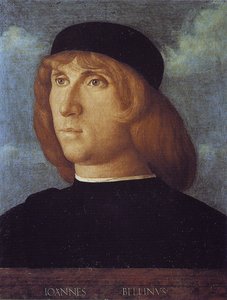
Giovanni Bellini (Giambellino)
1433 - 1516 , Itália
Dados Rápidos
- Artistic Movement Or Style: Renascimento Veneziano
- Artists Or Movements Influenced By This Artist:
- Giorgione
- Titian
- Artists Who Influenced This Artist:
- Jacopo Bellini
- Gentile Bellini
- Mantegna
- Date Of Birth: c. 1430
- Date Of Death: 1516
- Full Name: Giovanni Bellini
- Nationality: Italiano
- Notable Artworks:
- Transfiguração
- Madona Prado
- Coroação Virgem
- Place Of Birth: Veneza, Itália
Artigos Relacionados
Titian: Innovation, Technique & the Venetian Renaissance Portrait Tradition
Explore the revolutionary techniques & enduring legacy of Titian, the master of Venetian Renaissance portraiture. Discover insights for collectors & appreciate his impact on art history.

Venetian Renaissance: The Mastery of Color, Light, and the Art of Colorito
Explore the luminous mastery of the Venetian Renaissance. Discover how masters like Titian and Giorgione revolutionized art through colorito, light, and atmosphere. An expert guide to the golden age of Italian painting for collectors and enthusiasts.

The Golden Light of Innovation: Exploring the Venetian Renaissance Art Movement (1430–1580)
Explore the Golden Age of Venetian art (1430–1580). Discover Giorgione, Titian & Tintoretto's techniques, the 'colorito' revolution, and lasting influence. Expert insights for collectors & enthusiasts.

Giovanni Antonio Canal (Canaletto): A Venetian Master of Light, Space & Societal Observation
Explore the life & art of Giovanni Antonio Canal (Canaletto), a Venetian master renowned for his breathtaking cityscapes. Discover his techniques, legacy, and captivating depictions of 18th-century Venice & London.

Jacopo Tintoretto: As 25 Obras-Primas do Mestre da Luz e Drama | OriginalUniqueArt
Descubra as 25 obras-primas de Jacopo Tintoretto, o mestre veneziano do Renascimento! Explore a história, técnica e emoção por trás de pinturas icônicas como 'O Milagre de São Marcos'. Encontre reproduções de arte exclusivas para decorar sua casa com OriginalUniqueArt.com.