Visualizar em escala
 Enviar
 Compartilhar
 Ver detalhes
 Guia de Obras do Aluno

 Baixar imagem
 Semelhantes
 Raio X
 Apresentação de slides
 Estatísticas
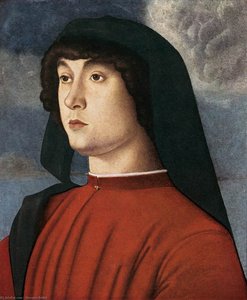
Madonna with Child
 Oil On Canvas
- WallArt
- Renaissance Humanism
 1465
1465 78.0 x 50.0 cm
 Castello Sforzesco
 Ver mais
Reprodução em Óleo Feita à Mão
Óleo sobre tela pintado à mão no tamanho e moldura de sua escolha, feito sob encomenda pelos nossos artistas. ( Alternar para Impressão Ver Imagem Digital)




P118B €10

P118H €10

P118W €10

P438Z €10

P508JH €12

P508YH €12

P805H €10

P805Z €10

P919BZ €10

P919G €10

P919XJ €10

P959ZH €10

P968JZ €12

W106C €8

W218G €10

W218JH €8

W218Y €10

W307PJ €10

W316G €10

W316PJ €8

W316Y €10

W398PJ €8

W4111J €10

W500HY €15

W500JH €15

W692G €12

W849H €8

W940BG €15

W953PJ €8




Escolha entre os nossos tamanhos pré-definidos que respeitam as proporções originais da obra de arte.

Digite a largura e a altura de que necessita, para se ajustar à sua moldura ou à sua parede. Esta obra é pintada à mão, por isso, para um tamanho com uma proporção diferente, o artista pode pintar um pouco mais ao redor da imagem ou cortar um pouco — você escolhe. Enviamos-lhe uma maquete digital para aprovação antes de a pintura começar. A imagem exibida nesta página não mostra o resultado real — apenas a maquete mostra.
Após o pedido, a equipa OriginalUniqueArt.com enviará um e-mail ao cliente para solicitar instruções e fornecer uma prévia do esboço.
Entrega mundial () em 3 a 4 semanas, em vez das 5 semanas padrão. (24 Outubro). Sem comprometer a qualidade.

Envio expresso gratuito para todo o mundo

Tela de Linho Premium

Seguro de transporte total

Garantia de Reembolso de Impostos Alfandegários

Garantia de Fidelidade de Cor

Política de Devolução em 100 Dias (Apenas para Defeitos)

Garantia de reembolso de 100%

Desconto para múltiplas unidades
 A opção de vidro está disponível apenas para tamanhos inferiores a 110 cm

Madonna with Child
Técnica de Reprodução
Dimensões da Reprodução
-


Preço Total
€ 263
Giovanni Bellini’s Madonna with Child: A Venetian Renaissance Masterpiece
Giovanni Bellini stands as an undisputed titan of Venetian Renaissance art, bridging the gap between Byzantine tradition and the burgeoning humanist spirit that would define the 16th century. Born around 1430 – though some sources suggest 1433 – into a family deeply entrenched in the artistic world, Bellini’s journey was one marked by ceaseless evolution, fueled by an unparalleled sensitivity to color, light, and the profound humanism of his era. The precise nature of his familial relationships has been debated; for years Jacopo Bellini was considered his father, but modern scholarship increasingly points towards Jacopo being Giovanni's elder half-brother, with Gentile Bellini as his nephew rather than sibling. Regardless of these intricacies, young Giovanni grew up immersed in a workshop brimming with creativity and technical expertise, absorbing the foundational principles of painting from an early age. His formative years were spent honing skills alongside his father and brother, mastering techniques that would become hallmarks of his distinctive style – a style characterized by luminous color palettes and meticulous detail, qualities that would resonate throughout his prolific career.- Subject Matter: The Madonna with Child embodies the quintessential devotional image of the Renaissance, depicting Mary cradling Jesus in her arms—a motif deeply rooted in Christian iconography and symbolizing divine motherhood and grace.
- Style: Bellini’s approach aligns seamlessly with Venetian Mannerism, prioritizing elegance and psychological nuance over strict realism. He eschews excessive ornamentation, favoring a restrained aesthetic that emphasizes compositional balance and harmonious color relationships.
- Technique: Employing tempera on panel—a technique favored by Venetian artists of the period—Bellini achieved remarkable luminosity through careful layering of translucent glazes. This method allowed him to capture subtle gradations of light and shadow, creating an ethereal atmosphere that elevates the scene beyond mere representation.
Historical Context: Venice at the Crossroads of Cultures
Venice during Bellini’s lifetime was a vibrant hub of artistic innovation, experiencing a period of unparalleled prosperity thanks to its maritime trade empire. The city fostered a cosmopolitan environment where Byzantine influences mingled with emerging humanist ideals—a confluence that profoundly impacted Venetian art. Artists like Bellini drew inspiration from both Eastern and Western traditions, synthesizing them into a uniquely Venetian aesthetic. The patronage system prevalent in Venice fueled artistic ambition, encouraging masters to produce ambitious works intended to glorify their patrons and elevate the prestige of the city itself. This context underscores the significance of Bellini’s Madonna with Child as a testament to Venice's cultural dynamism and its role as a conduit for artistic exchange.Symbolism: Layers of Meaning Beyond Beauty
The Madonna with Child is replete with symbolic references that speak to core theological concepts—primarily the Virgin Mary’s role as Mother of God and her unwavering faith. The landscape depicted behind Mary—a stylized vista reminiscent of Flemish painting—represents Paradise, symbolizing divine grace and eternal life. The angel on the rightward side embodies divine protection and heralds the arrival of salvation. Furthermore, Bellini's meticulous attention to detail—particularly in portraying Jesus’s face—reflects humanist concerns about capturing human emotion and psychological realism. The luminous color palette—dominated by blues and golds—evokes spiritual contemplation and reinforces the Madonna’s sanctity.Emotional Impact: A Moment of Serenity and Devotion
Ultimately, Giovanni Bellini's Madonna with Child transcends mere visual representation; it aspires to evoke a profound emotional response in the viewer. The serene stillness of Mary’s posture conveys tranquility and acceptance—a reflection of her unwavering faith and devotion. The gentle gaze of Jesus embodies innocence and divine compassion. Through his masterful technique and astute compositional choices, Bellini succeeds in capturing a timeless moment of spiritual beauty—one that continues to inspire admiration and contemplation centuries after its creation. Its enduring appeal testifies to the power of art to communicate universal themes of love, faith, and redemption.Perguntas e Respostas
Qual é a tonalidade predominante que percorre "Madonna with Child" de Giovanni Bellini (Giambellino)?
A tonalidade dominante de "Madonna with Child" de Giovanni Bellini (Giambellino) é Golden Yellow Range. A tonalidade é o tom subjacente da paleta.
Quantas pessoas visualizam "Madonna with Child"?
A página Estatísticas de "Madonna with Child" de Giovanni Bellini (Giambellino) apresenta estatísticas de visitas públicas: visitas mensais desta obra, uma comparação com as obras mais visualizadas do artista e a origem dos seus visitantes.
Quem vende cópias pintadas à mão de "Madonna with Child" de Giovanni Bellini (Giambellino)?
Cópias pintadas à mão de "Madonna with Child" de Giovanni Bellini (Giambellino) são vendidas no este site: uma reprodução a óleo pintada à mão sobre tela de linho, encomendadas através da sua página Reprodução Pintada à Mão.
Biografia do Artista
A Venetian Master: The Life and Legacy of Giovanni Bellini
Giovanni Bellini, um nome sinônimo da efervescência renascentista em Veneza, se destaca como uma figura fundamental que conecta as tradições da arte bizantina com o espírito inovador que definiria o século XVI. Nascido por volta de 1430 – embora algumas fontes sugiram 1433 – dentro de uma família profundamente enraizada no mundo artístico, a jornada de Bellini foi marcada por uma evolução constante, caracterizada por uma sensibilidade profunda à cor, à luz e ao humanismo em ascensão da sua época. A natureza exata dos seus relacionamentos familiares tem sido objeto de debate; durante anos, Jacopo Bellini era considerado seu pai, mas a pesquisa moderna aponta cada vez mais para Jacopo ser o irmão mais velho de Giovanni, com Gentile Bellini como seu sobrinho e não como irmão. Independentemente dessas complexidades, jovem Giovanni cresceu imerso em um ateliê fervilhante de criatividade e expertise técnica, absorvendo as bases da pintura a partir de tenra idade. O seu treinamento inicial provavelmente envolveu as técnicas tradicionais de têmpera, que eram predominantes na época, mas o seu talento inato para a observação e a expressão emocional seriam os que o diferenciavam.Primeiros Influências e Desenvolvimento Artístico
O cenário artístico do século XV em Veneza era uma mistura única de influências. A cidade, como um importante centro comercial, expunha os seus artistas a estilos e ideias diversas, enquanto a herança bizantina continuava a exercer uma forte atração. As primeiras obras de Bellini refletem essa dualidade. Inicialmente, o seu estilo carregava a marca do pai e do irmão, Gentile, com composições frequentemente caracterizadas por um detalhe minucioso e uma paleta emocional relativamente contida. No entanto, mesmo nessas primeiras peças, surgiam indícios da sua futura genialidade – um manuseio delicado da luz, um crescente interesse em cenários naturalistas e uma capacidade de infundir figuras religiosas com uma paixão humana palpável. A influência de Andrea Mantegna, seu cunhado, também é evidente nesta fase, especialmente na clareza das linhas e nas formas escultóricas. Bellini’s early commissions often involved collaborative projects, such as his contributions to the Scuola di San Marco alongside Gentile and other prominent Venetian artists. These large-scale works provided invaluable experience and allowed him to hone his skills while working alongside some of the most talented painters of the day.A Revolução Veneziana: Cor, Luz e Óleo
A verdadeira revolução de Bellini residiu na sua adoção da tinta a óleo. Embora não seja o inventor da técnica, ele foi um dos primeiros artistas venezianos a explorar plenamente o seu potencial. Ao contrário da têmpera, que secava rapidamente e exigia uma abordagem linear precisa, a tinta a óleo permitiu-lhe criar pinturas com uma profundidade e luminosidade sem precedentes. A sua utilização da cor tornou-se cada vez mais sofisticada, afastando-se das cores brilhantes e frequentemente agressivas da pintura veneziana anterior em direção a uma paleta mais sutil e harmoniosa. Ele dominou os efeitos da luz e da atmosfera, imbuindo os seus paisagens de um senso de serenidade e realismo que era inovador para a época. Esta maestria na tinta a óleo não apenas transformou o seu próprio trabalho, mas também lançou as bases para o estilo distinto que viria a definir a escola veneziana – um estilo celebrado pela sua sensualidade, riqueza cromática e perspectiva atmosférica. As suas pinturas irradiavam uma luminosidade interior, refletindo uma profundidade espiritual que ressoava com os seus contemporâneos e continua a cativar as audiências de hoje.Obras Maduras e Legado Duradouro
À medida que Bellini amadurecia, a sua visão artística continuou a evoluir. As suas *altarpieces*, como aquelas criadas para as igrejas de San Zaccaria e Santa Corona, demonstram a sua capacidade de criar composições complexas cheias de significado simbólico e ressonância emocional. A *Transfiguração*, agora alojada no Museu Capodimonte em Nápoles, exemplifica o seu estilo maduro – um espírito sereno combinado com poderes artísticos maduros. Ele também serviu como conservador das pinturas no Palácio Ducal, consolidando ainda mais a sua reputação como o principal artista de Veneza. A sua influência estendeu-se muito além da sua própria vida. Tornou-se um mentor para uma geração de pintores mais jovens, incluindo Giorgione e Titian, que levaram a sua herança adiante e expandiram os limites da arte veneziana. Estes discípulos absorveram as técnicas e os princípios estéticos de Bellini, adaptando-os aos seus próprios estilos individuais e contribuindo para a idade de ouro da pintura veneziana. Bellini's impact can be seen in the works of countless artists who followed, solidifying his place as a true master of the Renaissance. He died in Venice in 1516, leaving behind a body of work that continues to inspire awe and admiration centuries later.Um Legado que Persiste ao Longo do Tempo
A importância de Giovanni Bellini vai além das suas inovações técnicas e conquistas artísticas. Ele capturou o espírito de um mundo em mudança – um mundo confrontando novas ideias sobre a humanidade, a espiritualidade e a relação entre a arte e a natureza. As suas pinturas não são meras representações de cenas religiosas; são meditações profundas sobre a fé, a beleza e a condição humana. A sua capacidade de infundir as suas figuras com dignidade e graça, combinada com a sua maestria na cor e na luz, criou uma linguagem visual que ressoou profundamente com os seus contemporâneos e continua a cativar as audiências de hoje. *Bellini’s legacy is not simply one of artistic brilliance; it is a testament to the power of art to transcend time and connect us to the enduring values of human experience.* From the serene beauty of his Madonnas to the dramatic intensity of his religious scenes, Bellini's work remains a cornerstone of Western art history.
Giovanni Bellini (Giambellino)
1433 - 1516 , Itália
Informações Rápidas
- Artistic Movement Or Style: Renascimento Veneziano
- Artists Or Movements Influenced By This Artist:
- Giorgione
- Titian
- Artists Who Influenced This Artist:
- Jacopo Bellini
- Gentile Bellini
- Mantegna
- Date Of Birth: c. 1430
- Date Of Death: 1516
- Full Name: Giovanni Bellini
- Nationality: Italiano
- Notable Artworks:
- Transfiguração
- Madona Prado
- Coroação Virgem
- Place Of Birth: Veneza, Itália
Artigos Relacionados
Tempera on Panel: A Procurement Guide to Durable, High-Quality Art for Large-Scale Hospitality Projects
A professional procurement guide for hotel designers on the durability and prestige of tempera on panel. Discover how these high-quality, large-scale artworks offer unmatched longevity and architectural impact for premium hospitality projects and commercial interiors.

The Timeless Glow of Tempera on Panel: A Guide to This Luminous Art Medium
Discover the luminous beauty of tempera on panel. Explore the historical techniques, egg-based alchemy, and enduring legacy of this radiant medium used by Renaissance masters to capture light and eternal grace.
Illuminating Surfaces: A Comprehensive Exploration of Tempera on Panel Painting Techniques & Historical Significance
Explore the rich history & techniques of tempera painting! Discover Renaissance masters like Botticelli & Fra Angelico, conservation insights, and the enduring legacy of this captivating art form. Learn more now!
Tempera on Panel: Unveiling the Timeless Techniques and Sacred Artistry of the Old Masters
Unveil the sacred secrets of egg tempera on panel. Journey through the technical mastery and profound artistry of the Old Masters, from Giotto to Botticelli. An essential educational guide for Renaissance art enthusiasts seeking deep historical insight and expertise.
Obras-Primas em Têmpera sobre Painel: 10 Mestres que Revolucionaram a Arte | OriginalUniqueArt
Descubra 10 obras-primas em têmpera sobre painel que revolucionaram a arte! Explore a história de Giotto, Botticelli e outros mestres do Renascimento. Encontre reproduções de museu e inspire sua decoração com OriginalUniqueArt.com.