
 Visualizar em escala
 Enviar
 Compartilhar
 Ver detalhes

 Baixar
 Semelhantes
 Raio X
 Apresentação de slides
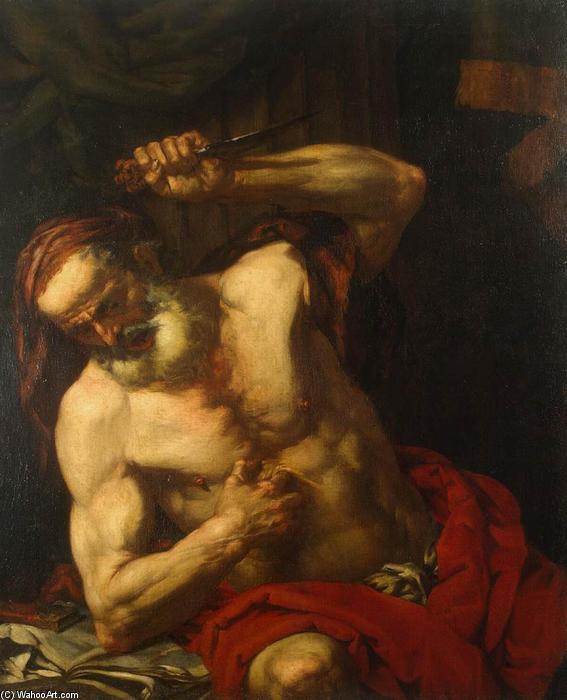
Cato
 Acrílico sobre tela
- Arte de Parede
- Venetian Baroque
 1660
1660 117.0 x 106.0 cm
 Museu Hermitage
 Ver mais
Reprodução em Óleo Feita à Mão
Óleo sobre tela pintado à mão no seu tamanho e moldura, feito sob encomenda pelos nossos artistas. ( Encomendar impressão Comprar imagem em alta resolução)




P118B $10

P118H $10

P118W $10

P438Z $10

P508JH $12

P508YH $12

P805H $10

P805Z $10

P919BZ $10

P919G $10

P919XJ $10

P959ZH $10

P968JZ $12

W106C $8

W218G $10

W218JH $8

W218Y $10

W307PJ $10

W316G $10

W316PJ $8

W316Y $10

W398PJ $8

W4111J $10

W500HY $15

W500JH $15

W692G $12

W849H $8

W940BG $15

W953PJ $8




Escolha entre os nossos tamanhos pré-definidos que respeitam as proporções originais da obra de arte.

Pode inserir as suas próprias dimensões para se adequar a uma moldura ou espaço específico. Se o tamanho selecionado não corresponder às proporções da imagem original, iremos cortar a obra de arte ou estender a pintura com elementos adicionais pintados à mão. Um esboço digital será enviado para sua aprovação antes do início da produção.
Tenha em atenção que a pré-visualização no ecrã não reflete o corte ou extensão real. Apenas o esboço mostrará com precisão a composição final.
Embora tamanhos personalizados estejam disponíveis, recomendamos selecionar uma dimensão da lista predefinida para preservar as proporções originais.
Após o pedido, a equipa OriginalUniqueArt.com enviará um e-mail ao cliente para solicitar instruções e fornecer uma prévia do esboço.
Entrega mundial () em 3 a 4 semanas, em vez das 5 semanas padrão. (19 Agosto). Sem comprometer a qualidade.

Envio Expresso Gratuito para todo o Mundo

Tela de Linho Premium

Seguro de transporte total

Garantia de Reembolso de Impostos Alfandegários

Garantia de Fidelidade de Cor

Política de Devolução de 60 Dias (Apenas para Defeitos)

Garantia de reembolso de 100%

Desconto para múltiplas unidades
 A opção de vidro está disponível apenas para tamanhos inferiores a 110 cm

Cato
Técnica de Reprodução
Dimensões da Reprodução
-


Preço Total
$ 300
Descrição da Obra
Giovanni Battista Langetti e o Dramatismo Barroco Veneziano: Uma Análise da Obra “Cato”
Giovanni Battista Langetti (1635 – 22 outubro 1676) permanece como uma figura fundamental no Barroco veneziano, incorporando a fervor e teatralidade do Caravaggismo enquanto simultaneamente moldurando sua própria visão artística distinta. Nascido em Gênova, Itália, Langetti recebeu treinamento inicial sob Assereto e Pietro da Cortona antes de buscar orientação de Giovanni Francesco Cassana, marcando-o como parte de um ambiente artístico crescente. No entanto, Veneza tornou-se o verdadeiro ponto focal de sua carreira prolífica que se estendeu por décadas e produziu uma obra impressionante – um testemunho de sua dedicação inabalável à captura da emoção dramática e à técnica magistral. A Influência Caravaggesca e o Ambiente Artístico Veneziano: Langetti foi profundamente afetado pela estética caravaggesca, que dominava a arte veneziana na época. Caravaggio, conhecido por seu uso inovador do claro-escuro e sua capacidade de transmitir intensidade emocional, inspirou uma geração de artistas em Veneza, incluindo Langetti. Esse ambiente artístico rico em tradição e novas ideias proporcionou um terreno fértil para o desenvolvimento da obra de Langetti, que buscava constantemente superar os limites da pintura tradicional. “Cato”: Uma Jornada pela Realidade Dramática: A tela “Cato” (1660), atribuída a Giovanni Battista Langetti, representa uma obra emblemática do Barroco veneziano e um exemplo perfeito da maestria artística de Langetti. Pintado em óleo sobre tela, o quadro apresenta uma cena poderosa que retrata Cristo sofrendo, capturando com extrema precisão os sinais físicos e emocionais da dor. O uso habilidoso do claro-escuro cria uma atmosfera dramática que envolve o espectador, enquanto as cores vibrantes e a textura rica adicionam profundidade à imagem. A Técnica Magistral e o Uso do Claro-Escuro: Langetti dominava técnicas avançadas de pintura barroca, como o uso magistral do claro-escuro – uma característica marcante da estética caravaggesca. Essa técnica permite que o artista controle a luz e a sombra para criar efeitos visuais impressionantes e transmitir emoções específicas ao espectador. Em “Cato”, Langetti utiliza o claro-escuro de forma excepcional para enfatizar os músculos tensos do corpo de Cristo e iluminar seu rosto, transmitindo uma sensação de vulnerabilidade e sofrimento que é profundamente tocante. Simbolismo Religioso e Impacto Emocional: Além da técnica impecável, “Cato” está repleta de simbolismo religioso que reflete a profunda espiritualidade da época barroca. A figura de Cristo representa o sacrifício humano em busca da salvação divina, um tema central na arte cristã desde os tempos antigos. O quadro transmite uma mensagem poderosa sobre fé e esperança, convidando o espectador à contemplação e à reflexão sobre questões existenciais fundamentais. O impacto emocional da obra é profundo e duradouro, evocando sentimentos de tristeza, compaixão e admiração pela beleza sublime da criação divina. Considerações finais: Giovanni Battista Langetti consolidou seu lugar na história da arte veneziana como um dos artistas mais importantes do período barroco, deixando um legado artístico que continua a inspirar artistas e amantes da cultura até hoje. Sua obra “Cato”, uma verdadeira joia da pintura barroca, permanece como um testemunho da maestria técnica e da capacidade artística de Langetti em transmitir emoções profundas ao espectador, garantindo seu lugar entre os grandes mestres da arte universal.Biografia do Artista
The Dramatic Voice of Venetian Caravaggismo
Giovanni Battista Langetti stands as a pivotal figure in the Venetian Baroque, embodying the fervor and theatricality of Caravaggesque painting while simultaneously forging his own distinctive artistic vision. Born in Genoa in 1635, Langetti’s early training was shaped by exposure to prominent masters such as Assereto and Pietro da Cortona, whose stylistic principles provided him with a foundational mastery of form and composition. His formative years were further enriched by the mentorship of Giovanni Francesco Cassana, a period that honed his artistic sensibilities and prepared him for the competitive and vibrant art scene of Italy. However, it was Venice itself that truly captivated him, becoming the epicenter of his prolific career and providing the perfect stage for his exploration of light and shadow.
By the 1650s, Langetti had established himself within the Venetian landscape, swiftly adopting a strikingly Caravaggesque style. This approach was defined by tenebrism—a dramatic interplay of intense light and deep, enveloping shadows—and an uncompromising commitment to realism. For Langetti, this stylistic choice was far more than mere imitation of Caravaggio; it was a deliberate embrace of expressive power, used to translate profound human emotions onto the canvas. His work became a bridge between the gritty naturalism of the early 17th century and the grander, more theatrical flourishes of the late Baroque period.
Mastery of Narrative and Emotional Depth
The true brilliance of Langetti’s oeuvre lies in his ability to breathe life into biblical narratives and historical subjects, imbuing them with a psychological depth that resonates across centuries. He excelled at portraying figures caught in moments of extreme tension or spiritual crisis. In works such as Diogenes & Alexander, Langetti captures the legendary clash between philosophical wisdom and imperial power through breathtaking precision and theatrical lighting. His ability to manipulate texture and light allows the viewer to feel the weight of the historical moment, making the ancient past feel immediate and visceral.
This mastery of drama is equally evident in his religious compositions, where he explores themes of suffering, devotion, and faith. In Mary Magdalene at the Foot of the Cross, the artist utilizes the stark contrasts of the Caravaggesque tradition to highlight the raw emotion of the subject, creating a powerful meditation on grief and piety. Even in more singular character studies, such as his depiction of Cato, Langetti employs intense realism and rich, saturated colors to convey the internal struggles of his subjects. His technique ensures that every brushstroke contributes to the overarching narrative of human experience.
Legacy and Artistic Significance
Langetti’s contribution to the Venetian school of painting remains a significant chapter in the history of Italian art. While he operated within the established traditions of his time, his unique ability to blend Genoese training with Venetian colorism and Caravaggesque drama created a legacy of emotional intensity. His work serves as a testament to the enduring power of the Baroque era—a period where the boundaries between the painted image and the lived experience were blurred through the masterful use of light.
Today, Langetti is remembered not just as a follower of style, but as an innovator who helped define the dramatic vocabulary of his age. His paintings continue to captivate audiences, offering a window into a world of profound shadows and brilliant highlights, where every figure tells a story of triumph, tragedy, or quiet contemplation.

giovanni battista langetti
1635 - 1676 , Italy
Informações Rápidas
- Artistic Movement Or Style: Venetian Baroque
- Artists Or Movements Influenced By This Artist:
- Johann Karl Loth
- Antonio Zanchi
- Artists Who Influenced This Artist:
- Assereto
- Pietro da Cortona
- Giovanni Francesco Cassana
- Date Of Birth: 1635
- Full Name: Giovanni Battista Langetti
- Nationality: Italian
- Notable Artworks:
- Diogenes & Alexander
- Joseph Interpreting the Baker’s Dream
- The good samaritan
- Place Of Birth: Genoa, Italy
Artigos Relacionados

Jacopo Tintoretto: As 25 Obras-Primas do Mestre da Luz e Drama | OriginalUniqueArt
Descubra as 25 obras-primas de Jacopo Tintoretto, o mestre veneziano do Renascimento! Explore a história, técnica e emoção por trás de pinturas icônicas como 'O Milagre de São Marcos'. Encontre reproduções de arte exclusivas para decorar sua casa com OriginalUniqueArt.com.

The Dramatic Flourish: Exploring the Baroque Movement's Enduring Legacy in Art History
Explore the dramatic world of Baroque art! Discover iconic artists like Caravaggio & Rubens, defining techniques, and its lasting impact on art history. Expert insights for collectors & enthusiasts at OriginalUniqueArt.

The Visceral Stage: Exploring Dramatic Narratives & Emotional Intensity in Baroque Art
Explore the dramatic world of Baroque art! Discover iconic masters like Caravaggio & Rembrandt, their techniques, and the movement's lasting impact. Expert insights for collectors & enthusiasts at OriginalUniqueArt.
The Golden Age Reforged: Dramatic Realism & Religious Zeal in Spanish Baroque Art
Explore the dramatic world of Spanish Baroque art! Discover masters like Zurbarán & the powerful influence of religious zeal on painting techniques – a guide for collectors and enthusiasts.
The Dramatic Flourish: Exploring Themes of Power, Faith & Emotion in Baroque Artworks
Explore the dramatic world of Baroque art! Discover masters like Zurbarán & the powerful influence of religious zeal on painting techniques. Expert insights for collectors and enthusiasts.


