
 Visualizar em escala
 Enviar
 Compartilhar
 Ver detalhes

 Baixar
 Semelhantes
 Raio X
 Apresentação de slides
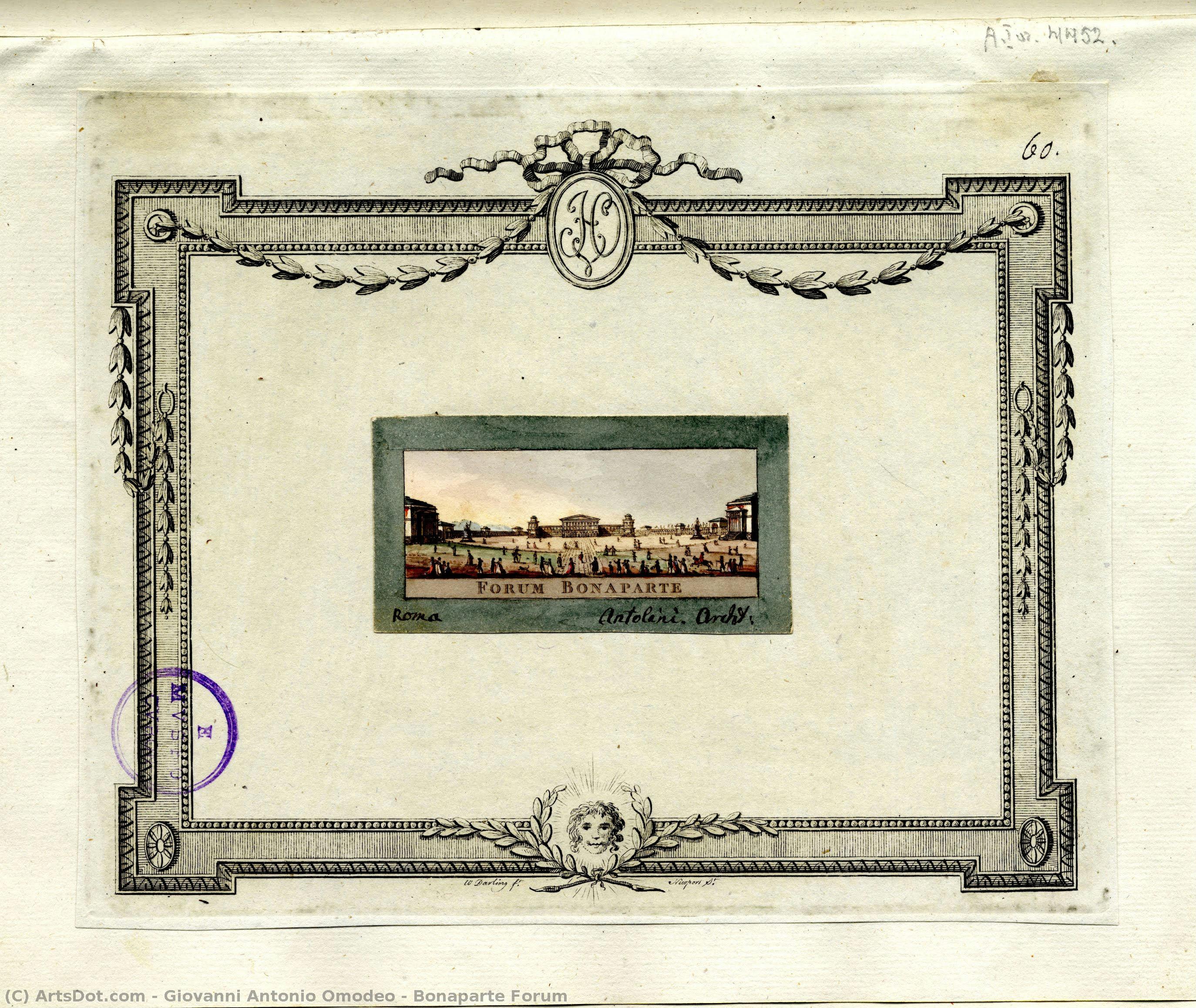
Bonaparte Forum
 Renaissance
 1700
1700- Renaissance
 4.0 x 8.0 cm
 Art Museum Riga Bourse
 Ver mais
Reprodução em Óleo Feita à Mão
Óleo sobre tela pintado à mão no seu tamanho e moldura, feito sob encomenda pelos nossos artistas. ( Encomendar impressão Comprar imagem em alta resolução)




P118B $10

P118H $10

P118W $10

P438Z $10

P508JH $12

P508YH $12

P805H $10

P805Z $10

P919BZ $10

P919G $10

P919XJ $10

P959ZH $10

P968JZ $12

W106C $8

W218G $10

W218JH $8

W218Y $10

W307PJ $10

W316G $10

W316PJ $8

W316Y $10

W398PJ $8

W4111J $10

W500HY $15

W500JH $15

W692G $12

W849H $8

W940BG $15

W953PJ $8




Escolha entre os nossos tamanhos pré-definidos que respeitam as proporções originais da obra de arte.

Pode inserir as suas próprias dimensões para se adequar a uma moldura ou espaço específico. Se o tamanho selecionado não corresponder às proporções da imagem original, iremos cortar a obra de arte ou estender a pintura com elementos adicionais pintados à mão. Um esboço digital será enviado para sua aprovação antes do início da produção.
Tenha em atenção que a pré-visualização no ecrã não reflete o corte ou extensão real. Apenas o esboço mostrará com precisão a composição final.
Embora tamanhos personalizados estejam disponíveis, recomendamos selecionar uma dimensão da lista predefinida para preservar as proporções originais.
Após o pedido, a equipa OriginalUniqueArt.com enviará um e-mail ao cliente para solicitar instruções e fornecer uma prévia do esboço.
Entrega mundial () em 3 a 4 semanas, em vez das 5 semanas padrão. (18 Agosto). Sem comprometer a qualidade.

Envio Expresso Gratuito para todo o Mundo

Tela de Linho Premium

Seguro de transporte total

Garantia de Reembolso de Impostos Alfandegários

Garantia de Fidelidade de Cor

Política de Devolução de 60 Dias (Apenas para Defeitos)

Garantia de reembolso de 100%

Desconto para múltiplas unidades
 A opção de vidro está disponível apenas para tamanhos inferiores a 110 cm

Bonaparte Forum
Técnica de Reprodução
Dimensões da Reprodução
-


Preço Total
$ 300
Descrição da Obra
A Window into the Renaissance Soul
In the delicate expanse of Bonaparte Forum, we are invited to step through a temporal portal into a world where the grandeur of architecture meets the rhythmic pulse of urban life. This exquisite work by the Italian master Giovanni Antonio Omodeo serves as more than just a depiction of a cityscape; it is a profound meditation on the vitality of human presence within the structured permanence of stone and spire. The painting captures a bustling, lively environment, where the soaring heights of a central church-like structure command the viewer's gaze, acting as an anchor for the swirling energy of the streets below. Through Omodeo’s masterful hand, the scene breathes with a sense of movement, as figures drift through the composition like notes in a visual symphony, creating a tapestry of life that feels both monumental and intimately human.
The technique employed in this piece reflects the meticulous brilliance of the High Renaissance. Omodeo utilizes a sophisticated command of perspective to draw the eye deep into the heart of the forum, creating an illusionary depth that makes the miniature scale feel infinitely expansive. His brushwork, though subtle, imparts a vibrant texture to the sky and the stone surfaces, while the strategic placement of light and shadow lends a sculptural quality to the architecture. Even the smallest details—the delicate silhouettes of birds gliding through the heavens—contribute to a sense of atmospheric realism that was revolutionary for its time. This mastery of composition ensures that every element, from the foreground figures to the distant architectural flourishes, works in harmony to evoke a feeling of awe and discovery.
For the discerning collector or interior designer, Bonaparte Forum offers an unparalleled opportunity to introduce a sense of historical prestige and intellectual depth into a curated space. The painting’s ability to balance the heavy, enduring presence of classical architecture with the ephemeral, fleeting nature of daily life makes it a versatile centerpiece for any sophisticated decor. Whether placed in a sunlit gallery or a moody, library-inspired study, this reproduction brings with it an aura of timeless elegance. It is not merely a decorative object but a conversation piece that invites contemplation on the enduring legacy of the Italian Renaissance and the eternal dance between humanity and the environments we build.
Biografia do Artista
The Visionary Spirit of Giovanni Antonio Omodeo
In the golden twilight of the Italian Renaissance, a period defined by the profound intersection of humanism and divine grace, the name Giovanni Antonio Omodeo emerges as a testament to the era's boundless creativity. Often identified interchangeably with his surname Amadeo, this master was far more than a mere practitioner of the arts; he was a painter, sculptor, and architect whose work breathed life into the stone and canvas of Northern Italy. Born near the historic city of Pavia around 1447, Omodeo’s early years were steeped in the rigorous traditions of the Lombard Renaissance. His journey began not with the soft strokes of a brush, but with the tactile discipline of sculpture, working alongside his brother Protasio at the prestigious Certosa near Pavia. This foundational engagement with marble and physical form would later inform the sculptural depth and structural integrity found in his most celebrated paintings.
The evolution of Omodeo’s artistic language was profoundly shaped by the giants of his age. His apprenticeship under the legendary Andrea Mantegna in Mantua provided him with a masterclass in linear perspective and an uncompromising devotion to anatomical precision. From Mantegna, he inherited a fascination with classical antiquity and a technique that allowed for a meticulous rendering of detail. As his career progressed, Omodeable’s trajectory led him toward the vibrant atmosphere of Venice, where the influence of Giovanni Bellini introduced a new dimension to his palette. This period marked a transformative shift from the rigid, disciplined lines of his early training toward a more luminous and atmospheric approach. The blending of Mantegna's structural rigor with Bellini’s soft, emotive light allowed Omodeo to develop a style that was uniquely his own—a fusion of Lombard strength and Venetian grace.
A Tapestry of Color and Motion
To observe an Omodeo composition is to witness a rhythmic dance of light and shadow. His mature works are characterized by an exuberant depiction of the human figure, where drapery does not merely clothe the subject but acts as a dynamic participant in the narrative. He possessed a singular ability to utilize bold color palettes and swirling, energetic lines to convey deep psychological tension and movement. Whether he was capturing the solemnity of a religious icon or the playful innocence of scenes like 'Playing Children,' his hand remained distinctly expressive. His technique often involved treating surfaces with a certain flatness that emphasized pattern and design, yet he simultaneously mastered the art of creating illusionary depth through sophisticated perspective, drawing the viewer’s eye into expansive, bustling environments.
Beyond the canvas, Omodeo's contributions to the architectural and sculptural landscape of Italy were equally significant. His work in Milan, Bergamo, and Cremona showcased a mastery of relief and form that echoed the monumental spirit of his time. He was known for:
- Architectural Integration: Designing spaces where the grandeur of stone met the rhythmic pulse of urban life.
- Sculptural Precision: Utilizing deep cuts in marble to create dramatic, cartaceous folds in drapery that heightened the emotional impact of his subjects.
- Narrative Depth: Creating works like the Bonaparte Forum, which serve as meditations on the vitality of human presence within structured permanence.
Legacy and Historical Resonance
Though history occasionally places him in the shadow of titans such as Titian or Tintoretto, the historical significance of Giovanni Antonio Omodeo remains undiminable. He represents a vital bridge between the disciplined, classical revival of the mid-15th century and the more fluid, emotive complexities of Mannerism. His ability to navigate the diverse artistic currents of Lombardy and Venice allowed him to create a body of work that is both intellectually profound and viscerally engaging. Today, his legacy lives on in the museums and cathedrals of Italy, reminding us of a period when art was a profound meditation on the soul, capturing the eternal struggle between the permanence of stone and the fleeting beauty of human emotion.

giovanni antonio omodeo
1447 - 1522 , Italy
Informações Rápidas
- Artistic Movement Or Style: Venetian Art
- Date Of Birth: ca. 1447
- Full Name: Giovanni Antonio Omodeo
- Nationality: Italian
- Notable Artworks: ['Playing Children']
- Place Of Birth: Pavia, Italy
Artigos Relacionados
From Walls to Galleries: The Bold Evolution of Street Art and Its Rise into High-End Collectibles
Explore the captivating journey of street art from urban walls to prestigious galleries. Discover how contemporary graffiti has evolved into a high-end collectible movement, redefining modern interior design and global art culture.
Concrete Narratives: Exploring Urban Life in Modern & Contemporary Art
Explore the evolution of cityscape painting with OriginalUniqueArt. Discover key artists from Realism to contemporary movements & invest in timeless urban visions. Expert guidance, museum-quality reproductions.

Concrete Visions: Exploring the Urban Landscape in Painting – From Realism to Contemporary Art
Explore the evolution of cityscape painting from Realism to contemporary art with OriginalUniqueArt. Discover key artists & invest in timeless urban visions. Expert guidance, museum-quality reproductions.
Urban Visions: A Historical & Artistic Exploration of the Cityscape in Painting
Explore the evolution of cityscape painting from historical maps to Impressionist masterpieces. Discover artists like Caillebotte & Utrillo. Find museum-quality reproductions at OriginalUniqueArt.
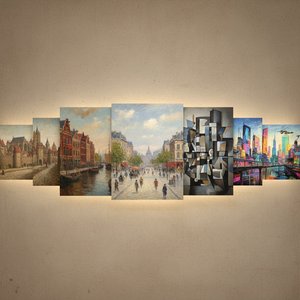
Urban Visions: A Historical & Artistic Exploration of the Cityscape in Painting
Explore the evolution of cityscape painting from historical maps to Impressionist masterpieces. Discover artists like Caillebotte, Utrillo & Matsumoto Shunsuke. Find museum-quality reproductions at OriginalUniqueArt.

