

 Visualizar em escala
 Enviar
 Compartilhar
 Ver detalhes
 Guia
Guia

 Baixar imagem
 Semelhantes
 Raio X
 Apresentação de slides
 Estatísticas
The Piazza San Marco


 Ver mais
Giclée / Impressão de Arte
Impressão giclée ou em tela de qualidade de museu, com produção rápida e opções flexíveis de acabamento. ( Encomendar reprodução pintada à mão Ver Imagem Digital)




P118B $10

P118H $10

P118W $10

P438Z $10

P508JH $12

P508YH $12

P805H $10

P805Z $10

P919BZ $10

P919G $10

P919XJ $10

P959ZH $10

P968JZ $12

W106C $8

W218G $10

W218JH $8

W218Y $10

W307PJ $10

W316G $10

W316PJ $8

W316Y $10

W398PJ $8

W4111J $10

W500HY $15

W500JH $15

W692G $12

W849H $8

W940BG $15

W953PJ $8




Escolha entre os nossos tamanhos pré-definidos que respeitam as proporções originais da obra de arte.

Você pode inserir suas próprias dimensões para se ajustar a uma moldura ou espaço específico. Se o tamanho selecionado não corresponder às proporções da imagem original, iremos recortar a obra de arte ou estender a imagem com uma borda espelhada ou preenchimento sólido. Um mockup digital será enviado para sua aprovação antes do início da produção.
Por favor, observe que a visualização na tela não reflete o recorte ou a extensão real. Apenas o mockup mostrará com precisão a composição final.
Embora tamanhos personalizados estejam disponíveis, recomendamos selecionar uma dimensão da lista predefinida para preservar as proporções originais.
Entrega mundial () em 2 semanas, em vez das 4/5 semanas padrão. (21 Setembro)

Envio expresso gratuito para todo o mundo

Tela de Linho Premium

Seguro de transporte total

Garantia de Reembolso de Impostos Alfandegários

Garantia de Fidelidade de Cor

Política de Devolução em 100 Dias (Apenas para Defeitos)

Garantia de reembolso de 100%

Desconto para múltiplas unidades
 A opção de vidro está disponível apenas para tamanhos inferiores a 110 cm

The Piazza San Marco
Giclée / Impressão de Arte
Dimensões da Reprodução
-


Preço Total
$ 80
Giovanni Antonio Canaletto: A Venetian Master of Light, Space & Societal Observation
Giovanni Antonio Canaletto, commonly known as Canaletto, stands as one of the most celebrated artists of the Baroque era and arguably the quintessential chronicler of Venice during its golden age. Born in 1697 in Venice itself—the son of Bernardo Canal, a painter specializing in theatrical scenery—his artistic journey began under his father’s tutelage, immersing him in the foundational principles of Venetian painting. This formative experience profoundly shaped his distinctive style: Canaletto's meticulous topographical approach would solidify his reputation as an unparalleled observer and recorder of urban life, earning him admiration from connoisseurs across Europe.- Early Training & Influences: Canaletto’s initial artistic education centered around mastering the techniques of theatrical scene painting—a skill that instilled in him a keen eye for perspective and composition. Crucially, he studied alongside Luca Carlevarijs, a respected Venetian vedutist who championed the use of camera obscura projections to achieve astonishing accuracy in capturing atmospheric effects and architectural details.
- The Veduta Style: Canaletto’s signature style—the veduta (“view”)—became synonymous with Venice during his lifetime. Unlike many artists of the time who idealized landscapes or focused on portraiture, Canaletto dedicated himself to documenting the city's physical environment with breathtaking realism. He employed a technique honed through years of experimentation using the camera obscura, a darkened room equipped with a lens that projects an inverted image of the outside world onto a surface—allowing him to faithfully reproduce buildings and streets as they appeared in daylight.
- Notable Works & Collaborations: Among Canaletto’s most iconic creations are “The Stonemason’s Yard” (c. 1725), showcasing his early mastery of perspective and capturing the bustling activity of a Venetian workshop, and “Regatta on the Grand Canal,” which vividly portrays a public ceremonial event—a testament to Canaletto's ability to convey both visual splendor and social nuance. His collaboration with his nephew Bellotto further enriched his artistic output, resulting in panoramic views of Augsburg and Berlin that cemented his legacy as a master of landscape painting.
Technique & Materials: Capturing Venice’s Essence
Canaletto's meticulous approach to painting demanded exceptional skill and patience. He utilized oil paints on canvas—a medium favored by Venetian artists for its ability to achieve luminous colors and subtle tonal gradations. The camera obscura played a pivotal role in his process, projecting an inverted image onto paper which he then transferred onto the canvas with charcoal sketches. This painstaking method ensured that every building façade, cobblestone street, and ripple of water was rendered with astonishing precision—creating images that transcend mere representation to embody the spirit of Venice itself. Canaletto’s palette favored muted tones—primarily ochres, siennas, and whites—allowing him to faithfully reproduce the natural light conditions prevalent in Venetian squares and canals.Historical Context & Societal Significance
Canaletto's artistic output coincided with the Enlightenment, a period marked by intellectual curiosity and scientific inquiry. Yet, Canaletto’s art wasn’t driven solely by rational observation; it possessed an undeniable emotional resonance—capturing not only the physical appearance of Venice but also its social atmosphere and cultural traditions. His paintings served as invaluable records of Venetian life during the reigns of Louis XIV and George II, documenting architectural developments, ceremonial processions, and daily routines with remarkable detail. Canaletto’s work profoundly influenced subsequent generations of artists, establishing a precedent for topographical painting that continues to inspire creativity today.Symbolism & Artistic Legacy
Beyond its technical brilliance, Canaletto's art embodies profound symbolic meaning. The camera obscura itself represented an embrace of scientific innovation—a conscious effort to reconcile artistic vision with empirical observation. Furthermore, Canaletto’s depictions of Venetian squares and canals conveyed a sense of grandeur and civic pride—reflecting the city’s status as a center of commerce, diplomacy, and cultural prestige. His legacy extends far beyond his individual paintings; Canaletto established a stylistic tradition that continues to resonate in contemporary art—demonstrating the enduring power of observation and artistic skill to capture the beauty and complexity of human experience.Biografia do Artista
Giovanni Antonio Canal: The Master of Venetian Light and Shadow
Born in the heart of Venice on October 18, 1697, Giovanni Antonio Canal – better known as Canaletto – emerged from a lineage steeped in artistic tradition. His father, Bernardo Canal, was a respected scene painter for theatrical productions, instilling in young Giovanni an early appreciation for composition and visual storytelling. This foundation, combined with the influence of his mother, Artemisia Barbieri, a talented artist herself, laid the groundwork for a career that would forever capture the essence of Venetian life and its captivating atmosphere. Canaletto’s artistic journey began not with grand palaces or historical events, but with the humble world of theatrical scenery – a demanding apprenticeship that honed his observational skills and understanding of perspective, crucial elements in his later success.
In 1718, seeking further refinement, Canaletto embarked on a transformative period in Rome. Here, he immersed himself in the works of Luca Carlevaris, a renowned topographical painter known for his meticulous depictions of Roman ruins and monuments. This encounter proved pivotal, exposing Canaletto to the principles of accurate representation and the art of capturing architectural detail with remarkable precision. He spent years meticulously sketching ancient structures, absorbing the techniques of perspective and mastering the subtle nuances of light and shadow – skills that would later define his unique style.
The Rise of a Veduta Painter
Returning to Venice in 1725, Canaletto swiftly established himself as a leading artist specializing in *vedute* – Italian for “views.” Unlike the grand historical paintings popular at the time, *vedute* focused on capturing the everyday realities of urban life. Canaletto’s canvases became windows into the bustling streets, vibrant markets, and elegant squares of his beloved city. He wasn't merely recording scenes; he was translating them onto canvas with a remarkable sensitivity to light, color, and atmosphere. His early works, such as “The Stonemason’s Yard” (circa 1725), demonstrate this skill perfectly – a vibrant snapshot of daily life brimming with detail and imbued with a palpable sense of energy.
Canaletto's artistic vision extended beyond the confines of Venice. In 1746, he journeyed to England, invited by Joseph Smith, a prominent British merchant who recognized Canaletto’s talent and commissioned numerous paintings of London landmarks. This period marked a significant shift in his style, as he adapted his techniques to capture the grandeur of English architecture and landscapes. Works like “Eton College” (1746-1756) showcase his ability to translate Venetian sensibilities into a distinctly British aesthetic, while retaining his signature meticulousness and atmospheric depth.
Technique and Innovation
Canaletto’s artistic approach was characterized by an extraordinary blend of observation, technical skill, and innovative techniques. While the question of whether he employed a camera obscura to aid in his topographical accuracy remains debated among scholars, there's no doubt that Canaletto possessed an unparalleled ability to capture perspective and create convincing illusions of depth. His preparatory drawings were legendary for their detail and precision, serving as invaluable guides for his finished paintings. He was a master of light and shadow, skillfully manipulating color and tone to evoke the mood and atmosphere of each scene. His use of layering and glazing created a luminous quality that is instantly recognizable in his work.
Legacy and Influence
Canaletto’s impact on art history is profound. He elevated the *veduta* genre to new heights, establishing it as a respected form of landscape painting. His meticulous depictions of Venice served as models for generations of artists, influencing not only painters but also printmakers who sought to reproduce his captivating views. His work can be found in prestigious collections worldwide, including the National Gallery in London and the Palazzo Ducale in Venice. Canaletto’s legacy extends beyond individual artworks; he represents a pivotal moment in the development of topographical painting, demonstrating how art could simultaneously document reality and capture its essence with remarkable beauty and skill. His paintings continue to enchant viewers today, offering a timeless glimpse into the vibrant heart of Venice and the artistic genius of Giovanni Antonio Canal.
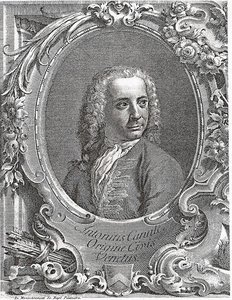
Canaletto
1697 - 1768 , Itália
Informações Rápidas
- Artistic Movement Or Style: Vedute Veneza
- Artists Or Movements Influenced By This Artist: ['Tintoretto']
- Artists Who Influenced This Artist: ['Luca Carlevaris']
- Date Of Birth: 18 de outubro de 1697
- Date Of Death: 19 de abril de 1768
- Full Name: Giovanni Antonio Canal
- Nationality: Italiano
- Notable Artworks:
- Estalagem da Pedra
- Regata no Canal Grande
- Eton College
- Place Of Birth: Veneza, Itália
Artigos Relacionados

Street Vibes & Urban Motion: The Ultimate Trend Guide to Bold Pop Art and Street Style Aesthetics
Discover the pulse of urban culture with our guide to Street Vibes & Urban Motion. Explore high-impact Pop Art, bold street aesthetics, and trend-driven decor to transform your space into a dynamic gallery of contemporary motion and color.

Barroco Brasileiro: Opulência e Emoção para Interiores Contemporâneos
Descubra como o Barroco brasileiro pode transformar seus interiores! Explore a história, elementos-chave e dicas para integrar este estilo luxuoso e cheio de emoção em sua casa.
Jacopo Tintoretto: As 25 Obras-Primas do Mestre da Luz e Drama | OriginalUniqueArt
Descubra as 25 obras-primas de Jacopo Tintoretto, o mestre veneziano do Renascimento! Explore a história, técnica e emoção por trás de pinturas icônicas como 'O Milagre de São Marcos'. Encontre reproduções de arte exclusivas para decorar sua casa com OriginalUniqueArt.com.

Giovanni Antonio Canal (Canaletto): A Venetian Master of Light, Space & Societal Observation
Explore the life & art of Giovanni Antonio Canal (Canaletto), a Venetian master renowned for his breathtaking cityscapes. Discover his techniques, legacy, and captivating depictions of 18th-century Venice & London.
Bernardo Bellotto: Canaletto's Nephew & Master of Veduta Painting – A Comprehensive Exploration
Explore the life & art of Bernardo Bellotto, Canaletto’s nephew and a master of veduta painting. Discover his stunning cityscapes of Dresden & Warsaw, artistic techniques, and lasting legacy. Expert insights for collectors.


