

 Visualizar em escala
 Enviar
 Compartilhar
 Ver detalhes
 Guia
Guia

 Baixar imagem
 Semelhantes
 Raio X
 Apresentação de slides
 Estatísticas
Camera obscura


 Ver mais
Adquira uma imagem digital de alta resolução e aprimorada, muito superior à prévia online.
Cada arquivo é meticulosamente preparado por nossos especialistas internos, utilizando ferramentas avançadas e retoques manuais de alta precisão. Garantimos que cada imagem apresente clareza excepcional, fidelidade de cores e detalhes minuciosos.
O arquivo final é entregue por e-mail em até 72 horas, otimizado para uso imediato em ambientes profissionais, editoriais e de impressão. Esta é a mesma qualidade utilizada por estúdios de design de alto nível, editoras e galerias.
Imagem Digital
Baixe um arquivo de alta resolução para exibição pessoal, impressão e projetos criativos. ( Alternar para Impressão Encomendar reprodução pintada à mão)
Incluído em cada pedido de imagem digital
Entrega Digital Especializada e Garantida
Ao escolher o OriginalUniqueArt.com, você não está apenas adquirindo uma imagem — você está recebendo uma obra de arte digital profissionalmente aprimorada, elaborada com precisão e com garantia de satisfação. Aqui está tudo o que acompanha seu pedido, automaticamente:

Entrega rápida por e-mail
O seu arquivo de imagem digital em alta resolução será enviado por e-mail em até 72 horas após o pedido — pronto para uso imediato.

Arquivo Digital com IA Otimizado
Sua obra de arte é otimizada profissionalmente por meio de ferramentas avançadas de IA e edição manual, garantindo o máximo de detalhes, clareza e precisão de cores.

Reenvio gratuito vitalício
Apagou ou perdeu o seu ficheiro acidentalmente? Não se preocupe – nós reenviamos para si a qualquer momento, gratuitamente.

Sem Taxas de Importação - Sempre
Desfrute da sua obra de arte instantaneamente, sem taxas alfandegárias, impostos ou custos de entrega — downloads digitais são sempre isentos de taxas.

Garantia de Precisão de Cores
Garantimos que sua imagem digital reflita as cores originais com a maior fidelidade possível, utilizando ferramentas profissionais e gerenciamento de cores.

Garantia de satisfação de 100 dias
Se não estiver satisfeito com a sua imagem digital, nós a revisaremos ou reembolsaremos 100% dentro de 100 dias — sem perguntas.

Garantia de Reembolso 100%
Não está satisfeito? Receba o reembolso total em até 100 dias após o recebimento do seu arquivo digital — sem perguntas.

Descontos para pedidos em lote
Compre 3 imagens, economize 10% - Compre 5, economize 15% - Compre 10+, economize 20%. Ideal para projetos criativos, galerias e agências.
A Sculptural Echo of Light and Vision
Canaletto’s “Camera Obscura,” a meticulously crafted wooden device dating back to around 1700, isn't merely a reproduction; it’s a tangible embodiment of the revolutionary vision that shaped his artistic practice. This intimate sculpture, presented against a stark black backdrop, immediately draws the eye, inviting us into a world where light and shadow dance in harmonious collaboration. The piece speaks volumes about Canaletto’s innovative approach to capturing reality – an approach deeply rooted in observation and a fascination with the mechanics of vision itself. The geometric precision of the boxy structure, constructed from carefully joined wooden panels, suggests both the artist's meticulousness and a profound understanding of spatial relationships. It’s not simply a representation of a camera obscura; it *is* the camera obscura, distilled into its essential form.
- Material & Construction: The use of wood – likely stained or varnished to preserve its beauty – speaks to Canaletto's appreciation for tactile quality and enduring craftsmanship. The intricate joinery hints at a deliberate process, reflecting the artist’s careful attention to detail.
- Form & Composition: The vertical orientation emphasizes the height and solidity of the device, creating a sense of direct engagement with the viewer. Lines dominate – sharp, clean lines defining the boxy structure, contrasting with the subtle texture of the wood grain.
- Symbolic Weight: The camera obscura itself represents a pivotal moment in art history—a precursor to photography and a testament to Canaletto’s pioneering spirit. It embodies the pursuit of accurate representation, challenging traditional methods and opening new avenues for artistic expression.
Unlocking the Secrets of Early Photography
Canaletto's fascination with the camera obscura wasn't simply an aesthetic curiosity; it was a deeply practical investigation into how light and shadow create images. The inscription on the device – “A Camera Obscura” – provides a crucial clue, revealing that this object belonged to the Venetian master himself. This discovery dramatically shifts our understanding of Canaletto’s process: he didn't just paint what he saw; he actively *observed* how light transformed his surroundings into visual forms. Research suggests that Canaletto utilized the camera obscura as a tool for sketching, meticulously documenting architectural details and urban landscapes with unprecedented accuracy. The device allowed him to capture perspective and spatial relationships with remarkable precision – a skill that profoundly influenced his later paintings.
Historical Context:The invention of the camera obscura in the 16th century marked a watershed moment in art history. Initially used as a scientific instrument for astronomical observation, it quickly gained popularity among artists seeking to improve their draftsmanship and understand perspective. Canaletto’s embrace of this technology demonstrates his commitment to innovation and his desire to push the boundaries of artistic representation.
A Window into Venice: The Artist's Process
The “Camera Obscura” offers a rare glimpse into Canaletto’s working methods. It’s believed that he used this device not just for sketching, but also as a means of studying light and shadow—analyzing how they interacted with buildings and streets to create the illusion of depth and volume. The resulting drawings were then translated into his celebrated paintings, imbuing them with an extraordinary sense of realism and atmospheric detail. The meticulousness evident in the camera obscura’s construction mirrors the painstaking care Canaletto invested in every brushstroke of his finished works. It's a testament to his dedication to capturing not just appearances, but also the very essence of Venice.
Recreating a Masterpiece: A Reproduction for Today
Reproducing Canaletto’s “Camera Obscura” is more than simply creating a copy; it’s about preserving a vital piece of art history and celebrating the ingenuity of one of Venice's greatest artists. The resulting reproduction captures not only the physical form of the device but also its symbolic significance—a reminder of the enduring power of observation, innovation, and the pursuit of accurate representation. This meticulously crafted replica serves as a tangible link to the 18th century, inviting viewers to contemplate the origins of photography and appreciate Canaletto’s pioneering legacy.
Biografia do Artista
Giovanni Antonio Canal: The Master of Venetian Light and Shadow
Born in the heart of Venice on October 18, 1697, Giovanni Antonio Canal – better known as Canaletto – emerged from a lineage steeped in artistic tradition. His father, Bernardo Canal, was a respected scene painter for theatrical productions, instilling in young Giovanni an early appreciation for composition and visual storytelling. This foundation, combined with the influence of his mother, Artemisia Barbieri, a talented artist herself, laid the groundwork for a career that would forever capture the essence of Venetian life and its captivating atmosphere. Canaletto’s artistic journey began not with grand palaces or historical events, but with the humble world of theatrical scenery – a demanding apprenticeship that honed his observational skills and understanding of perspective, crucial elements in his later success.
In 1718, seeking further refinement, Canaletto embarked on a transformative period in Rome. Here, he immersed himself in the works of Luca Carlevaris, a renowned topographical painter known for his meticulous depictions of Roman ruins and monuments. This encounter proved pivotal, exposing Canaletto to the principles of accurate representation and the art of capturing architectural detail with remarkable precision. He spent years meticulously sketching ancient structures, absorbing the techniques of perspective and mastering the subtle nuances of light and shadow – skills that would later define his unique style.
The Rise of a Veduta Painter
Returning to Venice in 1725, Canaletto swiftly established himself as a leading artist specializing in *vedute* – Italian for “views.” Unlike the grand historical paintings popular at the time, *vedute* focused on capturing the everyday realities of urban life. Canaletto’s canvases became windows into the bustling streets, vibrant markets, and elegant squares of his beloved city. He wasn't merely recording scenes; he was translating them onto canvas with a remarkable sensitivity to light, color, and atmosphere. His early works, such as “The Stonemason’s Yard” (circa 1725), demonstrate this skill perfectly – a vibrant snapshot of daily life brimming with detail and imbued with a palpable sense of energy.
Canaletto's artistic vision extended beyond the confines of Venice. In 1746, he journeyed to England, invited by Joseph Smith, a prominent British merchant who recognized Canaletto’s talent and commissioned numerous paintings of London landmarks. This period marked a significant shift in his style, as he adapted his techniques to capture the grandeur of English architecture and landscapes. Works like “Eton College” (1746-1756) showcase his ability to translate Venetian sensibilities into a distinctly British aesthetic, while retaining his signature meticulousness and atmospheric depth.
Technique and Innovation
Canaletto’s artistic approach was characterized by an extraordinary blend of observation, technical skill, and innovative techniques. While the question of whether he employed a camera obscura to aid in his topographical accuracy remains debated among scholars, there's no doubt that Canaletto possessed an unparalleled ability to capture perspective and create convincing illusions of depth. His preparatory drawings were legendary for their detail and precision, serving as invaluable guides for his finished paintings. He was a master of light and shadow, skillfully manipulating color and tone to evoke the mood and atmosphere of each scene. His use of layering and glazing created a luminous quality that is instantly recognizable in his work.
Legacy and Influence
Canaletto’s impact on art history is profound. He elevated the *veduta* genre to new heights, establishing it as a respected form of landscape painting. His meticulous depictions of Venice served as models for generations of artists, influencing not only painters but also printmakers who sought to reproduce his captivating views. His work can be found in prestigious collections worldwide, including the National Gallery in London and the Palazzo Ducale in Venice. Canaletto’s legacy extends beyond individual artworks; he represents a pivotal moment in the development of topographical painting, demonstrating how art could simultaneously document reality and capture its essence with remarkable beauty and skill. His paintings continue to enchant viewers today, offering a timeless glimpse into the vibrant heart of Venice and the artistic genius of Giovanni Antonio Canal.
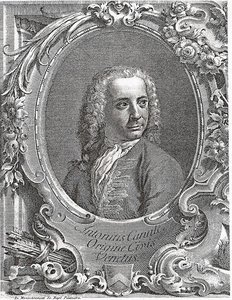
Canaletto
1697 - 1768 , Itália
Informações Rápidas
- Artistic Movement Or Style: Vedute Veneza
- Artists Or Movements Influenced By This Artist: ['Tintoretto']
- Artists Who Influenced This Artist: ['Luca Carlevaris']
- Date Of Birth: 18 de outubro de 1697
- Date Of Death: 19 de abril de 1768
- Full Name: Giovanni Antonio Canal
- Nationality: Italiano
- Notable Artworks:
- Estalagem da Pedra
- Regata no Canal Grande
- Eton College
- Place Of Birth: Veneza, Itália