Visualizar em escala
 Enviar
 Compartilhar
 Ver detalhes

 Baixar imagem
 Semelhantes
 Raio X
 Apresentação de slides
 Estatísticas
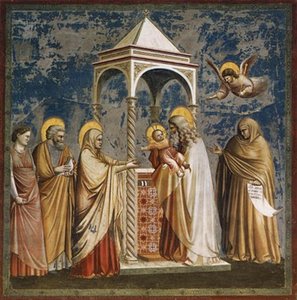
Sonho de Inocentes III


 Ver mais
Giclée / Impressão de Arte
Impressão giclée ou em tela de qualidade de museu, com produção rápida e opções flexíveis de acabamento. ( Encomendar reprodução pintada à mão Ver Imagem Digital)




P118B $10

P118H $10

P118W $10

P438Z $10

P508JH $12

P508YH $12

P805H $10

P805Z $10

P919BZ $10

P919G $10

P919XJ $10

P959ZH $10

P968JZ $12

W106C $8

W218G $10

W218JH $8

W218Y $10

W307PJ $10

W316G $10

W316PJ $8

W316Y $10

W398PJ $8

W4111J $10

W500HY $15

W500JH $15

W692G $12

W849H $8

W940BG $15

W953PJ $8




Escolha entre os nossos tamanhos pré-definidos que respeitam as proporções originais da obra de arte.

Você pode inserir suas próprias dimensões para se ajustar a uma moldura ou espaço específico. Se o tamanho selecionado não corresponder às proporções da imagem original, iremos recortar a obra de arte ou estender a imagem com uma borda espelhada ou preenchimento sólido. Um mockup digital será enviado para sua aprovação antes do início da produção.
Por favor, observe que a visualização na tela não reflete o recorte ou a extensão real. Apenas o mockup mostrará com precisão a composição final.
Embora tamanhos personalizados estejam disponíveis, recomendamos selecionar uma dimensão da lista predefinida para preservar as proporções originais.
Entrega mundial () em 2 semanas, em vez das 4/5 semanas padrão. (17 Setembro)

Envio expresso gratuito para todo o mundo

Tela de Linho Premium

Seguro de transporte total

Garantia de Reembolso de Impostos Alfandegários

Garantia de Fidelidade de Cor

Política de Devolução em 100 Dias (Apenas para Defeitos)

Garantia de reembolso de 100%

Desconto para múltiplas unidades
 A opção de vidro está disponível apenas para tamanhos inferiores a 110 cm

Sonho de Inocentes III
Giclée / Impressão de Arte
Dimensões da Reprodução
-


Preço Total
$ 80
The Dream of Innocent III: A Glimpse into Papal Vision
Giotto di Bondone’s Dream of Innocent III, painted between 1297 and 1299 within the Basilica of Saint Francis of Assisi, transcends the boundaries of a mere fresco; it is a profound meditation on divine guidance, the very nature of papal authority, and the intricate dance between reality and perception. This remarkable work, an integral part of the larger Legend of St. Francis series, offers a rare and intimate window into the mind of Pope Innocent III – a figure simultaneously revered for his piety and intensely debated for his political maneuvering – revealing Giotto’s masterful evolution towards the proto-Renaissance style that would irrevocably reshape Western art.
The scene unfolds with an arresting intimacy: Pope Innocent III, rendered with an unprecedented degree of realism for his time, is depicted reclining upon a bed, his head nestled against a delicate pillow. This immediate posture signals a state of sleep or reverie, yet surrounding him swirls a vibrant tableau of figures engaged in animated conversation and gestures – advisors, monks, and perhaps even angelic messengers. Giotto doesn’t present a static depiction; instead, he has captured a moment of intense internal dialogue, a dreamscape where the lines between the tangible world and the realm of visions blur with captivating fluidity. The composition is meticulously balanced, drawing the viewer's eye directly to the central figure while simultaneously immersing them within the bustling activity that surrounds him – a dynamic interplay of earthly concerns and divine inspiration.
Proto-Renaissance Innovation: Giotto’s Human Touch
Giotto’s genius lies not solely in his technical prowess—though undeniably impressive—but fundamentally in his revolutionary approach to portraying human emotion and spatial depth. The fresco exemplifies a crucial shift away from the stylized, flattened figures characteristic of Byzantine art, which profoundly influenced Giotto's early training under Cimabue. Here, we witness a nascent naturalism; the faces are imbued with expressive power, conveying a spectrum of emotions – concern, contemplation, perhaps even amusement – and the drapery flows with convincing volume, suggesting weight and movement. The architectural setting, while simplified, possesses a tangible sense of space, grounding the dreamlike scene within a recognizable reality. Giotto masterfully utilizes light and shadow to create depth, moving beyond the flat, uniform illumination typical of earlier frescoes.
Notably, Giotto employs a vibrant palette dominated by rich reds and golds – colors frequently associated with royalty, divinity, and spiritual significance – juxtaposed against cooler blues and greens. This dynamic visual contrast further enhances the sense of movement and drama within the scene, creating an atmosphere that is both captivating and deeply symbolic. The meticulous detail in rendering textures—the folds of fabric, the rough surfaces of the bed, the intricate patterns adorning the clothing—testifies to Giotto’s unwavering dedication to capturing the sensory experience of the world with remarkable accuracy. He doesn't merely paint; he evokes.
Symbolism and Papal Authority
The Dream of Innocent III is laden with layers of symbolic meaning, functioning as a complex theological statement about the nature of papal authority and the importance of divine guidance. The dream itself represents a profound revelation – a moment when the Pope receives direct insight from God. The figures surrounding him are not simply advisors; they embody various facets of papal power—justice, faith, wisdom, and even earthly influence. The presence of birds, frequently associated with prophecy and divine messengers, reinforces this theme, adding an element of ethereal grace to the scene. Furthermore, Innocent III’s reclining posture suggests a vulnerability, a recognition that even the most powerful figure relies on spiritual insight for effective leadership – a subtle yet potent reminder of humanity's dependence on the divine.
The inclusion of elements like the tower of the Lateran Basilica in the background subtly references the Pope’s role as protector of Rome and the Catholic Church, anchoring the dream within the context of his earthly responsibilities. The fresco, therefore, functions not just as a narrative illustration but as a carefully constructed visual argument about the legitimacy and importance of papal authority – a testament to Giotto's ability to seamlessly blend religious symbolism with realistic representation.
A Legacy in Reproduction
OriginalUniqueArt offers meticulously crafted hand-painted reproductions of Giotto’s Dream of Innocent III, allowing you to bring this extraordinary masterpiece into your home or office. Our artists recreate the fresco's vibrant colors, nuanced details, and emotional depth with unparalleled skill, ensuring that every reproduction captures the essence of Giotto’s revolutionary vision. These reproductions are not mere copies; they are faithful interpretations, imbued with the same spirit and artistry as the original. Explore our collection today and experience the power and beauty of this iconic work of art – a window into the soul of a pope and the genius of a master.
View the full artwork details here
Photo Description: The painting is a depiction of a man in a bed with his head on the pillow. The man appears to be sleeping or resting. There are two other people standing nearby, one on the left side and another on the right side of the image. In addition to the main scene, there are several birds scattered throughout the painting. Some birds can be seen in the upper part of the image, while others are located near the bottom. The presence of these birds adds a sense of life and movement to the otherwise static scene. Size: Unknown Date: Unknown ARTIST INFORMATION: ================== Artist: Giotto di Bondone Birth Year: 1267 Death Year: 1337 Birth City: Florence Birth Country: Italy Biography:The Shepherd Boy of Florence: Giotto’s Revolutionary Vision
Born around 1267 in the rolling hills near Florence, Italy, Giotto di Bondone emerged from humble beginnings to become arguably the most pivotal figure in the transition from medieval artistic conventions toward the Renaissance. His early life is steeped in legend – a shepherd boy discovered sketching remarkably lifelike sheep on rocks, catching the discerning eye of the Florentine master Cimabue. Whether fact or folklore, this tale encapsulates the essence of Giotto’s genius: an innate ability to capture the natural world with unprecedented realism and emotional depth. Taken as an apprentice by Cimabue, Giotto quickly surpassed his teacher, absorbing technical skills but forging a path distinctly his own. The Byzantine style, dominant at the time, favored stylized figures, flattened perspectives, and lavish gold backgrounds – symbols of spiritual transcendence rather than earthly representation. Giotto, however, ye
Biografia do Artista
O Pastor de Florença: A Visão Revolucionária de Giotto
Giotto di Bondone, nascido por volta de 1267 nas colinas da Toscana, perto de Florença, emergiu de origens humildes para se tornar uma figura central na transição da arte medieval para o Renascimento. Sua juventude é envolta em lendas – um jovem pastor que rabiscava ovelhas incrivelmente realistas em rochas, chamando a atenção do mestre florentino Cimabue. Seja verdade ou folclore, essa história encapsula a essência do gênio de Giotto: uma habilidade inata para capturar o mundo natural com um realismo e profundidade emocional sem precedentes. Tornou-se aprendiz de Cimabue, superando rapidamente seu mestre, absorvendo habilidades técnicas, mas trilhando um caminho distinto. O estilo bizantino, dominante na época, favorecia figuras estilizadas, perspectivas achatadas e fundos dourados luxuosos – símbolos de transcendência espiritual em vez de representação terrena. Giotto, no entanto, ansiava por retratar a humanidade não como ícones etéreos, mas como indivíduos imbuídos de sentimento, existindo em um espaço tangível.
Rompendo com Bizâncio: Um Novo Naturalismo
A revolução artística de Giotto não foi uma ruptura abrupta, mas uma evolução gradual. Suas primeiras obras já prenunciavam a mudança que estava por vir, demonstrando uma crescente ênfase no volume, peso e anatomia crível. Começou a observar a luz e a sombra não apenas como elementos decorativos, mas como ferramentas para esculpir formas e criar profundidade. Esse naturalismo nascente é evidente em suas contribuições aos afrescos da Basílica Superior de São Francisco de Assis – embora a autoria permaneça debatida, muitos estudiosos reconhecem a mão de Giotto em cenas que exibem uma clara partida da estética bizantina predominante. Ele não estava simplesmente rejeitando a tradição; estava construindo sobre ela, infundindo formas estabelecidas com um novo senso de humanidade e ressonância emocional. Compreendeu o poder da narrativa, criando composições que contavam histórias não através de simbolismo rígido, mas por meio de gestos expressivos, interações críveis e cenários cuidadosamente construídos.
A Capela Scrovegni: Uma Obra-Prima da Narrativa
A obra-prima de Giotto, e possivelmente uma das mais importantes da história da arte ocidental, é o ciclo de afrescos que adorna a Capela Scrovegni (também conhecida como Capela Arena) em Pádua. Concluída por volta de 1305, esta série deslumbrante retrata a vida de Cristo e da Virgem Maria com um nível revolucionário de realismo e intensidade emocional. Cada cena se desenrola como um drama cuidadosamente encenado, povoado por figuras que não são meras representações de arquétipos religiosos, mas seres humanos plenos experimentando alegria, tristeza, medo e esperança. O *Juízo Final*, dominando uma parede inteira, é um testemunho poderoso da habilidade de Giotto em transmitir tanto a majestade divina quanto a vulnerabilidade crua da humanidade diante do seu julgamento final. O uso da perspectiva, embora não matematicamente preciso pelos padrões posteriores do Renascimento, cria uma convincente ilusão de profundidade, atraindo o espectador para a narrativa. As figuras são ancoradas, seus corpos possuem peso e volume, e suas expressões transmitem uma gama de emoções antes nunca vistas na arte religiosa.
Além dos Afrescos: Arquitetura e Legado Duradouro
Os talentos de Giotto se estendiam além da pintura; ele também era um arquiteto respeitado. Em 1334, foi comissionado para projetar o Campanile – a torre sineira – da Catedral de Florença, um projeto que demonstrou sua abordagem inovadora à forma arquitetônica. Embora tenha morrido antes de sua conclusão, seus projetos lançaram as bases para este marco icônico florentino. Sua influência sobre as gerações subsequentes de artistas é imensurável. Ele preencheu a lacuna entre os mundos medieval e renascentista, abrindo o caminho para mestres como Masaccio, Leonardo da Vinci e Michelangelo. Vasari, em suas *Vidas dos Artistas*, creditou Giotto por “dar à pintura a grande arte de fazer as coisas da vida”, um testemunho do seu profundo impacto no curso da arte ocidental. Giotto não apenas retratava o mundo; ele procurava entendê-lo, capturar sua essência e transmitir essa compreensão através do poder da narrativa visual. Seu legado continua a inspirar admiração séculos após sua morte, solidificando seu lugar como um dos maiores inovadores artísticos da história.
Principais Conquistas & Influência Duradoura
- Revolucionou a Pintura: Afastou-se da estilização bizantina em direção ao naturalismo e realismo emocional.
- Pioneiro da Perspectiva: Introduziu técnicas para criar profundidade e consciência espacial nas pinturas.
- Narrativa Magistral: Criou narrativas convincentes através de ciclos de afrescos, como a Capela Scrovegni.
- Contribuições Arquitetônicas: Projetou o Campanile da Catedral de Florença, demonstrando habilidade arquitetônica.
- Fundação para a Arte Renascentista: Seu trabalho lançou as bases para as conquistas artísticas do período renascentista.

Giotto di Bondone
1267 - 1337 , Itália
Informações Rápidas
- Artistas Que O Influenciaram: ['Cimabue']
- Artistas/Movimentos Influenciados:
- Masaccio
- Arte Renascentista
- Data De Falecimento: 1337
- Data De Nascimento: c. 1267
- Local De Nascimento: Florença, Itália
- Movimento Artístico: Proto-Renascimento
- Nacionalidade: Italiano
- Nome Completo: Giotto di Bondone
- Obras Notáveis:
- Scrovegni Chapel
- Ognissanti Madonna
- Campanile
Artigos Relacionados
Francis Bacon: As 25 Obras Essenciais do Mestre da Angústia – OriginalUniqueArt
Descubra as 25 obras mais impactantes de Francis Bacon, o mestre da angústia e do expressionismo. Explore a história por trás dos retratos icônicos, cores vibrantes e emoções intensas. Encontre reproduções de arte exclusivas para transformar sua casa em OriginalUniqueArt.com!
The Enduring Legacy of Fresco Painting: Techniques, History & Contemporary Relevance
Explore the rich history & enduring artistry of fresco painting – from Giotto to Michelangelo! Discover techniques, conservation efforts, & modern applications. Learn how OriginalUniqueArt brings this timeless art form to your home.
Giotto di Bondone: Revolutionizing Late Medieval Painting through Narrative Innovation
Explore the revolutionary art of Giotto di Bondone! Discover his groundbreaking techniques, iconic frescoes like those in the Arena Chapel, and lasting impact on Renaissance painting. A deep dive for art enthusiasts.
O Afresco como Legado Familiar: Preservando a Herança Através da Arte Mural
Descubra o afresco como legado familiar! Explore a história, técnica e conservação da pintura mural. Encontre reproduções de alta qualidade em .
Giotto di Bondone: As 25 Obras-Primas que Definiram a Arte Renascentista | OriginalUniqueArt
Descubra as 25 obras-primas de Giotto di Bondone, o mestre da Renascença! Explore a história por trás dos afrescos icônicos, cores vibrantes e emoção atemporal. Reproduções de arte exclusivas para decorar sua casa com elegância em OriginalUniqueArt.com.