Visualizar em escala
 Enviar
 Compartilhar
 Ver detalhes
 Guia de Obras do Aluno

 Baixar imagem
 Semelhantes
 Raio X
 Apresentação de slides
 Estatísticas
Políptico Baroncelli 2

 Ver mais
Giclée / Impressão de Arte
Impressão giclée ou em tela de qualidade de museu, com produção rápida e opções flexíveis de acabamento. ( Encomendar reprodução pintada à mão Ver Imagem Digital)




P118B €10

P118H €10

P118W €10

P438Z €10

P508JH €12

P508YH €12

P805H €10

P805Z €10

P919BZ €10

P919G €10

P919XJ €10

P959ZH €10

P968JZ €12

W106C €8

W218G €10

W218JH €8

W218Y €10

W307PJ €10

W316G €10

W316PJ €8

W316Y €10

W398PJ €8

W4111J €10

W500HY €15

W500JH €15

W692G €12

W849H €8

W940BG €15

W953PJ €8




Escolha entre os nossos tamanhos pré-definidos que respeitam as proporções originais da obra de arte.

Digite a largura e a altura de que necessita, para se ajustar à sua moldura ou à sua parede. Uma impressão só pode ser cortada, nunca ampliada além da imagem original, pelo que um tamanho com uma proporção diferente perderá parte da imagem. Enviamos-lhe uma maquete digital para aprovação antes de imprimirmos qualquer coisa. A imagem apresentada nesta página não mostra o corte real — apenas a maquete o faz.
Entrega mundial () em 2 semanas, em vez das 4/5 semanas padrão. (23 Outubro)

Envio expresso gratuito para todo o mundo

Tela de Linho Premium

Seguro de transporte total

Garantia de Reembolso de Impostos Alfandegários

Garantia de Fidelidade de Cor

Política de Devolução em 100 Dias (Apenas para Defeitos)

Garantia de reembolso de 100%

Desconto para múltiplas unidades
 A opção de vidro está disponível apenas para tamanhos inferiores a 110 cm

Políptico Baroncelli 2
Giclée / Impressão de Arte
Dimensões da Reprodução
-


Preço Total
€ 70
The Baroncelli Polyptych: Giotto’s Dawn of Realism
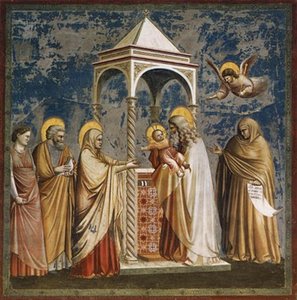
Giotto di Bondone's Políptico Baroncelli (circa 1308-1310) stands as a pivotal work, marking a dramatic departure from the stylized conventions of Byzantine art and firmly establishing the foundations for the burgeoning Renaissance. This magnificent altarpiece, now housed in the Museo Civico di Padova, Italy, offers a remarkably intimate glimpse into a religious gathering – likely depicting a scene from the life of Christ – through an unprecedented level of naturalism and emotional depth. It’s not merely a depiction of figures; it's a portrayal of human experience, imbued with a palpable sense of drama and immediacy that was revolutionary for its time.
The polyptych format—a hinged panel painting divided into multiple sections—was common in the Gothic period, but Giotto’s execution transcends mere structural convention. He abandons the flattened perspectives and hieratic scale characteristic of Byzantine art, opting instead for a more three-dimensional space achieved through careful observation and manipulation of light and shadow. The archway dominating the scene isn't just an architectural element; it acts as a visual anchor, drawing the viewer’s eye into the heart of the gathering. Notice how Giotto subtly employs atmospheric perspective – distant figures are rendered in paler hues, creating a convincing illusion of depth.
A Tableau of Medieval Life
The scene unfolds with a remarkable attention to detail. Fourteen individuals populate the composition, each rendered with individualized features and clothing styles that suggest a diverse social milieu. The red hats worn by several figures are particularly striking – a subtle yet significant detail hinting at their status or role within the community. Observe the musicians: two violins and a lute, instruments of considerable expense and prestige, underscore the importance of music in religious ceremonies. Giotto masterfully captures not just their physical appearance but also their gestures and expressions, conveying a sense of engagement and participation.
The clothing itself is a fascinating window into 14th-century life. The fabrics are richly textured, and the details—the folds of robes, the embroidery on garments—are meticulously rendered. Giotto’s skill in depicting textiles was unparalleled; he understood how light interacted with different materials, creating a sense of tactile realism that was groundbreaking for its time. This commitment to accurate representation extended beyond mere fashion; it reflected a broader interest in capturing the complexities and nuances of human existence.
Symbolism and Emotional Resonance
Beyond its technical brilliance, the Políptico Baroncelli is rich in symbolic meaning. The gathering itself represents communal faith and devotion, while the archway symbolizes the entrance to a sacred space. The figures’ expressions—a mixture of reverence, contemplation, and perhaps even joy—suggest a profound emotional connection to their beliefs. Giotto wasn't simply illustrating a biblical narrative; he was conveying the *feeling* of religious experience.
Crucially, Giotto’s use of color is restrained yet effective. He avoids the lavish gold backgrounds favored by Byzantine artists, opting instead for a more muted palette that emphasizes the naturalism of his figures and setting. This shift in emphasis—from spiritual transcendence to earthly representation—is a defining characteristic of Giotto's style and a key element in the transition from medieval to Renaissance art. The Políptico Baroncelli is, therefore, not just a beautiful painting; it’s a testament to Giotto’s revolutionary vision and his enduring legacy as one of the most influential artists in Western history.
Bringing Giotto's Vision Home
OriginalUniqueArt.com offers meticulously crafted hand-painted reproductions of the Políptico Baroncelli, allowing you to experience the artistry and emotional power of this iconic masterpiece in your own space. Our reproductions faithfully capture Giotto’s nuanced details, vibrant colors, and profound sense of realism, bringing a touch of Renaissance brilliance into any room. Explore our collection today and discover how you can possess a piece of art history.
Perguntas e Respostas
Onde posso ver uma prévia de "Políptico Baroncelli 2"?
Uma prévia de "Políptico Baroncelli 2" de Giotto di Bondone está disponível na página de Visualização da obra.
Quão saturada é a paleta de "Políptico Baroncelli 2"?
As cores de "Políptico Baroncelli 2" de Giotto di Bondone possuem uma saturação Vivid Color. A saturação descreve o quão vívidas ou suaves são as cores.
A que fase do desenvolvimento de Giotto di Bondone "Políptico Baroncelli 2" pertence?
"Políptico Baroncelli 2" pertence ao Late Medieval da carreira de Giotto di Bondone. Esta classificação relaciona a obra ao desenvolvimento do artista.
Biografia do Artista
O Pastor de Florença: A Visão Revolucionária de Giotto
Giotto di Bondone, nascido por volta de 1267 nas colinas da Toscana, perto de Florença, emergiu de origens humildes para se tornar uma figura central na transição da arte medieval para o Renascimento. Sua juventude é envolta em lendas – um jovem pastor que rabiscava ovelhas incrivelmente realistas em rochas, chamando a atenção do mestre florentino Cimabue. Seja verdade ou folclore, essa história encapsula a essência do gênio de Giotto: uma habilidade inata para capturar o mundo natural com um realismo e profundidade emocional sem precedentes. Tornou-se aprendiz de Cimabue, superando rapidamente seu mestre, absorvendo habilidades técnicas, mas trilhando um caminho distinto. O estilo bizantino, dominante na época, favorecia figuras estilizadas, perspectivas achatadas e fundos dourados luxuosos – símbolos de transcendência espiritual em vez de representação terrena. Giotto, no entanto, ansiava por retratar a humanidade não como ícones etéreos, mas como indivíduos imbuídos de sentimento, existindo em um espaço tangível.
Rompendo com Bizâncio: Um Novo Naturalismo
A revolução artística de Giotto não foi uma ruptura abrupta, mas uma evolução gradual. Suas primeiras obras já prenunciavam a mudança que estava por vir, demonstrando uma crescente ênfase no volume, peso e anatomia crível. Começou a observar a luz e a sombra não apenas como elementos decorativos, mas como ferramentas para esculpir formas e criar profundidade. Esse naturalismo nascente é evidente em suas contribuições aos afrescos da Basílica Superior de São Francisco de Assis – embora a autoria permaneça debatida, muitos estudiosos reconhecem a mão de Giotto em cenas que exibem uma clara partida da estética bizantina predominante. Ele não estava simplesmente rejeitando a tradição; estava construindo sobre ela, infundindo formas estabelecidas com um novo senso de humanidade e ressonância emocional. Compreendeu o poder da narrativa, criando composições que contavam histórias não através de simbolismo rígido, mas por meio de gestos expressivos, interações críveis e cenários cuidadosamente construídos.
A Capela Scrovegni: Uma Obra-Prima da Narrativa
A obra-prima de Giotto, e possivelmente uma das mais importantes da história da arte ocidental, é o ciclo de afrescos que adorna a Capela Scrovegni (também conhecida como Capela Arena) em Pádua. Concluída por volta de 1305, esta série deslumbrante retrata a vida de Cristo e da Virgem Maria com um nível revolucionário de realismo e intensidade emocional. Cada cena se desenrola como um drama cuidadosamente encenado, povoado por figuras que não são meras representações de arquétipos religiosos, mas seres humanos plenos experimentando alegria, tristeza, medo e esperança. O *Juízo Final*, dominando uma parede inteira, é um testemunho poderoso da habilidade de Giotto em transmitir tanto a majestade divina quanto a vulnerabilidade crua da humanidade diante do seu julgamento final. O uso da perspectiva, embora não matematicamente preciso pelos padrões posteriores do Renascimento, cria uma convincente ilusão de profundidade, atraindo o espectador para a narrativa. As figuras são ancoradas, seus corpos possuem peso e volume, e suas expressões transmitem uma gama de emoções antes nunca vistas na arte religiosa.
Além dos Afrescos: Arquitetura e Legado Duradouro
Os talentos de Giotto se estendiam além da pintura; ele também era um arquiteto respeitado. Em 1334, foi comissionado para projetar o Campanile – a torre sineira – da Catedral de Florença, um projeto que demonstrou sua abordagem inovadora à forma arquitetônica. Embora tenha morrido antes de sua conclusão, seus projetos lançaram as bases para este marco icônico florentino. Sua influência sobre as gerações subsequentes de artistas é imensurável. Ele preencheu a lacuna entre os mundos medieval e renascentista, abrindo o caminho para mestres como Masaccio, Leonardo da Vinci e Michelangelo. Vasari, em suas *Vidas dos Artistas*, creditou Giotto por “dar à pintura a grande arte de fazer as coisas da vida”, um testemunho do seu profundo impacto no curso da arte ocidental. Giotto não apenas retratava o mundo; ele procurava entendê-lo, capturar sua essência e transmitir essa compreensão através do poder da narrativa visual. Seu legado continua a inspirar admiração séculos após sua morte, solidificando seu lugar como um dos maiores inovadores artísticos da história.
Principais Conquistas & Influência Duradoura
- Revolucionou a Pintura: Afastou-se da estilização bizantina em direção ao naturalismo e realismo emocional.
- Pioneiro da Perspectiva: Introduziu técnicas para criar profundidade e consciência espacial nas pinturas.
- Narrativa Magistral: Criou narrativas convincentes através de ciclos de afrescos, como a Capela Scrovegni.
- Contribuições Arquitetônicas: Projetou o Campanile da Catedral de Florença, demonstrando habilidade arquitetônica.
- Fundação para a Arte Renascentista: Seu trabalho lançou as bases para as conquistas artísticas do período renascentista.

Giotto di Bondone
1267 - 1337 , Itália
Informações Rápidas
- Artistas Que O Influenciaram: ['Cimabue']
- Artistas/Movimentos Influenciados:
- Masaccio
- Arte Renascentista
- Data De Falecimento: 1337
- Data De Nascimento: c. 1267
- Local De Nascimento: Florença, Itália
- Movimento Artístico: Proto-Renascimento
- Nacionalidade: Italiano
- Nome Completo: Giotto di Bondone
- Obras Notáveis:
- Scrovegni Chapel
- Ognissanti Madonna
- Campanile
Artigos Relacionados
Late Medieval Masterpieces: 10 Artworks That Defined an Era | OriginalUniqueArt
Journey through 10 defining Late Medieval masterpieces – from Giotto's frescoes to Jan van Eyck’s realism. Explore the stories, techniques & vibrant colors of Gothic art. Find museum-quality reproductions and elevate your home decor with OriginalUniqueArt.com! Discover all masterpieces on OriginalUniqueArt.com
Giotto di Bondone: As 25 Obras-Primas que Definiram a Arte Renascentista | OriginalUniqueArt
Descubra as 25 obras-primas de Giotto di Bondone, o mestre da Renascença! Explore a história por trás dos afrescos icônicos, cores vibrantes e emoção atemporal. Reproduções de arte exclusivas para decorar sua casa com elegância em OriginalUniqueArt.com.
Late Gothic Art: The Divine Transition from Medieval Symbolism to Renaissance Naturalism
Explore the profound transition of Late Gothic art from medieval symbolism to Renaissance naturalism. Discover the elegance of International Gothic, the legacy of Master Theodoric, and the evolution of European courtly masterpieces through an expert art-historical lens.
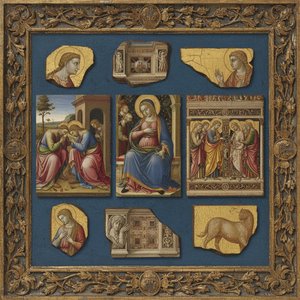
Proto-Renascimento: 10 Obras-Primas que Moldaram a Arte Moderna | OriginalUniqueArt
Descubra as 10 obras-primas do Proto-Renascimento que revolucionaram a arte! Explore Giotto, Duccio e Cimabue. Encontre reproduções de alta qualidade para decorar sua casa com OriginalUniqueArt.com. Inspire-se!
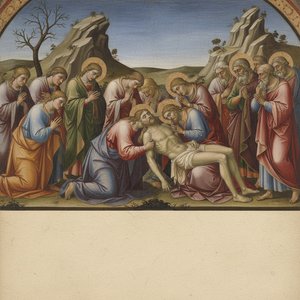
Giotto di Bondone: Revolutionizing Late Medieval Painting through Narrative Innovation
Explore the revolutionary art of Giotto di Bondone! Discover his groundbreaking techniques, iconic frescoes like those in the Arena Chapel, and lasting impact on Renaissance painting. A deep dive for art enthusiasts.