Visualizar em escala
 Enviar
 Compartilhar
 Ver detalhes
 Guia de Obras do Aluno

 Baixar imagem
 Semelhantes
 Raio X
 Apresentação de slides
 Estatísticas
justice


 Ver mais
Reprodução em Óleo Feita à Mão
Óleo sobre tela pintado à mão no tamanho e moldura de sua escolha, feito sob encomenda pelos nossos artistas. ( Alternar para Impressão Ver Imagem Digital)




P118B €10

P118H €10

P118W €10

P438Z €10

P508JH €12

P508YH €12

P805H €10

P805Z €10

P919BZ €10

P919G €10

P919XJ €10

P959ZH €10

P968JZ €12

W106C €8

W218G €10

W218JH €8

W218Y €10

W307PJ €10

W316G €10

W316PJ €8

W316Y €10

W398PJ €8

W4111J €10

W500HY €15

W500JH €15

W692G €12

W849H €8

W940BG €15

W953PJ €8




Escolha entre os nossos tamanhos pré-definidos que respeitam as proporções originais da obra de arte.

Digite a largura e a altura de que necessita, para se ajustar à sua moldura ou à sua parede. Esta obra é pintada à mão, por isso, para um tamanho com uma proporção diferente, o artista pode pintar um pouco mais ao redor da imagem ou cortar um pouco — você escolhe. Enviamos-lhe uma maquete digital para aprovação antes de a pintura começar. A imagem exibida nesta página não mostra o resultado real — apenas a maquete mostra.
Após o pedido, a equipa OriginalUniqueArt.com enviará um e-mail ao cliente para solicitar instruções e fornecer uma prévia do esboço.
Entrega mundial () em 3 a 4 semanas, em vez das 5 semanas padrão. (22 Outubro). Sem comprometer a qualidade.

Envio expresso gratuito para todo o mundo

Tela de Linho Premium

Seguro de transporte total

Garantia de Reembolso de Impostos Alfandegários

Garantia de Fidelidade de Cor

Política de Devolução em 100 Dias (Apenas para Defeitos)

Garantia de reembolso de 100%

Desconto para múltiplas unidades
 A opção de vidro está disponível apenas para tamanhos inferiores a 110 cm

justice
Técnica de Reprodução
Dimensões da Reprodução
-


Preço Total
€ 263
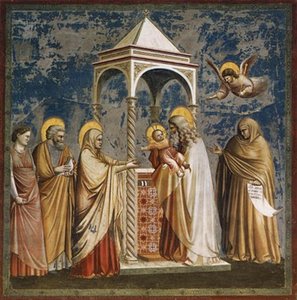
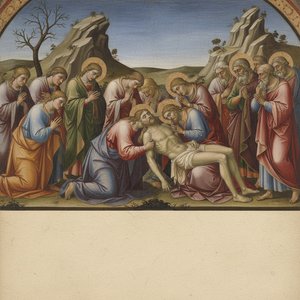
The Weight of Justice: Giotto’s Vision in “Justice”
Giotto di Bondone's "Justice," painted circa 1305, isn’t merely a portrait; it’s a profound meditation on moral order and the very foundations of society. Emerging from his workshop in Padua, this fresco—now meticulously reproduced as a stunning oil painting by OriginalUniqueArt—captures a pivotal moment in art history: the Proto-Renaissance, where Giotto began to dismantle the rigid conventions of Byzantine iconography and embrace a more humanistic, emotionally resonant style. The image depicts a seated woman, embodying Justice herself, rendered with an unprecedented sense of realism and psychological depth that would define the Renaissance aesthetic. She’s not a distant, ethereal figure but a powerfully grounded presence, radiating authority yet imbued with a quiet dignity.
The composition is strikingly formal, echoing the architectural grandeur of the Arena Chapel where it resides. The woman sits within an ornate niche, reminiscent of Gothic architecture, its arches and columns framing her like a sacred space. Below her, a decorative frieze—a series of small sculpted figures—adds layers of symbolic detail, hinting at the consequences of both righteous action and unjust behavior. The careful use of lines – sharp angles defining the architectural elements, flowing curves in the drapery – creates a sense of stability and structure, reflecting the underlying order Giotto sought to convey. The palette is restrained, dominated by earthy tones—ochres, browns, and deep reds—that lend the scene an air of solemnity and gravitas.
A Study in Symbolism
Giotto’s genius lies not just in his technical skill but in his masterful deployment of symbolism. The woman herself is a complex figure, representing Justice as both a legal principle and a moral ideal. Her crown and regal attire signify her authority, while the scales she holds represent the weighing of evidence—the careful consideration required to render true justice. Crucially, Giotto doesn’t depict Justice as an abstract concept; he humanizes her, imbuing her with a palpable sense of empathy and responsibility. The inclusion of figures representing both virtue and vice beneath her throne underscores the ongoing struggle between good and evil that defines the human condition.
The architectural setting is equally laden with meaning. The niche itself can be interpreted as a representation of divine judgment, while the sculpted frieze below serves as a visual reminder of the consequences of actions—rewards for virtue and punishments for vice. Notably, Giotto’s depiction of Justice aligns closely with earlier medieval representations of the concept, but he elevates it through his newfound realism and emotional intensity. The figures are no longer stylized icons; they possess individual characteristics and expressions, inviting viewers to connect with them on a deeper level.
The Proto-Renaissance Breakthrough
“Justice” stands as a cornerstone of Giotto’s revolutionary approach to painting. He moved decisively away from the flattened perspectives and symbolic abstractions of Byzantine art, embracing instead a more naturalistic representation of space and form. This shift is evident in the way he renders the folds of the woman's clothing, the subtle modeling of her face, and the sense of depth created by the architectural setting. Giotto’s innovations—his use of light and shadow to create volume, his attention to anatomical detail, and his ability to convey emotion through gesture—laid the groundwork for the High Renaissance and profoundly influenced generations of artists to come.
The fresco's influence extends beyond its aesthetic qualities; it represents a fundamental shift in artistic philosophy. Giotto sought to capture not just the outward appearance of his subjects but also their inner lives, reflecting a growing interest in human psychology that would characterize the Renaissance. His work signaled a move towards portraying humanity with dignity and complexity—a departure from the more didactic and symbolic approach of medieval art.
Bringing “Justice” Home
Today, OriginalUniqueArt’s meticulously crafted oil reproduction captures the essence of Giotto's masterpiece with breathtaking fidelity. Each brushstroke faithfully recreates the fresco’s rich textures and nuanced colors, allowing you to experience the profound beauty and intellectual depth of this iconic work of art. Whether adorning a grand salon or a smaller study, “Justice” serves as a timeless reminder of the enduring power of art to illuminate our understanding of morality, justice, and the human condition.
- Explore high-quality reproductions at OriginalUniqueArt
Perguntas e Respostas
Onde se recomenda exibir o formato Tall de "justice"?
O formato Tall de "justice" de Giotto di Bondone é recomendado para um(a) Living Room. O formato e o espaço juntos orientam a disposição de uma reprodução.
Que paleta e que sentimento "justice" combina?
Em "justice", cores de Neutrals acompanham um sentimento Reflective.
Qual é o formato de "justice"?
O formato de "justice" é Tall. Isso é útil ao planejar onde uma reprodução será colocada.
Biografia do Artista
O Pastor de Florença: A Visão Revolucionária de Giotto
Giotto di Bondone, nascido por volta de 1267 nas colinas da Toscana, perto de Florença, emergiu de origens humildes para se tornar uma figura central na transição da arte medieval para o Renascimento. Sua juventude é envolta em lendas – um jovem pastor que rabiscava ovelhas incrivelmente realistas em rochas, chamando a atenção do mestre florentino Cimabue. Seja verdade ou folclore, essa história encapsula a essência do gênio de Giotto: uma habilidade inata para capturar o mundo natural com um realismo e profundidade emocional sem precedentes. Tornou-se aprendiz de Cimabue, superando rapidamente seu mestre, absorvendo habilidades técnicas, mas trilhando um caminho distinto. O estilo bizantino, dominante na época, favorecia figuras estilizadas, perspectivas achatadas e fundos dourados luxuosos – símbolos de transcendência espiritual em vez de representação terrena. Giotto, no entanto, ansiava por retratar a humanidade não como ícones etéreos, mas como indivíduos imbuídos de sentimento, existindo em um espaço tangível.
Rompendo com Bizâncio: Um Novo Naturalismo
A revolução artística de Giotto não foi uma ruptura abrupta, mas uma evolução gradual. Suas primeiras obras já prenunciavam a mudança que estava por vir, demonstrando uma crescente ênfase no volume, peso e anatomia crível. Começou a observar a luz e a sombra não apenas como elementos decorativos, mas como ferramentas para esculpir formas e criar profundidade. Esse naturalismo nascente é evidente em suas contribuições aos afrescos da Basílica Superior de São Francisco de Assis – embora a autoria permaneça debatida, muitos estudiosos reconhecem a mão de Giotto em cenas que exibem uma clara partida da estética bizantina predominante. Ele não estava simplesmente rejeitando a tradição; estava construindo sobre ela, infundindo formas estabelecidas com um novo senso de humanidade e ressonância emocional. Compreendeu o poder da narrativa, criando composições que contavam histórias não através de simbolismo rígido, mas por meio de gestos expressivos, interações críveis e cenários cuidadosamente construídos.
A Capela Scrovegni: Uma Obra-Prima da Narrativa
A obra-prima de Giotto, e possivelmente uma das mais importantes da história da arte ocidental, é o ciclo de afrescos que adorna a Capela Scrovegni (também conhecida como Capela Arena) em Pádua. Concluída por volta de 1305, esta série deslumbrante retrata a vida de Cristo e da Virgem Maria com um nível revolucionário de realismo e intensidade emocional. Cada cena se desenrola como um drama cuidadosamente encenado, povoado por figuras que não são meras representações de arquétipos religiosos, mas seres humanos plenos experimentando alegria, tristeza, medo e esperança. O *Juízo Final*, dominando uma parede inteira, é um testemunho poderoso da habilidade de Giotto em transmitir tanto a majestade divina quanto a vulnerabilidade crua da humanidade diante do seu julgamento final. O uso da perspectiva, embora não matematicamente preciso pelos padrões posteriores do Renascimento, cria uma convincente ilusão de profundidade, atraindo o espectador para a narrativa. As figuras são ancoradas, seus corpos possuem peso e volume, e suas expressões transmitem uma gama de emoções antes nunca vistas na arte religiosa.
Além dos Afrescos: Arquitetura e Legado Duradouro
Os talentos de Giotto se estendiam além da pintura; ele também era um arquiteto respeitado. Em 1334, foi comissionado para projetar o Campanile – a torre sineira – da Catedral de Florença, um projeto que demonstrou sua abordagem inovadora à forma arquitetônica. Embora tenha morrido antes de sua conclusão, seus projetos lançaram as bases para este marco icônico florentino. Sua influência sobre as gerações subsequentes de artistas é imensurável. Ele preencheu a lacuna entre os mundos medieval e renascentista, abrindo o caminho para mestres como Masaccio, Leonardo da Vinci e Michelangelo. Vasari, em suas *Vidas dos Artistas*, creditou Giotto por “dar à pintura a grande arte de fazer as coisas da vida”, um testemunho do seu profundo impacto no curso da arte ocidental. Giotto não apenas retratava o mundo; ele procurava entendê-lo, capturar sua essência e transmitir essa compreensão através do poder da narrativa visual. Seu legado continua a inspirar admiração séculos após sua morte, solidificando seu lugar como um dos maiores inovadores artísticos da história.
Principais Conquistas & Influência Duradoura
- Revolucionou a Pintura: Afastou-se da estilização bizantina em direção ao naturalismo e realismo emocional.
- Pioneiro da Perspectiva: Introduziu técnicas para criar profundidade e consciência espacial nas pinturas.
- Narrativa Magistral: Criou narrativas convincentes através de ciclos de afrescos, como a Capela Scrovegni.
- Contribuições Arquitetônicas: Projetou o Campanile da Catedral de Florença, demonstrando habilidade arquitetônica.
- Fundação para a Arte Renascentista: Seu trabalho lançou as bases para as conquistas artísticas do período renascentista.

Giotto di Bondone
1267 - 1337 , Itália
Informações Rápidas
- Artistas Que O Influenciaram: ['Cimabue']
- Artistas/Movimentos Influenciados:
- Masaccio
- Arte Renascentista
- Data De Falecimento: 1337
- Data De Nascimento: c. 1267
- Local De Nascimento: Florença, Itália
- Movimento Artístico: Proto-Renascimento
- Nacionalidade: Italiano
- Nome Completo: Giotto di Bondone
- Obras Notáveis:
- Scrovegni Chapel
- Ognissanti Madonna
- Campanile
Artigos Relacionados
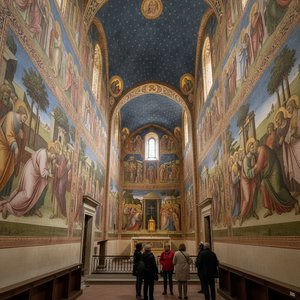
The Proto-Renaissance Revolution: How Giotto Shattered the Mold to Create Modern Visual Impact
Discover how the Proto-Renaissance shattered artistic norms. Explore Giotto’s revolutionary shift from flat Byzantine icons to raw human emotion and naturalism—the true origin of modern visual impact and storytelling in art history.

Gothic Vibes: From Dark Shadows to Bold Modern Edge | The Ultimate Trend Forecast
Explore the evolution of Gothic vibes, from historical shadows to bold modern edge. Discover how dark aesthetics, noir interiors, and contemporary subcultures are redefining modern design through a high-impact, trend-focused lens.
Proto-Renascimento: 10 Obras-Primas que Moldaram a Arte Moderna | OriginalUniqueArt
Descubra as 10 obras-primas do Proto-Renascimento que revolucionaram a arte! Explore Giotto, Duccio e Cimabue. Encontre reproduções de alta qualidade para decorar sua casa com OriginalUniqueArt.com. Inspire-se!
Giotto di Bondone: As 25 Obras-Primas que Definiram a Arte Renascentista | OriginalUniqueArt
Descubra as 25 obras-primas de Giotto di Bondone, o mestre da Renascença! Explore a história por trás dos afrescos icônicos, cores vibrantes e emoção atemporal. Reproduções de arte exclusivas para decorar sua casa com elegância em OriginalUniqueArt.com.
Giotto di Bondone: Revolutionizing Late Medieval Painting through Narrative Innovation
Explore the revolutionary art of Giotto di Bondone! Discover his groundbreaking techniques, iconic frescoes like those in the Arena Chapel, and lasting impact on Renaissance painting. A deep dive for art enthusiasts.