

 Visualizar na parede
 Compartilhar
 Compartilhar
 Detalhes
 Guia
Guia

 Baixar imagem
 Semelhantes
 Raio X
 Ver diaporama
 Estatísticas
Mountain Landscape with a Windmill
 Oil On Canvas
- WallArt
- Post-Impressionism
 26.0 x 35.0 cm
 National Trust
 Ler mais
A obra de arte exibida nesta página é protegida por leis de direitos autorais, o que significa que não podemos criar ou vender legalmente uma reprodução idêntica. Esta proteção é aplicada por meio de acordos internacionais, tais como a Convenção de Berna e pelas leis nacionais, incluindo as estabelecidas por Lei de Direitos Autorais dos EUA - Título 17.
Como uma alternativa respeitosa e legal, oferecemos obras de arte personalizadas e pintadas à mão, inspiradas na obra original. Nossos artistas profissionais e experientes estudam cuidadosamente o estilo, a atmosfera e a essência artística da obra original para criar uma peça nova e única que evoque a mesma sensação — permanecendo como uma criação original por direito próprio.
Este método cumpre plenamente as regulamentações de direitos autorais, pois não envolve a cópia ou duplicação da obra protegida. Em vez disso, trata-se de uma reinterpretação criativa — uma nova pintura que é influenciada pela original, mas não idêntica a ela.
Reprodução em Óleo Feita à Mão
Óleo sobre tela pintado à mão no tamanho e moldura de sua escolha, feito sob encomenda pelos nossos artistas. ( Alternar para Impressão Alternar para Imagem Digital)




P118B €10

P118H €10

P118W €10

P438Z €10

P508JH €12

P508YH €12

P805H €10

P805Z €10

P919BZ €10

P919G €10

P919XJ €10

P959ZH €10

P968JZ €12

W106C €8

W218G €10

W218JH €8

W218Y €10

W307PJ €10

W316G €10

W316PJ €8

W316Y €10

W398PJ €8

W4111J €10

W500HY €15

W500JH €15

W692G €12

W849H €8

W940BG €15

W953PJ €8




Escolha entre os nossos tamanhos pré-definidos que respeitam as proporções originais da obra de arte.

Insira a largura e a altura desejadas para se ajustarem à sua moldura ou parede. Como esta obra é pintada à mão, para um tamanho com proporções diferentes, o artista poderá pintar um pouco mais ao redor da imagem ou reduzir ligeiramente a composição — você escolhe. Enviamos uma maquete digital para sua aprovação antes de iniciar a pintura. A imagem exibida nesta página não representa o resultado real — apenas a maquete mostra o resultado final.
Após o pedido, a equipa OriginalUniqueArt.com enviará um e-mail ao cliente para solicitar instruções e fornecer uma prévia do esboço.
Entrega mundial () em 3 a 4 semanas, em vez das 5 semanas padrão. (28 Outubro). Sem comprometer a qualidade.

Envio expresso gratuito para todo o mundo

Tela de Linho de Alta Qualidade

Seguro de transporte completo

Garantia de Reembolso de Impostos Alfandegários

Garantia de Fidelidade Cromática

Política de Devolução em 100 Dias (Apenas para Defeitos)

Garantia de reembolso de 100%

Oferta de desconto por quantidade
 A opção de vidro está disponível apenas para tamanhos inferiores a 110 cm

Mountain Landscape with a Windmill
Técnica de Reprodução
Tamanho da Reprodução
-


Preço Total
€ 264
A Vision of the English Countryside: Gilbert Spencer’s ‘Mountain Landscape with a Windmill’
Gilbert Spencer's “Mountain Landscape with a Windmill” isn’t merely a depiction of a rural scene; it’s an immersion into the heart of late 19th-century England. Painted around 19XX, this artwork captures a quintessential moment in time – a quiet afternoon bathed in diffused light, dominated by the steadfast presence of a traditional windmill against a backdrop of rolling hills and verdant fields. Spencer, deeply rooted in his native Cookham, eschewed grand narratives or dramatic events, instead focusing on the subtle beauty of everyday life and the enduring connection between humanity and nature. The painting speaks to a sense of tranquility and timelessness, inviting the viewer into a world where the rhythms of rural existence are both comforting and profoundly evocative.
Fauvist Echoes and Post-Impressionist Sensibilities
Spencer’s artistic approach is immediately recognizable as a synthesis of Fauvist and Post-Impressionist influences. The bold, unblended brushstrokes—a hallmark of the Fauvist movement—create a vibrant energy within the landscape, injecting color with an almost impulsive quality. Yet, these energetic marks are tempered by the more considered techniques of Post-Impressionism, evident in the careful observation of light and form. The colors aren’t realistic representations of nature; instead, they're emotionally charged – deep greens, ochres, and blues conveying a sense of atmosphere and mood rather than precise detail. The simplified forms of the windmill and hills contribute to this stylized effect, prioritizing expressive power over strict adherence to photographic accuracy.
The Symbolism of Industry and Nature
The prominent windmill itself is more than just a picturesque element; it’s a potent symbol. In rural England, windmills represented both industry – the grinding of grain, the harnessing of natural energy – and a connection to the land. Spencer masterfully balances these dualities, presenting the windmill not as a machine imposing itself upon nature, but as an integral part of its landscape. The surrounding hills, bathed in soft light, suggest a harmonious relationship between human endeavor and the natural world. The composition invites contemplation on themes of tradition, progress, and the enduring spirit of rural life.
A Legacy of English Realism
Gilbert Spencer’s “Mountain Landscape with a Windmill” stands as a testament to his commitment to realism while embracing innovative artistic techniques. His work reflects a deep understanding of the English countryside—a landscape he loved and meticulously observed throughout his life. As a brother to the renowned Stanley Spencer, Gilbert forged his own distinct path, prioritizing clarity, directness, and an honest portrayal of everyday life. This painting exemplifies his ability to capture not just the visual appearance of a scene but also its emotional resonance, solidifying his place as a key figure in British art history. Reproductions offer a beautiful way to bring this evocative landscape into your home or office, allowing you to experience the tranquility and timeless beauty of rural England.
Perguntas e Respostas
"Mountain Landscape with a Windmill" está disponível como uma impressão fine art?
Uma impressão de "Mountain Landscape with a Windmill", de Gilbert Spencer pode ser encomendada diretamente na sua página de Impressão Fine Art: uma impressão fine art em tela de algodão ou papel canvas de arquivo.
Que sensação as cores de "Mountain Landscape with a Windmill", de Gilbert Spencer transmitem?
A paleta Neutrals de "Mountain Landscape with a Windmill", de Gilbert Spencer harmoniza-se com seu tom emocional Tranquil. A cor é uma das formas pelas quais uma obra transmite sentimento.
Por quais outros nomes Gilbert Spencer é conhecido(a)?
Gilbert Spencer também é conhecido como Stanley Spencer.
Biografia do Artista
Uma Vida Enraizada no Solo Inglês: O Mundo de Gilbert Spencer
Gilbert Spencer, nascido em 4 de agosto de 1892, na idílica aldeia de Cookham, Reino Unido, foi um pintor profundamente sintonizado com os ritmos e as nuances da vida inglesa. Viveu até 1979, deixando para trás uma obra que, de forma silenciosa porém poderosa, captura a essência das paisagens e do povo de sua nação. Vindo de uma família numerosa — o oitavo de onze filhos — e com um pai que instilou o amor pela música através de seu papel como organista e professor, a infância de Spencer foi de meios modestos, mas rica em estímulo intelectual. Essa criação fomentou uma sensibilidade que moldaria profundamente sua visão artística. Talvez a conexão familiar mais significativa tenha sido com seu irmão mais novo, Sir Stanley Spencer, um pintor renomado cujo estilo distinto frequentemente suscitava comparações; no entanto, Gilbert traçou seu próprio caminho com dedicação inabalável ao realismo e uma interpretação unicamente pessoal do mundo ao seu redor. Embora a educação formal tenha sido limitada por restrições financeiras, as conversas vibrantes em seu círculo familiar serviram como um substituto inestimável, nutrindo uma mente curiosa e ansiosa para explorar a expressão artística.Anos Formativos e o Despertar Artístico
A formação artística formal de Spencer começou em 1911 na Camberwell School of Arts and Crafts, seguida por estudos de entalhe em madeira no Royal College of Art. Contudo, foi seu período na Slade School of Fine Art, em Londres (1913-1915), que se revelou verdadeiramente crucial. Ali, ele esteve sob a profunda influência de Henry Tonks, um mestre do desenho cujo ênfase na observação e na habilidade técnica deixou uma marca indelével na abordagem de Spencer à pintura. Ele se destacou na Slade, vencendo o prêmio de desenho de modelo vivo em 1914 e alcançando reconhecimento por seu ambicioso projeto de mural, "The Seven Ages of Man". Este sucesso precoce sugeria um talento para composições de grande escala que mais tarde se manifestaria em seu importante trabalho com murais. Além do currículo formal, a exposição de Spencer ao grupo Bloomsbury, através de Lady Ottoline Morrell — uma proeminente patronesse das artes e anfitriã na Garsington Manor — ampliou seus horizontes artísticos e o introduziu a um vibrante círculo intelectual. Essas experiências iniciais lançaram as bases para uma carreira caracterizada tanto pelo domínio técnico quanto por um profundo engajamento com as correntes culturais de sua época.Estilos em Evolução e Temas Eternos
O desenvolvimento artístico de Spencer foi marcado pela exploração de vários estilos, mas ele retornava consistentemente a um compromisso central com o realismo. Suas paisagens iniciais, como “Sashes Meadow, Cookham” (1914), revelam a influência do Impressionismo em seu tratamento delicado de luz e cor. Obras posteriores, como "Mountain Landscape with a Windmill", demonstram a adoção de elementos Fauvistas e Pós-Impressionistas, caracterizados por pinceladas mais ousadas e formas simplificadas. No entanto, Spencer nunca abandonou totalmente sua dedicação em retratar com precisão o campo inglês e seus habitantes. Sua temática girava constantemente em torno de paisagens, retratos, cenas de gênero e decorações murais — tudo refletindo uma conexão profunda com a Inglaterra rural. Ele possuía uma habilidade excepcional de capturar a dignidade silenciosa da vida cotidiana, imbuindo até mesmo cenas aparentemente mundanas com um senso de beleza e significado. Essa dedicação em retratar a vida inglesa com clareza e franqueza tornou-se a marca registrada de sua identidade artística.Conquistas e Legado
Ao longo de sua carreira, Gilbert Spencer alcançou reconhecimento significativo por suas contribuições à arte britânica. A criação de murais no Holywell Manor (1934-1936), retratando a lenda da fundação do Balliol College, demonstrou sua habilidade na pintura narrativa de grande escala. Durante a Segunda Guerra Mundial, ele serviu como artista de guerra oficial (1940–1943), documentando cenas de treinamento militar e da vida na frente interna. Este período proporcionou uma oportunidade única de observar e registrar o impacto do conflito na paisagem inglesa e seu povo. O talento de Spencer foi ainda mais reconhecido por sua eleição como Associado da Royal Academy em 1950, seguida pela membresia plena em 1959. Ele também desfrutou de uma distinta carreira docente, ocupando cátedras no Royal College of Art (1932-1948), Glasgow School of Art (1948–1950) e Camberwell School of Arts and Crafts (1950–1957). Suas obras publicadas, incluindo sua autobiografia "Memoirs of a Painter" (1974) e uma biografia de seu irmão Stanley Spencer (1961), oferecem visões valiosas sobre sua filosofia artística e a dinâmica criativa dentro de sua família. Obras notáveis incluem “Troops in the Countryside”, que captura belamente uma coexistência pacífica entre soldados e a vida rural; "Summer Evening, Durdham Downs", uma representação dramática de um encontro social; e “Boy Holding a Rabbit” (1931), um retrato terno da inocência infantil. Gilbert Spencer é lembrado como um importante pintor britânico que capturou a essência da vida inglesa com clareza, objetividade e um olhar atento aos detalhes. Seu trabalho oferece percepções valiosas sobre as paisagens sociais e rurais da Inglaterra do século XX, e seu legado continua a inspirar artistas e amantes da arte. Ele também possui relevância como irmão de Stanley Spencer, contribuindo para a compreensão das carreiras de ambos os artistas dentro de um contexto familiar.
Gilbert Spencer
1892 - 1979 , Reino Unido
Dados Rápidos
- Artistic Movement Or Style: Realismo
- Artists Or Movements Influenced By This Artist: ['Impressionismo']
- Artists Who Influenced This Artist: ['Henry Tonks']
- Date Of Birth: 4 agosto 1892
- Date Of Death: 14 janeiro 1979
- Full Name: Gilbert Spencer
- Nationality: Britânico
- Notable Artworks:
- Sashes Meadow, Cookham
- Mountain Landscape with a Windmill
- Place Of Birth: Cookham, Reino Unido
Artigos Relacionados
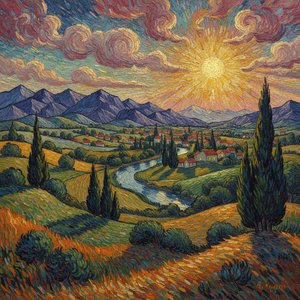
Beyond Impressionism: The Emotional Depth and Vibrant Evolution of Post-Impressionist Landscapes
Explore the profound evolution of Post-Impressionist landscapes. From Van Gogh's emotional brushwork to Cézanne's structural mastery, discover how these visionaries redefined art history through color and form in this expert guide for fine art enthusiasts.
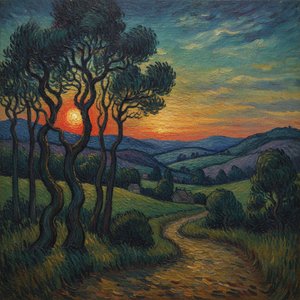
Beyond the Light: Capturing Raw Emotion and Subjective Vision in Post-Impressionist Landscapes
Explore the profound emotional depth of Post-Impressionist landscapes. Discover how masters like Van Gogh moved beyond light to capture raw human feeling through vibrant color and expressive texture in this expert art history retrospective.

Evocations of Place: A Historical Journey Through Landscape Art
Explore the rich history of landscape art with OriginalUniqueArt. Discover renowned artists, movements like Impressionism & Romanticism, and expert guidance for collecting timeless pieces. Find your perfect serene escape today!

Paul Cézanne: As 25 Obras-Primas que Definiram um Gênio da Arte Moderna | OriginalUniqueArt
Descubra as 25 obras-primas de Paul Cézanne, o mestre do pós-impressionismo! Explore a história, técnica e cores vibrantes por trás de quadros icônicos como 'Les Baigneurs' e 'Mont Sainte-Victoire'. Encontre reproduções de arte exclusivas para decorar sua casa com elegância em OriginalUniqueArt.com.
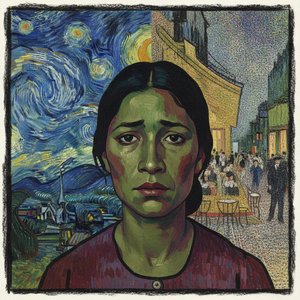
Beyond the Brush: How Post-Impressionism Recharged Modern Art with Bold Color and Raw Emotion
Dive into the high-energy revolution of Post-Impressionism. Discover how masters like Cézanne and Van Gogh traded fleeting light for bold colors and raw emotion, forever recharging modern art with the vibrant, structural intensity that defines today's most iconic visual aesthetics.
