
 Visualizar em escala
 Enviar
 Compartilhar
 Ver detalhes

 Baixar
 Semelhantes
 Raio X
 Apresentação de slides
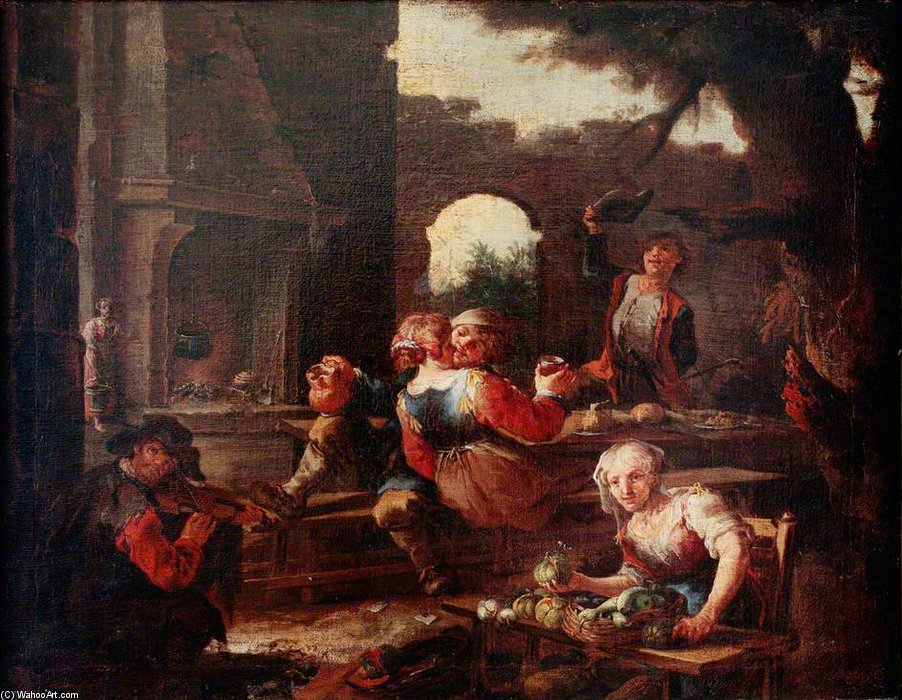
Peasants Drinking Scene
 Ver mais
Reprodução em Óleo Feita à Mão
Óleo sobre tela pintado à mão no seu tamanho e moldura, feito sob encomenda pelos nossos artistas. ( Comprar impressão Comprar imagem)




































Escolha entre os nossos tamanhos pré-definidos que respeitam as proporções originais da obra de arte.

Pode inserir as suas próprias dimensões para se adequar a uma moldura ou espaço específico. Se o tamanho selecionado não corresponder às proporções da imagem original, iremos cortar a obra de arte ou estender a pintura com elementos adicionais pintados à mão. Um esboço digital será enviado para sua aprovação antes do início da produção.
Tenha em atenção que a pré-visualização no ecrã não reflete o corte ou extensão real. Apenas o esboço mostrará com precisão a composição final.
Embora tamanhos personalizados estejam disponíveis, recomendamos selecionar uma dimensão da lista predefinida para preservar as proporções originais.
Após o pedido, a equipa OriginalUniqueArt.com enviará um e-mail ao cliente para solicitar instruções e fornecer uma prévia do esboço.
Entrega mundial () em 3 a 4 semanas, em vez das 5 semanas padrão. (12 Agosto). Sem comprometer a qualidade.

Envio Expresso Gratuito para todo o Mundo

Tela de Linho Premium

Seguro de transporte total

Garantia de Reembolso de Impostos Alfandegários

Garantia de Fidelidade de Cor

Política de Devolução de 60 Dias (Apenas para Defeitos)

Garantia de reembolso de 100%

Desconto para múltiplas unidades
 A opção de vidro está disponível apenas para tamanhos inferiores a 110 cm

Peasants Drinking Scene
Técnica de Reprodução
Dimensões da Reprodução
-


Preço Total
$ 300
Biografia do Artista
The Luminous Legacy of Il Todeschini
In the vibrant, shadow-drenched corridors of the late Baroque era, few artists captured the quiet drama of everyday existence as poignantly as Giacomo Francesco Cipper. Known to his contemporaries by the affectionate moniker Il Todeschini, this Austrian-born master became a defining voice in the Milanese art scene. Born in Feldkirch in 1664, Cipper’s journey from the Alpine reaches of Austria to the bustling cultural hubs of Lombardy and Venice is a testament to the migratory spirit of the Baroque period. While his early years remain somewhat veiled by the mists of history, his arrival in Milan around 1696 marked the beginning of a prolific career that would leave an indelible mark on the Italian landscape painting tradition.
Cipper’s artistic identity was forged in the crucible of the Caravaggesque manner. Drawing inspiration from the dramatic legacies of Michelangelo Merisi da Caravaggio, he mastered the art of chiaroscuro—the profound and theatrical interplay between light and deep shadow. This technique allowed him to transcend mere representation, turning simple scenes of rural life into emotionally resonant narratives. His early works are characterized by a meticulous, almost scrupulous observation of detail, where every texture of fabric and every glint of light on a surface was rendered with startling realism. Through this lens, the mundane became monumental, and the humble subjects of his canvases were elevated to a level of profound dignity.
A Transition Toward Atmospheric Brilliance
As his career progressed, Cipper’s style underwent a fascinating evolution, moving away from the rigid precision of his youth toward a more fluid and atmospheric vision. Influenced perhaps by the subtle touch of contemporaries like Giacomo Ceruti, he began to loosen his brushwork, favoring the evocative play of light over the strictness of line. This shift allowed him to capture not just the physical presence of his subjects, but the very air surrounding them. His landscapes became more than mere backdrops; they became living, breathing environments imbued with a sense of mood and ephemeral beauty.
This stylistic maturation is evident in his diverse repertoire of subjects, which ranged from intimate portraits to bustling genre scenes:
- Genre Scenes: Works such as Palmistry and Peasant Repast With A Young Beggar showcase his ability to weave human connection into rustic settings, using light to guide the viewer's eye through complex social interactions.
- Musicality and Introspection: In pieces like Mandolinenspieler, Cipper captures a sense of quiet melancholy, utilizing soft lighting to reflect the internal world of his subjects.
- Portraiture: His ability to capture character is perhaps best seen in works like Head Of A Man In Red, where rich pigments and dramatic shadows create a captivating, lifelike presence.
Historical Significance and Enduring Spirit
The historical importance of Giacomo Francesco Cipper lies in his role as a bridge between the intense realism of the 17th century and the more sensory, light-focused sensibilities of the 18th century. By operating within the territories of Lombardy and the Veneto, he helped sustain and evolve the Caravaggesque tradition long after its initial peak, ensuring that the dramatic power of shadow remained a vital component of Italian art. His ability to blend the ruggedness of rural life with a sophisticated, painterly elegance allowed him to appeal to both the connoisseurs of Milan and the collectors of Venice.
Even as his final known work, a Self-portrait completed in 1736, signaled the end of his earthly journey, his artistic spirit remained vibrant. Cipper’s legacy is found in those luminous canvases that continue to captivate modern audiences—works that do not merely show us how the world looked, but how it felt to stand within its shifting lights and deepening shadows. He remains a master of the subtle brilliance, an artist who found the extraordinary within the ordinary.

giacomo francesco cipper
1664 - 1736 , Austria
Informações Rápidas
- Artistic Movement Or Style: Caravaggesque
- Artists Or Movements Influenced By This Artist: ['Cerutti']
- Artists Who Influenced This Artist: ['Giovanni Battista Piranesi']
- Date Of Birth: Fieldkirch, Austria (1664)
- Date Of Death: Milan (1736)
- Full Name: Giacomo Francesco Cipper
- Nationality: Austrian
- Notable Artworks:
- L Excision de la pierre de folie
- Mandolinenspieler
- Head Of A Man In Red
- Place Of Birth: Austria

