
 Visualizar em escala
 Enviar
 Compartilhar
 Ver detalhes
 Guia de Obras do Aluno

 Baixar imagem
 Semelhantes
 Raio X
 Apresentação de slides
 Estatísticas
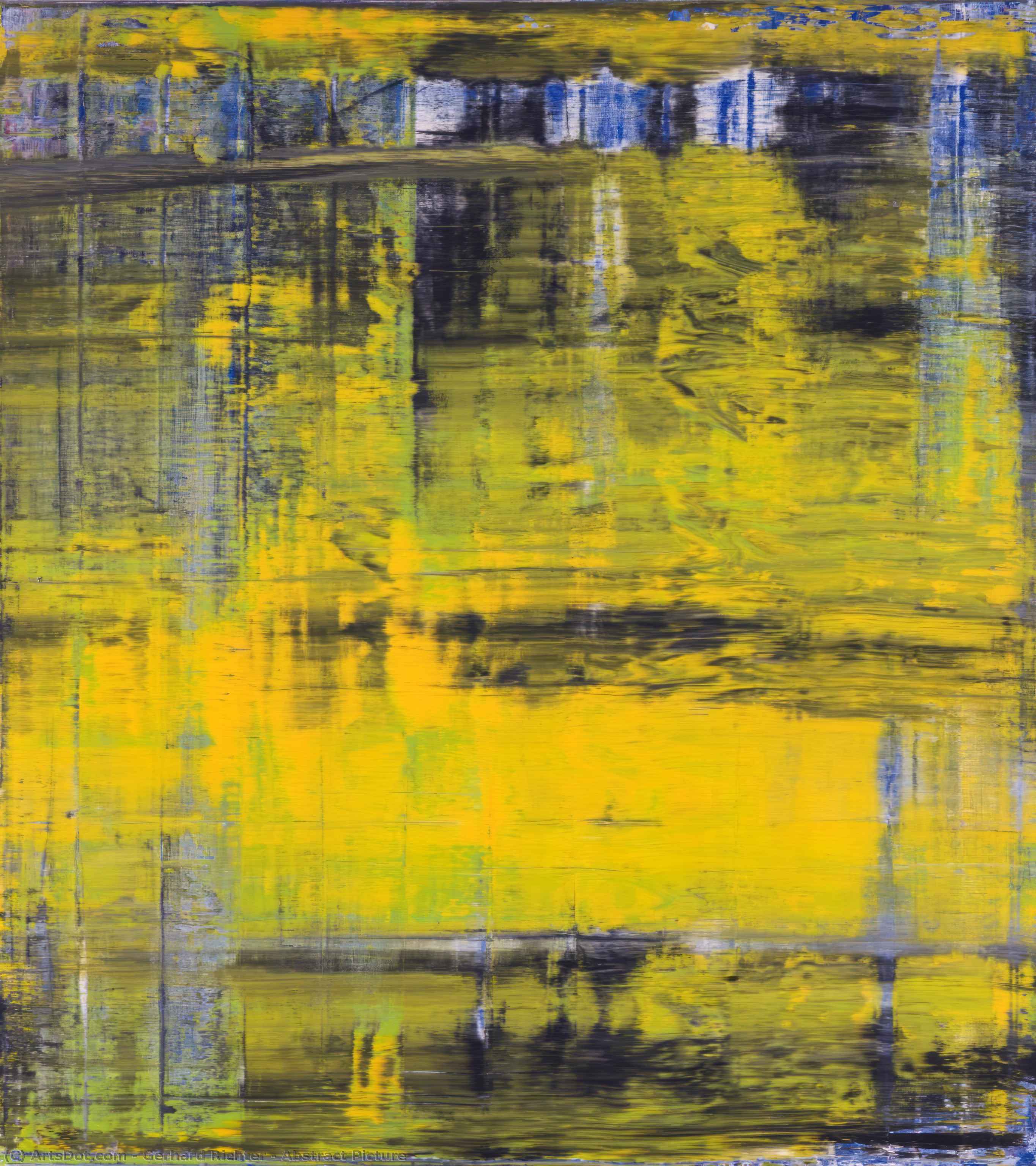
Imagem Abstrata
 Óleo sobre tela
- Arte de Parede
- Expressionismo Abstrato
 1994
1994- Contemporâneo
 225.0 x 220.0 cm
 Ver mais
A obra de arte exibida nesta página é protegida por leis de direitos autorais, o que significa que não podemos criar ou vender legalmente uma reprodução idêntica. Esta proteção é aplicada por meio de acordos internacionais, tais como a Convenção de Berna e pelas leis nacionais, incluindo as estabelecidas por Lei de Direitos Autorais dos EUA - Título 17.
Este método cumpre plenamente as regulamentações de direitos autorais, pois não envolve a cópia ou duplicação da obra protegida. Em vez disso, trata-se de uma reinterpretação criativa — uma nova pintura que é influenciada pela original, mas não idêntica a ela.
Giclée / Impressão de Arte
Impressão giclée ou em tela de qualidade de museu, com produção rápida e opções flexíveis de acabamento. ( Encomendar reprodução pintada à mão Ver Imagem Digital)




P118B €10

P118H €10

P118W €10

P438Z €10

P508JH €12

P508YH €12

P805H €10

P805Z €10

P919BZ €10

P919G €10

P919XJ €10

P959ZH €10

P968JZ €12

W106C €8

W218G €10

W218JH €8

W218Y €10

W307PJ €10

W316G €10

W316PJ €8

W316Y €10

W398PJ €8

W4111J €10

W500HY €15

W500JH €15

W692G €12

W849H €8

W940BG €15

W953PJ €8




Escolha entre os nossos tamanhos pré-definidos que respeitam as proporções originais da obra de arte.

Digite a largura e a altura de que necessita, para se ajustar à sua moldura ou à sua parede. Uma impressão só pode ser cortada, nunca ampliada além da imagem original, pelo que um tamanho com uma proporção diferente perderá parte da imagem. Enviamos-lhe uma maquete digital para aprovação antes de imprimirmos qualquer coisa. A imagem apresentada nesta página não mostra o corte real — apenas a maquete o faz.
Entrega mundial () em 2 semanas, em vez das 4/5 semanas padrão. (21 Outubro)

Envio expresso gratuito para todo o mundo

Tela de Linho Premium

Seguro de transporte total

Garantia de Reembolso de Impostos Alfandegários

Garantia de Fidelidade de Cor

Política de Devolução em 100 Dias (Apenas para Defeitos)

Garantia de reembolso de 100%

Desconto para múltiplas unidades
 A opção de vidro está disponível apenas para tamanhos inferiores a 110 cm

Imagem Abstrata
Giclée / Impressão de Arte
Dimensões da Reprodução
-


Preço Total
€ 70
A Symphony of Chance and Control: Exploring Gerhard Richter’s Abstract Picture
Gerhard Richter's 1994 *Abstract Picture* is a monumental work – measuring an impressive 225 x 220 cm – that encapsulates the core tenets of his groundbreaking artistic practice. More than just a painting, it represents a profound exploration of abstraction, color, and the very act of creation itself. This piece isn’t about depicting *something*; it's about experiencing *feeling* through pure visual sensation.Deconstructing the Technique: Squeegee and Layer
Richter’s distinctive technique is central to understanding this work. He didn’t approach the canvas with a preconceived image, but rather initiated a process of controlled accident. Applying layers of vibrant oil paint with brushes, he then employed a squeegee – traditionally used for cleaning windows – to drag and scrape across the surface. This repeated action builds up complex strata of color, simultaneously revealing and concealing previous layers. The resulting texture is remarkably dynamic; it’s both smooth in areas and heavily impastoed in others, creating a captivating interplay of light and shadow. The horizontal and vertical traces left by the squeegee aren't merely accidental marks but introduce an underlying structure that prevents the composition from dissolving into complete chaos.Color as Emotion: A Prismatic Explosion
*Abstract Picture* is a masterclass in color theory. Richter employs a rich palette of scarlet, emerald green, gold-end lemon yellow, violet, and Prussian blue – jewel tones that resonate with intensity. This isn’t a harmonious blend; rather, it's an explosion of opulent hues that clash and complement each other simultaneously. The painting echoes the principles of Color Field Painting, pioneered by artists like Mark Rothko and Barnett Newman, where large areas of color are used to evoke emotional responses in the viewer. However, Richter infuses this style with his own unique energy and complexity.Chance & Intention: The Philosophical Core
Richter’s work is deeply rooted in philosophical inquiry. He deliberately introduces elements of chance into his process, relinquishing complete control to the unpredictable nature of the materials and tools. As he himself stated, these paintings often “contradict [his] initial image idea.” This embrace of randomness isn't about abandoning artistic intention; it’s about acknowledging the limitations of human control and exploring the beauty that can emerge from unexpected outcomes. It challenges traditional notions of authorship and invites viewers to contemplate the role of accident in creativity.Historical Context & Legacy
Born in 1932, Richter experienced a tumultuous upbringing shaped by World War II and the subsequent division of Germany. This historical context profoundly influenced his artistic vision. His work often grapples with themes of memory, loss, and the complexities of modern existence. *Abstract Picture* emerged during a period where Richter was fully exploring abstract painting after periods working in photorealism. His influence on contemporary art is immense; he paved the way for a new generation of artists who embrace experimentation and challenge conventional boundaries.Provenance & Significance
The impressive provenance of *Abstract Picture* further underscores its importance within the art world. Having been exhibited at prestigious institutions like the Anthony d'Offay Gallery in London and the Dresden Castle, it was once part of Eric Clapton’s collection before achieving a staggering $20,885,000 at Christie’s in 2013. This demonstrates not only its artistic merit but also its value as a significant cultural artifact.Emotional Resonance & Interior Design
*Abstract Picture* is more than just visually striking; it's emotionally resonant. The interplay of color and texture evokes feelings of energy, dynamism, and even tranquility. Its large scale makes it a commanding presence in any space. For interior designers, this painting offers a bold statement piece that can anchor a room and spark conversation. Its complex palette complements both modern and contemporary settings, adding depth and sophistication to any environment.- Style: Abstract Expressionism, Color Field Painting
- Medium: Oil on Canvas
- Dimensions: 225 x 220 cm
- Year: 1994
Perguntas e Respostas
Qual é o formato de "Imagem Abstrata"?
O formato de "Imagem Abstrata" é Retrato. Isso é útil ao planejar onde uma reprodução será colocada.
Qual tamanho de reprodução é sugerido para "Imagem Abstrata" de Gerhard Richter?
Recomenda-se o tamanho de impressão Grande formato para "Imagem Abstrata". Outros tamanhos estão disponíveis com as mesmas proporções.
A que fase da carreira de Gerhard Richter pertence "Imagem Abstrata" (1994)?
A data de 1994 situa "Imagem Abstrata" no Período Maduro do desenvolvimento de Gerhard Richter.
Biografia do Artista
A Life Shaped by Division: The Early Years and Artistic Formation of Gerhard Richter
Gerhard Richter’s story is inextricably linked to the fractured history of 20th-century Germany. Born in Dresden in 1932, his childhood unfolded under the shadow of a rising National Socialist regime. This formative period, marked by displacement – his family moved several times during the war years – instilled within him a profound sense of uncertainty and a questioning spirit that would permeate his artistic practice for decades to come. The idyllic landscapes of his early upbringing in Reichenau and Waltersdorf were soon disrupted by conflict, leaving an indelible mark on his psyche. His father, though not a fervent supporter of the Nazi party, navigated the complexities of life under authoritarian rule as a schoolteacher, while his mother fostered a love for literature and music within the family. This duality – a pragmatic acceptance of circumstance alongside a yearning for cultural expression – became a defining characteristic of Richter’s own artistic approach. He began formal training at the Dresden Academy of Fine Arts in 1951, initially immersed in the tradition of socialist realism demanded by the East German state. However, even within this constrained environment, a desire for artistic freedom simmered beneath the surface, fueled by a growing dissatisfaction with ideological constraints and a longing to explore more expansive creative possibilities.Escaping Constraints: Düsseldorf and the Exploration of Style
The year 1961 proved pivotal. Richter, along with his wife Marianne Eufinger, made the daring decision to flee East Germany, seeking refuge in the burgeoning art scene of Düsseldorf. This move marked a radical shift in his artistic trajectory. The West German landscape offered a liberating environment where experimentation and innovation were not only permitted but actively encouraged. In Düsseldorf, he encountered a vibrant community of artists grappling with questions of identity, representation, and the legacy of history. He quickly began to dismantle the rigid stylistic conventions of socialist realism, embarking on a period of intense exploration that would define his early mature work. This era saw him oscillate between seemingly disparate approaches – from photorealism, meticulously recreating photographic images with astonishing precision, to abstract compositions characterized by bold colors and dynamic brushstrokes. His collaboration with Sigmar Polke led to the coining of the term ‘Capitalist Realism,’ a deliberately ambiguous label that reflected their shared skepticism towards established artistic norms and their appropriation of imagery from advertising and mass media. This period wasn’t about finding *a* style, but rather questioning the very notion of stylistic coherence, embracing contradiction as a fundamental principle.Blurring Boundaries: Photorealism, Abstraction, and the Power of Chance
Richter's photorealistic paintings, often based on family photographs or newspaper images, are not merely copies of reality but rather investigations into the nature of perception and representation. By meticulously rendering these images with an almost clinical detachment, he forces viewers to confront the inherent ambiguity of photographic truth. Simultaneously, Richter delved deeper into abstraction, creating canvases layered with vibrant colors and gestural marks. These abstract works are often created using a unique technique involving squeegees – tools typically used for cleaning windows – which he drags across the surface of the canvas, manipulating the paint in unpredictable ways. This embrace of chance and spontaneity is central to his artistic philosophy, allowing him to relinquish control and invite unexpected outcomes. His ‘Color Charts,’ systematic arrangements of colored squares, further challenge traditional notions of artistic expression, questioning the very definition of painting itself. These works are not about individual aesthetic preferences but rather about exploring the inherent properties of color and its organizational possibilities. The influence of artists like Picasso and Fontana, who explored abstraction through gesture and fragmentation, became crucial during this period.A Legacy of Ambiguity and Innovation
Throughout his career, Gerhard Richter has consistently resisted easy categorization, defying attempts to pin him down to a single style or movement. His work is characterized by a profound sense of ambiguity—a willingness to embrace contradiction, uncertainty, and the limitations of representation. From his early photorealistic portraits to his later abstract compositions, Richter’s paintings are imbued with a deep awareness of history, memory, and the complexities of the human condition. He has been recognized for his technical mastery, his innovative use of materials, and his intellectual rigor. His work has had a profound influence on generations of artists, shaping the course of contemporary art and challenging conventional notions of what painting can be. Richter’s paintings are not simply beautiful objects; they are complex statements about the nature of reality, the power of image, and the enduring legacy of the past. His continued exploration of these themes ensures that his work will remain relevant and thought-provoking for years to come.
Gerhard Richter
1932 - , Alemanha
Informações Rápidas
- Artistic Movement Or Style:
- Fotorealismo
- Abstração
- Realismo capitalista
- Artists Or Movements Influenced By This Artist: ['Pintores contemporâneos']
- Artists Who Influenced This Artist:
- Picasso
- Arp
- Date Of Birth: 9 fevereiro 1932
- Full Name: Gerhard Richter
- Nationality: Alemão
- Notable Artworks:
- Pintura abstrata 610-1
- Gilbert
- S. com Criança
- 18 de outubro de 1977
- Place Of Birth: Dresden, Alemanha
Artigos Relacionados

Gerhard Richter: A Retrospective on Abstraction, Memory & the Photographic Source
Explore the profound world of Gerhard Richter's abstract paintings. Discover his techniques, influences, and lasting impact on contemporary art – a guide for discerning collectors.
Navegando a Expressão Abstrata: Um Guia aos Movimentos Contemporâneos para Ressonância Emocional na Seleção de Arte
Descubra os movimentos da Expressão Abstrata e aprenda a selecionar obras que ressoam com suas emoções. Guia completo sobre Rothko, Pollock, Newman e mais! Encontre a arte perfeita para o seu espaço.
Jacob Kainen: A Pioneer of American Color Field Painting & Abstract Expressionism
Explore the life & work of Jacob Kainen, a pivotal figure in American Abstract Expressionism and Color Field painting. Discover his journey from Social Realism to vibrant abstraction and lasting influence on 20th-century art.

Top 10 Obras-Primas do Expressionismo Abstrato: Arte para Decorar e Inspirar | OriginalUniqueArt.com
Descubra as 10 obras-primas do Expressionismo Abstrato com Jackson Pollock, Mark Rothko e mais! Explore a história, técnica e emoção por trás de cada pintura. Encontre reproduções de arte exclusivas para decorar sua casa em OriginalUniqueArt.com.

Beyond Representation: Exploring the Emotional Landscape of Abstract Expressionism
Explore the profound emotional world of Abstract Expressionism with OriginalUniqueArt. Discover key artists like Pollock & Rothko, learn about collecting, and find museum-quality reproductions to inspire your space.


