

 Visualizar na parede
 Compartilhar
 Compartilhar
 Detalhes

 Baixar imagem
 Semelhantes
 Raio X
 Slideshow
 Estatísticas
Betty
 Oil On Canvas
- WallArt
- Contemporary Realism
 1977
1977- Modern
 30.0 x 40.0 cm
 Ler mais
Reprodução em Óleo Feita à Mão
Óleo sobre tela pintado à mão no tamanho e moldura de sua escolha, feito sob encomenda pelos nossos artistas. ( Alternar para Impressão Alternar para Imagem Digital)




P118B $10

P118H $10

P118W $10

P438Z $10

P508JH $12

P508YH $12

P805H $10

P805Z $10

P919BZ $10

P919G $10

P919XJ $10

P959ZH $10

P968JZ $12

W106C $8

W218G $10

W218JH $8

W218Y $10

W307PJ $10

W316G $10

W316PJ $8

W316Y $10

W398PJ $8

W4111J $10

W500HY $15

W500JH $15

W692G $12

W849H $8

W940BG $15

W953PJ $8




Escolha entre os nossos tamanhos pré-definidos que respeitam as proporções originais da obra de arte.

Pode inserir as suas próprias dimensões para se adequar a uma moldura ou espaço específico. Se o tamanho selecionado não corresponder às proporções da imagem original, iremos cortar a obra de arte ou estender a pintura com elementos adicionais pintados à mão. Um esboço digital será enviado para sua aprovação antes do início da produção.
Tenha em atenção que a pré-visualização no ecrã não reflete o corte ou extensão real. Apenas o esboço mostrará com precisão a composição final.
Embora tamanhos personalizados estejam disponíveis, recomendamos selecionar uma dimensão da lista predefinida para preservar as proporções originais.
Após o pedido, a equipa OriginalUniqueArt.com enviará um e-mail ao cliente para solicitar instruções e fornecer uma prévia do esboço.
Entrega mundial () em 3 a 4 semanas, em vez das 5 semanas padrão. (12 Setembro). Sem comprometer a qualidade.

Envio expresso gratuito para todo o mundo

Tela de Linho de Alta Qualidade

Seguro de transporte completo

Garantia de Reembolso de Impostos Alfandegários

Garantia de Fidelidade Cromática

Política de Devolução de 100 Dias (Apenas Defeitos)

Garantia de reembolso de 100%

Oferta de desconto por quantidade
 A opção de vidro está disponível apenas para tamanhos inferiores a 110 cm

Betty
Técnica de Reprodução
Tamanho da Reprodução
-


Preço Total
$ 300
Captivating Subject and Intimate Expression
This exquisite portrait captures the serene presence of a young woman, lying in a relaxed pose with her head slightly tilted, inviting viewers into a moment of quiet introspection. Her vivid blue eyes serve as a focal point, conveying depth and emotional vulnerability, while her gentle expression evokes a sense of calm and inner reflection. The composition emphasizes her facial features with meticulous detail, allowing viewers to connect on a personal level with the subject’s inner world. The subtle play of light across her face enhances her natural beauty, making this piece a compelling exploration of human emotion and vulnerability.Masterful Style and Technique
Executed in a hyper-realistic style, this artwork demonstrates exceptional technical skill and attention to detail. The artist employs fine brushwork to render the textures of skin, hair, and fabric with astonishing precision, creating a lifelike appearance that blurs the line between painting and photography. The use of soft, natural tones combined with delicate shading accentuates the three-dimensionality of her features, while the diffused lighting adds a gentle glow that enhances the realism. The background, a muted warm hue, subtly complements the subject without distracting from her presence, allowing her to stand out as the central focus.Historical Context and Artistic Significance
Created in 1977, this portrait reflects the era’s fascination with realism and humanist themes. During this period, many artists sought to explore personal identity, vulnerability, and emotional depth through highly detailed and realistic portrayals. The work echoes the broader artistic movement of photorealism, emphasizing technical mastery and emotional authenticity. As a product of its time, it also aligns with the rise of contemporary portraiture that seeks to elevate everyday subjects into fine art, making it a significant piece for collectors interested in the evolution of modern realism.Symbolism and Emotional Impact
Beyond its technical brilliance, the artwork invites viewers to contemplate themes of innocence, beauty, and inner reflection. The woman’s calm demeanor and direct gaze create an intimate dialogue, encouraging viewers to consider her inner life and emotional state. The subtle color palette and soft lighting evoke a sense of tranquility, while the subject’s vulnerability fosters a connection rooted in empathy. This piece serves as a reminder of the quiet strength found in moments of introspection, making it a powerful addition to any collection or interior space seeking emotional depth and artistic excellence.A Perfect Choice for Art Lovers and Interior Spaces
Whether displayed in a private collection, a gallery, or an elegant interior, this high-quality reproduction offers a timeless aesthetic that complements a variety of decor styles. Its detailed craftsmanship and emotional resonance make it an inspiring focal point in living rooms, offices, or art spaces. Art lovers and collectors will appreciate its artistic mastery and the profound human story it conveys, while interior designers will find it an elegant piece that elevates any environment with sophistication and emotional warmth. This portrait is not just a painting; it is an invitation to experience the beauty of human vulnerability through the lens of masterful realism.Biografia do Artista
A Life Shaped by Division: The Early Years and Artistic Formation of Gerhard Richter
Gerhard Richter’s story is inextricably linked to the fractured history of 20th-century Germany. Born in Dresden in 1932, his childhood unfolded under the shadow of a rising National Socialist regime. This formative period, marked by displacement – his family moved several times during the war years – instilled within him a profound sense of uncertainty and a questioning spirit that would permeate his artistic practice for decades to come. The idyllic landscapes of his early upbringing in Reichenau and Waltersdorf were soon disrupted by conflict, leaving an indelible mark on his psyche. His father, though not a fervent supporter of the Nazi party, navigated the complexities of life under authoritarian rule as a schoolteacher, while his mother fostered a love for literature and music within the family. This duality – a pragmatic acceptance of circumstance alongside a yearning for cultural expression – became a defining characteristic of Richter’s own artistic approach. He began formal training at the Dresden Academy of Fine Arts in 1951, initially immersed in the tradition of socialist realism demanded by the East German state. However, even within this constrained environment, a desire for artistic freedom simmered beneath the surface, fueled by a growing dissatisfaction with ideological constraints and a longing to explore more expansive creative possibilities.Escaping Constraints: Düsseldorf and the Exploration of Style
The year 1961 proved pivotal. Richter, along with his wife Marianne Eufinger, made the daring decision to flee East Germany, seeking refuge in the burgeoning art scene of Düsseldorf. This move marked a radical shift in his artistic trajectory. The West German landscape offered a liberating environment where experimentation and innovation were not only permitted but actively encouraged. In Düsseldorf, he encountered a vibrant community of artists grappling with questions of identity, representation, and the legacy of history. He quickly began to dismantle the rigid stylistic conventions of socialist realism, embarking on a period of intense exploration that would define his early mature work. This era saw him oscillate between seemingly disparate approaches – from photorealism, meticulously recreating photographic images with astonishing precision, to abstract compositions characterized by bold colors and dynamic brushstrokes. His collaboration with Sigmar Polke led to the coining of the term ‘Capitalist Realism,’ a deliberately ambiguous label that reflected their shared skepticism towards established artistic norms and their appropriation of imagery from advertising and mass media. This period wasn’t about finding *a* style, but rather questioning the very notion of stylistic coherence, embracing contradiction as a fundamental principle.Blurring Boundaries: Photorealism, Abstraction, and the Power of Chance
Richter's photorealistic paintings, often based on family photographs or newspaper images, are not merely copies of reality but rather investigations into the nature of perception and representation. By meticulously rendering these images with an almost clinical detachment, he forces viewers to confront the inherent ambiguity of photographic truth. Simultaneously, Richter delved deeper into abstraction, creating canvases layered with vibrant colors and gestural marks. These abstract works are often created using a unique technique involving squeegees – tools typically used for cleaning windows – which he drags across the surface of the canvas, manipulating the paint in unpredictable ways. This embrace of chance and spontaneity is central to his artistic philosophy, allowing him to relinquish control and invite unexpected outcomes. His ‘Color Charts,’ systematic arrangements of colored squares, further challenge traditional notions of artistic expression, questioning the very definition of painting itself. These works are not about individual aesthetic preferences but rather about exploring the inherent properties of color and its organizational possibilities. The influence of artists like Picasso and Fontana, who explored abstraction through gesture and fragmentation, became crucial during this period.A Legacy of Ambiguity and Innovation
Throughout his career, Gerhard Richter has consistently resisted easy categorization, defying attempts to pin him down to a single style or movement. His work is characterized by a profound sense of ambiguity—a willingness to embrace contradiction, uncertainty, and the limitations of representation. From his early photorealistic portraits to his later abstract compositions, Richter’s paintings are imbued with a deep awareness of history, memory, and the complexities of the human condition. He has been recognized for his technical mastery, his innovative use of materials, and his intellectual rigor. His work has had a profound influence on generations of artists, shaping the course of contemporary art and challenging conventional notions of what painting can be. Richter’s paintings are not simply beautiful objects; they are complex statements about the nature of reality, the power of image, and the enduring legacy of the past. His continued exploration of these themes ensures that his work will remain relevant and thought-provoking for years to come.
Gerhard Richter
1932 - , Alemanha
Dados Rápidos
- Artistic Movement Or Style:
- Fotorealismo
- Abstração
- Realismo capitalista
- Artists Or Movements Influenced By This Artist: ['Pintores contemporâneos']
- Artists Who Influenced This Artist:
- Picasso
- Arp
- Date Of Birth: 9 fevereiro 1932
- Full Name: Gerhard Richter
- Nationality: Alemão
- Notable Artworks:
- Pintura abstrata 610-1
- Gilbert
- S. com Criança
- 18 de outubro de 1977
- Place Of Birth: Dresden, Alemanha
Artigos Relacionados
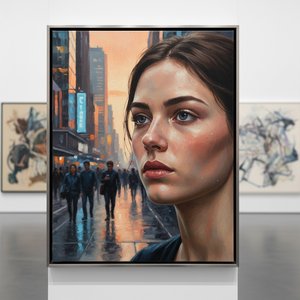
Contemporary Realism: Capturing the Soul of Modern Life Through Hyper-Realistic Art
Explore the profound depth of Contemporary Realism. Discover how hyper-realistic art captures modern emotion through technical mastery, offering collectors a sophisticated way to preserve the soul of human experience through exquisite, museum-quality oil paintings and fine art.
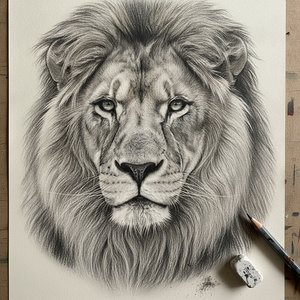
Mastering Graphite Pencil: The Ultimate Expert Guide to Achieving Depth, Texture, and Hyper-Realistic Detail
Elevate your artistry with our expert guide to mastering graphite pencil. Learn professional techniques for achieving profound depth, intricate textures, and hyper-realistic details through advanced shading, layering, and precision tool mastery designed for serious art students.
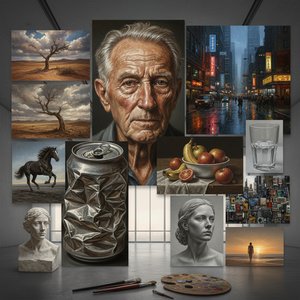
Realismo Contemporâneo: 10 Obras-Primas que Moldaram a Arte Moderna | OriginalUniqueArt
Descubra as 10 obras-primas do Realismo Contemporâneo que revolucionaram a arte moderna! Explore a história, técnica e emoção por trás de artistas como Lucian Freud e Gerhard Richter. Encontre reproduções de alta qualidade em OriginalUniqueArt.com.

Gerhard Richter: A Retrospective on Abstraction, Memory & the Photographic Source
Explore the profound world of Gerhard Richter's abstract paintings. Discover his techniques, influences, and lasting impact on contemporary art – a guide for discerning collectors.
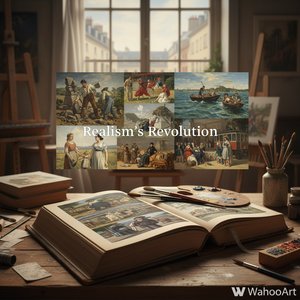
Realismo na Arte: 10 Obras-Primas que Mudaram a História | OriginalUniqueArt
Descubra as 10 obras-primas do Realismo que revolucionaram a arte! Explore Courbet, Millet e outros mestres. Reproduções de alta qualidade para decorar sua casa com história e emoção. Explore a coleção completa em OriginalUniqueArt.com


