

 Visualizar em escala
 Enviar
 Compartilhar
 Ver detalhes
 Guia de Obras do Aluno

 Baixar imagem
 Semelhantes
 Raio X
 Apresentação de slides
 Estatísticas
Diana and Endymion
 Oil On Canvas
- WallArt
- Baroque
 1680
1680 177.0 x 119.0 cm
 Rijksmuseum
 Ver mais
Giclée / Impressão de Arte
Impressão giclée ou em tela de qualidade de museu, com produção rápida e opções flexíveis de acabamento. ( Encomendar reprodução pintada à mão Ver Imagem Digital)




P118B $10

P118H $10

P118W $10

P438Z $10

P508JH $12

P508YH $12

P805H $10

P805Z $10

P919BZ $10

P919G $10

P919XJ $10

P959ZH $10

P968JZ $12

W106C $8

W218G $10

W218JH $8

W218Y $10

W307PJ $10

W316G $10

W316PJ $8

W316Y $10

W398PJ $8

W4111J $10

W500HY $15

W500JH $15

W692G $12

W849H $8

W940BG $15

W953PJ $8




Escolha entre os nossos tamanhos pré-definidos que respeitam as proporções originais da obra de arte.

Você pode inserir suas próprias dimensões para se ajustar a uma moldura ou espaço específico. Se o tamanho selecionado não corresponder às proporções da imagem original, iremos recortar a obra de arte ou estender a imagem com uma borda espelhada ou preenchimento sólido. Um mockup digital será enviado para sua aprovação antes do início da produção.
Por favor, observe que a visualização na tela não reflete o recorte ou a extensão real. Apenas o mockup mostrará com precisão a composição final.
Embora tamanhos personalizados estejam disponíveis, recomendamos selecionar uma dimensão da lista predefinida para preservar as proporções originais.
Entrega mundial () em 2 semanas, em vez das 4/5 semanas padrão. (25 Setembro)

Envio expresso gratuito para todo o mundo

Tela de Linho Premium

Seguro de transporte total

Garantia de Reembolso de Impostos Alfandegários

Garantia de Fidelidade de Cor

Política de Devolução em 100 Dias (Apenas para Defeitos)

Garantia de reembolso de 100%

Desconto para múltiplas unidades
 A opção de vidro está disponível apenas para tamanhos inferiores a 110 cm

Diana and Endymion
Giclée / Impressão de Arte
Dimensões da Reprodução
-


Preço Total
$ 80
A Glimpse of Eternal Beauty: Gérard de Lairesse’s “Diana and Endymion”
Gérard de Lairesse's "Diana and Endymion," painted in 1680, is more than just a depiction of classical mythology; it’s an exquisite distillation of Baroque elegance, imbued with a profound sense of serenity and poignant longing. Housed within the hallowed halls of the Rijksmuseum in Amsterdam, this oil on canvas invites viewers into a private moment between the goddess Diana and her eternally youthful lover, Endymion – a scene rendered with breathtaking technical skill and an undeniable emotional resonance.
The painting immediately captivates with its masterful use of light and shadow, a hallmark of de Lairesse’s signature style. Chiaroscuro, borrowed from the dramatic techniques of Caravaggio and Rembrandt, is deployed to sculpt the figures, creating a palpable sense of volume and depth. The cool, silvery luminescence emanating from the moon dominates the composition, bathing the scene in an ethereal glow that softens the edges of the forms and lends an air of otherworldly beauty. Notice how the light delicately highlights Diana’s flowing gown and the contours of Endymion's reclining form, drawing our eye to their intimate connection.
A Mythic Encounter: Story and Symbolism
The narrative unfolds with a quiet grace – Diana, poised and regal in her ivory robes, extends her hand towards Endymion, who lies peacefully reclined on the mossy bank. The story, rooted in Greek mythology, speaks of Zeus’s desire to preserve Endymion's youthful beauty, granting him eternal sleep while allowing Diana nightly visits. This isn’t a scene of passionate embrace; rather, it’s one of gentle communion, a shared moment of tranquility amidst the vastness of the night. The inclusion of the moon, a potent symbol of Diana’s dominion and feminine power, reinforces this theme of celestial grace.
Beyond the literal narrative, “Diana and Endymion” is rich in symbolic meaning. The setting – a secluded natural landscape – suggests an escape from the complexities of human affairs, a realm where beauty and serenity reign supreme. The bare branches of the tree in the background could represent mortality and the passage of time, subtly contrasting with Endymion’s eternal youth. Furthermore, the painting speaks to themes of love, devotion, and the pursuit of timeless beauty – concepts that have resonated throughout art history for centuries.
The Artistry of a Master: Technique and Detail
De Lairesse's technical prowess is evident in every brushstroke. The figures are rendered with remarkable realism, yet imbued with an almost dreamlike quality. Observe the delicate rendering of Endymion’s skin, the subtle folds of Diana’s drapery, and the meticulous detail lavished upon the surrounding foliage. His use of color is restrained but effective, creating a harmonious palette that enhances the painting's overall sense of elegance and sophistication.
The composition itself is carefully balanced, with the figures arranged in a visually pleasing manner. The diagonal line created by Endymion’s reclining form leads the eye through the scene, while the verticality of Diana anchors the composition. De Lairesse's mastery of perspective and his ability to create a convincing sense of depth are truly remarkable.
A Legacy of Beauty: Context and Influence
"Diana and Endymion" stands as a pivotal work in the history of Dutch Baroque painting, reflecting the artistic trends of its time while also establishing de Lairesse’s unique style. Influenced by both Italian classicism and French courtly art, he created a synthesis that was distinctly his own – characterized by a refined elegance, dramatic lighting, and an emphasis on emotional expression. His work helped to elevate the status of painting as a serious artistic pursuit, contributing significantly to the flourishing of Dutch Golden Age art.
Reproductions of this masterpiece offer a remarkable opportunity to experience the beauty and artistry of de Lairesse’s vision. Whether displayed in a grand salon or a more intimate setting, “Diana and Endymion” continues to captivate viewers with its timeless appeal – a testament to the enduring power of classical mythology and the genius of one of Holland's greatest painters.
Biografia do Artista
Gérard de Lairesse: Uma Figura Proeminente do Barroco Belga
Gérard de Lairesse (1640-1711) foi um pintor belga de grande relevância, cuja trajetória contribuiu significativamente para o florescimento e o desenvolvimento da arte barroca durante o século XVII. Nascido em Liège, na Bélgica, sua carreira atravessou um período de profunda transformação artística por toda a Europa, deixando um legado eterno marcado por composições dramáticas, um uso magistral do jogo entre luz e sombra e uma influência indelével sobre as gerações subsequentes de mestres.
Primeiros Anos e Formação: Os Alicerces de uma Carreira Artística
- Nascimento e Origens: Gérard de Lairesse nasceu em Liège, Bélgica, no ano de 1640.
- Aprendizado sob Erasmus II Massius: Sua jornada artística teve início sob a tutela de Erasmus II Massius, um pintor respeitado da região. Esta experiência fundamental proporcionou-lhe as habilidades técnicas essenciais e uma introdução primorosa ao universo das artes.
- A Influência de Caravaggio e Rembrandt: De Lairesse foi profundamente inspirado pelas obras de dois gigantes da pintura europeia: Caravaggio e Rembrandt. O uso dramático da luz e da sombra (o tenebrismo) defendido por Caravaggio, somado à profundidade psicológica e ao manejo magistral da luminosidade característicos de Rembrandt, moldaram profundamente seu estilo e técnica artística.
Estilo Artístico e Contribuições Fundamentais: Definindo uma Visão Barroca
- Características Barrocas: As pinturas de De Lairesse são exemplos quintessenciais da arte barroca, caracterizadas por composições dinâmicas, uma emocionalidade intensa e o uso dramático do claro-escuro (chiaroscuro).
- O Domínio do Chiaroscuro: Ele empregou o chiaroscuro com maestria para criar uma sensação de volume, profundidade e um drama acentuado em suas obras, técnica que era o coração da estética barroca.
- Obras Notáveis: Entre suas peças mais celebradas estão "O Martírio de São Sebastião" e "O Batismo de Cristo", que exibem seu comando excepcional de cor, forma e composição. Estas pinturas exemplificam sua capacidade de transmitir narrativas poderosas com uma intensidade emocional avassaladora.
- Além dos Temas Religiosos: Embora reconhecido por suas cenas religiosas, De Lairesse também explorou temas mitológicos, retratos e paisagens, demonstrando uma versatilidade admirável dentro do estilo barroco. Exemplos notáveis incluem "Apolo e Aurora", "Diana e Endímio" e a “Alegoria dos Cinco Sentidos”.
Influências e Legado: Moldando Tendências Artísticas
- A Influência dos Caravaggistas de Utrecht: De Lairesse foi fortemente influenciado pelos Caravaggistas de Utrecht, um grupo de pintores holandeses que adotaram as técnicas dramáticas de iluminação de Caravaggio.
- O Impacto de Peter Paul Rubens: O legado de Peter Paul Rubens, figura dominante na pintura barroca flamenga, também ressoou no trabalho de De Lairesse, embora seu estilo tenha desenvolvido características próprias e distintas.
- Influência sobre Jan van Huchtenburgh: Suas inovações artísticas e técnicas influenciaram artistas posteriores, como Jan van Huchtenburgh, demonstrando o efeito de repercussão de suas contribuições no mundo da arte.
- Retratística e Gravura: A influência de De Lairesse estendeu-se para além da pintura; ele também foi reconhecido por sua retratística e por colaborações com gravadores, como Gerard Valck, que criou gravuras baseadas em seus desenhos originais.
Significância Histórica e Reconhecimento
Gérard de Lairesse ocupa um lugar de destaque na história da arte belga, representando uma figura chave no desenvolvimento da pintura barroca na região. Seu uso habilidoso do chiaroscuro, suas composições dramáticas e suas narrativas emotivas estabeleceram-no como um artista notável de sua época. Hoje, suas obras são reconhecidas por seu mérito artístico e importância histórica, com peças pertencentes a coleções prestigiadas, como a National Gallery em Londres. O OriginalUniqueArt.com oferece reproduções de alta qualidade das obras-primas de De Lairesse, permitindo que entusiastas da arte apreciem suas contribuições fundamentais para o Barroco.

Gérard De Lairesse
1640 - 1711 , Bélgica
Informações Rápidas
- Artistic Movement Or Style: Arte barroca
- Artists Or Movements Influenced By This Artist: ['Jan van Huchtenburgh']
- Artists Who Influenced This Artist:
- Caravaggio
- Rembrandt
- Peter Paul Rubens
- Date Of Birth: 1640
- Date Of Death: 1711
- Full Name: Gérard de Lairesse
- Nationality: Belga
- Notable Artworks:
- Martírio de São Sebastião
- Batismo de Cristo
- Apolo e Aurora
- Diana e Endimião
- Alegoria dos Cinco Sentidos
- Place Of Birth: Liège, Bélgica
Artigos Relacionados

Chiaroscuro and Character: A Definitive Guide to Light and Shadow in the Dutch Baroque Era
Explore the dramatic mastery of the Dutch Baroque era. Discover how masters like Rembrandt used chiaroscuro to transform everyday life into timeless art. An expert guide for collectors and enthusiasts seeking to understand the profound interplay of light and shadow.

Goya: As 25 Obras-Primas que Definem um Mestre da Arte Espanhola | OriginalUniqueArt
Descubra as 25 obras-primas de Francisco Goya, o mestre espanhol do Romantismo. Explore retratos icônicos, gravuras impactantes e a história por trás de 'Saturno Devorando seu Filho' e 'A Majas'. Encontre reproduções de arte exclusivas para decorar sua casa com OriginalUniqueArt.com.

Os 10 Mestres do Barroco Holandês: Obras Essenciais para Decorar com Arte e História
Descubra os 10 mestres do Barroco Holandês! Explore a história e o legado de Rembrandt, Vermeer e outros artistas icônicos. Encontre reproduções de arte de alta qualidade para decorar sua casa com elegância em OriginalUniqueArt.com.
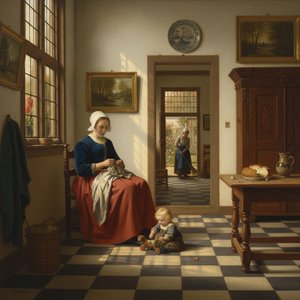
Pieter de Hooch: Illuminating Dutch Domestic Life & Golden Age Charm
Explore the captivating world of Pieter de Hooch, a master of Dutch Golden Age painting. Discover his innovative use of light, intimate domestic scenes, and lasting influence on art history. Learn more at OriginalUniqueArt.

Golden Age Reflections: Dutch Baroque Painting & Cultural Innovation
Explore the Dutch Golden Age of painting! Discover key artists like Vermeer & ter Borch, their innovative techniques, and the rich cultural context behind these Baroque masterpieces. Learn about collecting & appreciating this iconic art period.