

 Visualizar em escala
 Enviar
 Compartilhar
 Ver detalhes

 Baixar imagem
 Semelhantes
 Raio X
 Apresentação de slides
 Estatísticas
Apollo and Aurora
 Acrylic On Canvas
- WallArt
- Baroque
 1671
1671 205.0 x 193.0 cm
 Museu Metropolitano de Arte
 Ver mais
Giclée / Impressão de Arte
Impressão giclée ou em tela de qualidade de museu, com produção rápida e opções flexíveis de acabamento. ( Encomendar reprodução pintada à mão Ver Imagem Digital)




P118B $10

P118H $10

P118W $10

P438Z $10

P508JH $12

P508YH $12

P805H $10

P805Z $10

P919BZ $10

P919G $10

P919XJ $10

P959ZH $10

P968JZ $12

W106C $8

W218G $10

W218JH $8

W218Y $10

W307PJ $10

W316G $10

W316PJ $8

W316Y $10

W398PJ $8

W4111J $10

W500HY $15

W500JH $15

W692G $12

W849H $8

W940BG $15

W953PJ $8




Escolha entre os nossos tamanhos pré-definidos que respeitam as proporções originais da obra de arte.

Você pode inserir suas próprias dimensões para se ajustar a uma moldura ou espaço específico. Se o tamanho selecionado não corresponder às proporções da imagem original, iremos recortar a obra de arte ou estender a imagem com uma borda espelhada ou preenchimento sólido. Um mockup digital será enviado para sua aprovação antes do início da produção.
Por favor, observe que a visualização na tela não reflete o recorte ou a extensão real. Apenas o mockup mostrará com precisão a composição final.
Embora tamanhos personalizados estejam disponíveis, recomendamos selecionar uma dimensão da lista predefinida para preservar as proporções originais.
Entrega mundial () em 2 semanas, em vez das 4/5 semanas padrão. (16 Setembro)

Envio expresso gratuito para todo o mundo

Tela de Linho Premium

Seguro de transporte total

Garantia de Reembolso de Impostos Alfandegários

Garantia de Fidelidade de Cor

Política de Devolução em 100 Dias (Apenas para Defeitos)

Garantia de reembolso de 100%

Desconto para múltiplas unidades
 A opção de vidro está disponível apenas para tamanhos inferiores a 110 cm

Apollo and Aurora
Giclée / Impressão de Arte
Dimensões da Reprodução
-


Preço Total
$ 80
The Dawn of Divine Beauty: Gerard de Lairesse’s Apollo and Aurora
Gerard de Lairesse’s “Apollo and Aurora,” painted in 1671, is more than just a depiction of Greek mythology; it's an immersive experience of light, color, and the burgeoning optimism of the Dutch Golden Age. This magnificent work, now meticulously reproduced as a hand-painted artwork by OriginalUniqueArt.com, transports the viewer to a serene garden bathed in the ethereal glow of dawn, capturing a moment of harmonious union between the god Apollo and his Roman counterpart, Aurora. De Lairesse, a leading figure in Belgian Baroque art, masterfully blended influences from Caravaggio’s dramatic chiaroscuro with the refined elegance of French classical painting, creating a style uniquely his own – one characterized by dynamic compositions, exquisitely rendered figures, and an almost palpable sense of theatricality.
The scene unfolds within a meticulously crafted landscape. A gentle stream meanders through lush greenery, reflecting the soft light emanating from Aurora’s radiant form. Apollo, depicted as a youthful god with flowing hair and a commanding presence, stands poised to offer her a magnificent white horse – a symbol of speed, grace, and divine power. The composition is carefully balanced, drawing the eye effortlessly across the canvas, guiding it through layers of detail and culminating in the central embrace of the deities. Notice the subtle use of color; the warm golds and reds of Apollo’s garments contrast beautifully with Aurora's cool, pearlescent tones, creating a visual dialogue between masculine strength and feminine grace.
A Window into 17th-Century Artistic Innovation
To fully appreciate “Apollo and Aurora,” it’s crucial to understand the artistic context in which it was created. The late 17th century witnessed a remarkable flourishing of art in the Netherlands, fueled by burgeoning trade, wealth, and a spirit of intellectual curiosity. Artists like de Lairesse were deeply influenced by classical antiquity, seeking to emulate the idealized beauty and heroic narratives of ancient Greece and Rome. However, they weren’t mere imitators; instead, they infused these classical themes with their own distinctive sensibilities, resulting in a vibrant and innovative artistic style. De Lairesse's work exemplifies this trend, showcasing his command of technique, his ability to capture the nuances of human emotion, and his willingness to experiment with new approaches to composition and color.
The painting’s subject matter – the union of Apollo and Aurora – held significant symbolic weight. In Greek mythology, Aurora represented the dawn, symbolizing hope, renewal, and the promise of a new day. Her association with Apollo, the god of music, poetry, and light, further elevated her status as a figure of beauty, inspiration, and divine grace. The scene can be interpreted as an allegory for the transition from darkness to light, both literally and metaphorically – representing the triumph of reason over ignorance, or perhaps even the blossoming of artistic creativity within the human spirit.
The Legacy of a Baroque Visionary
Gerard de Lairesse’s legacy extends far beyond this single masterpiece. He was a prolific painter, producing numerous works that adorned palaces and private residences throughout Europe. His influence can be seen in the work of subsequent generations of artists, particularly those who embraced a more idealized and theatrical style. De Lairesse's treatise on painting and drawing, “Grondlegginge Ter Teekenkonst,” became a seminal text for aspiring artists, shaping the development of artistic education and practice during the 18th century. Today, his paintings are treasured for their technical brilliance, their evocative beauty, and their enduring appeal – a testament to the genius of this remarkable Belgian Baroque artist.
Reproduced with meticulous attention to detail by OriginalUniqueArt.com, “Apollo and Aurora” offers art lovers an unparalleled opportunity to experience the grandeur and artistry of this iconic painting. Its rich colors, dynamic composition, and captivating subject matter make it a truly exceptional addition to any collection or interior space.
Biografia do Artista
Gérard de Lairesse: Uma Figura Proeminente do Barroco Belga
Gérard de Lairesse (1640-1711) foi um pintor belga de grande relevância, cuja trajetória contribuiu significativamente para o florescimento e o desenvolvimento da arte barroca durante o século XVII. Nascido em Liège, na Bélgica, sua carreira atravessou um período de profunda transformação artística por toda a Europa, deixando um legado eterno marcado por composições dramáticas, um uso magistral do jogo entre luz e sombra e uma influência indelével sobre as gerações subsequentes de mestres.
Primeiros Anos e Formação: Os Alicerces de uma Carreira Artística
- Nascimento e Origens: Gérard de Lairesse nasceu em Liège, Bélgica, no ano de 1640.
- Aprendizado sob Erasmus II Massius: Sua jornada artística teve início sob a tutela de Erasmus II Massius, um pintor respeitado da região. Esta experiência fundamental proporcionou-lhe as habilidades técnicas essenciais e uma introdução primorosa ao universo das artes.
- A Influência de Caravaggio e Rembrandt: De Lairesse foi profundamente inspirado pelas obras de dois gigantes da pintura europeia: Caravaggio e Rembrandt. O uso dramático da luz e da sombra (o tenebrismo) defendido por Caravaggio, somado à profundidade psicológica e ao manejo magistral da luminosidade característicos de Rembrandt, moldaram profundamente seu estilo e técnica artística.
Estilo Artístico e Contribuições Fundamentais: Definindo uma Visão Barroca
- Características Barrocas: As pinturas de De Lairesse são exemplos quintessenciais da arte barroca, caracterizadas por composições dinâmicas, uma emocionalidade intensa e o uso dramático do claro-escuro (chiaroscuro).
- O Domínio do Chiaroscuro: Ele empregou o chiaroscuro com maestria para criar uma sensação de volume, profundidade e um drama acentuado em suas obras, técnica que era o coração da estética barroca.
- Obras Notáveis: Entre suas peças mais celebradas estão "O Martírio de São Sebastião" e "O Batismo de Cristo", que exibem seu comando excepcional de cor, forma e composição. Estas pinturas exemplificam sua capacidade de transmitir narrativas poderosas com uma intensidade emocional avassaladora.
- Além dos Temas Religiosos: Embora reconhecido por suas cenas religiosas, De Lairesse também explorou temas mitológicos, retratos e paisagens, demonstrando uma versatilidade admirável dentro do estilo barroco. Exemplos notáveis incluem "Apolo e Aurora", "Diana e Endímio" e a “Alegoria dos Cinco Sentidos”.
Influências e Legado: Moldando Tendências Artísticas
- A Influência dos Caravaggistas de Utrecht: De Lairesse foi fortemente influenciado pelos Caravaggistas de Utrecht, um grupo de pintores holandeses que adotaram as técnicas dramáticas de iluminação de Caravaggio.
- O Impacto de Peter Paul Rubens: O legado de Peter Paul Rubens, figura dominante na pintura barroca flamenga, também ressoou no trabalho de De Lairesse, embora seu estilo tenha desenvolvido características próprias e distintas.
- Influência sobre Jan van Huchtenburgh: Suas inovações artísticas e técnicas influenciaram artistas posteriores, como Jan van Huchtenburgh, demonstrando o efeito de repercussão de suas contribuições no mundo da arte.
- Retratística e Gravura: A influência de De Lairesse estendeu-se para além da pintura; ele também foi reconhecido por sua retratística e por colaborações com gravadores, como Gerard Valck, que criou gravuras baseadas em seus desenhos originais.
Significância Histórica e Reconhecimento
Gérard de Lairesse ocupa um lugar de destaque na história da arte belga, representando uma figura chave no desenvolvimento da pintura barroca na região. Seu uso habilidoso do chiaroscuro, suas composições dramáticas e suas narrativas emotivas estabeleceram-no como um artista notável de sua época. Hoje, suas obras são reconhecidas por seu mérito artístico e importância histórica, com peças pertencentes a coleções prestigiadas, como a National Gallery em Londres. O OriginalUniqueArt.com oferece reproduções de alta qualidade das obras-primas de De Lairesse, permitindo que entusiastas da arte apreciem suas contribuições fundamentais para o Barroco.

Gérard De Lairesse
1640 - 1711 , Bélgica
Informações Rápidas
- Artistic Movement Or Style: Arte barroca
- Artists Or Movements Influenced By This Artist: ['Jan van Huchtenburgh']
- Artists Who Influenced This Artist:
- Caravaggio
- Rembrandt
- Peter Paul Rubens
- Date Of Birth: 1640
- Date Of Death: 1711
- Full Name: Gérard de Lairesse
- Nationality: Belga
- Notable Artworks:
- Martírio de São Sebastião
- Batismo de Cristo
- Apolo e Aurora
- Diana e Endimião
- Alegoria dos Cinco Sentidos
- Place Of Birth: Liège, Bélgica
Artigos Relacionados
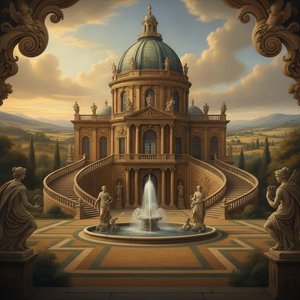
Baroque Classicism: Reconciling Drama & Order in 17th-Century Art
Explore the captivating world of Baroque Classicism! Discover its history, key artists like Caravaggio & Rubens, and defining characteristics. Expert insights & high-quality reproductions at OriginalUniqueArt.

Goya: As 25 Obras-Primas que Definem um Mestre da Arte Espanhola | OriginalUniqueArt
Descubra as 25 obras-primas de Francisco Goya, o mestre espanhol do Romantismo. Explore retratos icônicos, gravuras impactantes e a história por trás de 'Saturno Devorando seu Filho' e 'A Majas'. Encontre reproduções de arte exclusivas para decorar sua casa com OriginalUniqueArt.com.

Sobre nós
Descubra a nossa história! Levamos arte de classe mundial à sua vida através de uma seleção especializada, criações personalizadas e prévias gratuitas. Aprovado por particulares e empresas desde 2000.

Baroque Classicism: The Grandeur of Order and Drama in 17th-Century Art History
Explore the profound elegance of Baroque Classicism. Discover how 17th-century masters synthesized dramatic emotion with classical order through the lens of the Counter-Reformation and the works of legends like Carlo Maratta and Andrea Sacchi.

Os 10 Grandes Mestres do Neoclassicismo: Arte, História e Decoração
Descubra os 10 maiores mestres do Neoclassicismo! Explore a história, técnica e beleza de obras icônicas de David, Ingres e Canova. Encontre reproduções de arte neoclássica para decorar sua casa com elegância em OriginalUniqueArt.com.