

 Visualizar em escala
 Enviar
 Compartilhar
 Ver detalhes
 Guia de Obras do Aluno

 Baixar imagem
 Semelhantes
 Raio X
 Apresentação de slides
 Estatísticas
The Nativity
 Oil
Oil- WallArt
- Northern Renaissance
 1490
1490 76.0 x 56.0 cm
 Museu de Belas Artes (Budapeste)
 Ver mais
Reprodução em Óleo Feita à Mão
Óleo sobre tela pintado à mão no tamanho e moldura de sua escolha, feito sob encomenda pelos nossos artistas. ( Alternar para Impressão Ver Imagem Digital)




P118B €10

P118H €10

P118W €10

P438Z €10

P508JH €12

P508YH €12

P805H €10

P805Z €10

P919BZ €10

P919G €10

P919XJ €10

P959ZH €10

P968JZ €12

W106C €8

W218G €10

W218JH €8

W218Y €10

W307PJ €10

W316G €10

W316PJ €8

W316Y €10

W398PJ €8

W4111J €10

W500HY €15

W500JH €15

W692G €12

W849H €8

W940BG €15

W953PJ €8




Escolha entre os nossos tamanhos pré-definidos que respeitam as proporções originais da obra de arte.

Digite a largura e a altura de que necessita, para se ajustar à sua moldura ou à sua parede. Esta obra é pintada à mão, por isso, para um tamanho com uma proporção diferente, o artista pode pintar um pouco mais ao redor da imagem ou cortar um pouco — você escolhe. Enviamos-lhe uma maquete digital para aprovação antes de a pintura começar. A imagem exibida nesta página não mostra o resultado real — apenas a maquete mostra.
Após o pedido, a equipa OriginalUniqueArt.com enviará um e-mail ao cliente para solicitar instruções e fornecer uma prévia do esboço.
Entrega mundial () em 3 a 4 semanas, em vez das 5 semanas padrão. (22 Outubro). Sem comprometer a qualidade.

Envio expresso gratuito para todo o mundo

Tela de Linho Premium

Seguro de transporte total

Garantia de Reembolso de Impostos Alfandegários

Garantia de Fidelidade de Cor

Política de Devolução em 100 Dias (Apenas para Defeitos)

Garantia de reembolso de 100%

Desconto para múltiplas unidades
 A opção de vidro está disponível apenas para tamanhos inferiores a 110 cm

The Nativity
Técnica de Reprodução
Dimensões da Reprodução
-


Preço Total
€ 262
The Nativity: A Flemish Masterpiece of Serene Devotion
Gerard David’s “The Nativity,” painted around 1490 in Bruges, stands as a testament to the burgeoning artistic spirit of early Netherlandish painting. More than simply a depiction of a biblical scene, it's an immersive experience—a carefully constructed tableau designed to evoke profound contemplation and spiritual resonance. David, a master known for his subtle color palettes and masterful use of light, elevates this familiar narrative through a sophisticated blend of realism, symbolism, and a deeply felt sense of serenity. The painting’s enduring appeal lies not just in its technical brilliance but also in the quiet emotional power it conveys.
The composition itself is meticulously arranged. David skillfully employs atmospheric perspective—a technique borrowed from Italian Renaissance masters—to create a sense of depth, drawing the viewer's eye into the dimly lit stable where the infant Jesus lies nestled within the manger. The figures are rendered with remarkable detail and sensitivity, each face imbued with an expression of profound reverence. Notice particularly the tender gaze of Mary as she cradles her son; Joseph stands beside her, a figure of quiet strength and protection. The shepherds, huddled around the scene, are not depicted as rustic peasants but rather as humble devotees, their faces alight with wonder and awe.
A Symphony of Color and Light
David’s technical prowess is immediately apparent in his masterful manipulation of color and light. He eschews the bright, vibrant hues favored by some of his contemporaries, opting instead for a muted palette dominated by earthy browns, deep blues, and subtle greens. This restrained approach creates an atmosphere of quiet solemnity, emphasizing the sacredness of the event. The use of chiaroscuro—the dramatic contrast between light and shadow—further enhances the painting’s emotional impact, highlighting key figures and creating a sense of mystery and reverence. The soft glow emanating from the infant Jesus is particularly striking, drawing the viewer's attention to this central figure of salvation.
Furthermore, David’s meticulous attention to detail extends beyond the figures themselves. The textures of the manger, the rough wool of the animals, and the folds of Mary’s robe are rendered with astonishing realism. The background cityscape, a stylized representation of Jerusalem, is painted with a delicate precision that adds depth and context to the scene. It's a subtle yet effective reminder of the historical setting and the significance of this pivotal event in Christian theology.
Symbolism and Spiritual Resonance
“The Nativity” is rich in symbolic meaning. The presence of the three wise men, representing the Gentile world’s recognition of Christ as King, underscores the universality of his message. The angels, depicted with their wings outstretched, symbolize divine guidance and protection. Even the animals—the donkey, ox, and ass—carry symbolic weight, representing humility, service, and sacrifice. The painting is not merely a visual representation of a biblical story; it’s an allegory for the arrival of grace and redemption into the world.
David's choice to depict the Nativity alongside the Adoration of the Shepherds—a pairing frequently found in Northern European art—adds another layer of meaning. This juxtaposition highlights the humility of both the divine and human elements involved in the birth of Christ, emphasizing that salvation is offered to all, regardless of social status or worldly position. The scene invites contemplation on themes of faith, hope, and love – core tenets of Christian belief.
A Timeless Masterpiece
“The Nativity” remains a profoundly moving work of art, captivating viewers with its serene beauty and spiritual depth. It’s a painting that speaks to the enduring power of faith and the timeless relevance of the Christmas story. Reproductions of this masterpiece offer an opportunity to bring this exquisite artwork into your home or office, allowing you to experience its quiet grace and profound symbolism every day. Its subtle color palette and masterful composition make it a perfect addition to any collection, evoking a sense of peace and reverence.
Perguntas e Respostas
Qual é o formato de "The Nativity"?
"The Nativity" de Gerard David possui um formato Portrait. O formato descreve as proporções da composição.
"The Nativity" de Gerard David é uma obra de arte conhecida?
"The Nativity" de Gerard David possui um nível de popularidade Recognized. Esta classificação reflete o quão amplamente a obra é reconhecida.
A qual artista "The Nativity" é atribuída?
O artista por trás de "The Nativity" é Gerard David. A obra está catalogada sob o nome de Gerard David.
Biografia do Artista
Um Mestre da Luz Flamenga: A Enigmática Vida e Obra de Gerard David
Gerard David, um nome que ressoa com a brilhante luz do início da pintura flamenga renascentista, permanece um artista envolto em uma intrigante mistério. Nascido por volta de 1460 em Oudewater, na Holanda, sua história de vida é reconstruída a partir de registros arquivísticos fragmentados e do eloquente testemunho de suas obras. Ao contrário de alguns contemporâneos cujas vidas são abundantemente documentadas, o relato pessoal de David é escasso, permitindo que seus quadros falem volumes onde os detalhes biográficos permanecem em silêncio. O que se sabe sugere uma carreira notavelmente bem-sucedida, provavelmente gerenciando oficinas tanto em Antuérpia quanto em Bruges – centros de inovação artística durante a Renascença. Sua reputação declinou no século XVII, apenas para ser gloriosamente resgatada por historiadores da arte do século XIX que reconheceram suas contribuições únicas para a pintura norte-europeia. Ele foi admitido como mestre livre na Corporação dos Imagem Makers e Saddlers em Bruges em 1484, marcando um momento crucial em sua ascensão. Seu envolvimento posterior com a guilda de Antuérpia em 1515 reforça ainda mais sua posição dentro da comunidade artística.
Influências Formativas e Desenvolvimento Artístico
A jornada artística de David começou sob influências que moldaram as próprias bases de seu estilo. Suas primeiras obras revelam uma clara dívida para pintores como Jacob Janszoon, Dieric Bouts e Geertgen tot Sint Jans – mestres que lhe inculcaram uma meticulosa atenção aos detalhes e uma sensibilidade à narrativa religiosa. Acredita-se que ele passou algum tempo em Haarlem absorvendo essas lições antes de se mudar para Bruges, um centro vibrante de intercâmbio artístico que atraía talentos de toda a Europa. Lá, David encontrou as obras-primas de Jan van Eyck, Rogier van der Weyden e Hans Memling, absorvendo suas técnicas enquanto forjava seu próprio caminho distinto. Ele não apenas imitou; sintetizou essas influências em algo singularmente seu – um estilo caracterizado por cores luminosas, composições serenas e uma compreensão cada vez mais sofisticada da paisagem. Suas primeiras pinturas demonstram essa evolução, movendo-se de figuras doll-like, típicas do Haarlem, para formas escultóricas ancoradas em seus ambientes. Essa transição é visível em obras como *Cristo Crucificado*, onde a influência dos estilos de Bouts se mistura com a sensibilidade cromática emergente de David.
Inovação na Paisagem e Narrativa Religiosa
A assinatura artística de Gerard David reside em sua abordagem inovadora tanto à paisagem quanto ao assunto religioso. Ele não estava simplesmente pintando fundos; ele estava criando ambientes imersivos que aprimoravam a ressonância emocional de suas cenas. Suas paisagens não são meramente decorativas, mas componentes integrais da narrativa, frequentemente imbuidas de significado simbólico. Essa fascinação por ambientes naturais – florestas densas, colinas onduladas, céus expansivos – o diferenciava de muitos de seus contemporâneos e prenunciava o desenvolvimento da pintura de paisagem como um gênero independente. Considere *Vista em uma Floresta*, asa externa de um tríptico; não é apenas um cenário, mas um mundo próprio, renderizado com detalhes meticulosos e perspectiva atmosférica. Dentro de suas obras religiosas, David demonstrou uma notável capacidade de transmitir tanto profunda espiritualidade quanto emoção humana. Pinturas como *O Casamento de Santa Catarina* exemplificam essa habilidade. A cena é representada com detalhes exquisitos, mas é a expressão sutil dos personagens – sua piedade, contemplação ou alegria gentil – que realmente cativam o espectador. Ele possuía um dom para imbuir seus assuntos sagrados com uma sensação de dignidade silenciosa e humanidade acessível. O *Triptico da Virgem Encoronada e Santos* em Gênova é outro testemunho de sua maestria, apresentando uma composição harmoniosa cheia de cores vibrantes e detalhes delicados.
Legado e Influência Duradoura
Embora sua fama tenha diminuído após sua morte em 1523, a influência de Gerard David nas gerações posteriores de artistas é inegável. Seu uso inovador da cor, seu domínio magistral da luz e sombra e sua abordagem pioneira à paisagem deixaram uma marca indelével no desenvolvimento da pintura flamenga. Ele pavimentou o caminho para artistas que explorariam ainda mais o potencial expressivo dos ambientes naturais, como Jacob Patinir e Jacob van Ruisdael.
- Uma Ponte Entre Tradições: David conseguiu unir a tradição medieval tardia com o estilo renascentista emergente.
- Influência na Pintura de Paisagem: Sua paisagem detalhada e atmosférica prenunciou o desenvolvimento da paisagem como um gênero distinto.
- Colorista Magistral: Ele era conhecido por sua paleta vibrante e habilidade em usar a cor para criar impacto emocional.
Explorando Mais
- OriginalUniqueArt.com: Descubra uma extensa coleção de pinturas de Gerard David, incluindo *A Adoração dos Magos*.
- Vista em uma Floresta: Explore esta impressionante pintura de paisagem renascentista norte-europeia.
- O Movimento Artístico da Pintura Flamenga Inicial: Aprofunde-se no contexto artístico do trabalho de David.

Gerard David
1450 - 1523 , Países Baixos
Informações Rápidas
- Artistic Movement Or Style: Pintura Flamenga
- Artists Or Movements Influenced By This Artist:
- Jacob Patinir
- Jacob van Ruisdael
- Artists Who Influenced This Artist:
- Jacob Janszoon
- Dieric Bouts
- Geertgen tot Sint Jans
- Date Of Birth: c. 1460
- Date Of Death: 1523
- Full Name: Gerard David
- Nationality: Netherlandês
- Notable Artworks:
- Casamento de Santa Catarina
- Triptico da Virgem Encomendada
- Virgem entre as Virgens
- Place Of Birth: Oudewater, Holanda
Artigos Relacionados
Mastering the Surface: A Historical and Technical Guide to the Art of Oil on Panel Painting
Explore the profound history and technical brilliance of oil on panel painting. From Renaissance masters to modern techniques, discover why this rigid support offers unparalleled precision and permanence for fine art lovers and collectors.
Jacob Henricus Maris: A Master of Dutch Atmospheric Realism & the Intimate Landscape
Explore the captivating world of Jacob Henricus Maris, a leading figure of the Dutch Hague School. Discover his atmospheric landscapes, signature brushstrokes & lasting influence on 19th-century art. Learn more at OriginalUniqueArt.
Fra Angelico: As 25 Obras-Primas que Definem a Arte Renascentista | OriginalUniqueArt
Descubra as 25 obras-primas de Fra Angelico, o mestre renascentista da arte sacra. Explore a beleza dos afrescos e pinturas que inspiram fé e contemplação. Reproduções de alta qualidade em OriginalUniqueArt.com!
David Teniers II: Master of Flemish Genre & Social Commentary
Explore the captivating world of David Teniers II, a leading Flemish Baroque painter renowned for his lively genre scenes & insightful social commentary. Discover his masterpieces and legacy with OriginalUniqueArt.
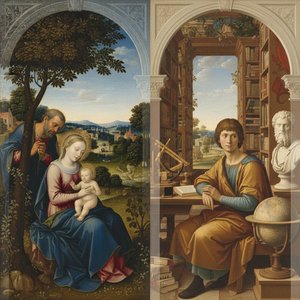
Gerard David: Bridging Late Medieval Tradition with Early Renaissance Humanism
Explore the captivating world of Gerard David, a pivotal figure bridging late medieval artistry with the Early Renaissance. Discover his innovative techniques, religious masterpieces, and enduring legacy – a must-read for discerning art collectors.


