

 Visualizar em escala
 Enviar
 Compartilhar
 Ver detalhes
 Guia de Obras do Aluno

 Baixar imagem
 Semelhantes
 Raio X
 Apresentação de slides
 Estatísticas
Mulher Lendo
 Óleo sobre tela
- Arte de Parede
- Analytical Cubism
 1911
1911- Modernismo
 130.0 x 81.0 cm
 Ver mais
Adquira uma imagem digital de alta resolução e aprimorada, muito superior à prévia online.
Cada arquivo é meticulosamente preparado por nossos especialistas internos, utilizando ferramentas avançadas e retoques manuais de alta precisão. Garantimos que cada imagem apresente clareza excepcional, fidelidade de cores e detalhes minuciosos.
O arquivo final é entregue por e-mail em até 72 horas, otimizado para uso imediato em ambientes profissionais, editoriais e de impressão. Esta é a mesma qualidade utilizada por estúdios de design de alto nível, editoras e galerias.
Imagem Digital
Baixe um arquivo de alta resolução para exibição pessoal, impressão e projetos criativos. ( Alternar para Impressão Encomendar reprodução pintada à mão)
Incluído em cada pedido de imagem digital
Entrega Digital Especializada e Garantida
Ao escolher o OriginalUniqueArt.com, você não está apenas adquirindo uma imagem — você está recebendo uma obra de arte digital profissionalmente aprimorada, elaborada com precisão e com garantia de satisfação. Aqui está tudo o que acompanha seu pedido, automaticamente:

Entrega rápida por e-mail
O seu arquivo de imagem digital em alta resolução será enviado por e-mail em até 72 horas após o pedido — pronto para uso imediato.

Arquivo Digital com IA Otimizado
Sua obra de arte é otimizada profissionalmente por meio de ferramentas avançadas de IA e edição manual, garantindo o máximo de detalhes, clareza e precisão de cores.

Reenvio gratuito vitalício
Apagou ou perdeu o seu ficheiro acidentalmente? Não se preocupe – nós reenviamos para si a qualquer momento, gratuitamente.

Sem Taxas de Importação - Sempre
Desfrute da sua obra de arte instantaneamente, sem taxas alfandegárias, impostos ou custos de entrega — downloads digitais são sempre isentos de taxas.

Garantia de Precisão de Cores
Garantimos que sua imagem digital reflita as cores originais com a maior fidelidade possível, utilizando ferramentas profissionais e gerenciamento de cores.

Garantia de satisfação de 100 dias
Se não estiver satisfeito com a sua imagem digital, nós a revisaremos ou reembolsaremos 100% dentro de 100 dias — sem perguntas.

Garantia de Reembolso 100%
Não está satisfeito? Receba o reembolso total em até 100 dias após o recebimento do seu arquivo digital — sem perguntas.

Descontos para pedidos em lote
Compre 3 imagens, economize 10% - Compre 5, economize 15% - Compre 10+, economize 20%. Ideal para projetos criativos, galerias e agências.
Uma Obra-Prima da Inovação Cubista
A obra "Mulher Lendo" (1911), de Georges Braque, é um exemplo cativante do início do Cubismo, um movimento revolucionário que transformou o mundo da arte. Esta composição intrincada demonstra a maestria de Braque sobre a forma e a perspectiva, convidando os espectadores a explorar a beleza fragmentada da vida moderna.Tema e Composição
A obra retrata uma mulher absorta na leitura, embora sua figura seja abstraída em um complexo conjunto de formas geométricas e planos sobrepostos. Esta fragmentação deliberada desafia a representação tradicional, refletindo o fascínio de Braque pelas múltiplas perspectivas. A ausência de um ponto focal único encoraja os observadores a se envolverem profundamente com a peça, descobrindo novos detalhes a cada olhar.Estilo e Técnica
O estilo de Braque em "Mulher Lendo" é essencialmente cubista, caracterizado por sua abordagem analítica da forma e do espaço. Ele utiliza linhas nítidas e angulares e formas sobrepostas para criar uma sensação de profundidade e dinamismo. A paleta terrosa e suave — dominada por tons de marrom, bege, cinza e preto — adiciona uma qualidade contemplativa ao trabalho. A técnica de Braque envolve a sobreposição e a texturização da tinta, resultando em uma superfície ricamente tátil que realça a dimensionalidade da obra de arte.Contexto Histórico
Criada em 1911, "Mulher Lendo" é fruto do período de colaboração de Braque com Pablo Picasso, época em que ambos foram pioneiros do Cubismo. Este movimento buscou romper com as convenções artísticas tradicionais ao representar objetos a partir de múltiplos pontos de vista simultaneamente. A obra reflete o estudo profundo de Braque sobre as ideias de Paul Cézanne acerca da perspectiva e da geometria, bem como seu interesse pelas complexidades da vida moderna.Simbolismo e Interpretação
Embora abstrata, "Mulher Lendo" pode ser interpretada como uma meditação sobre a natureza fragmentada da experiência humana. As formas sobrepostas e as múltiplas perspectivas podem simbolizar a interconexão de pensamentos e emoções, enquanto o ato de ler sugere introspecção e engajamento intelectual. O uso de temas cotidianos por Braque em um estilo inovador ressalta sua crença na beleza dos momentos comuns.Impacto Emocional
A ressonância emocional de "Mulher Lendo" reside em sua capacidade de evocar uma sensação de contemplação silenciosa. Os detalhes intrincados e as texturas em camadas convidam os espectadores a pausar e refletir, tornando-a uma adição poderosa a qualquer coleção de arte ou espaço interior. Seja exibida em uma sala de estar moderna, um escritório ou um ambiente de galeria, esta obra desperta conversas e adiciona profundidade ao seu entorno.Por que Escolher Esta Reprodução?
Para amantes da arte, colecionadores e designers de interiores que buscam uma reprodução de alta qualidade de uma obra seminal do Cubismo, "Mulher Lendo" oferece um apelo atemporal. Seu estilo sofisticado e texturas ricas fazem dela uma peça versátil que complementa decorações tanto contemporâneas quanto tradicionais. Ao trazer esta obra-prima para o seu espaço, você honra o legado de Braque ao mesmo tempo em que valoriza o seu ambiente com um pedaço da história da arte. Explore nossas reproduções meticulosamente elaboradas de "Mulher Lendo" em OriginalUniqueArt.com e traga o gênio de Georges Braque para o seu mundo.Perguntas e Respostas
Como faço para baixar a imagem de "Mulher Lendo" de Georges Braque?
"Mulher Lendo" de Georges Braque pode ser descarregado na página de Baixar da obra, como download de imagem digital em alta resolução.
Qual é o tamanho de "Mulher Lendo" de Georges Braque na vida real?
A obra original "Mulher Lendo" de Georges Braque mede 130 x 81 cm.
Qual é a técnica e o tamanho do original de "Mulher Lendo" de Georges Braque?
"Mulher Lendo" foi realizada em Óleo sobre tela e mede 130 x 81 cm em sua forma original.
Biografia do Artista
Early Life and Artistic Foundations
Georges Braque, nascido em Argenteuil, França, em 1882, embarcou em um caminho profundamente entrelaçado com a evolução do cenário artístico moderno. Sua criação dentro de uma família de pintores e decoradores de casas lhe infundiu não apenas uma maestria técnica dos materiais, mas também uma apreciação precoce pela forma e estrutura. Embora inicialmente seguisse os passos de seu pai no mesmo ofício, as inatas inclinações artísticas de Braque logo o levaram a um treinamento formal na École des Beaux-Arts em Le Havre, marcando o início de sua jornada para se tornar um dos pintores mais influentes do século XX. Essa base—uma combinação de artesanato prático e estudo acadêmico—se provou crucial ao longo de seu posterior trabalho em deconstruir e reimaginar as convenções artísticas tradicionais.
Em 1902, Braque se mudou para Paris, continuando seus estudos na Académie Humbert, imergindo-se no vibrante ambiente artístico da cidade. Foi aqui que ele encontrou artistas como Marie Laurencin e Francis Picabia, forjando conexões que moldariam seu desenvolvimento inicial. Suas primeiras obras refletiam as influências predominantes do Impressionismo e Pós-Impressionismo, mas um encontro crucial com as cores ousadas e a liberdade expressiva do Fauvismo em 1905 acendeu uma nova direção em sua exploração artística.
The Embrace of Fauvism and the Dawn of Cubism
A adoção de princípios Fauvistas por Braque—caracterizada por cores intensas, não naturalísticas e expressão emocional—é vividamente exemplificada em pinturas como The Patience. Este período viu-o trabalhando ao lado de artistas como Henri Matisse e André Derain, experimentando com paletas vibrantes e formas simplificadas. No entanto, o envolvimento de Braque com o Fauvismo não era meramente imitativo; ele infundiu-o com uma sensibilidade única, temperando a exuberância descontrolada do movimento com uma abordagem mais restrita e analítica.
Um ponto de virada chegou em 1907 com sua exposição à retrospectiva da obra de Paul Cézanne. A ênfase de Cézanne na forma geométrica e nas múltiplas perspectivas impactou profundamente Braque, preparando o cenário para sua colaboração revolucionária com Pablo Picasso. Começando em 1908, esses dois titãs artísticos embarcaram em um período de intenso intercâmbio intelectual que daria origem ao Cubismo—um movimento revolucionário que abalou as noções tradicionais de representação.
Juntos, Braque e Picasso desenvolveram o Cubismo Analítico, desmembrando objetos em formas geométricas fragmentadas e apresentando múltiplas perspectivas simultaneamente. Obras como Houses at L'Estaque demonstram esta fase inicial, mostrando uma ruptura radical com a perspectiva convencional e um foco na estrutura subjacente das formas. Sua paleta se tornou deliberadamente acinzentada, enfatizando a forma sobre a cor, à medida que buscavam representar a totalidade da presença de um objeto em vez de apenas sua aparência.
Innovation Through Fragmentation and Collage
A parceria entre Braque e Picasso continuou a expandir os limites da expressão artística, levando ao desenvolvimento do Cubismo Sintético por volta de 1912. Esta fase viu a introdução do *papier collé*—a incorporação de materiais do mundo real, como recortes de jornais, papel de parede e tecido, em pinturas. Esta inovação desafiou a hierarquia tradicional entre pintura e escultura, borrando as linhas entre arte e vida.
O uso pioneiro de *papier collé* por Braque marcou um ponto de virada significativo em sua evolução artística. Ao integrar fragmentos de objetos cotidianos em suas composições, ele interrompeu o espaço ilusório tradicional da pintura e introduziu um novo nível de materialidade e textura. Esta técnica não apenas expandiu as possibilidades formais da arte, mas também refletiu um crescente interesse na relação entre representação e realidade.
Later Years and Enduring Legacy
Após a guerra, o estilo de Braque evoluiu além das rígidas limitações do Cubismo, incorporando elementos da composição clássica e um renovado interesse pela natureza morta. Embora mantivesse as influências geométricas que haviam definido seu trabalho anterior, ele desenvolveu uma abordagem mais sutil e contemplativa à pintura. Suas paisagens e interiores posteriores são caracterizadas por sua atmosfera serena e harmonias sutis de cor.
Ao longo de sua carreira, Braque permaneceu comprometido em explorar os princípios fundamentais da forma, espaço e representação. Continuou a experimentar com diferentes materiais e técnicas, expandindo as fronteiras da expressão artística até sua morte em 1963. Sua influência nas gerações posteriores de artistas é imensurável, moldando o curso da arte moderna e inspirando inúmeros pintores, escultores e colagistas.
O legado de Georges Braque transcende suas obras individuais; ele alterou fundamentalmente nossa compreensão de como percebemos e representamos o mundo ao nosso redor. Sua colaboração com Picasso, combinada com sua própria visão artística única, selou seu lugar como um verdadeiro pioneiro da arte moderna—um mestre que ousou desafiar as convenções e redefinir as possibilidades da pintura.
Influences and Notable Works
- Influenced By: Henri Matisse, André Derain, Paul Cézanne
- Key Works: Houses at L'Estaque, The Patience, Violin and Palette, Mandola
- Impact on Art History: Revolutionized 20th-century art through Cubism; challenged traditional notions of perspective and representation.
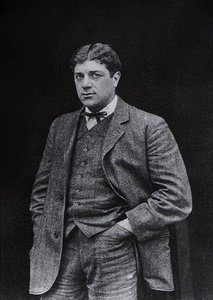
Georges Braque
1882 - 1963 , França
Informações Rápidas
- Artistic Movement Or Style: Cubismo, Fauvismo
- Artists Or Movements Influenced By This Artist: ['Pablo Picasso']
- Artists Who Influenced This Artist:
- Henri Matisse
- André Derain
- Date Of Birth: 13 de maio de 1882
- Date Of Death: 31 de agosto de 1963
- Full Name: Georges Braque
- Nationality: Francês
- Notable Artworks:
- Casas em L'Estaque
- A Paciência
- Place Of Birth: Argenteuil, França