

 Visualizar em escala
 Enviar
 Compartilhar
 Ver detalhes
 Guia de Obras do Aluno

 Baixar imagem
 Semelhantes
 Raio X
 Apresentação de slides
 Estatísticas
Brown Still Life
 Oil On Canvas
- WallArt
- Analytical Cubism
 1932
1932- Modern
 194.0 x 129.0 cm
 Ver mais
A obra de arte exibida nesta página é protegida por leis de direitos autorais, o que significa que não podemos criar ou vender legalmente uma reprodução idêntica. Esta proteção é aplicada por meio de acordos internacionais, tais como a Convenção de Berna e pelas leis nacionais, incluindo as estabelecidas por Lei de Direitos Autorais dos EUA - Título 17.
Este método cumpre plenamente as regulamentações de direitos autorais, pois não envolve a cópia ou duplicação da obra protegida. Em vez disso, trata-se de uma reinterpretação criativa — uma nova pintura que é influenciada pela original, mas não idêntica a ela.
Giclée / Impressão de Arte
Impressão giclée ou em tela de qualidade de museu, com produção rápida e opções flexíveis de acabamento. ( Encomendar reprodução pintada à mão Ver Imagem Digital)




P118B €10

P118H €10

P118W €10

P438Z €10

P508JH €12

P508YH €12

P805H €10

P805Z €10

P919BZ €10

P919G €10

P919XJ €10

P959ZH €10

P968JZ €12

W106C €8

W218G €10

W218JH €8

W218Y €10

W307PJ €10

W316G €10

W316PJ €8

W316Y €10

W398PJ €8

W4111J €10

W500HY €15

W500JH €15

W692G €12

W849H €8

W940BG €15

W953PJ €8




Escolha entre os nossos tamanhos pré-definidos que respeitam as proporções originais da obra de arte.

Digite a largura e a altura de que necessita, para se ajustar à sua moldura ou à sua parede. Uma impressão só pode ser cortada, nunca ampliada além da imagem original, pelo que um tamanho com uma proporção diferente perderá parte da imagem. Enviamos-lhe uma maquete digital para aprovação antes de imprimirmos qualquer coisa. A imagem apresentada nesta página não mostra o corte real — apenas a maquete o faz.
Entrega mundial () em 2 semanas, em vez das 4/5 semanas padrão. (23 Outubro)

Envio expresso gratuito para todo o mundo

Tela de Linho Premium

Seguro de transporte total

Garantia de Reembolso de Impostos Alfandegários

Garantia de Fidelidade de Cor

Política de Devolução em 100 Dias (Apenas para Defeitos)

Garantia de reembolso de 100%

Desconto para múltiplas unidades
 A opção de vidro está disponível apenas para tamanhos inferiores a 110 cm

Brown Still Life
Giclée / Impressão de Arte
Dimensões da Reprodução
-


Preço Total
€ 70
A Moment Frozen in Time: The Soul of Georges Braque’s Brown Still Life
In the quietude of 1932, Georges Braque captured more than just a scene; he captured an atmosphere. “Brown Still Life” stands as a profound testament to the power of Cubism to transcend mere visual representation and touch upon the very essence of domestic tranquility. While the title suggests a focus on inanimate objects, the painting breathes with a hidden vitality, inviting the viewer into a contemplative space where time seems to decelerately pulse. Through his masterful use of geometric fragmentation, Braque invites us to look beyond the surface, challenging our perception of reality and urging us to reconstruct the scene through our own emotional lens.
The composition is a masterclass in the revolutionary techniques Braque developed alongside Pablo Picasso. Moving away from the fleeting light of Impressionism, Braque utilizes the principles of Cubism to dismantle and reassemble the world into interlocking planes. Notice how the chair in the lower left corner is not rendered as a singular, solid entity but is instead dissected into a rhythmic arrangement of cubes and rectangles. This technique does not merely show us an object; it presents multiple perspectives simultaneously, creating a sense of depth and complexity that keeps the eye wandering through the textured landscape of the canvas. It is this very tension between structure and fragmentation that makes the piece so captivating for modern collectors.
Symbolism and the Quiet Language of Domesticity
Beyond the technical brilliance lies a deeply moving narrative of connection and continuity. At the heart of the work, the depiction of a woman cradling her child serves as an anchor of tenderness amidst the fractured geometry. This central figure embodies idealized notions of motherhood and familial affection, yet Braque avoids the trap of sentimentality. Instead, he presents this bond with an understated dignity that resonates with a timeless, universal strength. The muted palette of browns, blacks, and golds lends a somber, respectful weight to this maternal embrace, making the scene feel like a sacred memory preserved in amber.
Braque subtly weaves layers of symbolism throughout the composition to enrich its emotional depth. The presence of birds—one perched to the left and another drifting toward the upper right—acts as a delicate metaphor for hope and renewal, punctuating the stillness with a sense of life's persistent movement. Meanwhile, the clock hanging above the woman’s head serves as a poignant memento mori, a quiet reminder of the inexorable passage of time juxtaposed against the enduring, unchanging nature of familial love. For an interior designer, these layers of meaning offer a profound way to introduce narrative and intellectual depth into a curated space.
A Timeless Addition to the Sophisticated Interior
For those seeking to adorn a home or gallery with works of historical significance, “Brown Still Life” offers an unparalleled blend of intellectual rigor and aesthetic warmth. The muted, earthy tones make it an incredibly versatile piece for high-end interior decoration, harmonizing beautifully with both contemporary minimalist settings and classic, richly textured rooms. The painting does not merely occupy space; it commands it, providing a focal point that encourages slow looking and deep thought.
Owning a high-quality reproduction of this masterpiece allows one to bring the revolutionary spirit of the early 20th century into the modern era. It is an investment in atmosphere—a way to surround oneself with the quiet strength, technical mastery, and profound emotional resonance that only a master like Georges Braque can provide. Whether viewed as a study in Cubist form or a meditation on the beauty of everyday life, this artwork remains a breathtaking window into a moment of eternal stillness.
Perguntas e Respostas
"Brown Still Life" de Georges Braque utiliza contrastes fortes ou harmonias suaves?
Em "Brown Still Life", um Gentle contraste é acompanhado por uma Unified Palette harmonia.
Qual é o formato e o tamanho de "Brown Still Life"?
O formato de "Brown Still Life" é Portrait e a obra original mede 194 x 129 cm. Ambas as informações são úteis ao planejar uma reprodução.
"Brown Still Life" apresenta contrastes fortes entre luz e sombra?
O nível de contraste de "Brown Still Life" de Georges Braque é Gentle.
Biografia do Artista
Early Life and Artistic Foundations
Georges Braque, nascido em Argenteuil, França, em 1882, embarcou em um caminho profundamente entrelaçado com a evolução do cenário artístico moderno. Sua criação dentro de uma família de pintores e decoradores de casas lhe infundiu não apenas uma maestria técnica dos materiais, mas também uma apreciação precoce pela forma e estrutura. Embora inicialmente seguisse os passos de seu pai no mesmo ofício, as inatas inclinações artísticas de Braque logo o levaram a um treinamento formal na École des Beaux-Arts em Le Havre, marcando o início de sua jornada para se tornar um dos pintores mais influentes do século XX. Essa base—uma combinação de artesanato prático e estudo acadêmico—se provou crucial ao longo de seu posterior trabalho em deconstruir e reimaginar as convenções artísticas tradicionais.
Em 1902, Braque se mudou para Paris, continuando seus estudos na Académie Humbert, imergindo-se no vibrante ambiente artístico da cidade. Foi aqui que ele encontrou artistas como Marie Laurencin e Francis Picabia, forjando conexões que moldariam seu desenvolvimento inicial. Suas primeiras obras refletiam as influências predominantes do Impressionismo e Pós-Impressionismo, mas um encontro crucial com as cores ousadas e a liberdade expressiva do Fauvismo em 1905 acendeu uma nova direção em sua exploração artística.
The Embrace of Fauvism and the Dawn of Cubism
A adoção de princípios Fauvistas por Braque—caracterizada por cores intensas, não naturalísticas e expressão emocional—é vividamente exemplificada em pinturas como The Patience. Este período viu-o trabalhando ao lado de artistas como Henri Matisse e André Derain, experimentando com paletas vibrantes e formas simplificadas. No entanto, o envolvimento de Braque com o Fauvismo não era meramente imitativo; ele infundiu-o com uma sensibilidade única, temperando a exuberância descontrolada do movimento com uma abordagem mais restrita e analítica.
Um ponto de virada chegou em 1907 com sua exposição à retrospectiva da obra de Paul Cézanne. A ênfase de Cézanne na forma geométrica e nas múltiplas perspectivas impactou profundamente Braque, preparando o cenário para sua colaboração revolucionária com Pablo Picasso. Começando em 1908, esses dois titãs artísticos embarcaram em um período de intenso intercâmbio intelectual que daria origem ao Cubismo—um movimento revolucionário que abalou as noções tradicionais de representação.
Juntos, Braque e Picasso desenvolveram o Cubismo Analítico, desmembrando objetos em formas geométricas fragmentadas e apresentando múltiplas perspectivas simultaneamente. Obras como Houses at L'Estaque demonstram esta fase inicial, mostrando uma ruptura radical com a perspectiva convencional e um foco na estrutura subjacente das formas. Sua paleta se tornou deliberadamente acinzentada, enfatizando a forma sobre a cor, à medida que buscavam representar a totalidade da presença de um objeto em vez de apenas sua aparência.
Innovation Through Fragmentation and Collage
A parceria entre Braque e Picasso continuou a expandir os limites da expressão artística, levando ao desenvolvimento do Cubismo Sintético por volta de 1912. Esta fase viu a introdução do *papier collé*—a incorporação de materiais do mundo real, como recortes de jornais, papel de parede e tecido, em pinturas. Esta inovação desafiou a hierarquia tradicional entre pintura e escultura, borrando as linhas entre arte e vida.
O uso pioneiro de *papier collé* por Braque marcou um ponto de virada significativo em sua evolução artística. Ao integrar fragmentos de objetos cotidianos em suas composições, ele interrompeu o espaço ilusório tradicional da pintura e introduziu um novo nível de materialidade e textura. Esta técnica não apenas expandiu as possibilidades formais da arte, mas também refletiu um crescente interesse na relação entre representação e realidade.
Later Years and Enduring Legacy
Após a guerra, o estilo de Braque evoluiu além das rígidas limitações do Cubismo, incorporando elementos da composição clássica e um renovado interesse pela natureza morta. Embora mantivesse as influências geométricas que haviam definido seu trabalho anterior, ele desenvolveu uma abordagem mais sutil e contemplativa à pintura. Suas paisagens e interiores posteriores são caracterizadas por sua atmosfera serena e harmonias sutis de cor.
Ao longo de sua carreira, Braque permaneceu comprometido em explorar os princípios fundamentais da forma, espaço e representação. Continuou a experimentar com diferentes materiais e técnicas, expandindo as fronteiras da expressão artística até sua morte em 1963. Sua influência nas gerações posteriores de artistas é imensurável, moldando o curso da arte moderna e inspirando inúmeros pintores, escultores e colagistas.
O legado de Georges Braque transcende suas obras individuais; ele alterou fundamentalmente nossa compreensão de como percebemos e representamos o mundo ao nosso redor. Sua colaboração com Picasso, combinada com sua própria visão artística única, selou seu lugar como um verdadeiro pioneiro da arte moderna—um mestre que ousou desafiar as convenções e redefinir as possibilidades da pintura.
Influences and Notable Works
- Influenced By: Henri Matisse, André Derain, Paul Cézanne
- Key Works: Houses at L'Estaque, The Patience, Violin and Palette, Mandola
- Impact on Art History: Revolutionized 20th-century art through Cubism; challenged traditional notions of perspective and representation.
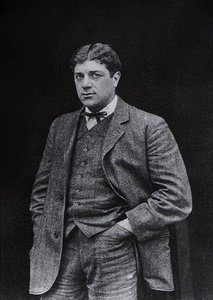
Georges Braque
1882 - 1963 , França
Informações Rápidas
- Artistic Movement Or Style: Cubismo, Fauvismo
- Artists Or Movements Influenced By This Artist: ['Pablo Picasso']
- Artists Who Influenced This Artist:
- Henri Matisse
- André Derain
- Date Of Birth: 13 de maio de 1882
- Date Of Death: 31 de agosto de 1963
- Full Name: Georges Braque
- Nationality: Francês
- Notable Artworks:
- Casas em L'Estaque
- A Paciência
- Place Of Birth: Argenteuil, França
Artigos Relacionados
Deconstructing Reality: A Comprehensive Exploration of Cubist Still Life
Explore the revolutionary world of Cubist Still Life with OriginalUniqueArt. Discover Picasso & Braque's groundbreaking techniques, its philosophical roots, and lasting impact on modern art. Expert insights for collectors.
Cubism Unveiled: How Picasso and Braque Redefined Reality Through Geometric Abstraction
Explore the revolutionary world of Cubism. Discover how masters Pablo Picasso and Georges Braque dismantled reality through geometric abstraction to redefine modern art history.

Paul Cézanne: As 25 Obras-Primas que Definiram um Gênio da Arte Moderna | OriginalUniqueArt
Descubra as 25 obras-primas de Paul Cézanne, o mestre do pós-impressionismo! Explore a história, técnica e cores vibrantes por trás de quadros icônicos como 'Les Baigneurs' e 'Mont Sainte-Victoire'. Encontre reproduções de arte exclusivas para decorar sua casa com elegância em OriginalUniqueArt.com.

Georges Braque: As 25 Obras-Primas Essenciais para Amantes da Arte Moderna | OriginalUniqueArt
Descubra as 25 obras-primas de Georges Braque, pioneiro do Cubismo! Explore a história, cores e técnicas por trás de seus quadros mais famosos. Encontre reproduções de arte exclusivas para decorar sua casa com elegância em OriginalUniqueArt.com.
Georges Braque: Pioneering Cubism & the Evolution of Modern Form
Explore the revolutionary art of Georges Braque, a pioneer of Cubism alongside Picasso. Discover his artistic evolution, key works, and lasting impact on modern art. A guide for discerning collectors.


