

 Visualizar em escala
 Enviar
 Compartilhar
 Ver detalhes
 Guia de Obras do Aluno

 Baixar imagem
 Semelhantes
 Raio X
 Apresentação de slides
 Estatísticas
The Sea


 Ver mais
Giclée / Impressão de Arte
Impressão giclée ou em tela de qualidade de museu, com produção rápida e opções flexíveis de acabamento. ( Encomendar reprodução pintada à mão Ver Imagem Digital)




P118B €10

P118H €10

P118W €10

P438Z €10

P508JH €12

P508YH €12

P805H €10

P805Z €10

P919BZ €10

P919G €10

P919XJ €10

P959ZH €10

P968JZ €12

W106C €8

W218G €10

W218JH €8

W218Y €10

W307PJ €10

W316G €10

W316PJ €8

W316Y €10

W398PJ €8

W4111J €10

W500HY €15

W500JH €15

W692G €12

W849H €8

W940BG €15

W953PJ €8




Escolha entre os nossos tamanhos pré-definidos que respeitam as proporções originais da obra de arte.

Digite a largura e a altura de que necessita, para se ajustar à sua moldura ou à sua parede. Uma impressão só pode ser cortada, nunca ampliada além da imagem original, pelo que um tamanho com uma proporção diferente perderá parte da imagem. Enviamos-lhe uma maquete digital para aprovação antes de imprimirmos qualquer coisa. A imagem apresentada nesta página não mostra o corte real — apenas a maquete o faz.
Entrega mundial () em 2 semanas, em vez das 4/5 semanas padrão. (21 Outubro)

Envio expresso gratuito para todo o mundo

Tela de Linho Premium

Seguro de transporte total

Garantia de Reembolso de Impostos Alfandegários

Garantia de Fidelidade de Cor

Política de Devolução em 100 Dias (Apenas para Defeitos)

Garantia de reembolso de 100%

Desconto para múltiplas unidades
 A opção de vidro está disponível apenas para tamanhos inferiores a 110 cm

The Sea
Giclée / Impressão de Arte
Dimensões da Reprodução
-


Preço Total
€ 70
A Dramatic Encounter: The Essence of “The Sea”
George Wesley Bellows’ “The Sea,” painted in 1911, isn't merely a depiction of an ocean scene; it’s a visceral experience. This oil on canvas, now residing within the Hirshhorn Museum and Sculpture Garden in Washington D.C., captures a pivotal moment – the raw, untamed power of nature colliding with the steadfast solidity of land. The painting immediately draws the viewer into a world of turbulent energy: colossal waves relentlessly assault jagged rocks in the foreground, their crests foaming white against a bruised, dramatic sky. Clouds swirl and gather, hinting at an impending storm, while scattered boats – some bravely battling the elements, others seeking refuge – punctuate the scene with a sense of scale and vulnerability.
Bellows, a key figure in the Ashcan School movement, rejected idealized representations of American life. Instead, he embraced the gritty reality of urban existence and the natural world, often portraying them with unflinching honesty. “The Sea” exemplifies this approach; it’s not a romanticized seascape but a potent portrayal of nature's dominance, rendered with an intensity that reflects Bellows’ own dynamic artistic vision.
Bold Brushstrokes and Vibrant Color: The Artist’s Technique
Examining the painting closely reveals Bellows’ distinctive style. He employed bold, expressive brushstrokes – thick, impastoed layers of paint that convey movement and texture with remarkable immediacy. Notice how he uses short, choppy strokes to depict the crashing waves, contrasting them with broader, more fluid marks for the sky. The color palette is equally impactful: deep blues and greens dominate, punctuated by flashes of white foam and the somber grays of the storm clouds. This masterful use of color not only creates a sense of drama but also establishes a strong visual hierarchy, guiding the viewer’s eye through the composition.
Bellows' technique was deeply influenced by his background as an athlete; he sought to capture the dynamism and physicality of movement within his art. This is particularly evident in the way he portrays the waves – they seem to surge forward with unstoppable force, mirroring the energy of a boxer’s punch or a runner’s stride.
Historical Context: The Ashcan School and American Modernism
To fully appreciate “The Sea,” it's crucial to understand its place within the broader context of early 20th-century American art. The Ashcan School, which Bellows was a prominent member of, rejected the academic traditions of the time and focused on depicting everyday life in New York City – often with unflinching realism. Artists like Robert Henri championed this approach, encouraging their students to paint what they saw without idealization or sentimentality.
“The Sea” reflects this spirit of social observation and artistic experimentation. It’s a powerful statement about the relationship between humanity and nature, capturing a moment of intense confrontation that speaks to both the beauty and the danger inherent in the natural world. The painting was created during a period of rapid industrialization and urbanization in America, and Bellows' work served as a counterpoint to the prevailing narratives of progress and prosperity.
Symbolism and Emotional Resonance
Beyond its technical brilliance, “The Sea” is rich in symbolism. The crashing waves can be interpreted as representing the overwhelming forces of nature, while the boats symbolize humanity’s struggle against these forces. The dark, ominous sky suggests uncertainty and impending change. Yet, amidst this turmoil, there's also a sense of resilience – the boats continue to navigate the storm, demonstrating an enduring spirit of determination.
Ultimately, “The Sea” evokes a powerful emotional response in the viewer. It’s a painting that captures not only a specific moment in time but also a fundamental human experience: our relationship with the wild and unpredictable forces of nature. A high-quality reproduction allows you to bring this evocative masterpiece into your home or office, serving as a constant reminder of the beauty and power of the natural world.
Perguntas e Respostas
Como "The Sea" se encaixa nos temas e no estilo de George Wesley Bellows?
Na produção de George Wesley Bellows, "The Sea" insere-se no estilo Ashcan School, acompanhando os temas de ashcan realism, urban grit, early 20th-century america, social commentary, class divide, boxing scenes, dynamic energy, bellows’ signature style”.
Como as cores de "The Sea" se relacionam entre si?
A harmonia de cores de "The Sea" é registrada como Discordant Palette.
Onde posso ver o original "The Sea" de George Wesley Bellows?
"The Sea" de George Wesley Bellows está em exibição no Hirshhorn Museum and Sculpture Garden, Washington, D.C., Estados Unidos da América. A listagem do museu refere-se à obra original, não a reproduções.
Biografia do Artista
A Bold Vision of American Life: The World of George Bellows
George Wesley Bellows, um nome sinônimo da energia bruta e da modernidade em ascensão na América do início do século XX, emergiu como uma figura central na pintura realista. Nascido em Columbus, Ohio, em 12 ou 19 de agosto de 1882, sua jornada de promessa atlética a reconhecimento artístico é um testemunho do poder da paixão e da dedicação inabalável. Mesmo antes da educação formal, o jovem George demonstrava um talento inerente para desenho, preenchendo cadernos com esboços que prenunciavam o olhar atento e a habilidade em desenvolvimento dentro dele. Sua criação não se concentrava apenas na arte; ele se destacava nos esportes, jogando tanto baseball quanto basquete na Universidade Estadual de Ohio – uma dualidade que influenciaria profundamente sua perspectiva artística, imbuindo seu trabalho com um senso de movimento dinâmico e fisicalidade. Essa formação atlética lhe conferiu não apenas disciplina, mas também apreciação pela forma humana em ação, um tema que se tornaria central em seus quadros mais celebrados. Ele abandonou a universidade pouco antes de se formar, impulsionado por uma irresistível atração para Nova York e a promessa de treinamento artístico.Forjando um Caminho: A Escola Ashcan e Além
Chegando a Nova York em 1904, Bellows encontrou mentoria com Robert Henri, uma figura proeminente da Escola Ashcan. Esse grupo de artistas – incluindo John Sloan, William Glackens e George Luks – deliberadamente se afastou das convenções acadêmicas, optando por retratar a realidade crua da vida urbana: cortiços lotados, ruas movimentadas e as lutas cotidianas dos trabalhadores. Bellows abraçou essa ética com entusiasmo, inicialmente refletindo o pincel solto e o compromisso com o realismo social de Henri. No entanto, ele não estava satisfeito em simplesmente replicar o estilo de seu mestre; possuía uma ambição de forjar sua própria voz artística distinta. Ele estabeleceu um estúdio com o colega artista Edward Keefe em 1906, marcando o início de um período prolífico de experimentação. Seus primeiros trabalhos, exibidos em 1908, foram recebidos com reações mistas – alguns críticos os consideraram grosseiros, enquanto outros reconheceram sua ousada audácia e espírito inovador. O assunto de seus quadros era frequentemente controverso para a época, desafiando as concepções prevalecentes sobre o que constituía “arte aceitável”. Ele não hesitou em retratar os aspectos menos glamourosos da vida urbana, capturando cenas de pobreza, trabalho e lazer com honestidade implacável.O Domínio da Arena: Boxe e Espectáculo Urbano
Embora o conjunto de obras de Bellows abrangesse uma ampla gama de assuntos – retratos, paisagens, paisagens marítimas –, ele é talvez mais conhecido por suas representações poderosas de lutas de boxe. Esses não eram apenas eventos esportivos para ele; eram microcosmos de drama humano, encarnando temas de luta, resiliência e os instintos primais que impulsionam a competição. Ele frequentava clubes de boxe fumarentos, estudando meticulosamente os movimentos dos lutadores, o olhar intenso de seus olhos e a energia bruta da multidão. Quadros como *Both Members of This Club* (1909) e *Stag at Sharkey’s* (1909) são exemplos magistrais de sua capacidade de capturar essa atmosfera, utilizando iluminação dramática, composições dinâmicas e um senso palpável de tensão. As cenas de boxe não eram simplesmente sobre o esporte em si; elas eram metáforas para as batalhas da vida, refletindo o darwinismo social prevalecente na sociedade americana da época. Além do boxe, Bellows também encontrou inspiração em outros espectáculos de vida urbana – paradas, circos e ruas movimentadas – todos oferecendo oportunidades para explorar temas de movimento, energia e a experiência coletiva.Evolução do Estilo e Legado Duradouro
À medida que Bellows amadurecia como artista, seu estilo passou por uma evolução sutil, mas significativa. Embora tenha mantido seu compromisso com o realismo, ele começou a se afastar da pincelada solta de seus primeiros anos, adotando uma estética mais estilizada caracterizada por curvas suaves, formas monumentais e um senso aumentado de drama. Essa mudança é evidente em obras posteriores como *Dempsey and Firpo* (1924), uma tela monumental que captura o momento climático de uma lendária luta de boxe com intensidade arrebatadora. Ele também experimentou com a litografia, produzindo uma série de impressões marcantes que demonstravam sua maestria na linha e no tom. Apesar de alcançar um sucesso considerável durante sua vida – incluindo a eleição para a Academia Nacional de Design em 1913 –, Bellows permaneceu comprometido em desafiar as fronteiras artísticas e as normas convencionais. Sua morte prematura em 1925, aos 42 anos, interrompeu uma carreira promissora, mas seu legado perdura como um dos pintores realistas mais importantes da América – um retrato poderoso e sem compromisso da vida americana no início do século XX – um mundo repleto de energia, conflito e o espírito duradouro da humanidade. Sua influência pode ser vista nas gerações posteriores de artistas que procuraram capturar a dinâmica e a complexidade da vida urbana moderna. George Bellows não pintava apenas quadros; ele documentava uma era.Principais Obras & Reconhecimento
- *Both Members of This Club* (1909) – Uma obra seminal que captura a atmosfera de um clube de boxe.
- *Stag at Sharkey’s* (1909) – Outro quadro icônico que retrata uma luta de boxe, conhecido por sua iluminação dramática e composição.
- *Men of the Docks* (1912) – Uma representação poderosa dos trabalhadores da costa, mostrando a habilidade de Bellows em capturar fisicalidade e textura.
- *The Germans Arrive* (1918) – Uma série de litografias que retratam as atrocidades cometidas durante a Primeira Guerra Mundial, demonstrando seu engajamento com questões sociais e políticas.
- *Dempsey and Firpo* (1924) – Uma tela monumental que captura o momento climático de uma luta de boxe lendária, mostrando o estilo evoluído de Bellows e sua maestria na composição.
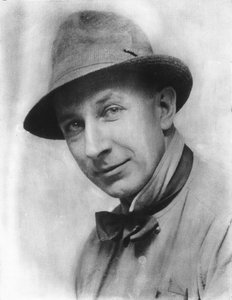
George Wesley Bellows
1882 - 1925 , Estados Unidos da América
Informações Rápidas
- Artistic Movement Or Style: Realismo, Ashcan
- Artists Or Movements Influenced By This Artist: ['Ashcan School']
- Artists Who Influenced This Artist: ['Robert Henri']
- Date Of Birth: 1882
- Date Of Death: 1925
- Full Name: George Wesley Bellows
- Nationality: Americano
- Notable Artworks:
- Both Members
- Stag Sharkey
- Men Docks
- Place Of Birth: Columbus, EUA
Artigos Relacionados

Georges Seurat: As 25 Obras-Primas do Mestre do Pontilhismo | OriginalUniqueArt
Descubra as 25 obras-primas de Georges Seurat, o mestre do pontilhismo! Explore a história, cores vibrantes e técnica inovadora por trás de seus quadros mais famosos. Encontre reproduções de arte exclusivas para decorar sua casa com OriginalUniqueArt.com.

Oil on Canvas: A Historical & Technical Exploration of a Timeless Artistic Medium
Explore the rich history & enduring techniques of oil painting on canvas. Discover the science behind its longevity, conservation practices, and contemporary relevance. Expert insights for art enthusiasts.
The Allure of the Horizon: A Comprehensive Exploration of Seascape Art Through History & Emotion
Explore the captivating world of seascape art! Discover its history, key artists & movements – from Dutch Masters to Impressionism. Expert insights for collectors and enthusiasts at OriginalUniqueArt.

The Enduring Legacy of Oil on Canvas: Technique, History & Aesthetic Impact
Explore the rich history & techniques of oil painting – from Renaissance masters to Impressionism. Discover pigments, layering methods, and why this timeless medium endures. Expert insights for artists & art enthusiasts.

Georges Braque: As 25 Obras-Primas Essenciais para Amantes da Arte Moderna | OriginalUniqueArt
Descubra as 25 obras-primas de Georges Braque, pioneiro do Cubismo! Explore a história, cores e técnicas por trás de seus quadros mais famosos. Encontre reproduções de arte exclusivas para decorar sua casa com elegância em OriginalUniqueArt.com.
