
 Visualizar na parede
 Compartilhar
 Compartilhar
 Detalhes
 Guia
Guia

 Baixar imagem
 Semelhantes
 Raio X
 Ver diaporama
 Perguntas e Respostas
 Estatísticas
Lord Grosvenor

- 99.0 x 83.0 cm


 Ler mais
Giclée / Impressão de Arte
Impressão giclée ou em tela de qualidade de museu, com produção rápida e opções flexíveis de acabamento. ( Comprar pintura feita à mão Alternar para Imagem Digital)




P118B €10

P118H €10

P118W €10

P438Z €10

P508JH €12

P508YH €12

P805H €10

P805Z €10

P919BZ €10

P919G €10

P919XJ €10

P959ZH €10

P968JZ €12

W106C €8

W218G €10

W218JH €8

W218Y €10

W307PJ €10

W316G €10

W316PJ €8

W316Y €10

W398PJ €8

W4111J €10

W500HY €15

W500JH €15

W692G €12

W849H €8

W940BG €15

W953PJ €8




Escolha entre os nossos tamanhos pré-definidos que respeitam as proporções originais da obra de arte.

Insira a largura e a altura desejadas para se ajustarem à sua moldura ou parede. Uma impressão pode ser apenas cortada, nunca ampliada além da imagem original; portanto, um tamanho com proporções diferentes resultará na perda de parte da imagem. Enviamos uma maquete digital para sua aprovação antes de realizarmos a impressão. A imagem exibida nesta página não mostra o corte real — apenas a maquete o faz.
Entrega mundial () em 2 semanas, em vez das 4/5 semanas padrão. (7 Novembro)

Envio expresso gratuito para todo o mundo

Tela de Linho de Alta Qualidade

Seguro de transporte completo

Garantia de Reembolso de Impostos Alfandegários

Garantia de Fidelidade Cromática

Política de Devolução em 100 Dias (Apenas para Defeitos)

Garantia de reembolso de 100%

Oferta de desconto por quantidade
 A opção de vidro está disponível apenas para tamanhos inferiores a 110 cm

Lord Grosvenor
Giclée / Impressão de Arte
Tamanho da Reprodução
-


Preço Total
€ 72
The Equestrian Vision of George Stubbs
George Stubbs' "Lord Grosvenor’s Arabian Stallion with a Groom," painted in 1765, isn’t merely a portrait; it’s a meticulously crafted tableau vivant—a snapshot of aristocratic leisure and the profound connection between man and beast. Stubbs, already recognized as the foremost painter of horses of his era, transcends simple representation, instead offering a deeply considered study of anatomy, movement, and psychological nuance. This work exemplifies his pioneering approach to animal painting, firmly rooted in scientific observation yet imbued with a distinctly Romantic sensibility.
The scene unfolds within a softly rendered English landscape—rolling hills bathed in the golden light of late afternoon. The composition is dominated by the magnificent Arabian stallion, poised and alert, its muscular form captured with astonishing accuracy. Stubbs’s anatomical knowledge, honed through years of dissecting horses (a practice considered radical at the time), is immediately apparent in the precise rendering of every muscle, tendon, and bone. Yet, this isn't a cold, clinical study; the horse radiates vitality, its ears pricked forward, nostrils flared, conveying an intense awareness of its surroundings.
A Masterclass in Technique – Light, Shadow, and Sabino Markings
Stubbs’s mastery lies not just in his anatomical precision but also in his masterful manipulation of light and shadow. He employs a low horizon line, drawing the viewer's eye upwards to the horse, emphasizing its imposing presence against the backdrop of the landscape. The warm tones of the chestnut stallion—rich browns, golds, and russets—are contrasted with the cooler greens and blues of the foliage, creating a dynamic interplay of color that adds depth and realism to the scene. Notably, Stubbs meticulously portrays the horse’s unique genetic Sabino markings – the broad blaze running down its forehead, the striking white stockings, and the delicate white spots adorning its belly and sides—demonstrating an almost obsessive attention to detail.
The groom, a figure of quiet dignity, stands in stark contrast to the stallion’s spirited energy. Dressed in a dark suit, he exudes a reassuring presence, his posture suggesting years of experience and a deep understanding of horses. This juxtaposition—the youthful exuberance of the horse and the seasoned calm of its handler—adds another layer of complexity to the composition, hinting at the symbiotic relationship between man and animal.
Historical Context & Romantic Ideals
Painted during the mid-18th century, “Lord Grosvenor’s Arabian Stallion with a Groom” reflects the prevailing artistic trends of the time. Stubbs' work aligns with the burgeoning Romantic movement, which emphasized emotion, individualism, and the sublime beauty of nature. Unlike the rigid formality of Neoclassical art, Stubbs’s painting embraces a more naturalistic approach, capturing the essence of the subject rather than adhering to idealized forms. The inclusion of the landscape—a carefully constructed vista that evokes a sense of tranquility and grandeur—further reinforces this Romantic sensibility.
The portrait itself was commissioned for Richard Grosvenor, 7th Baronet, and 1st Earl Grosvenor, a prominent figure in English society. Such commissions were not merely about depicting a horse; they represented a celebration of aristocratic status, wealth, and the connection to the land. The painting served as a visual testament to the family’s equestrian pursuits and their appreciation for fine horses.
A Timeless Appeal – Reproduction & Beyond
“Lord Grosvenor’s Arabian Stallion with a Groom” remains a captivating work of art, admired for its technical brilliance, emotional depth, and historical significance. Reproductions offer an accessible way to experience the beauty and artistry of this iconic painting, bringing its timeless appeal into any home or office space. When selecting a reproduction, consider the quality of materials and the artist’s interpretation – ensuring that it faithfully captures Stubbs' original vision while maintaining a high level of detail and vibrancy.
Perguntas e Respostas
"Lord Grosvenor" é típico do que George Stubbs costumava criar?
Os temas recorrentes de George Stubbs incluem classical anatomy, romantic style, aristocratic patronage, equestrian art, animal studies, scientific accuracy, british landscape, rural life; "Lord Grosvenor" foca em horse, equestrian, portraiture, groom, landscape, sabino, anatomy, 18th century.
De onde vêm os visitantes de "Lord Grosvenor", de George Stubbs?
Existe uma página de Estatísticas para "Lord Grosvenor". Ela apresenta o gráfico de visitas mensais da obra e de outras obras do artista, com detalhamento por país e idioma.
Em que ano e em qual movimento foi feita a obra "Lord Grosvenor"?
"Lord Grosvenor" foi criada em 1765 como uma obra do movimento Romanticism. A data e o movimento situam a obra na história da arte.
Biografia do Artista
Early Life and Training
George Stubbs, a name synonymous with the majestic depiction of horses in art, was born on August 25th, 1724, in Liverpool, a bustling port city at the heart of England’s burgeoning colonial trade. His early years were marked by a modest upbringing; his father, John Stubbs, worked as a leather-dresser, a craft that initially shaped young George's path. However, from a remarkably young age – around the age of fifteen – he displayed an undeniable passion for art, diverging from his family’s traditional profession to pursue his artistic ambitions. He sought out apprenticeship with Hamlet Winstanley, a local painter and engraver, gaining a foundational understanding of technique and artistic principles. This brief but formative period provided him with access to the collection at Knowsley Hall, an estate belonging to Winstanley's family, exposing Stubbs to a wealth of classical art and inspiring his own artistic vision. It was during this time that he began to develop his keen eye for detail and his fascination with anatomy, laying the groundwork for his future masterpieces.Artistic Development and Notable Works
Stubbs’s dedication to anatomical study proved pivotal in shaping his distinctive style. Recognizing the importance of understanding the underlying structure of animals, he moved to York in 1744, where he became an assistant to Charles Atkinson, a surgeon at York County Hospital. This immersion in medical science provided him with unparalleled insight into animal musculature and skeletal systems – knowledge that would later manifest in his remarkably accurate and lifelike depictions of horses. A significant milestone in Stubbs’s career occurred in 1756 when he rented a farmhouse in Lincolnshire, establishing a dedicated studio where he spent an astonishing eighteen months meticulously dissecting horses. This intensive period of study culminated in the publication of *Anatomy of the Horse* in 1766, a groundbreaking work that showcased his anatomical precision and cemented his reputation as a scientific artist. The illustrations from this book are now housed at the Royal Academy, testament to their enduring value and artistic merit. It was during this time that he began receiving commissions from prominent aristocratic patrons, including the Duke of Richmond, who commissioned three large paintings in 1759 – a turning point that propelled Stubbs into the realm of established success.The Rise of Romanticism and Iconic Paintings
Stubbs’s artistic trajectory reached its zenith with his groundbreaking series of paintings depicting a lion attacking a horse. These works, particularly *A Lion Attacking a Horse*, are considered seminal examples of the burgeoning Romantic movement in art. Departing from the rigid conventions of classical painting, Stubbs infused these scenes with dramatic intensity, capturing not just the physical struggle but also the raw emotion and primal instincts of the animals involved. Notably, his paintings for the Duke of Rockingham – *Whistlejacket* and two other works – broke with established artistic norms by featuring plain backgrounds, a bold move that prioritized the dynamism and power of the subject matter over elaborate ornamentation. *Whistlejacket*, a painting of a thoroughbred racehorse rising on his hind legs, is arguably Stubbs’s most famous work, instantly recognizable for its captivating portrayal of equine athleticism and its subtle yet profound commentary on the social hierarchy of horse racing. The National Gallery in London proudly houses this iconic masterpiece.Legacy and Historical Significance
George Stubbs's legacy extends far beyond his individual paintings; he fundamentally transformed the way horses were depicted in art, elevating them to a position of dignity and grandeur. His meticulous anatomical studies, combined with his masterful use of color, light, and composition, created images that are both scientifically accurate and emotionally resonant. Stubbs’s influence can be seen in the works of subsequent generations of artists, solidifying his place as one of the most important figures in British art history. He was not merely a painter of horses; he was an innovator, a pioneer, and a visionary who captured the essence of animal life with unparalleled skill and insight. His work continues to inspire awe and admiration, serving as a testament to the enduring power of artistic observation and creative expression.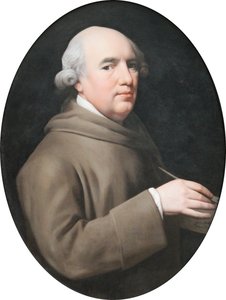
George Stubbs
1724 - 1806 , Reino Unido
Dados Rápidos
- Artistic Movement Or Style: Romantismo, Equina
- Artists Or Movements Influenced By This Artist: ['Joshua Reynolds']
- Artists Who Influenced This Artist: ['Hamlet Winstanley']
- Date Of Birth: 25 de agosto de 1724
- Date Of Death: 10 de julho de 1806
- Full Name: George Stubbs
- Nationality: Britânico
- Notable Artworks:
- Whistlejacket
- Leão e Cavalo
- Ataque de Leão
- Place Of Birth: Liverpool, Reino Unido
Artigos Relacionados

Georges Seurat: As 25 Obras-Primas do Mestre do Pontilhismo | OriginalUniqueArt
Descubra as 25 obras-primas de Georges Seurat, o mestre do pontilhismo! Explore a história, cores vibrantes e técnica inovadora por trás de seus quadros mais famosos. Encontre reproduções de arte exclusivas para decorar sua casa com OriginalUniqueArt.com.

Georges Braque: As 25 Obras-Primas Essenciais para Amantes da Arte Moderna | OriginalUniqueArt
Descubra as 25 obras-primas de Georges Braque, pioneiro do Cubismo! Explore a história, cores e técnicas por trás de seus quadros mais famosos. Encontre reproduções de arte exclusivas para decorar sua casa com elegância em OriginalUniqueArt.com.
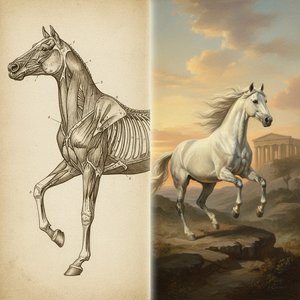
George Stubbs: Anatomical Precision & Romantic Vision in 18th-Century British Art
Explore the captivating world of George Stubbs, the 18th-century master renowned for his anatomical precision & Romantic animal paintings. Discover his legacy and investment potential.

The Equine Muse: A Historical & Artistic Exploration of Horses in Painting
Explore the captivating history of horses in painting! Discover Renaissance masterpieces, Baroque grandeur & expert insights for collecting equestrian art. Learn about symbolism, techniques & lasting value with OriginalUniqueArt.
The Noble Steed: A Historical and Artistic Exploration of Horses in Fine Art
Explore the rich history of horses in fine art! From ancient depictions to Renaissance masterpieces & beyond, discover iconic artworks and artists. Learn about symbolism, techniques, and find museum-quality reproductions at OriginalUniqueArt.


