

 Visualizar em escala
 Enviar
 Compartilhar
 Ver detalhes
 Guia de Obras do Aluno

 Baixar imagem
 Semelhantes
 Raio X
 Apresentação de slides
 Estatísticas
Caçador de Cavalos com Duas Spaniels
 Óleo sobre tela
- Arte de Parede
- Romanticism
 1777
1777- Idade Moderna
 68.0 x 59.0 cm
 Ver mais
Adquira uma imagem digital de alta resolução e aprimorada, muito superior à prévia online.
Cada arquivo é meticulosamente preparado por nossos especialistas internos, utilizando ferramentas avançadas e retoques manuais de alta precisão. Garantimos que cada imagem apresente clareza excepcional, fidelidade de cores e detalhes minuciosos.
O arquivo final é entregue por e-mail em até 72 horas, otimizado para uso imediato em ambientes profissionais, editoriais e de impressão. Esta é a mesma qualidade utilizada por estúdios de design de alto nível, editoras e galerias.
Imagem Digital
Baixe um arquivo de alta resolução para exibição pessoal, impressão e projetos criativos. ( Alternar para Impressão Encomendar reprodução pintada à mão)
Incluído em cada pedido de imagem digital
Entrega Digital Especializada e Garantida
Ao escolher o OriginalUniqueArt.com, você não está apenas adquirindo uma imagem — você está recebendo uma obra de arte digital profissionalmente aprimorada, elaborada com precisão e com garantia de satisfação. Aqui está tudo o que acompanha seu pedido, automaticamente:

Entrega rápida por e-mail
O seu arquivo de imagem digital em alta resolução será enviado por e-mail em até 72 horas após o pedido — pronto para uso imediato.

Arquivo Digital com IA Otimizado
Sua obra de arte é otimizada profissionalmente por meio de ferramentas avançadas de IA e edição manual, garantindo o máximo de detalhes, clareza e precisão de cores.

Reenvio gratuito vitalício
Apagou ou perdeu o seu ficheiro acidentalmente? Não se preocupe – nós reenviamos para si a qualquer momento, gratuitamente.

Sem Taxas de Importação - Sempre
Desfrute da sua obra de arte instantaneamente, sem taxas alfandegárias, impostos ou custos de entrega — downloads digitais são sempre isentos de taxas.

Garantia de Precisão de Cores
Garantimos que sua imagem digital reflita as cores originais com a maior fidelidade possível, utilizando ferramentas profissionais e gerenciamento de cores.

Garantia de satisfação de 100 dias
Se não estiver satisfeito com a sua imagem digital, nós a revisaremos ou reembolsaremos 100% dentro de 100 dias — sem perguntas.

Garantia de Reembolso 100%
Não está satisfeito? Receba o reembolso total em até 100 dias após o recebimento do seu arquivo digital — sem perguntas.

Descontos para pedidos em lote
Compre 3 imagens, economize 10% - Compre 5, economize 15% - Compre 10+, economize 20%. Ideal para projetos criativos, galerias e agências.
Um Retrato de Poder e Harmonia: A Bay Hunter com Dois Spaniels
George Stubbs, um dos pintores mais revolucionários do século XVIII, nos presenteia com "A Bay Hunter com Dois Spaniels" (1777), uma obra que transcende a mera representação animal para se tornar um estudo profundo sobre o poder, a beleza e a relação entre homem e natureza. A pintura captura um momento de intensa concentração e graça, onde a força do cavalo bay se equilibra com a lealdade e agilidade dos spaniels. Mais do que uma cena de caça, é um diálogo visual entre a bravura do predador e a inteligência do companheiro, um testemunho da habilidade inigualável de Stubbs em capturar a essência vital de seus modelos.
A composição, meticulosamente planejada, direciona o olhar para o centro da cena: o majestoso cavalo bay. Sua musculatura poderosa e postura ereta irradiam força e determinação, enquanto os spaniels, com suas expressões curiosas e alertas, demonstram a harmonia perfeita entre instinto de caça e lealdade ao seu mestre. A paisagem ao fundo, suavemente iluminada pelo crepúsculo, oferece um contraste sereno que realça a vitalidade da cena principal. A escolha do cenário, com sua árvore imponente à direita, não é casual; ela serve para adicionar profundidade e escala à composição, enfatizando o tamanho e a imponência do cavalo.
A Maestria Técnica de um Visionário
Stubbs era conhecido por sua abordagem científica e anatômica na pintura animal. "A Bay Hunter com Dois Spaniels" é um exemplo perfeito dessa dedicação à precisão. A técnica de óleo sobre painel revela uma camada após camada de pigmento, aplicada com pinceladas suaves e controladas que capturam a textura da pelagem do cavalo e a expressividade dos cães. O uso habilidoso de glazing (camadas finas de tinta transparente) permite que Stubbs crie um efeito de luminosidade e profundidade, conferindo à pintura uma qualidade quase tridimensional. A atenção aos detalhes é notável: o brilho do pelo, a musculatura definida, os olhos penetrantes dos animais – tudo contribui para a sensação de realismo e vitalidade.
A paleta de cores, dominada por tons terrosos e suaves, evoca a atmosfera da aurora ou crepúsculo. O uso estratégico do amarelo-ocre e do vermelho-terra confere calor e profundidade à cena, enquanto o azul-celeste suave no céu cria um contraste delicado com os tons quentes da paisagem. A iluminação, cuidadosamente modelada, realça as formas dos animais e contribui para a atmosfera de tranquilidade e concentração.
Simbolismo e Reflexões sobre a Natureza Humana
Além da representação realista do cavalo e dos spaniels, a pintura carrega um rico simbolismo. O cavalo bay, conhecido por sua força e velocidade, representa o poder e a coragem, enquanto os spaniels simbolizam a lealdade, a inteligência e a capacidade de trabalho. A cena como um todo pode ser interpretada como uma metáfora da relação entre o homem e a natureza, onde o homem busca dominar e controlar a natureza, mas também depende dela para sua sobrevivência e bem-estar. A pintura nos convida a refletir sobre a importância do equilíbrio entre poder e humildade, força e gentileza.
A obra também pode ser vista como uma celebração da beleza e da elegância do mundo natural. Stubbs demonstra um profundo apreço pela natureza e sua capacidade de inspirar admiração e contemplação. "A Bay Hunter com Dois Spaniels" é, portanto, mais do que uma simples pintura de animais; é uma ode à beleza, ao poder e à harmonia entre o homem e a natureza.
Biografia do Artista
Early Life and Training
George Stubbs, a name synonymous with the majestic depiction of horses in art, was born on August 25th, 1724, in Liverpool, a bustling port city at the heart of England’s burgeoning colonial trade. His early years were marked by a modest upbringing; his father, John Stubbs, worked as a leather-dresser, a craft that initially shaped young George's path. However, from a remarkably young age – around the age of fifteen – he displayed an undeniable passion for art, diverging from his family’s traditional profession to pursue his artistic ambitions. He sought out apprenticeship with Hamlet Winstanley, a local painter and engraver, gaining a foundational understanding of technique and artistic principles. This brief but formative period provided him with access to the collection at Knowsley Hall, an estate belonging to Winstanley's family, exposing Stubbs to a wealth of classical art and inspiring his own artistic vision. It was during this time that he began to develop his keen eye for detail and his fascination with anatomy, laying the groundwork for his future masterpieces.Artistic Development and Notable Works
Stubbs’s dedication to anatomical study proved pivotal in shaping his distinctive style. Recognizing the importance of understanding the underlying structure of animals, he moved to York in 1744, where he became an assistant to Charles Atkinson, a surgeon at York County Hospital. This immersion in medical science provided him with unparalleled insight into animal musculature and skeletal systems – knowledge that would later manifest in his remarkably accurate and lifelike depictions of horses. A significant milestone in Stubbs’s career occurred in 1756 when he rented a farmhouse in Lincolnshire, establishing a dedicated studio where he spent an astonishing eighteen months meticulously dissecting horses. This intensive period of study culminated in the publication of *Anatomy of the Horse* in 1766, a groundbreaking work that showcased his anatomical precision and cemented his reputation as a scientific artist. The illustrations from this book are now housed at the Royal Academy, testament to their enduring value and artistic merit. It was during this time that he began receiving commissions from prominent aristocratic patrons, including the Duke of Richmond, who commissioned three large paintings in 1759 – a turning point that propelled Stubbs into the realm of established success.The Rise of Romanticism and Iconic Paintings
Stubbs’s artistic trajectory reached its zenith with his groundbreaking series of paintings depicting a lion attacking a horse. These works, particularly *A Lion Attacking a Horse*, are considered seminal examples of the burgeoning Romantic movement in art. Departing from the rigid conventions of classical painting, Stubbs infused these scenes with dramatic intensity, capturing not just the physical struggle but also the raw emotion and primal instincts of the animals involved. Notably, his paintings for the Duke of Rockingham – *Whistlejacket* and two other works – broke with established artistic norms by featuring plain backgrounds, a bold move that prioritized the dynamism and power of the subject matter over elaborate ornamentation. *Whistlejacket*, a painting of a thoroughbred racehorse rising on his hind legs, is arguably Stubbs’s most famous work, instantly recognizable for its captivating portrayal of equine athleticism and its subtle yet profound commentary on the social hierarchy of horse racing. The National Gallery in London proudly houses this iconic masterpiece.Legacy and Historical Significance
George Stubbs's legacy extends far beyond his individual paintings; he fundamentally transformed the way horses were depicted in art, elevating them to a position of dignity and grandeur. His meticulous anatomical studies, combined with his masterful use of color, light, and composition, created images that are both scientifically accurate and emotionally resonant. Stubbs’s influence can be seen in the works of subsequent generations of artists, solidifying his place as one of the most important figures in British art history. He was not merely a painter of horses; he was an innovator, a pioneer, and a visionary who captured the essence of animal life with unparalleled skill and insight. His work continues to inspire awe and admiration, serving as a testament to the enduring power of artistic observation and creative expression.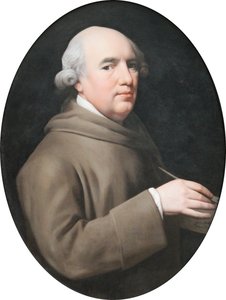
George Stubbs
1724 - 1806 , Reino Unido
Informações Rápidas
- Artistic Movement Or Style: Romantismo, Equina
- Artists Or Movements Influenced By This Artist: ['Joshua Reynolds']
- Artists Who Influenced This Artist: ['Hamlet Winstanley']
- Date Of Birth: 25 de agosto de 1724
- Date Of Death: 10 de julho de 1806
- Full Name: George Stubbs
- Nationality: Britânico
- Notable Artworks:
- Whistlejacket
- Leão e Cavalo
- Ataque de Leão
- Place Of Birth: Liverpool, Reino Unido