

 Visualizar em escala
 Enviar
 Compartilhar
 Ver detalhes
 Guia de Obras do Aluno

 Baixar imagem
 Semelhantes
 Raio X
 Apresentação de slides
 Estatísticas
A Caçada do Grosvenor


 Ver mais
Reprodução em Óleo Feita à Mão
Óleo sobre tela pintado à mão no tamanho e moldura de sua escolha, feito sob encomenda pelos nossos artistas. ( Alternar para Impressão Ver Imagem Digital)




P118B €10

P118H €10

P118W €10

P438Z €10

P508JH €12

P508YH €12

P805H €10

P805Z €10

P919BZ €10

P919G €10

P919XJ €10

P959ZH €10

P968JZ €12

W106C €8

W218G €10

W218JH €8

W218Y €10

W307PJ €10

W316G €10

W316PJ €8

W316Y €10

W398PJ €8

W4111J €10

W500HY €15

W500JH €15

W692G €12

W849H €8

W940BG €15

W953PJ €8




Escolha entre os nossos tamanhos pré-definidos que respeitam as proporções originais da obra de arte.

Pode inserir as suas próprias dimensões para se adequar a uma moldura ou espaço específico. Se o tamanho selecionado não corresponder às proporções da imagem original, iremos cortar a obra de arte ou estender a pintura com elementos adicionais pintados à mão. Um esboço digital será enviado para sua aprovação antes do início da produção.
Tenha em atenção que a pré-visualização no ecrã não reflete o corte ou extensão real. Apenas o esboço mostrará com precisão a composição final.
Embora tamanhos personalizados estejam disponíveis, recomendamos selecionar uma dimensão da lista predefinida para preservar as proporções originais.
Após o pedido, a equipa OriginalUniqueArt.com enviará um e-mail ao cliente para solicitar instruções e fornecer uma prévia do esboço.
Entrega mundial () em 3 a 4 semanas, em vez das 5 semanas padrão. (10 Outubro). Sem comprometer a qualidade.

Envio expresso gratuito para todo o mundo

Tela de Linho Premium

Seguro de transporte total

Garantia de Reembolso de Impostos Alfandegários

Garantia de Fidelidade de Cor

Política de Devolução em 100 Dias (Apenas para Defeitos)

Garantia de reembolso de 100%

Desconto para múltiplas unidades
 A opção de vidro está disponível apenas para tamanhos inferiores a 110 cm

A Caçada do Grosvenor
Técnica de Reprodução
Dimensões da Reprodução
-


Preço Total
€ 259
Uma Cena Cativante da Tradição de Caça do Século XVIII
Imersa em um retrato vívido de uma cena de caça britânica por excelência do século XVIII, esta obra magistral captura um momento dinâmico de camaradagem e ação. Nela, caçadores montados, trajando vestimentas da época, percorrem uma paisagem exuberante sob um dossel de vibrantes folhas de outono. A cena exala energia e propósito, refletindo a importância cultural da caça tanto como esporte quanto como ritual social durante essa era. A representação detalhada de cavalos, cães e figuras humanas convida os espectadores a vivenciar a emoção e a tradição de uma era passada, tornando-a uma peça central irresistível para colecionadores e entusiastas.Estilo e Técnica Exquisitos
Criada com uma atenção meticulosa aos detalhes, esta pintura a óleo exemplifica o realismo e a maestria técnica característicos do período. O artista emprega camadas de glazes, pinceladas finas e gradações tonais sutis para alcançar uma representação realista das texturas — desde a casca rugosa da árvore central até o movimento fluido dos tecidos das vestimentas dos caçadores. A composição equilibra atividade e tranquilidade, utilizando linhas precisas e formas orgânicas para guiar o olhar do espectador através da cena. A luz dourada e quente sugere o final de tarde, adicionando profundidade e um brilho nostálgico que intensifica a ressonância emocional da obra.Contexto Histórico e Significância Artística
Pintada em 1762 pelo renomado artista inglês George Stubbs, esta obra reflete a fascinação do período pela natureza, anatomia e vida rural. Stubbs, celebrado por sua precisão anatômio e representações magistrais de cavalos, eleva esta cena além da mera documentação para uma obra de arte que celebra o vínculo entre humanos e animais e a tradição da caça. A pintura foi provavelmente exibida na influente exposição de 1762 da Society of Artists of Great Britain, posicionando-a dentro do vibrante cenário artístico da Grã-Bretanha da era do Iluminismo. Seu realismo detalhado e composição viva fazem dela um exemplo significativo da pintura de paisagem e gênero da era Georgiana.Simbolismo e Impacto Emocional
Além de seu apelo visual, a cena é rica em significado simbólico. A árvore grande e robusta ao centro pode representar a estabilidade e a passagem do tempo, ancorando a atividade vibrante sob ela. A própria cena de caça pode simbolizar o domínio sobre a natureza, a tradição e a sobrevivência, evocando temas de camaradagem, habilidade e a conexão primordial entre seres humanos e animais. A paleta outonal quente desperta sentimentos de nostalgia, reflexão e a natureza efêmera da vida, convidando os espectadores a contemplar a harmonia e a tensão inerentes à interação humana com o mundo natural.Uma Adição Atemporal a Qualquer Espaço
Seja exibida em uma galeria refinada, em uma sala de estar sofisticada ou em um escritório elegante, esta reprodução de alta qualidade oferece uma janela para a cultura britânica e a excelência artística do século XVIII. Suas cores vibrantes, realismo detalhado e narrativa evocativa fazem dela um ponto focal inspirador que desperta conversas e admiração. Perfeita para amantes da arte, colecionadores e designers de interiores que buscam uma peça que combine profundidade histórica com beleza estética, esta pintura promete elevar qualquer ambiente com seu charme atemporal e integridade artística.Perguntas e Respostas
"A Caçada do Grosvenor" de George Stubbs é uma pintura, um desenho ou uma gravura?
"A Caçada do Grosvenor" é uma peça de Arte de Parede.
Como é descrita a atmosfera de "A Caçada do Grosvenor" de George Stubbs?
O clima geral de "A Caçada do Grosvenor" de George Stubbs é Nostálgico. O clima descreve a atmosfera geral da obra.
Em que ano foi criado "A Caçada do Grosvenor" de George Stubbs?
"A Caçada do Grosvenor" data de 1762. A data situa a obra na carreira de George Stubbs e em sua época.
Quem é o artista por trás de "A Caçada do Grosvenor"?
"A Caçada do Grosvenor" é atribuída a George Stubbs.
Qual é o nível de popularidade de "A Caçada do Grosvenor" dentro do Romantic Landscape Painting?
Dentro do movimento Romantic Landscape Painting, "A Caçada do Grosvenor" possui um nível de popularidade Reconhecido.
Qual uso e espaço são recomendados para "A Caçada do Grosvenor" de George Stubbs?
"A Caçada do Grosvenor" é sugerida para Conversação, e o espaço recomendado é um(a) Sala de Estar.
Qual era a idade de George Stubbs ao criar "A Caçada do Grosvenor" em 1762?
Quando "A Caçada do Grosvenor" foi criada em 1762, George Stubbs — nascido(a) em 1724 — tinha 38 anos.
Biografia do Artista
Early Life and Training
George Stubbs, a name synonymous with the majestic depiction of horses in art, was born on August 25th, 1724, in Liverpool, a bustling port city at the heart of England’s burgeoning colonial trade. His early years were marked by a modest upbringing; his father, John Stubbs, worked as a leather-dresser, a craft that initially shaped young George's path. However, from a remarkably young age – around the age of fifteen – he displayed an undeniable passion for art, diverging from his family’s traditional profession to pursue his artistic ambitions. He sought out apprenticeship with Hamlet Winstanley, a local painter and engraver, gaining a foundational understanding of technique and artistic principles. This brief but formative period provided him with access to the collection at Knowsley Hall, an estate belonging to Winstanley's family, exposing Stubbs to a wealth of classical art and inspiring his own artistic vision. It was during this time that he began to develop his keen eye for detail and his fascination with anatomy, laying the groundwork for his future masterpieces.Artistic Development and Notable Works
Stubbs’s dedication to anatomical study proved pivotal in shaping his distinctive style. Recognizing the importance of understanding the underlying structure of animals, he moved to York in 1744, where he became an assistant to Charles Atkinson, a surgeon at York County Hospital. This immersion in medical science provided him with unparalleled insight into animal musculature and skeletal systems – knowledge that would later manifest in his remarkably accurate and lifelike depictions of horses. A significant milestone in Stubbs’s career occurred in 1756 when he rented a farmhouse in Lincolnshire, establishing a dedicated studio where he spent an astonishing eighteen months meticulously dissecting horses. This intensive period of study culminated in the publication of *Anatomy of the Horse* in 1766, a groundbreaking work that showcased his anatomical precision and cemented his reputation as a scientific artist. The illustrations from this book are now housed at the Royal Academy, testament to their enduring value and artistic merit. It was during this time that he began receiving commissions from prominent aristocratic patrons, including the Duke of Richmond, who commissioned three large paintings in 1759 – a turning point that propelled Stubbs into the realm of established success.The Rise of Romanticism and Iconic Paintings
Stubbs’s artistic trajectory reached its zenith with his groundbreaking series of paintings depicting a lion attacking a horse. These works, particularly *A Lion Attacking a Horse*, are considered seminal examples of the burgeoning Romantic movement in art. Departing from the rigid conventions of classical painting, Stubbs infused these scenes with dramatic intensity, capturing not just the physical struggle but also the raw emotion and primal instincts of the animals involved. Notably, his paintings for the Duke of Rockingham – *Whistlejacket* and two other works – broke with established artistic norms by featuring plain backgrounds, a bold move that prioritized the dynamism and power of the subject matter over elaborate ornamentation. *Whistlejacket*, a painting of a thoroughbred racehorse rising on his hind legs, is arguably Stubbs’s most famous work, instantly recognizable for its captivating portrayal of equine athleticism and its subtle yet profound commentary on the social hierarchy of horse racing. The National Gallery in London proudly houses this iconic masterpiece.Legacy and Historical Significance
George Stubbs's legacy extends far beyond his individual paintings; he fundamentally transformed the way horses were depicted in art, elevating them to a position of dignity and grandeur. His meticulous anatomical studies, combined with his masterful use of color, light, and composition, created images that are both scientifically accurate and emotionally resonant. Stubbs’s influence can be seen in the works of subsequent generations of artists, solidifying his place as one of the most important figures in British art history. He was not merely a painter of horses; he was an innovator, a pioneer, and a visionary who captured the essence of animal life with unparalleled skill and insight. His work continues to inspire awe and admiration, serving as a testament to the enduring power of artistic observation and creative expression.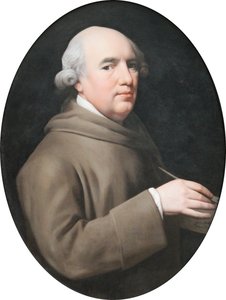
George Stubbs
1724 - 1806 , Reino Unido
Informações Rápidas
- Artistic Movement Or Style: Romantismo, Equina
- Artists Or Movements Influenced By This Artist: ['Joshua Reynolds']
- Artists Who Influenced This Artist: ['Hamlet Winstanley']
- Date Of Birth: 25 de agosto de 1724
- Date Of Death: 10 de julho de 1806
- Full Name: George Stubbs
- Nationality: Britânico
- Notable Artworks:
- Whistlejacket
- Leão e Cavalo
- Ataque de Leão
- Place Of Birth: Liverpool, Reino Unido
Artigos Relacionados

Sir George Clausen: Capturing Edwardian Life & British Impressionism's Nuances
Explore the luminous world of Sir George Clausen, a leading British Impressionist painter. Discover his captivating scenes of Edwardian life, rural England & poignant war art. Learn about his legacy and find high-quality reproductions at OriginalUniqueArt.

Georges Braque: As 25 Obras-Primas Essenciais para Amantes da Arte Moderna | OriginalUniqueArt
Descubra as 25 obras-primas de Georges Braque, pioneiro do Cubismo! Explore a história, cores e técnicas por trás de seus quadros mais famosos. Encontre reproduções de arte exclusivas para decorar sua casa com elegância em OriginalUniqueArt.com.
George Stubbs: Anatomical Precision & Romantic Vision in 18th-Century British Art
Explore the captivating world of George Stubbs, the 18th-century master renowned for his anatomical precision & Romantic animal paintings. Discover his legacy and investment potential.

The Enduring Legacy of Oil on Canvas: Technique, History & Aesthetic Impact
Explore the rich history & techniques of oil painting – from Renaissance masters to Impressionism. Discover pigments, layering methods, and why this timeless medium endures. Expert insights for artists & art enthusiasts.

Georges Seurat: As 25 Obras-Primas do Mestre do Pontilhismo | OriginalUniqueArt
Descubra as 25 obras-primas de Georges Seurat, o mestre do pontilhismo! Explore a história, cores vibrantes e técnica inovadora por trás de seus quadros mais famosos. Encontre reproduções de arte exclusivas para decorar sua casa com OriginalUniqueArt.com.


