
 Visualizar na parede
 Compartilhar
 Compartilhar
 Detalhes
 Guia
Guia

 Baixar imagem
 Semelhantes
 Raio X
 Ver diaporama
 Perguntas e Respostas
 Estatísticas
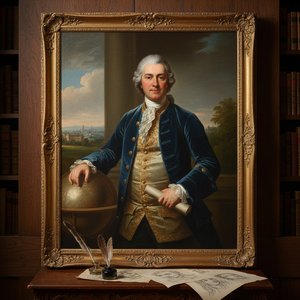
Thomas Hutton Rawlinson (1712–1769)

- 76.0 x 64.0 cm


 Ler mais
Giclée / Impressão de Arte
Impressão giclée ou em tela de qualidade de museu, com produção rápida e opções flexíveis de acabamento. ( Comprar pintura feita à mão Alternar para Imagem Digital)




P118B €10

P118H €10

P118W €10

P438Z €10

P508JH €12

P508YH €12

P805H €10

P805Z €10

P919BZ €10

P919G €10

P919XJ €10

P959ZH €10

P968JZ €12

W106C €8

W218G €10

W218JH €8

W218Y €10

W307PJ €10

W316G €10

W316PJ €8

W316Y €10

W398PJ €8

W4111J €10

W500HY €15

W500JH €15

W692G €12

W849H €8

W940BG €15

W953PJ €8




Escolha entre os nossos tamanhos pré-definidos que respeitam as proporções originais da obra de arte.

Insira a largura e a altura desejadas para se ajustarem à sua moldura ou parede. Uma impressão pode ser apenas cortada, nunca ampliada além da imagem original; portanto, um tamanho com proporções diferentes resultará na perda de parte da imagem. Enviamos uma maquete digital para sua aprovação antes de realizarmos a impressão. A imagem exibida nesta página não mostra o corte real — apenas a maquete o faz.
Entrega mundial () em 2 semanas, em vez das 4/5 semanas padrão. (5 Novembro)

Envio expresso gratuito para todo o mundo

Tela de Linho de Alta Qualidade

Seguro de transporte completo

Garantia de Reembolso de Impostos Alfandegários

Garantia de Fidelidade Cromática

Política de Devolução em 100 Dias (Apenas para Defeitos)

Garantia de reembolso de 100%

Oferta de desconto por quantidade
 A opção de vidro está disponível apenas para tamanhos inferiores a 110 cm

Thomas Hutton Rawlinson (1712–1769)
Giclée / Impressão de Arte
Tamanho da Reprodução
-


Preço Total
€ 72
A Glimpse into Georgian Elegance
In the quiet, dignified presence of George Romney’s 1759 portrait, Thomas Hutton Rawlinson, we find much more than a mere likeness of a British gentleman; we encounter a window into the very soul of the Rococo era. As one of the most sought-after portraitists of his generation, Romney possessed a rare ability to transcend the formal requirements of commission, infusing his subjects with a profound psychological depth. In this particular work, Rawlinson is presented in a half-length pose that strikes a delicate balance between aristocratic poise and introspective vulnerability. The viewer is immediately drawn into his gaze—a look that suggests a man of significant intellect and composed wisdom, perhaps even touched by a hint of the melancholy that often accompanied the era's contemplative nature.
The composition is masterfully orchestrated to command attention. By utilizing a deep, dark background, Romney employs a technique reminiscent of the masters before him, ensuring that every nuance of Rawlinson’s features and attire is illuminated with dramatic clarity. This stark contrast serves to push the subject forward, creating an intimate space where the sitter and the observer meet across the centuries. For the discerning collector or interior designer, such a piece offers a commanding focal point, bringing a sense of historical gravity and sophisticated atmosphere to any curated space.
The Artistry of Light and Texture
Technically, this portrait is a triumph of oil on canvas, showcasing Romney’s meticulous command over light and shadow. The artist’s brushwork is nothing short of exquisite, particularly in the way he renders the textures of 18th-century fashion. One can almost feel the weight of the fabric and the subtle sheen of the gentleman's clothing through the luminous gradations of pigment. Romney’s signature style—characterized by soft lighting and subtle tonal variations—avoids the harshness of the preceding Baroque period, opting instead for a gracefulness that defines the Rococo aesthetic.
The palette is intentionally muted, favoring sophisticated earth tones and soft highlights that enhance the three-dimensionality of the subject. This careful blending of colors allows for a seamless transition between light and shadow, particularly across the contours of Rawlinson’s face, which lends the portrait an almost lifelike vitality. It is this mastery of texture and light that makes a high-quality reproduction of this work so captivating; when captured with precision, the interplay of luminance can breathe new life into a contemporary room, offering a touch of classical luxury.
A Legacy of Status and Sophistication
To understand this portrait is to understand the social fabric of George III’s reign. During this period, the British aristocracy utilized portraiture as a vital tool for documenting lineage, status, and intellectual pursuits. Thomas Hutton Rawlinson, a man noted for his contributions to scientific advancement and philanthropy, serves as an ideal subject for Romney’s refined touch. The painting captures the essence of a gentleman who was not only a landowner but a participant in the burgeoning Enlightenment ideals of his time.
For those looking to decorate with art that tells a story, this piece provides an unparalleled narrative of prestige and refinement. It embodies an era where grace, asymmetry, and delicate ornamentation were celebrated, yet it retains a timeless emotional resonance. Whether placed in a traditional study or used to add a layer of historical texture to a modern gallery wall, Romney’s portrait of Rawlinson remains a profound testament to the enduring power of the human spirit captured through the lens of artistic mastery.
Perguntas e Respostas
Como "Thomas Hutton Rawlinson (1712–1769)", de George Romney conecta Rococo Style ao país de origem do artista?
"Thomas Hutton Rawlinson (1712–1769)" conecta o movimento Rococo Style a Reino Unido por meio do local de nascimento de seu criador.
Qual é a luminância de "Thomas Hutton Rawlinson (1712–1769)", de George Romney?
A luminância registrada para "Thomas Hutton Rawlinson (1712–1769)", de George Romney é Dark.
Qual é a intensidade das cores em "Thomas Hutton Rawlinson (1712–1769)", de George Romney?
As cores em "Thomas Hutton Rawlinson (1712–1769)", de George Romney possuem uma intensidade Monochromatic.
Biografia do Artista
Uma Vida na Retratística: O Mundo de George Romney
Nascido na pitoresca paisagem de Dalton-in-Furness, Lancashire, em 15 de dezembro de 1734, George Romney ascendeu ao posto de um dos pintores de retratos mais requisitados de sua era. Sua jornada, de filho de um marceneiro a artista predileto da alta sociedade britânica, é uma narrativa envolvente de talento inato e ambição inabalável. O início de sua vida oferecia poucos indícios do caminho artístico que ele trilharia; inicialmente aprendiz de seu pai, foi uma inclinação inerente ao desenho e ao artesanato que o conduziu a Christopher Steele, um retratista local que havia estudado em Paris. Este aprendizado provou ser crucial, proporcionando a Romney habilidades fundamentais e uma introdução às tradições artísticas europeias. No entanto, ele rapidamente superou seu mestre, demonstrando um talento precoce que exigia maior cultivo. Um casamento breve e infeliz, seguido de uma separação, impulsionou-o em direção a Londres em 1762, uma cidade repleta de oportunidades, mas também de uma competição feroz.Estabelecendo uma Reputação: Estilo e Técnica
Londres revelou-se um cadinho para o desenvolvimento artístico de Romney. Ele rapidamente se estabeleceu como um retratista formidável, desafiando a dominância de artistas como Thomas Gainsborough e Sir Joshua Reynolds. Embora nunca tenha buscado o ingresso na Royal Academy – uma decisão que talvez tenha limitado seu acesso a certos patrocínios – seu sucesso era inegável. O estilo de Romney evoluiu com o tempo, refletindo inicialmente a influência de Steele e de seu treinamento parisiense, mas logo floresceu em algo distintamente seu. Ele possuía uma habilidade excepcional de capturar não apenas a semelhança, mas também a personalidade e a posição social de seus modelos. Seus retratos são caracterizados por poses elegantes, um uso refinado de luz e sombra e uma sutil percepção psicológica que o diferenciava. A técnica de Romney era marcada por um toque delicado e uma preferência por linhas fluidas, muitas vezes buscando inspiração na escultura clássica. Ele empregava a cor com maestria para transmitir textura e profundidade, criando retratos que eram visualmente impactantes e emocionalmente ressonantes. Sua capacidade de lisonjear seus temas, mantendo a integridade artística, conquistou a lealdade de uma clientela de elite. Ele compreendia o poder da sugestão, insinuando o caráter em vez de defini-lo explicitamente, uma qualidade que atraía aqueles que valorizavam a discrição e o refinamento.A Musa e sua Influência: Emma Hamilton
A vida de Romney tomou um rumo dramático com seu encontro com Emma Hart, mais tarde conhecida como Lady Hamilton, em 1782. Ela tornou-se não apenas sua modelo mais célebre, mas também sua musa, influenciando profundamente sua produção artística. A beleza, a inteligência e o talento teatral de Emma cativaram Romney, inspirando uma série de retratos que exploravam temas da mitologia clássica, narrativas dramáticas e a graça feminina. Ele a retratou em vários papéis – como uma fiandeira, como a trágica Miranda de *A Tempestade*, de Shakespeare, e em inúmeras cenas alegóricas que exibiam sua gama expressiva. Essas obras demonstram a disposição de Romney em experimentar com composição e simbolismo, indo além do retrato convencional para um território mais imaginativo. A série A Tempestade, em particular, revela uma sensibilidade Romântica em ação, antecipando a intensidade emocional de artistas posteriores. O relacionamento foi intenso e avassalador para Romney, embora, em última análise, não tenha se concretizado romanticamente; Emma acabou por se tornar a amante de Lord Nelson, uma união que consolidou seu lugar na história. No entanto, a colaboração artística deles deixou uma marca indelével em ambas as vidas e produziu algumas das obras-primas mais duradouras de Romney. Diz-se que ele pintou mais de 80 retratos dela, cada um revelando uma faceta diferente de sua personalidade cativante.Legado e Significância Histórica
O impacto de George Romney na retratística britânica é inegável. Ele ajudou a moldar as sensibilidades estéticas do final do século XVIII, contribuindo para um estilo que enfatizava a elegância, a profundidade psicológica e o talento artístico. Seus retratos oferecem visões inestimáveis sobre as vidas e os gostos da elite britânica de sua época, fornecendo um registro visual de seus costumes sociais, moda e buscas intelectuais. Embora tenha enfrentado períodos de dúvida e lutado contra problemas de saúde mental em sua vida tardia – o que levou a um declínio na produtividade antes de sua morte em Kendal, em 1802 – seu legado perdura através das centenas de pinturas e desenhos que permanecem como testemunhos de sua habilidade. Sua obra continua a ser admirada por seu brilho técnico e ressonância emocional. A influência de Romney pode ser vista nos retratos de gerações subsequentes de artistas britânicos. O fascínio duradouro por seu relacionamento com Emma Hamilton adiciona outra camada de intriga à sua história. Ele permanece como uma figura significativa na história da arte, um mestre retratista que capturou o espírito de uma era e deixou para trás um corpo de trabalho que continua a cativar e inspirar. Os retratos de Romney não são meras representações de indivíduos; são janelas para um mundo desaparecido.
George Romney
1734 - 1802 , Reino Unido
Dados Rápidos
- Artistic Movement Or Style: Retratística Romântica
- Artists Or Movements Influenced By This Artist: ['Britânicos']
- Artists Who Influenced This Artist:
- Steele
- Vanloo
- Titian
- Date Of Birth: 15/12/1734
- Date Of Death: 15/11/1802
- Full Name: George Romney
- Nationality: Britânico
- Notable Artworks:
- Peter Romney
- Miranda Tempest
- Place Of Birth: Dalton-in-Furness, UK
Artigos Relacionados
Thomas Hudson: A Study in 18th-Century Portraiture & British Artistic Identity
Explore the life & work of Thomas Hudson, a leading 18th-century British portraitist. Discover his mastery of the 'Grand Manner,' influential style, and lasting impact on British art. Learn about his notable portraits like Judge William Noel & Alexander Van Aken.

George Romney: Portraiture, Patronage & the Shaping of Georgian Society
Explore the life & art of George Romney, leading portraitist of Georgian England. Discover his style, famous patrons like Emma Hamilton, and legacy in British society. Expert insights for collectors.

Rococó: 10 Obras-Primas que Definiram um Movimento Artístico Elegante | OriginalUniqueArt.com
Descubra as 10 obras-primas do Rococó! Explore a elegância de Fragonard, Boucher e Watteau. A arte do século XVIII ganha vida com cores pastel e detalhes luxuosos. Encontre reproduções de alta qualidade em OriginalUniqueArt.com.

Georges Braque: As 25 Obras-Primas Essenciais para Amantes da Arte Moderna | OriginalUniqueArt
Descubra as 25 obras-primas de Georges Braque, pioneiro do Cubismo! Explore a história, cores e técnicas por trás de seus quadros mais famosos. Encontre reproduções de arte exclusivas para decorar sua casa com elegância em OriginalUniqueArt.com.

Georges Seurat: As 25 Obras-Primas do Mestre do Pontilhismo | OriginalUniqueArt
Descubra as 25 obras-primas de Georges Seurat, o mestre do pontilhismo! Explore a história, cores vibrantes e técnica inovadora por trás de seus quadros mais famosos. Encontre reproduções de arte exclusivas para decorar sua casa com OriginalUniqueArt.com.


