
 Visualizar na parede
 Compartilhar
 Compartilhar
 Detalhes
 Guia
Guia

 Baixar imagem
 Semelhantes
 Raio X
 Ver diaporama
 Perguntas e Respostas
 Estatísticas
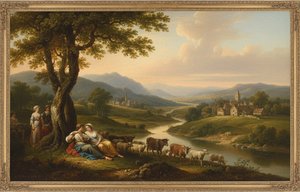
Before a Thunderstorm

- 85.0 x 117.0 cm


 Ler mais
Giclée / Impressão de Arte
Impressão giclée ou em tela de qualidade de museu, com produção rápida e opções flexíveis de acabamento. ( Comprar pintura feita à mão Alternar para Imagem Digital)




P118B €10

P118H €10

P118W €10

P438Z €10

P508JH €12

P508YH €12

P805H €10

P805Z €10

P919BZ €10

P919G €10

P919XJ €10

P959ZH €10

P968JZ €12

W106C €8

W218G €10

W218JH €8

W218Y €10

W307PJ €10

W316G €10

W316PJ €8

W316Y €10

W398PJ €8

W4111J €10

W500HY €15

W500JH €15

W692G €12

W849H €8

W940BG €15

W953PJ €8




Escolha entre os nossos tamanhos pré-definidos que respeitam as proporções originais da obra de arte.

Insira a largura e a altura desejadas para se ajustarem à sua moldura ou parede. Uma impressão pode ser apenas cortada, nunca ampliada além da imagem original; portanto, um tamanho com proporções diferentes resultará na perda de parte da imagem. Enviamos uma maquete digital para sua aprovação antes de realizarmos a impressão. A imagem exibida nesta página não mostra o corte real — apenas a maquete o faz.
Entrega mundial () em 2 semanas, em vez das 4/5 semanas padrão. (4 Novembro)

Envio expresso gratuito para todo o mundo

Tela de Linho de Alta Qualidade

Seguro de transporte completo

Garantia de Reembolso de Impostos Alfandegários

Garantia de Fidelidade Cromática

Política de Devolução em 100 Dias (Apenas para Defeitos)

Garantia de reembolso de 100%

Oferta de desconto por quantidade
 A opção de vidro está disponível apenas para tamanhos inferiores a 110 cm

Before a Thunderstorm
Giclée / Impressão de Arte
Tamanho da Reprodução
-


Preço Total
€ 72
A Moment Frozen in Time: Before a Thunderstorm by George Morland
George Morland’s “Before a Thunderstorm,” painted in 1791 and currently residing within the esteemed collection of the Hermitage Museum in St. Petersburg, Russia, is more than just a pastoral scene; it's a masterful distillation of late 18th-century English landscape painting imbued with an undercurrent of dramatic anticipation. The canvas captures a fleeting moment – a quiet tableau on the cusp of a powerful storm – rendered with a remarkable sensitivity to light, texture, and the subtle nuances of rural life. Morland’s genius lies not in grand spectacle but in his ability to evoke atmosphere through meticulous detail and a loose, expressive brushstroke that breathes life into every element of the composition.
The painting immediately draws the eye to the foreground: two horses, one grazing placidly, the other standing stock-still with its head bowed as if anticipating the impending weather. A man in a brown coat, seated comfortably on one of the animals, appears lost in contemplation, his gaze directed towards the viewer – an invitation for us to share in this shared moment of observation. A simple white cottage, partially obscured by the burgeoning trees and the dramatic sky, provides a grounding element, suggesting a sense of domesticity amidst the natural world. The inclusion of a dog, attentively watching the scene unfold, adds another layer of quiet intimacy.
The Language of Light and Earth Tones
Morland’s masterful use of color is central to the painting's evocative power. He employs a palette dominated by earthy tones – ochres, browns, greens, and muted blues – creating a sense of warmth, tranquility, and rustic authenticity. These colors aren’t merely descriptive; they actively shape the mood, suggesting the fertile soil of the countryside and the comforting familiarity of rural life. The artist skillfully contrasts these warm hues with the increasingly dramatic shades of grey and purple that dominate the sky, building tension and foreshadowing the approaching storm. Notice how the light catches on the horses' coats, highlighting their texture and movement, while simultaneously casting long shadows across the field – a testament to Morland’s keen eye for capturing the subtleties of natural illumination.
A Brushstroke That Speaks Volumes
The painting’s distinctive character is largely defined by Morland’s unique brushwork. He eschews smooth, polished surfaces in favor of a deliberately loose and expressive technique. The strokes are visible, almost tactile, conveying a sense of movement and immediacy. This approach isn't simply stylistic; it reflects the artist’s intention to capture not just the appearance of the scene but also its feeling – the anticipation, the stillness, the subtle shift in atmosphere. The swirling patterns in the clouds, the swaying branches of the trees, and even the texture of the horses’ coats are all rendered with a dynamic energy that brings the painting vividly to life. This technique was particularly suited for reproduction, as it allowed publishers to create detailed prints from his paintings.
Symbolism and the Poetics of Rural Life
“Before a Thunderstorm” is more than just a depiction of a rural scene; it’s a meditation on the relationship between humanity and nature. The impending storm can be interpreted as a metaphor for change, uncertainty, or even the fragility of life. The man in the brown coat, seemingly detached from the immediate threat, embodies a sense of human resilience and acceptance – a quiet contemplation amidst the forces of nature. Morland’s work aligns with the broader artistic trends of the late 18th century, which celebrated the beauty and simplicity of rural life while also acknowledging its inherent vulnerability. The painting speaks to a deep appreciation for the natural world and a recognition of our place within it.
A Legacy in Reproduction
Originally intended for reproduction in prints – a lucrative venture for Morland – “Before a Thunderstorm” remains a captivating example of his skill and artistry. Today, OriginalUniqueArt offers meticulously crafted hand-painted reproductions that faithfully capture the painting’s original beauty and atmosphere. Owning a reproduction allows you to bring this timeless masterpiece into your home or office, celebrating both the legacy of George Morland and the enduring power of art to evoke emotion and inspire contemplation.
Perguntas e Respostas
Como "Before a Thunderstorm" se posiciona entre os temas recorrentes de George Morland?
Entre os temas recorrentes de George Morland — dutch golden age, rural scenes, morland style, pastoral tranquility, early works — "Before a Thunderstorm" traz seu próprio foco em rural life, horses, storm clouds, cottage, pastoral scene, morland, landscape, tranquility.
Quem é o autor e qual é a data de "Before a Thunderstorm"?
George Morland criou "Before a Thunderstorm" em 1791.
A que movimento e a que época pertence "Before a Thunderstorm", de George Morland?
"Before a Thunderstorm" pertence ao movimento Late 18th Century Pastoralism, e seu criador atuou na era Idade Moderna.
Biografia do Artista
Early Life and Influences
George Morland, um dos pintores mais fascinantes e peculiar do século XVIII, nasceu em Londres, em 26 de junho de 1763. Seu pai, Henry Robert Morland, um pintor, gravador e restaurador de obras de arte, desempenhou um papel crucial no incentivo ao talento artístico do filho desde a tenra idade. Aos dez anos, o nome de George já aparecia como expositor honorário de desenhos na Royal Academy, um sinal precoce de seu potencial. A influência paterna foi fundamental, não apenas em termos de técnica, mas também por ter exposto o jovem Morland ao mundo da arte e do comércio de obras de arte.
Os primeiros anos de Morland foram moldados pela imersão no trabalho de mestres holandeses e flamengos. Seu pai, que já havia alcançado algum sucesso como pintor de retratos e cenas fantásticas, transmitiu a George o conhecimento das técnicas tradicionais e a apreciação pela beleza da pintura clássica. Além disso, Morland teve a oportunidade de estudar diretamente as obras de Sir Joshua Reynolds, um dos pintores mais influentes da época, que lhe permitiu copiar alguns de seus quadros, absorvendo assim a maestria do mestre e incorporando elementos de seu estilo em sua própria arte.
Artistic Style and Notable Works
O estilo de Morland é inconfundível, caracterizado por uma sensibilidade única para capturar cenas rurais e ambientes campestres. Suas composições mais marcantes retratam paisagens rústicas, fazendas, caçadas, contrabandistas, gitanos e, acima de tudo, paisagens ricas em textura e detalhe, fortemente influenciadas pela pintura holandesa do século XVII. Morland não se dedicava a retratos ou cenas históricas; sua paixão residia na representação da vida cotidiana no campo, com seus personagens humildes e suas atividades simples.
É importante ressaltar que grande parte da obra de Morland foi concebida para ser reproduzida em gravuras. Os editores, percebendo o potencial comercial dessas imagens, lucravam mais com as cópias do que o próprio artista. Entre suas obras mais notáveis, destacam-se The Farmyard, um retrato vívido da vida rural; Horse Devoured by a Lion, uma pintura inspirada na obra de George Stubbs, atualmente exposta no Tate Britain em Londres; e Near Nîmes, um trabalho de Roger Eliot Fry, disponível para visualização em OriginalUniqueArt.com.
Development and Artistic Journey
A formação inicial de Morland foi proporcionada por seu pai, que o instruiu nas técnicas de pintura, incluindo a cópia de obras de mestres holandeses e flamengos. No entanto, após os anos 1790, o artista desenvolveu um estilo próprio, mais caracterizado pela representação de cenas rústicas e paisagens detalhadas. Essa fase de sua carreira é marcada por uma maior liberdade criativa e uma expressividade que se distancia da influência direta de Reynolds.
É crucial mencionar que a vida pessoal de Morland foi marcada por excessos, principalmente o consumo de álcool. Esses hábitos contribuíram para a deterioração da qualidade de suas obras em seus últimos anos, e ele enfrentou diversos problemas financeiros devido às dívidas acumuladas. Apesar das dificuldades, Morland continuou a produzir uma quantidade impressionante de pinturas, demonstrando sua dedicação à arte apesar dos obstáculos.
Legacy and Historical Significance
George Morland é considerado um contribuinte notável para a história da arte inglesa. Sua obra, com suas paisagens rústicas e cenas do cotidiano, oferece um retrato fascinante da vida no século XVIII. As pinturas de Morland são encontradas em diversas coleções públicas e privadas, incluindo o Somerville College em Oxford, testemunhando sua importância duradoura na arte britânica.
A maneira como a obra de Morland foi reproduzida em gravuras demonstra a importância da cultura impressa durante seu tempo. As imagens de seus quadros eram amplamente divulgadas e apreciadas por um público vasto, o que contribuiu para sua fama e reconhecimento. Hoje, as pinturas de George Morland continuam a encantar os espectadores com sua beleza, realismo e sensibilidade única.
Additional Information
- Esposa: Anne Ward (casada em 1786)
- Pais: Henry Robert Morland e sua avó, George H. Morland
- Link para a Wikipedia: George Morland - Wikipedia

George Morland
1763 - 1804 , Reino Unido
Dados Rápidos
- Artistic Movement Or Style: Cenas rústicas, paisagens
- Artists Or Movements Influenced By This Artist: ['Holandeses']
- Artists Who Influenced This Artist:
- Francis Wheatley
- Holandeses
- Date Of Birth: 26 Jun 1763
- Date Of Death: 29 Out 1804
- Full Name: George Morland
- Nationality: Inglês
- Notable Artworks:
- The Farmyard
- Cavalo Devorado
- Perto de Nîmes
- Place Of Birth: Londres, Reino Unido
Artigos Relacionados

The Enduring Legacy of Oil on Canvas: Technique, History & Aesthetic Impact
Explore the rich history & techniques of oil painting – from Renaissance masters to Impressionism. Discover pigments, layering methods, and why this timeless medium endures. Expert insights for artists & art enthusiasts.
Idyllic Visions: Exploring the Pastoral Tradition in Western Art – Themes, Techniques & Enduring Appeal
Explore the rich history of pastoral art from classical Arcadia to contemporary interpretations. Discover key artists, themes & collecting tips at OriginalUniqueArt.

Georges Seurat: As 25 Obras-Primas do Mestre do Pontilhismo | OriginalUniqueArt
Descubra as 25 obras-primas de Georges Seurat, o mestre do pontilhismo! Explore a história, cores vibrantes e técnica inovadora por trás de seus quadros mais famosos. Encontre reproduções de arte exclusivas para decorar sua casa com OriginalUniqueArt.com.

Oil on Canvas: A Historical & Technical Exploration of a Timeless Artistic Medium
Explore the rich history & enduring techniques of oil painting on canvas. Discover the science behind its longevity, conservation practices, and contemporary relevance. Expert insights for art enthusiasts.

Georges Braque: As 25 Obras-Primas Essenciais para Amantes da Arte Moderna | OriginalUniqueArt
Descubra as 25 obras-primas de Georges Braque, pioneiro do Cubismo! Explore a história, cores e técnicas por trás de seus quadros mais famosos. Encontre reproduções de arte exclusivas para decorar sua casa com elegância em OriginalUniqueArt.com.
