
 Visualizar em escala
 Enviar
 Compartilhar
 Ver detalhes

 Baixar
 Semelhantes
 Raio X
 Apresentação de slides
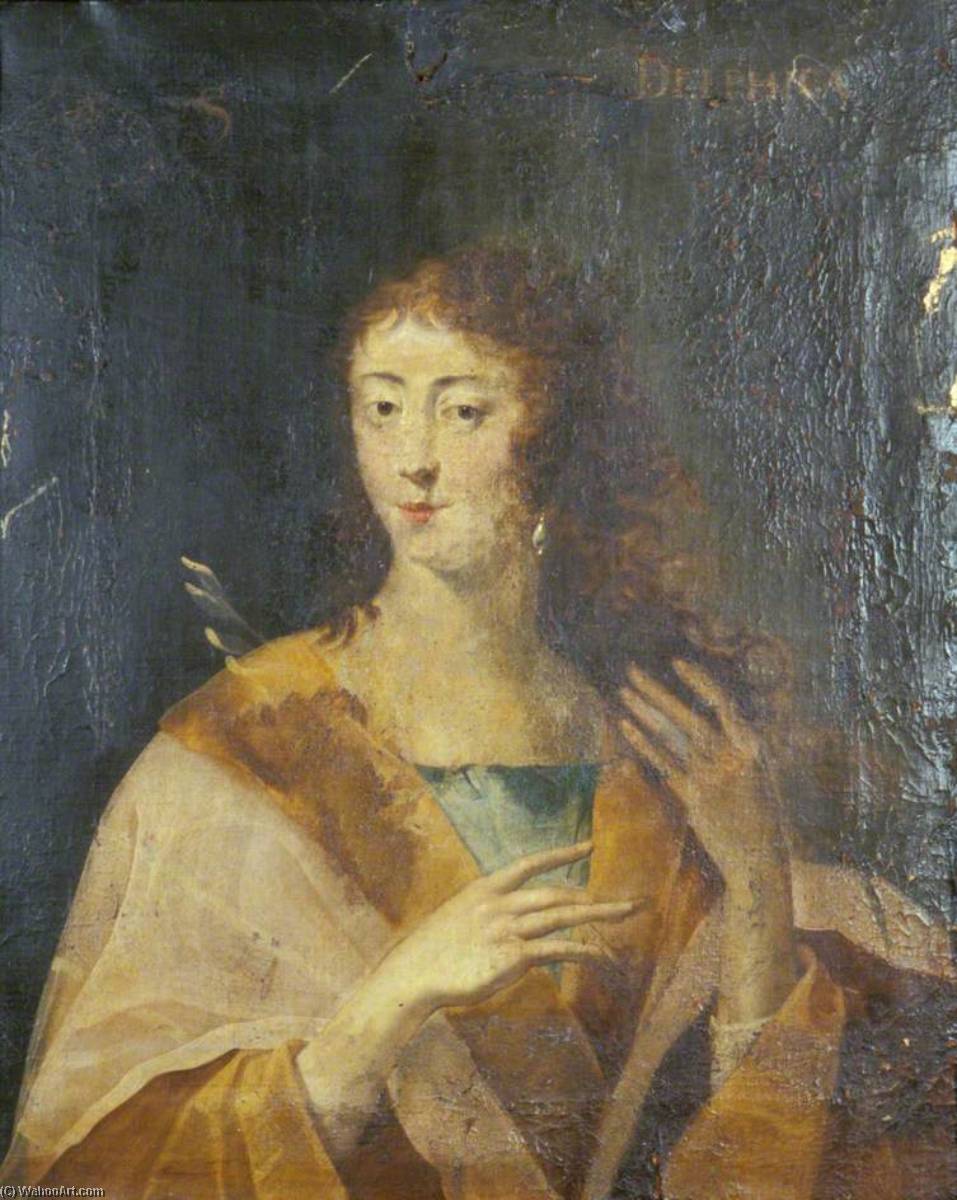
Sibyl delphica
 75.0 x 60.0 cm
 Ver mais
Giclée / Impressão de Arte
Impressão giclée ou em tela de qualidade de museu, com produção rápida e opções flexíveis de acabamento. ( Encomendar reprodução pintada à mão Comprar imagem em alta resolução)




































Escolha entre os nossos tamanhos pré-definidos que respeitam as proporções originais da obra de arte.

Você pode inserir suas próprias dimensões para se ajustar a uma moldura ou espaço específico. Se o tamanho selecionado não corresponder às proporções da imagem original, iremos recortar a obra de arte ou estender a imagem com uma borda espelhada ou preenchimento sólido. Um mockup digital será enviado para sua aprovação antes do início da produção.
Por favor, observe que a visualização na tela não reflete o recorte ou a extensão real. Apenas o mockup mostrará com precisão a composição final.
Embora tamanhos personalizados estejam disponíveis, recomendamos selecionar uma dimensão da lista predefinida para preservar as proporções originais.
Entrega mundial () em 2 semanas, em vez das 4/5 semanas padrão. (19 Agosto)

Envio Expresso Gratuito para todo o Mundo

Tela de Linho Premium

Seguro de transporte total

Garantia de Reembolso de Impostos Alfandegários

Garantia de Fidelidade de Cor

Política de Devolução de 60 Dias (Apenas para Defeitos)

Garantia de reembolso de 100%

Desconto para múltiplas unidades
 A opção de vidro está disponível apenas para tamanhos inferiores a 110 cm

Sibyl delphica
Giclée / Impressão de Arte
Dimensões da Reprodução
-


Preço Total
$ 80
Biografia do Artista
George Jamesone: Scotland’s First Portrait Master
George Jamesone (c. 1587 – 1644) stands as a pivotal figure in Scottish art history, widely recognized as the nation's first truly eminent portrait painter. His career unfolded during a period of significant artistic and political change, bridging the Renaissance and Baroque eras and leaving behind a legacy of refined elegance and national pride. Born in Aberdeen around 1587 to stonemason Andrew Jamesone and Marjory Anderson, George’s early life was steeped in the traditions of craftsmanship – his father's trade instilled a respect for detail and material quality that would profoundly influence his artistic approach. He received an education initially at the local grammar school, followed by studies at Marischal College, laying the groundwork for a future immersed in scholarship and observation.Early Training and Influences
Jamesone’s formal artistic training began under the tutelage of his uncle, John Anderson, a respected decorative painter based in Edinburgh. This apprenticeship provided him with essential skills in composition, color theory, and the techniques of applying paint to various surfaces. However, whispers persist – and remain tantalizingly unproven – of a formative period spent studying under the giants of the Antwerp School: Paul Rubens and Anthony van Dyck. While definitive documentation is lacking (the Guild registers of Antwerp offer no record of Jamesone’s presence), the legend speaks volumes about his ambition and exposure to the artistic currents sweeping through Europe at the time. This potential influence undoubtedly shaped his understanding of light, shadow, and the dramatic portrayal of human form – elements that would become hallmarks of his distinctive style.A Rising Star: Aberdeen and Royal Recognition
Returning to Aberdeen around 1620, Jamesone quickly established himself as a sought-after portraitist, capturing the likenesses of local academics and scholars from the city’s rival colleges – King's and Marischal. These early works demonstrated his burgeoning talent for capturing personality and conveying intellectual depth. The year 1633 proved to be a watershed moment in Jamesone’s career. Charles I, on a grand royal visit to Edinburgh, demanded a spectacular triumphal arch adorned with portraits of Scotland's past monarchs. Jamesone was entrusted with this monumental commission, a task that catapulted him from local recognition to national fame. The resulting series of regal figures showcased his mastery of technique and his ability to imbue each portrait with an air of authority and dignity. Crucially, the King’s evident delight in the outcome – reportedly including the gift of a diamond ring – solidified Jamesone's reputation and opened doors to commissions from Scotland’s gentry.The Erskine Portrait and Lasting Legacy
Among his most celebrated works is the portrait of Mary Erskine, now housed at the National Gallery of Scotland. This painting exemplifies Jamesone’s skill in capturing a subject's character and conveying subtle nuances of expression. It also highlights his ability to work within the conventions of the era while imbuing his portraits with a distinctly Scottish sensibility. Jamesone continued to paint prolifically throughout the 1640s, establishing studios in both Aberdeen and Edinburgh, catering to a diverse clientele ranging from nobility to merchants. Sadly, his career was cut short by the tumultuous events of the mid-17th century; he died in Edinburgh in 1644 during the Scottish Civil War, a period of intense conflict and upheaval. Despite his untimely death, Jamesone’s influence on subsequent generations of Scottish artists remains profound. His meticulous attention to detail, his skillful use of light and shadow, and his ability to capture the essence of his subjects cemented his place as Scotland's first true portrait master – a title he rightfully deserves.Key Characteristics and Artistic Style
Jamesone’s portraits are characterized by a refined elegance and a deep understanding of human psychology. He favored a balanced composition, often employing pyramidal arrangements to create a sense of stability and grandeur. His use of color was subtle yet effective, creating depth and atmosphere through carefully layered glazes. He demonstrated a remarkable ability to capture the texture of fabrics and the sheen of metal, adding realism and visual interest to his works. While influenced by the Renaissance ideals of classical beauty, Jamesone’s portraits possess a distinctly Scottish character – a quiet dignity and understated grace that reflects the spirit of his nation. His work stands as a testament to his skill and vision, securing his place as one of Scotland's most important artistic figures.
George Jamesone
1587 - 1644
Informações Rápidas
- Artistic Movement Or Style: Renaissance & Baroque
- Artists Or Movements Influenced By This Artist: ['John Michael Wright']
- Artists Who Influenced This Artist:
- Rubens
- Van Dyck
- Date Of Birth: c. 1587 Aberdeen
- Date Of Death: 1644 Edinburgh
- Full Name: George Jamesone
- Nationality: Scottish
- Notable Artworks:
- Sibyl Cumaea
- John Alexander
- Place Of Birth: Aberdeen, Scotland

