

 Visualizar em escala
 Enviar
 Compartilhar
 Ver detalhes

 Baixar imagem
 Semelhantes
 Raio X
 Apresentação de slides
 Estatísticas
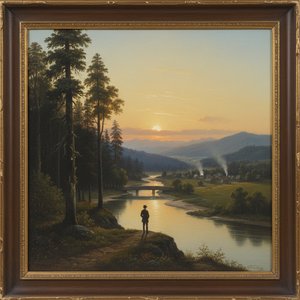
Moonlight, Tarpon Springs


 Ver mais
Giclée / Impressão de Arte
Impressão giclée ou em tela de qualidade de museu, com produção rápida e opções flexíveis de acabamento. ( Encomendar reprodução pintada à mão Ver Imagem Digital)




P118B $10

P118H $10

P118W $10

P438Z $10

P508JH $12

P508YH $12

P805H $10

P805Z $10

P919BZ $10

P919G $10

P919XJ $10

P959ZH $10

P968JZ $12

W106C $8

W218G $10

W218JH $8

W218Y $10

W307PJ $10

W316G $10

W316PJ $8

W316Y $10

W398PJ $8

W4111J $10

W500HY $15

W500JH $15

W692G $12

W849H $8

W940BG $15

W953PJ $8




Escolha entre os nossos tamanhos pré-definidos que respeitam as proporções originais da obra de arte.

Você pode inserir suas próprias dimensões para se ajustar a uma moldura ou espaço específico. Se o tamanho selecionado não corresponder às proporções da imagem original, iremos recortar a obra de arte ou estender a imagem com uma borda espelhada ou preenchimento sólido. Um mockup digital será enviado para sua aprovação antes do início da produção.
Por favor, observe que a visualização na tela não reflete o recorte ou a extensão real. Apenas o mockup mostrará com precisão a composição final.
Embora tamanhos personalizados estejam disponíveis, recomendamos selecionar uma dimensão da lista predefinida para preservar as proporções originais.
Entrega mundial () em 2 semanas, em vez das 4/5 semanas padrão. (16 Setembro)

Envio expresso gratuito para todo o mundo

Tela de Linho Premium

Seguro de transporte total

Garantia de Reembolso de Impostos Alfandegários

Garantia de Fidelidade de Cor

Política de Devolução em 100 Dias (Apenas para Defeitos)

Garantia de reembolso de 100%

Desconto para múltiplas unidades
 A opção de vidro está disponível apenas para tamanhos inferiores a 110 cm

Moonlight, Tarpon Springs
Giclée / Impressão de Arte
Dimensões da Reprodução
-


Preço Total
$ 80
A Nocturnal Symphony of Light and Soul
In the quietude of 1892, George Inness captured a moment that transcends mere landscape, offering instead a window into the spiritual essence of the night. Moonlight, Tarpon Springs is not simply a depiction of a nocturnal scene; it is an evocative exploration of atmosphere and introspection. The painting invites the viewer to step into a world where the boundaries between the physical earth and the ethereal sky begin to blur. At the heart of this composition stands a solitary woman, her back turned to the observer, acting as a surrogate for our own contemplative gaze. As she stands before the silhouette of a sentinel tree, bathed in the silver luminescence of the moon, we are drawn into her silent communion with the cosmos. The presence of distant figures and a wandering horse in the background adds layers of narrative depth, suggesting a shared, yet deeply personal, experience of nature’s quiet majesty.
The technique employed here is a masterclass in the American Impressionist tradition, where Inness moves away from the rigid precision of his predecessors to embrace a more fluid, emotive brushwork. Through the delicate manipulation of light and shadow, he achieves a luminous quality that makes the moonlight appear to vibrate against the dark foliage. The palette is a sophisticated arrangement of deep nocturnal blues, muted earth tones, and brilliant, silvery highlights that guide the eye through the landscape. This soft-focus approach allows the atmosphere to become a tangible character in the work, enveloping the subjects in a gentle, misty glow that softens the edges of reality and elevates the scene to something dreamlike and transcendent.
Symbolism and the Transcendentalist Vision
To understand this masterpiece, one must look through the lens of Transcendentalism, the philosophical movement that deeply influenced Inness. The painting serves as a visual manifestation of the belief in the interconnectedness of all living things and the divine presence within nature. The woman’s posture—looking away from the world of man and toward the infinite horizon—symbolizes the human soul seeking connection with the infinite. The tree, rooted firmly in the earth yet reaching toward the moon, acts as a bridge between the terrestrial and the celestial. Even the scattered figures in the distance contribute to this sense of cosmic unity, suggesting that while we may exist as individuals, we are all part of a larger, harmonious tapestry of existence.
For the discerning collector or interior designer, Moonlight, Tarpon Springs offers more than just aesthetic beauty; it provides an emotional anchor for a space. The painting’s inherent serenity makes it an ideal centerpiece for rooms designed for reflection, such as a library, a study, or a quiet sitting room. Its ability to evoke a sense of peace and timelessness allows it to complement both classic and contemporary decor, bringing a touch of historical depth and soulful tranquility to any environment. Owning a high-quality reproduction of this work is an opportunity to invite the profound, quiet beauty of Inness’s vision into one's daily life, serving as a constant reminder of the magic found in the stillness of the night.
Biografia do Artista
George Inness (1825–1894): O Observador Silencioso da Alma da Natureza
George Inness, nascido em Newburgh, Nova York, em 1825, ergue-se como uma figura fundamental no Impressionismo Americano — um movimento que buscou capturar momentos fugazes de beleza e emoção através de paletas de cores luminosas e pinceladas soltas. Diferente das grandes narrativas defendidas pela Hudson River School, a visão artística de Inness priorizou a introspecção e a contemplação espiritual, refletindo seu profundo envolvimento com ideias filosóficas. Essa dedicação resultou em paisagens imbuídas de uma serenidade palpável, retratando cenas rurais e a vida animal com uma sensibilidade notável à luz e à atmosfera. Seu legado continua a inspirar artistas contemporâneos que buscam uma profundidade expressiva semelhante.- Primeiros Anos e Educação: Os anos formativos de Inness foram marcados pela exposição aos pensadores Transcendentalistas, como Ralph Waldo Emerson e Henry David Thoreau, cujo ênfase na intuição e na conexão com o mundo natural moldou profundamente suas sensibilidades artísticas. Ele buscou treinamento formal na Universidade Yale antes de embarcar em um estudo autodidata de arte em Paris, em meados da década de 1850 — um período crucial para a absorção das técnicas impressionistas.
- Influências Parisianas e Desenvolvimento Artístico: Em Paris, Inness mergulhou no florescente movimento impressionista, estudando sob a influência de Gustave Courbet e Jean-François Millet. Esses encontros consolidaram seu compromisso em capturar sensações visuais imediatas, em vez de recriar a realidade meticulosamente. Ele experimentou a pintura ao ar livre — trabalhando diretamente da natureza — desenvolvendo um estilo distinto, caracterizado por gradações sutis de cor e pinceladas texturizadas.
- Paisagens e Pinturas Notáveis: A obra de Inness compreende inúmeras paisagens icônicas que exemplificam os princípios estéticos do movimento. Obras como “The Dark Side of Twilight” (1869) e “Winter Landscape” (1873) são celebradas por sua representação magistral das condições atmosféricas — particularmente a névoa e a neve — e por sua capacidade de evocar uma sensação de profunda quietude. Seus retratos, também, revelam a observação aguçada do artista sobre a psicologia humana.
- Simbolismo e Visão Espiritual: Além da mera representação visual, as pinturas de Inness transmitem significados simbólicos mais profundos, enraizados em suas convicções filosóficas. Motivos recorrentes — como árvores e animais — representam resiliência, harmonia e a interconexão de todos os seres vivos. Suas telas não são simplesmente paisagens; são meditações sobre a beleza sublime da natureza e sua capacidade de inspirar a consciência espiritual.
- Legado e Significância Histórica: A contribuição de George Inness para a arte americana é inegável. Ele defendeu uma estética humanista que priorizava a ressonância emocional em detrimento da virtuosidade técnica — uma postura que o distinguiu de seus contemporâneos e consolidou seu lugar como um dos principais pintores impressionistas de sua época. Sua influência estende-se além da pintura, inspirando gerações subsequentes de artistas a explorar temas de contemplação e conexão com o mundo natural.

George Inness
1825 - 1894 , Estados Unidos
Informações Rápidas
- Artistic Movement Or Style: Impressionismo Americano
- Artists Or Movements Influenced By This Artist: ['Impressionismo']
- Artists Who Influenced This Artist: ['Hudson River School']
- Date Of Birth: 1825
- Full Name: George Inness
- Nationality: Americano
- Notable Artworks:
- The Black Swan
- A Bit of Roman Aqueduct
- Summer Days
- Place Of Birth: Newburgh, Nova York, Estados Unidos
Artigos Relacionados
Robert Spencer: Luminism, Narrative & the American Landscape Tradition
Explore the captivating world of Luminism & the Hudson River School with our expert analysis. Discover the history, artists, and enduring beauty of 19th-century American landscape painting. Find museum-quality reproductions at OriginalUniqueArt.

Evocations of Place: A Historical Journey Through Landscape Art
Explore the rich history of landscape art with OriginalUniqueArt. Discover renowned artists, movements like Impressionism & Romanticism, and expert guidance for collecting timeless pieces. Find your perfect serene escape today!

Evocations of Place: A Historical Journey Through Landscape Art
Explore the rich history of landscape art with OriginalUniqueArt. Discover renowned artists, movements like Impressionism & tonalism, and expert guidance for collecting timeless pieces. Find your perfect serene escape today!

John Constable: As 25 Obras-Primas que Definem o Mestre da Paisagem Inglesa | OriginalUniqueArt
Descubra as 25 obras-primas de John Constable, o mestre da paisagem inglesa! Explore a arte romântica, cores vibrantes e histórias fascinantes por trás de 'Hay Wain' e outras pinturas icônicas. Encontre reproduções de alta qualidade para decorar sua casa com OriginalUniqueArt.com.

John Frederick Kensett: Luminosity, Landscape & the American Identity
Explore the luminous landscapes of John Frederick Kensett, a master of Luminism and key figure in the Hudson River School. Discover his serene paintings & enduring legacy with OriginalUniqueArt.
