
 Visualizar na parede
 Compartilhar
 Compartilhar
 Detalhes
 Guia
Guia

 Baixar imagem
 Semelhantes
 Raio X
 Ver diaporama
 Perguntas e Respostas
 Estatísticas
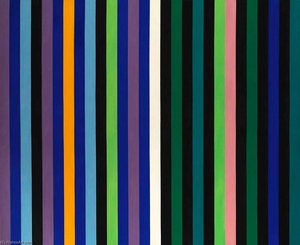
Red Baron

- 200.0 x 103.0 cm

 Ler mais
A obra de arte exibida nesta página é protegida por leis de direitos autorais, o que significa que não podemos criar ou vender legalmente uma reprodução idêntica. Esta proteção é aplicada por meio de acordos internacionais, tais como a Convenção de Berna e pelas leis nacionais, incluindo as estabelecidas por Lei de Direitos Autorais dos EUA - Título 17.
Este método cumpre plenamente as regulamentações de direitos autorais, pois não envolve a cópia ou duplicação da obra protegida. Em vez disso, trata-se de uma reinterpretação criativa — uma nova pintura que é influenciada pela original, mas não idêntica a ela.
Giclée / Impressão de Arte
Impressão giclée ou em tela de qualidade de museu, com produção rápida e opções flexíveis de acabamento. ( Comprar pintura feita à mão Alternar para Imagem Digital)




































Escolha entre os nossos tamanhos pré-definidos que respeitam as proporções originais da obra de arte.

Insira a largura e a altura desejadas para se ajustarem à sua moldura ou parede. Uma impressão pode ser apenas cortada, nunca ampliada além da imagem original; portanto, um tamanho com proporções diferentes resultará na perda de parte da imagem. Enviamos uma maquete digital para sua aprovação antes de realizarmos a impressão. A imagem exibida nesta página não mostra o corte real — apenas a maquete o faz.
Entrega mundial () em 2 semanas, em vez das 4/5 semanas padrão. (16 Novembro)

Envio expresso gratuito para todo o mundo

Tela de Linho de Alta Qualidade

Seguro de transporte completo

Garantia de Reembolso de Impostos Alfandegários

Garantia de Fidelidade Cromática

Política de Devolução em 100 Dias (Apenas para Defeitos)

Garantia de reembolso de 100%

Oferta de desconto por quantidade
 A opção de vidro está disponível apenas para tamanhos inferiores a 110 cm

Red Baron
Giclée / Impressão de Arte
Tamanho da Reprodução
-


Preço Total
€ 72
Artist Background
Gene Bernard Davis was an American artist known for his contributions to the Color Field movement. His work often featured vertical stripes of color, which gave his paintings a sense of rhythm and energy. The Red Baron is a quintessential example of this style, with its bold red and orange hues evoking a sense of dynamism and movement.Painting Description
The Red Baron features two distinct sections: one predominantly red and the other mostly orange. The red section appears as a solid color, while the orange section has some texture and detail. This contrast between smooth and textured surfaces adds depth to the painting, making it more engaging for the viewer.Museum Collections
The Red Baron is part of the collection at the Smithsonian American Art Museum. You can find more information about this painting and other works by Gene Bernard Davis on the OriginalUniqueArt.com website.- The Red Baron is a significant work in the Gene Bernard Davis oeuvre, showcasing his unique style and contribution to the Color Field movement.
- The painting's bold colors and geometric shapes make it a visually striking piece that continues to captivate audiences today.
- As a leading figure in the Washington Color School, Gene Bernard Davis played an important role in shaping the development of American art in the mid-20th century.
The Red Baron is a testament to the enduring power of Color Field art, and its influence can still be seen in contemporary art today. As a masterpiece of American art, it continues to inspire and delight audiences around the world.
Perguntas e Respostas
As cores de "Red Baron", de Gene Bernard Davis são vibrantes ou suaves?
A cor de "Red Baron" apresenta Vivid Color de saturação e Vivid de intensidade.
"Red Baron", de Gene Bernard Davis é uma composição em formato retrato, paisagem ou quadrada?
"Red Baron", de Gene Bernard Davis é uma composição em Panoramic. Vale a pena conferir as proporções antes de escolher o tamanho da impressão.
Como "Red Baron" equilibra luz e sombra?
Os valores registrados para "Red Baron", de Gene Bernard Davis são: brilliant de brilho e Gentle Luminance de luminância.
Biografia do Artista
The Architect of Color: The Life and Legacy of Gene Bernard Davis
In the vibrant tapestry of mid-century American abstraction, few threads shine as brightly or as rhythmically as those woven by Gene Bernard Davis. A pioneer of the Color Field movement, Davis possessed a singular ability to transform the canvas into a rhythmic experience of light and motion. Born in Brooklyn, New York, in 1920, his artistic journey was not one of immediate abstraction but rather a gradual, profound evolution shaped by a keen observational eye and an unwavering dedication to color theory. His early years were marked by a fascinating confluence of experiences, including a youthful immersion in sports journalism and a deep engagement with the social landscape of Washington D.C., which would later inform his unique perspective on visual rhythm.
Davis’s artistic sensibilities were deeply rooted in the teachings of the European avant-garde. His formal training at Yale University under the legendary Josef Albers proved transformative, instilling in him a fascination with geometric abstraction and the complex mechanics of optical illusions. From Albers, Davis learned that color could communicate emotion and intellect simultaneously, a conviction that became the heartbeat of his career. He drew inspiration from the structured precision of Piet Mondrian and the perceptual harmonies of Albers, blending these influences to create a style that was both mathematically disciplined and emotionally resonant.
A Symphony of Stripes: Technique and Innovation
The true breakthrough for Davis arrived in 1953 with his monumental canvas, “Bay.” Executed in evocative shades of blue, this work established him as a visionary innovator within the Washington Color School. It was here that he perfected his signature technique: the deliberate layering of vertical and horizontal stripes, meticulously calibrated to create an illusion of depth, vibration, and movement. For Davis, the stripe was never merely decorative; it was a scientific tool used to investigate the fundamental principles of color perception and the relationship between pigment and surface texture.
As his career progressed, his palette expanded into breathtaking explorations of chromatic energy. His works often featured:
- Chromatic Vibrancy: The use of bold, juxtaposed colors such as red, yellow, blue, and green to create a sense of pulsating light.
- Geometric Precision: A mastery of the stripe pattern to guide the viewer's eye across the canvas in a rhythmic dance.
- Scale and Presence: Large-scale compositions, such as “The Red Witch” (1966), designed to fill the viewer's entire field of vision and envelop them in color.
This exploration reached iconic heights in works like “Flower Machine” (1964), where a colorful striped pattern of pink, purple, orange, and blue evokes a sense of joy and organic creativity, blending the boundaries between geometric abstraction and the essence of nature.
Historical Significance and Enduring Vision
Gene Bernard Davis stands as a monumental figure in the history of 20th-century art, bridging the gap between the raw energy of Abstract Expressionism and the calculated precision of Post-Painterly Abstraction. His ability to manipulate the viewer's perception through color alone helped define the aesthetic of the Washington Color School, leaving an indelible mark on American modernism. Even in his later works, such as the striking 1984 piece “Color Needles,” he continued to refine his use of gold and brown lines, proving that his fascination with Op Art and geometric rhythm remained undiminished.
Today, the legacy of Davis lives on through the enduring power of his canvases. He remains a master of the chromatic experience, reminding us that art can be both a cerebral investigation of light and a deeply visceral encounter with beauty. His work continues to captivate collectors and historians alike, serving as a testament to a life spent decoding the infinite possibilities of the spectrum.
Gene Bernard Davis
1920 - 1985
Dados Rápidos
- Artistic Movement Or Style: Color Field Painting
- Artists Or Movements Influenced By This Artist: ['Washington Color School']
- Artists Who Influenced This Artist:
- Barnett Newman
- Helen Frankenthaler
- Date Of Birth: 1920
- Date Of Death: 1985
- Full Name: Gene Bernard Davis
- Nationality: American
- Notable Artworks:
- Bay
- Peeping Wall
- Two Part Blue
- Place Of Birth: New York City, USA
Artigos Relacionados

Gene Davis: Chromatic Explorations of Color Field Painting & the Washington Color School
Explore the vibrant world of Gene Davis and the Washington Color School. Discover his iconic stripe paintings, innovative techniques, and lasting impact on American abstract art. A deep dive for collectors & enthusiasts.

Capturing a Vanishing World: The 25 Best Artworks by George Catlin
Journey through history with the 25 most iconic artworks by George Catlin. Explore his vibrant portraits of Native American life and legendary frontier landscapes. Find museum-quality art reproductions and curated decor inspiration. Discover all masterpieces on OriginalUniqueArt.com.

25 Iconic Roy Lichtenstein Masterpieces That Defined Pop Art
Immerse yourself in the vibrant world of Pop Art with our curated guide to Roy Lichtenstein's top 25 masterpieces. From iconic Ben-Day dots to comic book aesthetics, explore the stories behind these legendary works and find museum-quality reproductions on OriginalUniqueArt.com.

Top 10 Obras de Arte com Vibração Industrial | OriginalUniqueArt.com
Descubra 10 obras de arte icônicas que capturam a atmosfera industrial! Explore Monet, Manet e outros mestres do Impressionismo e Realismo. Encontre reproduções de alta qualidade para transformar sua decoração em OriginalUniqueArt.com.

A Peça Central: Como Uma Pintura Abstrata Pode Definir a Composição de um Ambiente
Descubra como uma pintura abstrata pode transformar seu ambiente! Guia completo com história, dicas de decoração e artistas inspiradores. Encontre a obra perfeita para expressar sua identidade e elevar o valor do seu espaço.