- Início

- Impressão em tela
- Friedel Dzubas
- Nouveau
 Visualizar na parede
 Compartilhar
 Compartilhar
 Detalhes

 Baixar imagem
 Semelhantes
 Raio X
 Apresentação de slides
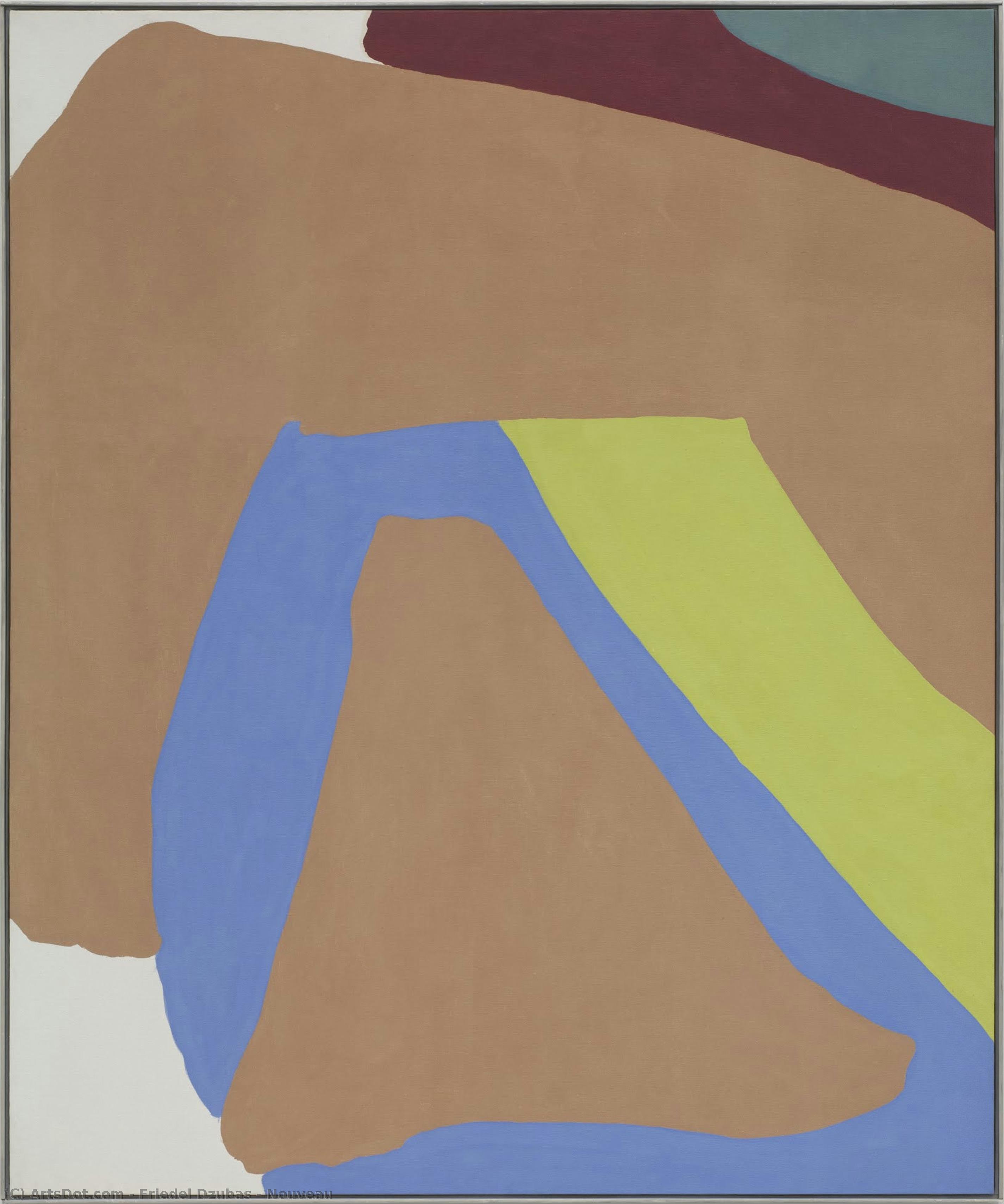
Nouveau


 Ler mais
Giclê / Impressão de Arte
Impressão giclée ou em tela de qualidade de museu, com produção rápida e opções flexíveis de acabamento. ( Encomendar reprodução pintada à mão Alternar para Imagem)




































Escolha entre os nossos tamanhos pré-definidos que respeitam as proporções originais da obra de arte.

Você pode inserir suas próprias dimensões para se ajustar a uma moldura ou espaço específico. Se o tamanho selecionado não corresponder às proporções da imagem original, iremos recortar a obra de arte ou estender a imagem com uma borda espelhada ou preenchimento sólido. Um mockup digital será enviado para sua aprovação antes do início da produção.
Por favor, observe que a visualização na tela não reflete o recorte ou a extensão real. Apenas o mockup mostrará com precisão a composição final.
Embora tamanhos personalizados estejam disponíveis, recomendamos selecionar uma dimensão da lista predefinida para preservar as proporções originais.
Entrega mundial () em 2 semanas, em vez das 4/5 semanas padrão. (3 Agosto)

Envio Expresso Gratuito para todo o Mundo

Tela de Linho de Alta Qualidade

Seguro de transporte completo

Garantia de Reembolso de Impostos Alfandegários

Garantia de Fidelidade Cromática

Política de Devolução de 60 Dias (Apenas para Defeitos)

Garantia de reembolso de 100%

Oferta de desconto por quantidade
 A opção de vidro está disponível apenas para tamanhos inferiores a 110 cm

Nouveau
Giclê / Impressão de Arte
Tamanho da Reprodução
-


Preço Total
$ 80
Descrição do Item Colecionável
A Symphony of Color and Form
In the mesmerizing expanse of Nouveau, created in 1965, the viewer is invited into a profound dialogue between geometry and atmosphere. At first glance, the eye is immediately captured by the striking central blue triangle, a focal point that anchors the composition amidst a sea of earthy tones. This geometric protagonist does not sit static upon the canvas; rather, it feels as though it is emerging from or receding into a rich, brown foundation. Scattered around this central form are vibrant accents of yellow and red, which dance across the surface like sudden bursts of light or embers in a twilight sky. The presence of smaller, intricate triangles within the larger structure adds a layer of rhythmic complexity, transforming a simple geometric arrangement into a deep, multidimensional exploration of space and weight.
The brilliance of this piece lies in its mastery of the Color Field technique, a hallmark of Friedel Dzubas’s mature style. Moving away from the aggressive gestures of his early Abstract Expressionist years, Dzubas utilized a sophisticated staining process that would become legendary in the mid-1960s. By scrubbing thick layers of pigment into large, unprimed canvases, he achieved a texture where color appears both dense and ethereal. In Nouveau, this technique allows for a breathtaking interplay of opacity and translucency. The way the red and yellow accents bleed into the surrounding brown creates an effect reminiscent of natural phenomena—perhaps a sunset filtering through clouds or the organic movement of light through water—making the painting feel less like a static object and more like a living, breathing entity.
Historical Resonance and Emotional Depth
To understand the soul of Nouveau, one must consider the historical journey of its creator. Having fled the rising shadows of Nazi Germany in 1939, Dzubas brought to New York a profound sensitivity to the concepts of freedom and fluidity. His association with luminaries such as Helen Frankenthaler and the influential critic Clement Greenberg placed him at the very heart of the American avant-garde. This painting, produced during the height of his association with Post-painterly Abstraction, reflects a period where the artist had moved beyond mere shape to explore the pure experience of color itself. The work serves as a testament to a life shaped by transition, finding stability not in rigid lines, but in the harmonious balance of contrasting hues.
For the discerning collector or interior designer, Nouveau offers more than just visual splendor; it provides an emotional anchor for any sophisticated space. The piece possesses a unique ability to command attention while maintaining a sense of meditative calm. Its warm, grounded palette of brown and red provides a sense of stability, while the piercing blue and bright yellow inject a modern, energetic vitality. Whether placed in a contemporary gallery setting or as a centerpiece in a luxurious residential lounge, this reproduction captures the essence of mid-century abstraction, offering an enduring sense of wonder and a sophisticated touch of historical prestige.
Biografia do Artista
Friedel Dzubas: Pioneer of Color Field Painting and Magna Technique
Friedel Dzubas (1915 – 1994) emerged from Berlin during the tumultuous years preceding World War II, a German-born American abstract painter whose artistic journey spanned decades of experimentation and innovation. Driven by an innate desire for freedom—a sentiment profoundly shaped by his escape from Nazi Germany in 1939—Dzubas established himself in New York City, forging connections with fellow artists like Helen Frankenthaler and embarking on a prolific career that cemented his place as a significant figure within the burgeoning Color Field movement. His formative years were spent honing artistic skills in Berlin before the rise of fascism forced him to confront an inescapable reality: exile. This experience instilled in Dzubas a resilience and adaptability that would prove invaluable throughout his life, particularly during the challenging period of the Great Depression when he struggled to gain recognition as a young artist. Despite initial difficulties, Dzubas persevered, fueled by unwavering dedication and a burgeoning belief in the transformative power of abstraction. Dzubas’s artistic breakthrough arrived in Manhattan during the early 1950s where he shared a studio space with Helen Frankenthaler, fostering collaborative dialogues that undoubtedly influenced his evolving style. The Ninth Street Show of 1951 marked a pivotal moment—introducing Dzubas to the influential Clement Greenberg and propelling him into the orbit of prominent galleries like Leo Castelli and Tibor de Nagy. These exhibitions showcased his bold explorations of color and texture, establishing him as a key participant in the burgeoning Color Field movement. Greenberg’s endorsement on the poster for the Second New York Painting and Sculpture Annual highlighted Dzubas's significance within the artistic landscape of the time—a testament to his ability to capture the spirit of an era. Dzubas’s stylistic evolution mirrored broader trends in postwar American art, notably embracing lyrical abstraction alongside Color Field painting. His association with Jackson Pollock and other groundbreaking artists further broadened his artistic horizons, exposing him to innovative techniques and conceptual approaches. Notably, Dzubas championed Magna Paint—a revolutionary acrylic emulsion developed by Leonard Bocour and Sam Golden—which allowed for unparalleled layering and staining capabilities. This technique became synonymous with Dzubas’s distinctive style, resulting in monumental canvases characterized by expansive washes of color punctuated by deliberate scrubbing motions that embedded pigment into the unprimed canvas. Throughout his illustrious career spanning over sixty solo exhibitions worldwide, Dzubas continued to refine his craft, producing works of considerable scale—some reaching up to 24 feet (7.3 meters) wide—that commanded attention and admiration. Represented by André Emmerich Gallery and Knoedler Contemporary Arts for more than thirty years, Dzubas’s paintings graced galleries across New York City including the Anita Shapolsky Gallery and Jacobsohn Howard Gallery. His enduring legacy resides not only in his impressive output but also in his unwavering commitment to artistic exploration—a pursuit that yielded masterpieces reflecting the profound impact of Color Field painting and Magna technique on American art history.
Friedel Dzubas
1915 - 1994 , Germany
Dados Rápidos
- Artistic Movement Or Style: Abstract Expressionism & Color Field Painting
- Artists Who Influenced This Artist:
- Jackson Pollock
- Clement Greenberg
- Date Of Birth: 1915
- Full Name: Friedel Dzubas
- Nationality: American
- Notable Artworks:
- Untitled Monotype IV
- Fan Tan
- Passages ( 31)
- Place Of Birth: Berlin, Germany
Artigos Relacionados

Kandinsky: As 25 Obras-Primas que Definem o Abstracionismo | OriginalUniqueArt
Descubra as 25 obras-primas de Wassily Kandinsky, pioneiro da arte abstrata! Explore a história, cores e significado por trás de cada pintura. Encontre reproduções de alta qualidade e inspire sua decoração em OriginalUniqueArt.com.
Claude Monet: As 25 Obras-Primas Essenciais para Amantes da Arte e Decoração
Descubra as 25 obras-primas de Claude Monet, o mestre do Impressionismo! Explore a história por trás dos nenúfares, paisagens e cores vibrantes que revolucionaram a arte. Encontre reproduções de alta qualidade para decorar sua casa com a beleza atemporal de Monet em OriginalUniqueArt.com.

Mark Rothko: As 25 Obras-Primas que Definem um Ícone da Arte Abstrata | OriginalUniqueArt
Descubra as 25 obras-primas de Mark Rothko, ícone do expressionismo abstrato. Explore a história, cores e emoção por trás de cada tela. Reproduções de arte exclusivas para sua casa em OriginalUniqueArt.com.

Top 10 Obras-Primas do Expressionismo Abstrato: Arte para Decorar e Inspirar | OriginalUniqueArt.com
Descubra as 10 obras-primas do Expressionismo Abstrato com Jackson Pollock, Mark Rothko e mais! Explore a história, técnica e emoção por trás de cada pintura. Encontre reproduções de arte exclusivas para decorar sua casa em OriginalUniqueArt.com.

As 10 Obras Mais Famosas em Tons de Azul Ardósia | OriginalUniqueArt.com
Descubra as 10 pinturas mais emblemáticas em tons de azul ardósia! Explore a história, artistas como Monet e Van Gogh, e o significado da cor na arte. Encontre reproduções de alta qualidade para decorar sua casa com OriginalUniqueArt.com.

