
 Visualizar na parede
 Compartilhar
 Compartilhar
 Detalhes
 Guia
Guia

 Baixar imagem
 Semelhantes
 Raio X
 Ver diaporama
 Q&A
Q&A Estatísticas
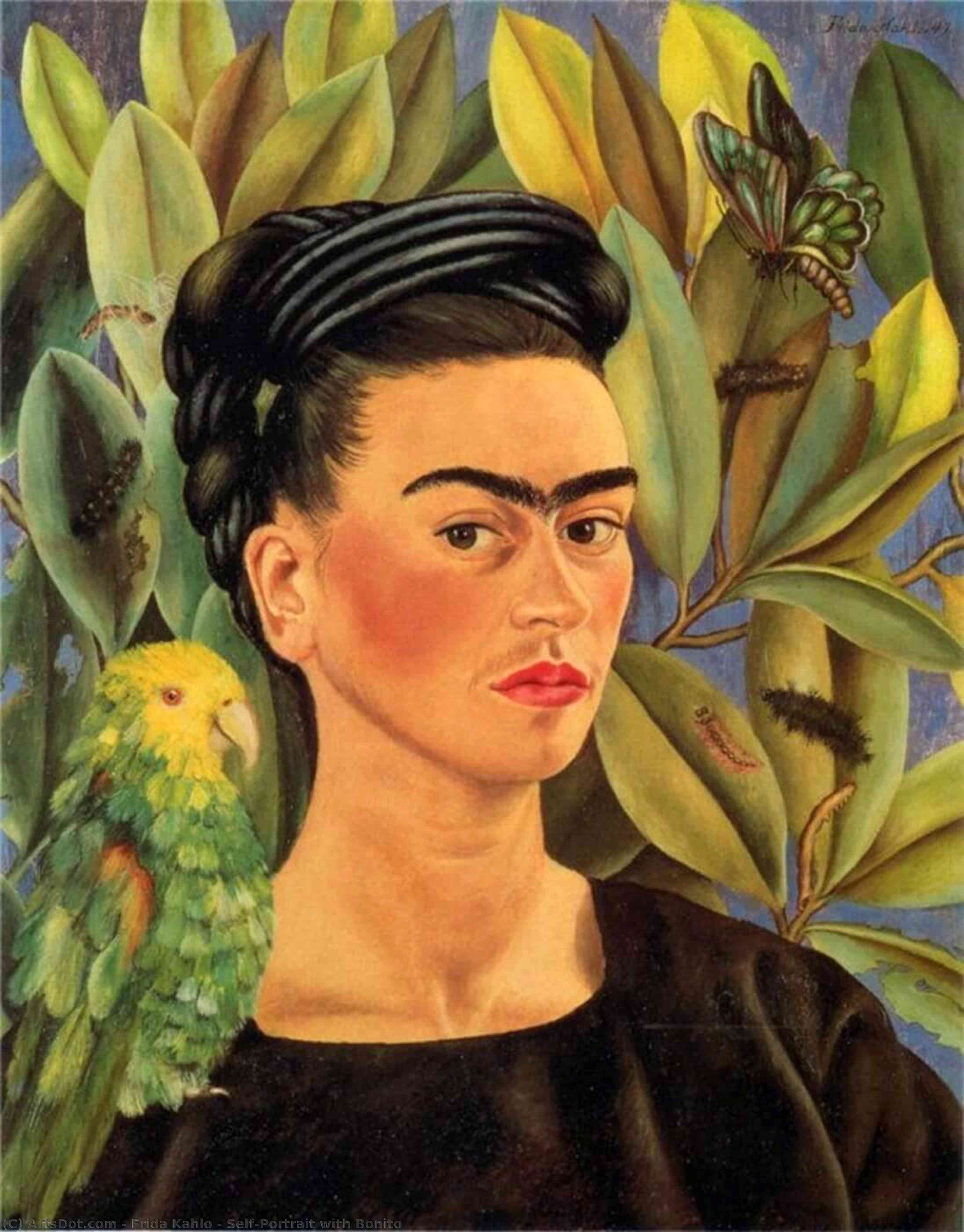
Autorretrato com Bonito


 Ler mais
Giclée / Impressão de Arte
Impressão giclée ou em tela de qualidade de museu, com produção rápida e opções flexíveis de acabamento. ( Comprar pintura feita à mão Alternar para Imagem Digital)




P118B €10

P118H €10

P118W €10

P438Z €10

P508JH €12

P508YH €12

P805H €10

P805Z €10

P919BZ €10

P919G €10

P919XJ €10

P959ZH €10

P968JZ €12

W106C €8

W218G €10

W218JH €8

W218Y €10

W307PJ €10

W316G €10

W316PJ €8

W316Y €10

W398PJ €8

W4111J €10

W500HY €15

W500JH €15

W692G €12

W849H €8

W940BG €15

W953PJ €8




Escolha entre os nossos tamanhos pré-definidos que respeitam as proporções originais da obra de arte.

Insira a largura e a altura desejadas para se ajustarem à sua moldura ou parede. Uma impressão pode ser apenas cortada, nunca ampliada além da imagem original; portanto, um tamanho com proporções diferentes resultará na perda de parte da imagem. Enviamos uma maquete digital para sua aprovação antes de realizarmos a impressão. A imagem exibida nesta página não mostra o corte real — apenas a maquete o faz.
Entrega mundial () em 2 semanas, em vez das 4/5 semanas padrão. (31 Outubro)

Envio expresso gratuito para todo o mundo

Tela de Linho de Alta Qualidade

Seguro de transporte completo

Garantia de Reembolso de Impostos Alfandegários

Garantia de Fidelidade Cromática

Política de Devolução em 100 Dias (Apenas para Defeitos)

Garantia de reembolso de 100%

Oferta de desconto por quantidade
 A opção de vidro está disponível apenas para tamanhos inferiores a 110 cm

Autorretrato com Bonito
Giclée / Impressão de Arte
Tamanho da Reprodução
-


Preço Total
€ 71
Um Retrato de Resiliência: Desvendando o ‘Autorretrato com Bonito’ de Frida Kahlo
O 'Autorretrato com Bonito' de Frida Kahlo, pintado em 1941, é muito mais do que uma simples representação da artista; é uma exploração profundamente pessoal e intensamente simbólica da identidade, da dor e do espírito resiliente que habita o seu interior. Esta obra icônica, executada em óleo sobre tela, cativa imediatamente com suas cores vibrantes e imagens impactantes – um testemunho da habilidade única de Kahlo em transformar suas próprias experiências em uma arte de ressonância universal. A pintura apresenta um autorretrato marcante onde Frida surge vestindo um rico vestido preto, uma escolha audaciente que contrasta fortemente com o fundo verde exuberante e a plumagem brilhante do papagaio pousado em seu ombro.
O estilo de Kahlo durante este período reside firmemente no reino do Surrealismo, embora ela frequentemente resistisse a ser estritamente categorizada. Ela fundiu elementos da arte popular mexicana – evidentes na representação detalhada de suas vestimentas e no retrato naturalista das plantas – com uma abordagem distintamente modernista de composição e cor. As pinceladas soltas e o uso expressivo da luz contribuem para uma atmosfera que é, ao mesmo tempo, onírica e intensamente imediata, convidando os espectadores a adentrarem o mundo interior da artista.
A Linguagem do Simbolismo: Bonito e Além
À primeira vista, o ‘Autorretrato com Bonito’ pode parecer uma autorrepresentação direta. No entanto, um exame mais atento revela uma complexa tapeçaria de simbolismo tecida por toda a composição. O elemento mais proeminente, o papagaio – carinhosamente apelidado de “Bonito” por Kahlo – é, indiscutivelmente, o símbolo central da pintura. Os papagaios são conhecidos por sua inteligência e mimetismo, mas, neste contexto, Bonito provavelmente representa a companhia, talvez até um reflexo da própria personalidade vibrante de Frida e de sua capacidade de encontrar alegria em meio às dificuldades. A presença da ave oferece um contraponto sutil às realidades muitas vezes dolorosas retratadas na obra de Kahlo.
Além de Bonito, a flora circundante – especificamente as plantas densas e verdes – é rica em significados. Elas evocam temas de fertilidade e abundância, refletindo não apenas a herança mexicana de Frida, mas também suas próprias lutas com o sofrimento físico e o desejo pela maternidade. A inclusão de borboletas amplifica ainda mais este simbolismo, representando transformação, renascimento e a natureza efêmera da própria vida. O posicionamento deliberado desses elementos cria um diálogo visual cuidadosamente construído que fala da conexão profunda de Kahlo tanto com sua história pessoal quanto com o mundo natural.
Uma Janela para uma Vida Complexa
Pintado durante um período marcado por significativo turbilhão físico e emocional – incluindo um devastador acidente de ônibus em 1925 – o ‘Autorretrato com Bonito’ oferece um vislumbre pungente da paisagem interior de Frida Kahlo. A pintura não é meramente um registro visual de sua aparência; é uma articulação de sua experiência, uma forma de lidar com a dor e, finalmente, de afirmar sua própria identidade. Kahlo frequentemente utilizava seus autorretratos como um meio de confrontar suas vulnerabilidades e transformar o sofrimento pessoal em uma poderosa expressão artística.
Considerando o corpo de trabalho mais amplo de Kahlo – obras como ‘As Duas Nuas na Floresta’ e ‘Autorretrato como uma Tehuana’ – o 'Autorretrato com Bonito' pode ser compreendido dentro de uma narrativa maior de resiliência, autoaceitação e celebração da cultura mexicana. A obra permanece como um testemunho do legado duradouro de Kahlo como uma das artistas mais inovadoras e emocionalmente ressonantes do século XX. Reproduções desta obra cativante oferecem uma oportunidade extraordinária de se conectar com sua visão profunda.
Onde Experienciar a Visão de Frida
Para apreciar verdadeiramente o ‘Autorretrato com Bonito’ em seu contexto pleno, considere visitar o Museu Frida Kahlo na Cidade do México – conhecido como Casa Azul. Esta casa e estúdio icônicos proporcionam um olhar íntimo sobre a vida e a obra de Kahlo, permitindo que os visitantes mergulhem em seu mundo. Alternativamente, explorar recursos como a Fundação Frida Kahlo (https://www.fridakahlo.org/) oferece percepções inestimáveis sobre seu processo artístico e simbolismo.
Perguntas e Respostas
A que época pertence "Autorretrato com Bonito"?
"Autorretrato com Bonito" pertence ao período Baixa Idade Média.
"Autorretrato com Bonito", de Frida Kahlo é uma pintura, um desenho ou uma gravura?
"Autorretrato com Bonito" é uma obra de Arte de Parede.
"Autorretrato com Bonito", de Frida Kahlo, está em domínio público? E por quê?
"Autorretrato com Bonito", de Frida Kahlo, está em em domínio público — seus direitos autorais expiraram. Os termos de direitos autorais são calculados a partir do falecimento do artista, e Frida Kahlo faleceu em 1954.
Biografia do Artista
A Life Forged in Pain and Passion
Magdalena Carmen Frida Kahlo y Calderón, known to the world simply as Frida Kahlo, was more than an artist; she was a force of nature, a defiant spirit whose life became inextricably woven into her art. Born on July 6, 1907, in Coyoacán, Mexico City, her existence was marked by physical suffering and emotional turbulence, experiences that would ultimately fuel the intensely personal and symbolic imagery for which she is celebrated. Her father, Guillermo Kahlo, a German-Mexican photographer, fostered her intellectual curiosity and artistic inclinations from an early age. However, Frida’s childhood was shadowed by illness; at six years old, she contracted polio, leaving her with a permanent limp and impacting her physical development. This early encounter with vulnerability and limitation would become a recurring theme in her work, shaping her perspective on the body, pain, and resilience.
The Shattered Body, The Blossoming Art
In 1925, at the tender age of eighteen, Frida’s life irrevocably changed. A horrific bus accident left her with catastrophic injuries – fractures to her spine, pelvis, and leg, among others. Confined to a lengthy period of recovery, often bedridden and encased in plaster casts, she turned inward, finding solace and expression through painting. Her mother provided an easel adapted for use while lying down, transforming the confines of her physical limitations into a space for artistic exploration. It was during this time that Frida began to explore self-portraiture with relentless intensity. Unable to venture out into the world, she turned her gaze inward, meticulously documenting her own image as a means of understanding and confronting her pain, both physical and emotional. These early works were not merely representations of her likeness; they were visceral explorations of identity, vulnerability, and the enduring power of the human spirit. The accident wasn’t simply a tragedy; it was a catalyst that unlocked her artistic potential, forcing her to confront her own mortality and find meaning in suffering.
A Tumultuous Union and Artistic Flourishing
Frida's life took another pivotal turn in 1929 when she married the renowned Mexican muralist Diego Rivera. Their relationship was a passionate but tempestuous affair, marked by intense love, infidelity, artistic rivalry, and periods of separation and reconciliation. Despite the emotional turmoil, Rivera proved to be a significant influence on Frida’s artistic development. He encouraged her unique vision, offering constructive criticism while recognizing the raw power and originality of her work. Under his guidance, and through her own relentless experimentation, Frida's style began to coalesce, blending elements of Mexican folk art, realism, and surrealism into a distinctive visual language. Her paintings became increasingly symbolic, exploring themes of identity, the human body, pain, death, and the complexities of female experience. She didn’t shy away from depicting her own suffering; instead, she embraced it as a central theme in her work, transforming personal trauma into universal statements about the human condition.
Symbols of Suffering, Resilience, and Identity
Frida Kahlo is perhaps best known for her self-portraits, which are characterized by their unflinching honesty and symbolic depth. Works like The Two Fridas (1939), a powerful depiction of her dual identity following her divorce from Rivera, showcase her ability to externalize internal conflict through striking visual metaphors. Self-Portrait with Thorn Necklace and Hummingbird (1940) is laden with symbolism – the thorns representing pain, the hummingbird symbolizing hope and resilience, and the black cat a harbinger of bad luck. The Broken Column (1944), a harrowing portrayal of her physical suffering, depicts Frida’s torso split open to reveal a crumbling Ionic column in place of her spine, held together by straps and pierced with nails. Even Henry Ford Hospital (1932), a raw and deeply personal depiction of her miscarriage, demonstrates her willingness to confront taboo subjects with unflinching honesty. These paintings are not merely representations of pain; they are acts of defiance, assertions of selfhood in the face of adversity.
A Lasting Legacy
Frida Kahlo’s influence extends far beyond the realm of art. She was a cultural icon who challenged traditional gender roles and societal expectations through her life and work. Her embrace of Mexican culture and identity helped to elevate its profile on the international stage, and her unflinching portrayal of pain resonated with audiences worldwide, making her a symbol of resilience and strength. She became an important figure for Chicanos in the United States, representing their cultural heritage and struggles. Though she resisted being categorized as a Surrealist, her work shares affinities with the movement’s exploration of the subconscious and dreamlike imagery. Today, Frida Kahlo is celebrated as one of the most important artists of the 20th century, whose legacy continues to inspire generations to embrace their identities, confront adversity, and express themselves authentically. Her art remains a testament to the enduring power of the human spirit to find beauty and meaning even in the darkest of times.
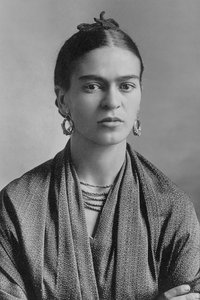
Frida Kahlo
1907 - 1954 , México
Dados Rápidos
- Artistic Movement Or Style: Surrealismo, Folk art
- Artists Or Movements Influenced By This Artist: ['Chicano art']
- Artists Who Influenced This Artist:
- Diego Rivera
- Mexican folk artists
- Date Of Birth: 6 julho 1907
- Date Of Death: 13 julho 1954
- Full Name: Magdalena Carmen Frida Kahlo y Calderón
- Nationality: Mexicana
- Notable Artworks:
- As Duas Fridas
- Flor da Vida
- Henry Ford Hospital
- Place Of Birth: Cidade do México, México
Artigos Relacionados
Unveiling Frida Kahlo: A Journey Through Her Most Iconic Masterpieces and the Soul of Mexican Surrealism
Embark on a profound journey through Frida Kahlo's most iconic masterpieces. Discover the deep symbolism, Mexican heritage, and resilient spirit behind her legendary works in this expert art-historical exploration designed for true art enthusiasts.
Revolution on Canvas: Exploring the Socio-Political Power & Artistic Legacy of Mexican Muralism
Explore the powerful world of Mexican muralism! Discover Diego Rivera, Frida Kahlo & Orozco's revolutionary art, social impact & lasting legacy. Expert insights & high-quality reproductions at OriginalUniqueArt.

Surrealismo: 10 Obras-Primas que Definiram um Movimento Artístico Inovador | OriginalUniqueArt.com
Mergulhe no universo onírico do Surrealismo! Explore 10 obras-primas de Dalí, Magritte e outros artistas icônicos. Descubra a história, técnica e emoção por trás dessas pinturas revolucionárias. Encontre reproduções de arte exclusivas em OriginalUniqueArt.com.
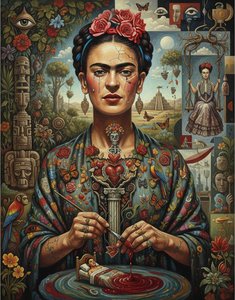
Frida Kahlo: A Life Painted – Surrealism, Identity & Autobiographical Narrative
Explore the life & art of Frida Kahlo – a journey through surrealism, identity, pain, and resilience. Discover her autobiographical masterpieces & lasting feminist legacy with OriginalUniqueArt.

The Inner Landscape: Exploring Themes of Introspection in Visual Art Across Movements & Eras
Explore the captivating world of introspective art! Discover how artists across eras – from Rembrandt to Kahlo – used self-portraiture to reveal their inner worlds and emotional depths. A journey through art history & psychology.


