
 Visualizar na parede
 Compartilhar
 Compartilhar
 Detalhes
 Guia
Guia

 Baixar imagem
 Semelhantes
 Raio X
 Ver diaporama
 Perguntas e Respostas
 Estatísticas
Sharpening the Saw

 Ler mais
A obra de arte exibida nesta página é protegida por leis de direitos autorais, o que significa que não podemos criar ou vender legalmente uma reprodução idêntica. Esta proteção é aplicada por meio de acordos internacionais, tais como a Convenção de Berna e pelas leis nacionais, incluindo as estabelecidas por Lei de Direitos Autorais dos EUA - Título 17.
Este método cumpre plenamente as regulamentações de direitos autorais, pois não envolve a cópia ou duplicação da obra protegida. Em vez disso, trata-se de uma reinterpretação criativa — uma nova pintura que é influenciada pela original, mas não idêntica a ela.
Giclée / Impressão de Arte
Impressão giclée ou em tela de qualidade de museu, com produção rápida e opções flexíveis de acabamento. ( Comprar pintura feita à mão Alternar para Imagem Digital)




































Escolha entre os nossos tamanhos pré-definidos que respeitam as proporções originais da obra de arte.

Insira a largura e a altura desejadas para se ajustarem à sua moldura ou parede. Uma impressão pode ser apenas cortada, nunca ampliada além da imagem original; portanto, um tamanho com proporções diferentes resultará na perda de parte da imagem. Enviamos uma maquete digital para sua aprovação antes de realizarmos a impressão. A imagem exibida nesta página não mostra o corte real — apenas a maquete o faz.
Entrega mundial () em 2 semanas, em vez das 4/5 semanas padrão. (5 Novembro)

Envio expresso gratuito para todo o mundo

Tela de Linho de Alta Qualidade

Seguro de transporte completo

Garantia de Reembolso de Impostos Alfandegários

Garantia de Fidelidade Cromática

Política de Devolução em 100 Dias (Apenas para Defeitos)

Garantia de reembolso de 100%

Oferta de desconto por quantidade
 A opção de vidro está disponível apenas para tamanhos inferiores a 110 cm

Sharpening the Saw
Giclée / Impressão de Arte
Tamanho da Reprodução
-


Preço Total
€ 72
Biografia do Artista
The Luminous Legacy of Frederick William Davis
Frederick William Davis stands as a singular figure in the burgeoning landscape of American Impressionist painting—a testament to an artistic vision nurtured amidst the rugged, mist-shrouded beauty of the Pacific Northwest. Born circa 1860, Davis emerged during a transformative era in American art, carving out a niche that balanced the precision of realism with the ethereal qualities of light and atmosphere. While history often highlights contemporaries such as Thomas Moran or Frederic Remington, Davis occupied a vital space within a smaller, influential cohort of artists dedicated to capturing the fleeting essence of coastal environments through a lens of profound sensitivity.
His formative years in Seattle, Washington, provided a rich tapestry of visual inspiration. During the late Victorian era, a period defined by both rapid industrial expansion and a romanticized fascination with the American frontier, Davis found his muse in the churning waters of the Puget Sound and its surrounding islands. His early explorations into watercolor landscapes revealed an immediate, instinctive ability to translate the sensory experience of moisture, light, and salt air onto paper. This foundational period was not merely about documentation but about an emotional response to the landscape, a trait that would define his lifelong pursuit of atmospheric perspective.
As his technical mastery deepened, Davis looked toward the masters of Europe to refine his approach. He was profoundly influenced by the Impressionist luminaries Claude Monet and Camille Pissarro, meticulously studying their revolutionary use of broken color and layered brushwork. By integrating these techniques, he achieved a remarkable synthesis: a style that maintained a sense of structural realism while embracing the expressive, shimmering qualities of light. This evolution allowed him to move beyond simple representation, instead inviting the viewer to feel the temperature of the breeze and the weight of the coastal fog.
A Journey Through Light and Instruction
The trajectory of Davis’s career was marked by a significant migration eastward, leading him to the vibrant art scene of New York City in 1893. This transition proved pivotal for both his personal development and his contribution to American art education. Establishing himself as a respected instructor at the prestigious Pratt Institute, Davis became a conduit for Impressionist ideals, disseminating his stylistic principles to a new generation of aspiring painters. His role as an educator ensured that the nuances of light-centric painting and the importance of color theory would continue to resonate within the American academic tradition.
Despite his presence in the urban art centers of the East Coast, Davis’s heart remained tethered to the natural grandeur of the American landscape. His versatility as a painter allowed him to traverse diverse terrains, from the rugged, salt-sprayed coastlines of Maine to the serene, rolling vistas of Vermont's Green Mountains. This breadth of subject matter showcased an unwavering commitment to portraying nature with both precision and poetic grace. Whether depicting the maritime drama of a ship navigating coastal swells or the quiet stillness of a mountain glade, his work remained anchored in a deep respect for the organic world.
The historical significance of Frederick William Davis lies in his ability to bridge the gap between the traditional landscape traditions of the 19th century and the modern, sensory-driven approach of Impressionism. His paintings serve as more than mere windows into the past; they are enduring studies of how light interacts with the physical world. Through his evocative use of color and his dedication to capturing the ephemeral, Davis helped establish a uniquely American maritime and coastal aesthetic that continues to captivate collectors and historians alike.
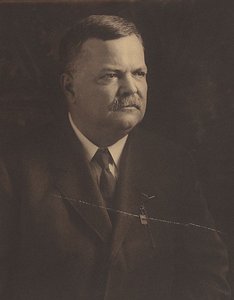
Dados Rápidos
- Full Name: Frederick William Davis
- Nationality: American
- Place Of Birth: United States
- Notable Artworks: ['The Tempest']
- Artistic Movement Or Style: Maritime Art
- Artists Who Influenced This Artist: ['Winslow Homer']
- Artists Or Movements Influenced By This Artist: ['Hudson River School']