
 Visualizar em escala
 Enviar
 Compartilhar
 Ver detalhes

 Baixar
 Semelhantes
 Raio X
 Apresentação de slides
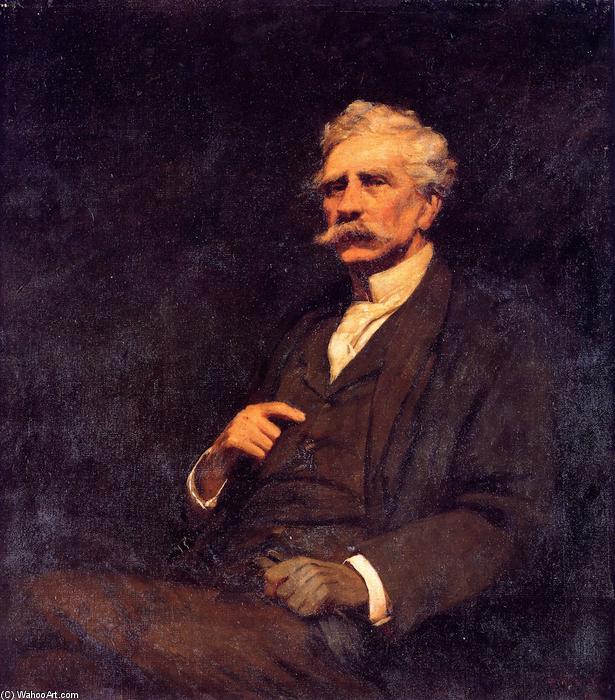
J. A. Panton, Esq. M.P.


 Ver mais
Reprodução em Óleo Feita à Mão
Óleo sobre tela pintado à mão no seu tamanho e moldura, feito sob encomenda pelos nossos artistas. ( Encomendar impressão Comprar imagem em alta resolução)




P118B $10

P118H $10

P118W $10

P438Z $10

P508JH $12

P508YH $12

P805H $10

P805Z $10

P919BZ $10

P919G $10

P919XJ $10

P959ZH $10

P968JZ $12

W106C $8

W218G $10

W218JH $8

W218Y $10

W307PJ $10

W316G $10

W316PJ $8

W316Y $10

W398PJ $8

W4111J $10

W500HY $15

W500JH $15

W692G $12

W849H $8

W940BG $15

W953PJ $8




Escolha entre os nossos tamanhos pré-definidos que respeitam as proporções originais da obra de arte.

Pode inserir as suas próprias dimensões para se adequar a uma moldura ou espaço específico. Se o tamanho selecionado não corresponder às proporções da imagem original, iremos cortar a obra de arte ou estender a pintura com elementos adicionais pintados à mão. Um esboço digital será enviado para sua aprovação antes do início da produção.
Tenha em atenção que a pré-visualização no ecrã não reflete o corte ou extensão real. Apenas o esboço mostrará com precisão a composição final.
Embora tamanhos personalizados estejam disponíveis, recomendamos selecionar uma dimensão da lista predefinida para preservar as proporções originais.
Após o pedido, a equipa OriginalUniqueArt.com enviará um e-mail ao cliente para solicitar instruções e fornecer uma prévia do esboço.
Entrega mundial () em 3 a 4 semanas, em vez das 5 semanas padrão. (20 Agosto). Sem comprometer a qualidade.

Envio Expresso Gratuito para todo o Mundo

Tela de Linho Premium

Seguro de transporte total

Garantia de Reembolso de Impostos Alfandegários

Garantia de Fidelidade de Cor

Política de Devolução de 60 Dias (Apenas para Defeitos)

Garantia de reembolso de 100%

Desconto para múltiplas unidades
 A opção de vidro está disponível apenas para tamanhos inferiores a 110 cm

J. A. Panton, Esq. M.P.
Técnica de Reprodução
Dimensões da Reprodução
-


Preço Total
$ 300
Descrição da Obra
A Portrait of Victorian Esteem: J. A. Panton, Esq. M.P. by Frederick McCubbin
Frederick McCubbin’s 1904 painting, “J. A. Panton, Esq. M.P.,” is more than a simple likeness; it's a carefully constructed tableau of Victorian society, imbued with a subtle melancholy and a poignant awareness of the passage of time. The portrait depicts a distinguished gentleman, identified as J.A. Panton, a prominent figure in colonial administration – an Esquire and Member of Parliament – seated within a richly appointed interior that speaks volumes about his status and the era he represents. McCubbin’s masterful use of light and shadow, combined with a restrained palette dominated by browns, ochres, and muted greens, immediately establishes a mood of quiet contemplation.
McCubbin's style leans heavily into the tenets of the Heidelberg School, a movement that sought to capture the essence of Australian life – its landscapes, its people, and its spirit – with an emphasis on direct observation and emotional resonance. He eschews overly polished surfaces, favoring instead a slightly rougher texture achieved through visible brushstrokes. This technique lends a sense of immediacy and authenticity to the scene, as if we are witnessing a fleeting moment captured in time. The composition is deliberately balanced, drawing our eye across Panton’s face – his thoughtful gaze, the subtle lines etched around his eyes hinting at years of experience – and then outwards to the details of the room, each element contributing to the overall narrative.
The Setting: A Window into Victorian Life
The interior itself is a crucial component of the painting’s meaning. It's not a lavishly opulent space designed to proclaim wealth, but rather a comfortably furnished room that suggests quiet success and established position. The dark wood panelling, the heavy curtains, and the carefully arranged furniture all speak to a man accustomed to respectability and authority. A globe sits prominently on a table, symbolizing Panton’s engagement with both his local community and the wider world – a reflection of the colonial mindset prevalent at the time. A small writing desk suggests a life dedicated to correspondence and administrative duties, while a partially visible bookcase hints at an appreciation for learning and culture.
Notably, McCubbin subtly incorporates elements that hint at the realities beneath the veneer of Victorian respectability. The shadows cast by the furniture are deep and suggestive, creating a sense of enclosure and perhaps even unease. The muted colors contribute to this feeling, preventing the scene from becoming overly bright or cheerful. This restrained approach is characteristic of McCubbin’s work – he doesn't shy away from depicting the complexities and ambiguities of human experience.
Symbolism and Emotional Resonance
Beyond its realistic depiction of a Victorian gentleman, “J. A. Panton, Esq. M.P.” carries significant symbolic weight. The portrait can be interpreted as an exploration of identity – the tension between public persona and private self. Panton’s thoughtful expression suggests a man wrestling with his responsibilities and perhaps even contemplating the legacy he will leave behind. The painting's quietness invites introspection, prompting us to consider the burdens of leadership and the fleeting nature of earthly achievements.
McCubbin was deeply interested in portraying the Australian landscape and its impact on human life. While this portrait is primarily focused on a single individual, it’s important to remember that McCubbin's work often explores themes of isolation, loss, and the relationship between humanity and nature. The subtle hints of the outdoors – glimpsed through the window – serve as a reminder of the vastness of the Australian continent and the challenges faced by those who sought to carve out a life within it.
A Legacy of Australian Art
“J. A. Panton, Esq. M.P.” stands as a testament to Frederick McCubbin’s enduring contribution to Australian art. It's a painting that rewards careful observation and invites multiple interpretations. Reproductions of this iconic work offer a valuable window into the Victorian era, capturing not only the appearance of a prominent figure but also the spirit of a nation grappling with its identity and forging its own path. The painting’s quiet dignity and subtle emotional depth continue to resonate with viewers today, cementing McCubbin's place as one of Australia’s most beloved artists.
Biografia do Artista
A Life Rooted in the Australian Landscape
Frederick McCubbin, born in Melbourne on February 25th, 1855, stands as a cornerstone of Australian art, inextricably linked to the nation’s evolving identity and its unique visual language. His journey from humble beginnings – the son of bakers who instilled in him a strong work ethic – to becoming a pivotal figure in the Heidelberg School is a testament to his dedication and artistic vision. McCubbin's early life was marked by diverse experiences, working as a solicitor’s clerk and assisting in the family bakery before fully embracing his calling as a painter. These formative years, though seemingly disparate, imbued him with a deep understanding of everyday Australian life, a theme that would resonate profoundly throughout his oeuvre. He received foundational training at the National Gallery of Victoria's School of Design, studying under esteemed artists like Eugene von Guerard and George Folingsby, honing his skills in landscape painting while absorbing the prevailing artistic currents of the time. A crucial turning point arrived with his enduring friendship with Tom Roberts, a bond that would shape the course of Australian art history.The Heidelberg School and Defining a National Aesthetic
In 1885, McCubbin and Roberts established the Box Hill Artists' Camp, a landmark event in the development of the Heidelberg School movement. This plein air collective – soon joined by Arthur Streeton and Charles Conder – sought to capture the essence of Australian life and landscapes with an unprecedented immediacy and authenticity. Rejecting the conventions of European academic painting, they ventured into the bush, embracing the raw beauty and harsh realities of the Australian environment. McCubbin’s contributions during this period were instrumental in defining a distinctly Australian aesthetic. His works from this era, such as Down on His Luck (1889), On the Wallaby Track (1896), and The Pioneer (1904), are now iconic representations of pioneering life, depicting the struggles and resilience of early settlers against the backdrop of a vast and often unforgiving landscape. These paintings weren’t merely depictions of scenery; they were narratives imbued with social commentary, exploring themes of solitude, hardship, and the complex relationship between European settlers and the Indigenous land. Heidelberg School artists aimed to paint what was uniquely Australian, moving away from imported styles and subjects. They prioritized capturing light and atmosphere—the way sunlight filtered through eucalyptus trees—creating images that felt alive and emotionally resonant.Evolution of Style and a Continued Exploration of Identity
While deeply committed to capturing the spirit of Australia, McCubbin wasn’t immune to external influences. A pivotal journey to Europe in 1907 exposed him to the works of J.M.W. Turner and French Impressionists, prompting a subtle yet significant shift in his artistic approach. He began experimenting with freer brushwork, lighter colors, and a more abstracted style, evident in later paintings like An Interior, which many critics consider among his strongest achievements. This evolution wasn’t a rejection of his earlier themes but rather a refinement of his ability to convey emotion and atmosphere. He continued to depict scenes of rural life—farmers tending their crops, children playing outdoors—often focusing on the interplay between light and shadow, creating works that are both visually stunning and emotionally resonant. McCubbin's later landscapes demonstrate a growing interest in atmospheric effects and a more subjective interpretation of the natural world.Legacy and Enduring Influence
Frederick McCubbin’s impact on Australian art is undeniable. His work is held in prestigious collections, including the National Gallery of Victoria and the Art Gallery of Ballarat, ensuring his legacy endures for generations to come. He served as a mentor to countless aspiring artists, both through his teaching position at the National Gallery School and through his influence as a leading figure in the art community. He was president of the Victorian Artists’ Society and played a key role in establishing the Australian Art Association. McCubbin's contribution extends beyond his individual paintings; he helped establish a national artistic identity, fostering a sense of pride in Australia’s unique landscape and culture. He remains celebrated as one of Australia's most important and beloved painters, whose works continue to resonate with audiences today, offering poignant glimpses into the nation’s past and enduring reflections on the human spirit. His ability to capture the essence of Australian life – its beauty, hardship, and resilience – has cemented his place in art history as a true pioneer and visionary.
Frederick McCubbin
1855 - 1917 , Austrália
Informações Rápidas
- Artistic Movement Or Style: Impressionismo Heidelberg
- Artists Or Movements Influenced By This Artist:
- J.M.W. Turner
- French Impressionistas
- Artists Who Influenced This Artist:
- Eugene von Guerard
- George Folingsby
- Date Of Birth: 25 fevereiro 1855
- Date Of Death: 20 dezembro 1917
- Full Name: Frederick McCubbin
- Nationality: Austríaco
- Notable Artworks:
- On the Wallaby Track
- Down on His Luck
- The Pioneer
- Place Of Birth: Melbourne, Austrália
Artigos Relacionados

Os 10 Quadros Mais Famosos Dominados pelo Branco: Arte e Decoração
Descubra os 10 quadros mais famosos dominados pelo branco, de Monet a Kandinsky! Explore a história da arte, técnicas e o poder da paleta neutra. Encontre reproduções de alta qualidade para sua decoração em OriginalUniqueArt.com.
Os 10 Melhores Quadros de Paisagem: Arte, História e Decoração Inspiradora
Descubra os 10 quadros de paisagem mais icônicos da história da arte! Explore Monet, Van Gogh e outros mestres, suas técnicas e inspirações. Encontre reproduções de alta qualidade para decorar sua casa com beleza e elegância em OriginalUniqueArt.com.

As 10 Pinturas Mais Famosas Dominadas pelo Preto: Arte, História e Decoração
Descubra as 10 pinturas mais icônicas dominadas pelo preto! Explore a história, técnica e emoção por trás de obras-primas do Romantismo, Realismo e Expressionismo. Encontre reproduções de arte exclusivas na OriginalUniqueArt.com.

Os 10 Mestres da Paisagem Romântica: Arte para Inspirar a Sua Casa
Descubra os 10 quadros mais emblemáticos da Paisagem Romântica! Explore a história de Turner, Friedrich e outros mestres. Encontre reproduções de arte exclusivas para inspirar sua decoração em OriginalUniqueArt.com.

John Constable: As 25 Obras-Primas que Definem o Mestre da Paisagem Inglesa | OriginalUniqueArt
Descubra as 25 obras-primas de John Constable, o mestre da paisagem inglesa! Explore a arte romântica, cores vibrantes e histórias fascinantes por trás de 'Hay Wain' e outras pinturas icônicas. Encontre reproduções de alta qualidade para decorar sua casa com OriginalUniqueArt.com.


