
 Visualizar em escala
 Enviar
 Compartilhar
 Ver detalhes

 Baixar
 Semelhantes
 Raio X
 Apresentação de slides
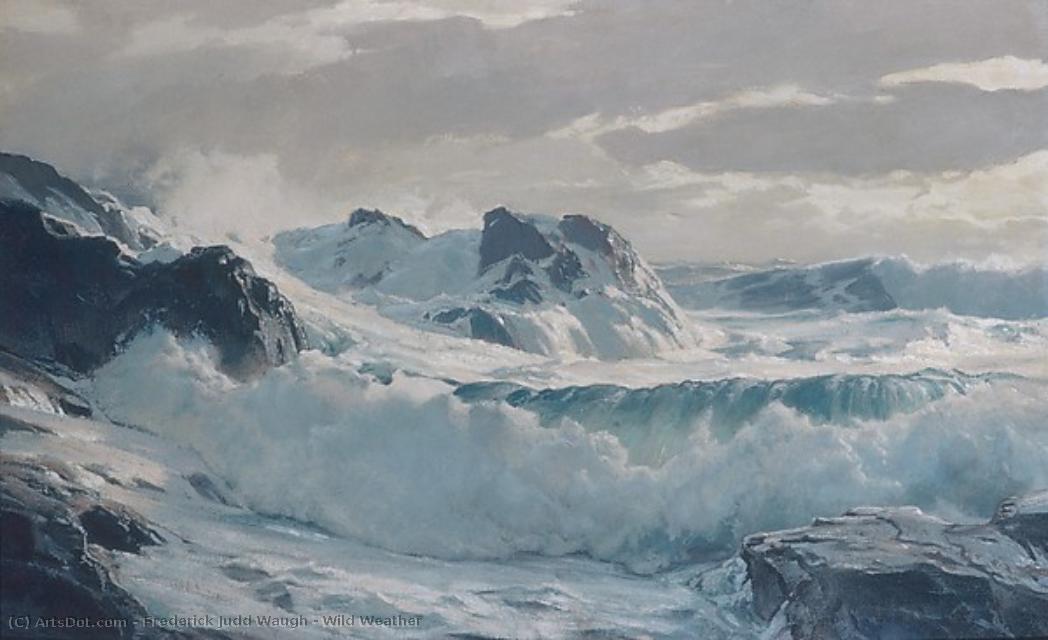
Wild Weather
 Oil On Canvas
- WallArt
- Contemporary Realism
 1930
1930 76.0 x 122.0 cm
 Museu Metropolitano de Arte
 Ver mais
Adquira uma imagem digital de alta resolução e aprimorada, muito superior à prévia online.
Cada arquivo é meticulosamente preparado por nossos especialistas internos, utilizando ferramentas avançadas e retoques manuais de alta precisão. Garantimos que cada imagem apresente clareza excepcional, fidelidade de cores e detalhes minuciosos.
O arquivo final é entregue por e-mail em até 72 horas, otimizado para uso imediato em ambientes profissionais, editoriais e de impressão. Esta é a mesma qualidade utilizada por estúdios de design de alto nível, editoras e galerias.
Imagem Digital
Baixe um arquivo de alta resolução para exibição pessoal, impressão e projetos criativos. ( Comprar impressão Comprar pintura feita à mão)
Incluído em cada pedido de imagem digital
Entrega Digital Especializada e Garantida
Ao escolher o OriginalUniqueArt.com, você não está apenas adquirindo uma imagem — você está recebendo uma obra de arte digital profissionalmente aprimorada, elaborada com precisão e com garantia de satisfação. Aqui está tudo o que acompanha seu pedido, automaticamente:

Entrega rápida por e-mail
O seu arquivo de imagem digital em alta resolução será enviado por e-mail em até 72 horas após o pedido — pronto para uso imediato.

Arquivo Digital com IA Otimizado
Sua obra de arte é otimizada profissionalmente por meio de ferramentas avançadas de IA e edição manual, garantindo o máximo de detalhes, clareza e precisão de cores.

Reenvio gratuito vitalício
Apagou ou perdeu o seu ficheiro acidentalmente? Não se preocupe – nós reenviamos para si a qualquer momento, gratuitamente.

Sem Taxas de Importação - Sempre
Desfrute da sua obra de arte instantaneamente, sem taxas alfandegárias, impostos ou custos de entrega — downloads digitais são sempre isentos de taxas.

Garantia de Precisão de Cores
Garantimos que sua imagem digital reflita as cores originais com a maior fidelidade possível, utilizando ferramentas profissionais e gerenciamento de cores.

Garantia de Satisfação de 60 Dias
Se você não estiver satisfeito com sua imagem digital, nós a revisaremos ou reembolsaremos 100% dentro de 60 dias — sem perguntas.

Garantia de Reembolso 100%
Não está satisfeito? Receba o reembolso total em até 60 dias após o recebimento do seu arquivo digital — sem perguntas.

Descontos para pedidos em lote
Compre 3 imagens, economize 10% - Compre 5, economize 15% - Compre 10+, economize 20%. Ideal para projetos criativos, galerias e agências.
Descrição do Colecionável
A Tempestuous Vision: Unveiling Frederick Judd Waugh’s “Wild Weather”
Frederick Judd Waugh's "Wild Weather," painted around 1930, isn’t merely a depiction of a seascape; it’s an immersive experience—a visceral rendering of nature’s raw power and the sublime beauty found within its untamed heart. This oil on masonite painting, now residing in the Metropolitan Museum of Art, captures a moment of intense drama, where towering mountains are swallowed by swirling clouds and relentless waves assault jagged rock formations. Waugh, a master of marine art who later contributed significantly to wartime camouflage efforts, here demonstrates a remarkable ability to translate the elemental forces of nature onto canvas with both precision and profound emotional resonance.
The painting’s composition immediately commands attention. The dominant horizontal thrust of the mountain range establishes a sense of scale and solidity, anchoring the scene while simultaneously emphasizing the overwhelming force of the approaching storm. Waugh skillfully employs atmospheric perspective – a technique borrowed from Impressionism – to create depth; distant peaks fade into a hazy blue, suggesting immense distance and reinforcing the feeling of isolation. The dynamic arrangement of clouds, rendered with loose, expressive brushstrokes, creates a sense of perpetual motion, as if the viewer is caught in the eye of the storm themselves. The lower portion of the image, dominated by the churning sea, provides a counterpoint to the stoic strength of the mountains, highlighting the relentless and ultimately unstoppable nature of the elements.
A Palette of Power: Color, Texture, and Technique
Waugh’s color palette is deliberately restrained, relying heavily on cool tones—whites, grays, blues, and muted browns—to evoke a sense of foreboding and drama. The dominant hues are not vibrant or celebratory; instead, they contribute to the painting's somber mood, mirroring the harshness of the weather conditions depicted. However, subtle highlights – particularly on the snow-covered peaks and the crests of the waves – provide moments of visual relief, suggesting a glimmer of light struggling through the storm clouds. The texture is equally compelling; Waugh’s visible brushstrokes create a palpable sense of roughness and movement, mirroring the chaotic energy of the sea. The application of paint varies from broad washes to finer details, adding layers of complexity and depth to the scene.
Technically, “Wild Weather” showcases Waugh's mastery of oil painting. He skillfully employs layering techniques to build up form and create a sense of three-dimensionality, while simultaneously maintaining a loose, expressive style that captures the fleeting nature of the storm. The choice of masonite as the support—a relatively new material at the time—allowed for a smoother surface, facilitating Waugh’s detailed brushwork and contributing to the painting's overall luminosity. The careful blending of colors and the subtle gradations in tone demonstrate his meticulous attention to detail and his ability to capture the nuances of light and shadow.
Symbolism and Emotional Resonance
Beyond its technical brilliance, “Wild Weather” is rich in symbolic meaning. The imposing mountains can be interpreted as representing resilience, strength, and endurance—qualities tested by the relentless assault of nature. The turbulent sea embodies chaos, unpredictability, and the humbling power of the natural world. Together, these elements evoke a sense of awe and respect for the forces that shape our planet. There’s also an underlying feeling of solitude and vulnerability; the viewer is placed within this dramatic landscape, acutely aware of their own insignificance in the face of such overwhelming power.
Waugh's artistic journey—from his early training in realism to his later embrace of Impressionistic techniques—is evident in “Wild Weather.” The painting reflects a shift towards capturing not just the literal appearance of nature, but also its emotional impact. It’s a testament to Waugh’s ability to transform a simple landscape into a profound meditation on the relationship between humanity and the natural world. The work resonates with viewers today, offering a timeless reminder of the beauty and power that can be found in even the most turbulent of times.
A Legacy of Maritime Art
Frederick Judd Waugh’s “Wild Weather” stands as a pivotal work within his oeuvre and a significant example of American marine art during the early 20th century. His innovative approach to depicting the sea, combined with his meticulous attention to detail and his ability to convey profound emotional depth, cemented his place as one of the most celebrated artists of his generation. Reproductions of this powerful painting continue to captivate audiences, offering a glimpse into a world where nature reigns supreme and the human spirit is both humbled and inspired.
Biografia do Artista
A Life Immersed in the Sea: The World of Frederick Judd Waugh
Born in Bordentown, New Jersey, in 1861, Frederick Judd Waugh embarked on a journey that would inextricably link his name to the raw power and captivating beauty of the ocean. Coming from an artistic lineage – his father, Samuel Waugh, was a respected Philadelphia portrait painter – young Frederick received foundational training at the Pennsylvania Academy of Fine Arts under the discerning eye of Thomas Eakins. This early education instilled in him a commitment to realism, a meticulous observation of form and light that would remain a hallmark of his work even as his style evolved. He further refined his skills with studies at the prestigious Académie Julian in Paris, learning from Adolphe-William Bouguereau, yet ultimately diverging from the strict academic conventions favored there, seeking a more personal expression.From Coastal Realism to Expressive Seascapes
A pivotal moment arrived when Waugh relocated to England, settling on the island of Sark in the English Channel. This move wasn’t merely geographical; it was a profound shift in artistic focus. He dedicated himself wholeheartedly to capturing the essence of the sea – its moods, its fury, and its serene moments of tranquility. His early work focused on realistic depictions of coastal scenes, immediately recognizable for their dramatic use of light and shadow. Waugh possessed an exceptional ability to convey the untamed energy of waves crashing against cliffs, the turbulent drama of stormy weather, and the subtle interplay of sunlight on water. Over time, his style blossomed, incorporating elements of Impressionism and a more expressive brushstroke. His seascapes began to breathe with movement and atmosphere, inviting viewers not just to observe but to *feel* the ocean’s presence. He wasn't simply painting what he saw; he was conveying an emotional experience.Beyond the Canvas: Art in Service of Nation
In 1908, Waugh returned to the United States, eventually finding a creative haven in Montclair Heights, New Jersey, thanks to the patronage of art collector William T. Evans, who provided him with studio space in exchange for an annual painting. However, his artistic path took an unexpected turn with the outbreak of World War I. Recruited by the U.S. Navy under the direction of Everett L. Warner, Waugh lent his considerable artistic talent to a critical wartime effort: designing ship camouflage. This wasn’t merely about aesthetics; it was about deception and survival. His designs, implemented on numerous vessels including the massive Leviathan, aimed to disrupt enemy targeting and protect American ships from submarine attacks. It's a testament to Waugh’s versatility that he could seamlessly transition between capturing the beauty of nature and applying his artistic skills to the demands of military strategy. Following this service, he continued to seek inspiration along the American coastline, residing on Bailey Island, Maine, and Provincetown, Massachusetts, each location offering unique perspectives for his ever-evolving seascapes. His standing within the art community was further solidified when he served as a judge at an art exhibit on Monhegan Island in 1914.Legacy of a Marine Master
Frederick Judd Waugh’s artistic journey was profoundly shaped by those who came before him. The emphasis on realism and anatomical accuracy instilled by Thomas Eakins remained a foundational element of his work, while the technical training received from Adolphe-William Bouguereau in Paris provided an initial framework that he later transcended. Yet, Waugh wasn’t simply imitating his mentors; he was forging his own path, driven by a deep connection to the sea and a desire to capture its essence on canvas. His contributions during World War I highlight the often-overlooked intersection of art and military innovation. Today, his dynamic seascapes and powerful surf paintings continue to captivate audiences, solidifying his place as a significant figure in American marine art. Waugh’s work isn't just about depicting the ocean; it’s about conveying its power, its mystery, and its enduring allure. His legacy endures through the numerous public and private collections that house his paintings, ensuring that future generations can experience the captivating world he created – a world forever immersed in the sea.Influences and Artistic Kinship
- Thomas Eakins: The foundation of Waugh’s realism and dedication to accurate observation.
- Adolphe-William Bouguereau: Provided early technical training, though Waugh ultimately developed a more independent style.
- The Sea Itself: Waugh's most profound influence; his life was dedicated to capturing its ever-changing moods and power.

Frederick Judd Waugh
1861 - 1940

