Visualizar em escala
 Enviar
 Compartilhar
 Ver detalhes
 Guia de Obras do Aluno

 Baixar imagem
 Semelhantes
 Raio X
 Apresentação de slides
 Estatísticas
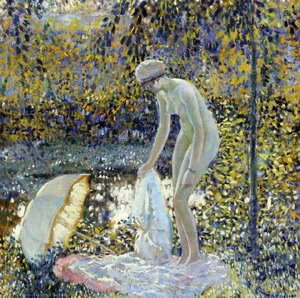
Lady in Pink
 Oil On Canvas
- WallArt
- Impressionist Painting
 1902
1902 380.0 x 463.0 cm
 Walker Art Gallery
 Ver mais
Giclée / Impressão de Arte
Impressão giclée ou em tela de qualidade de museu, com produção rápida e opções flexíveis de acabamento. ( Encomendar reprodução pintada à mão Ver Imagem Digital)




P118B $10

P118H $10

P118W $10

P438Z $10

P508JH $12

P508YH $12

P805H $10

P805Z $10

P919BZ $10

P919G $10

P919XJ $10

P959ZH $10

P968JZ $12

W106C $8

W218G $10

W218JH $8

W218Y $10

W307PJ $10

W316G $10

W316PJ $8

W316Y $10

W398PJ $8

W4111J $10

W500HY $15

W500JH $15

W692G $12

W849H $8

W940BG $15

W953PJ $8




Escolha entre os nossos tamanhos pré-definidos que respeitam as proporções originais da obra de arte.

Você pode inserir suas próprias dimensões para se ajustar a uma moldura ou espaço específico. Se o tamanho selecionado não corresponder às proporções da imagem original, iremos recortar a obra de arte ou estender a imagem com uma borda espelhada ou preenchimento sólido. Um mockup digital será enviado para sua aprovação antes do início da produção.
Por favor, observe que a visualização na tela não reflete o recorte ou a extensão real. Apenas o mockup mostrará com precisão a composição final.
Embora tamanhos personalizados estejam disponíveis, recomendamos selecionar uma dimensão da lista predefinida para preservar as proporções originais.
Entrega mundial () em 2 semanas, em vez das 4/5 semanas padrão. (26 Setembro)

Envio expresso gratuito para todo o mundo

Tela de Linho Premium

Seguro de transporte total

Garantia de Reembolso de Impostos Alfandegários

Garantia de Fidelidade de Cor

Política de Devolução em 100 Dias (Apenas para Defeitos)

Garantia de reembolso de 100%

Desconto para múltiplas unidades
 A opção de vidro está disponível apenas para tamanhos inferiores a 110 cm

Lady in Pink
Giclée / Impressão de Arte
Dimensões da Reprodução
-


Preço Total
$ 80
A Glimpse of Parisian Life – The Story Behind “Lady in Pink”
Frederick Carl Frieseke’s “Lady in Pink,” painted in 1902, isn't merely a portrait; it’s a carefully constructed tableau vivant—a snapshot of a fleeting moment captured with the delicate precision and luminous quality that defined his signature style. Born in Owosso, Michigan, Frieseke embarked on an extraordinary journey to Paris, immersing himself in the vibrant artistic currents of the late 19th century. This relocation proved transformative, shifting his focus from the more rigid academic traditions he’d initially embraced towards a freer, Impressionistic approach deeply influenced by Whistler and the burgeoning light-and-air movement.
The painting depicts Maud Kelly, a young woman who frequently posed for Frieseke's friends. She sits poised in an intimate interior setting – a modest bedsit studio in Montparnasse, a district known then as a haven for struggling artists. The room itself is subtly rendered, suggesting a space of quiet contemplation; a simple couch, draped with a patterned throw, and scattered books hint at a life lived amongst creative pursuits. The choice of location speaks volumes about Frieseke’s own circumstances – a testament to his dedication to art amidst modest means.
Technique and Light: A Dance of Watercolor and Oil
Frieseke's masterful technique is immediately apparent in the painting’s ethereal quality. He employed a remarkably thin application of oil paint, often layering translucent washes over a rough cardboard support – a deliberate choice that echoes the techniques of watercolor artists. This creates a remarkable sense of luminosity, as light seems to emanate from within the canvas itself. The use of broken color and subtle gradations mimics the effects of natural light filtering through a window, imbuing the scene with an atmosphere of gentle warmth and intimacy.
- Color Harmony: The dominant palette – soft pinks, whites, and silvery grays – evokes a sense of serenity and understated elegance.
- Brushwork: Frieseke’s brushstrokes are loose and expressive, capturing the fleeting quality of light and shadow with remarkable sensitivity.
- Composition: The careful arrangement of elements—the pose of the sitter, the placement of objects in the room—creates a balanced and harmonious composition that draws the viewer's eye effortlessly.
Symbolism and Emotional Resonance
Beyond its technical brilliance, “Lady in Pink” is rich in symbolic meaning. The pose itself – hands clasped gently together, gaze directed downwards—suggests introspection and a quiet contemplation of the self. The pink hue, often associated with femininity, grace, and innocence, further enhances this impression. It’s not simply a portrait; it's an exploration of mood, atmosphere, and the subtle nuances of human emotion.
Furthermore, the painting reflects Frieseke’s fascination with capturing fleeting moments of beauty in everyday life. He sought to depict the ephemeral qualities of light and color, creating works that resonate with a sense of nostalgia and timelessness. The painting's quiet intimacy invites viewers to step into the scene and share in the sitter's moment of peaceful reflection.
A Legacy of Light: Frieseke’s Enduring Influence
Frederick Carl Frieseke remains one of America’s most beloved Impressionist painters, celebrated for his ability to capture the beauty of light and the essence of human experience. “Lady in Pink” stands as a prime example of his artistic vision—a testament to his technical skill, his sensitivity to color and light, and his profound understanding of the power of art to evoke emotion and transport us to another time and place. Reproductions of this captivating work offer a window into Frieseke’s world, allowing viewers to appreciate the delicate beauty and quiet grace that defined his extraordinary career.
Biografia do Artista
A Life Bathed in Sunlight: The Artistic Journey of Frederick Carl Frieseke
Born in the small Michigan town of Owosso on April 7, 1874, Frederick Carl Frieseke embarked on a path that would lead him to become a pivotal figure in American Impressionism. His early life, marked by a move to Florida following his mother’s passing and nurtured by an artistically inclined aunt, instilled within him a sensitivity to light and form that would define his oeuvre. Though initially involved in his family's brick manufacturing business, Frieseke’s true calling resonated with the artistic spirit of the age. A formative visit to the 1893 World’s Columbian Exposition ignited a passion that propelled him towards formal training at the Art Institute of Chicago and, crucially, a relocation to Paris in 1898 – a decision that irrevocably shaped his artistic destiny. It was in France that Frieseke truly found his voice, immersing himself in the vibrant art scene and absorbing the influences that would blossom into his signature style.The Allure of Giverny and the Development of “Decorative Impressionism”
Paris proved to be more than just a place of study; it became Frieseke’s adopted home, a sanctuary where he could refine his technique and explore his artistic vision. Early influences included James Abbott McNeill Whistler, whose tonal harmonies left an indelible mark on Frieseke's work – particularly in the way he manipulated light and shadow to create mood and atmosphere. However, it was the allure of Giverny – Claude Monet’s idyllic haven – that truly unlocked his potential. In 1906, Frieseke rented a house adjacent to Monet’s, becoming part of a thriving artistic community and immersing himself in the very essence of Impressionism. This proximity fostered a unique style often described as “decorative impressionism.” Unlike the more spontaneous brushwork of some Impressionists, Frieseke's paintings exhibit a refined elegance, characterized by luminous colors, dappled sunlight filtering through foliage, and an emphasis on graceful female figures. He wasn’t merely capturing a fleeting moment; he was crafting scenes of serene beauty, imbued with a sense of intimate tranquility. His work began to showcase sensual, rounded forms reminiscent of Pierre-Auguste Renoir, blended with the bolder color palettes inspired by Post-Impressionists like Paul Gauguin and Pierre Bonnard. Frieseke’s compositions often featured carefully arranged elements – parasols, patterned fabrics, and floral arrangements – creating a sense of visual harmony and deliberate design.Themes and Techniques: Capturing Light and Femininity
Frieseke’s artistic focus consistently revolved around two central themes: the captivating effects of light and the portrayal of women. He was fascinated by how sunlight transformed ordinary scenes into moments of ethereal beauty, and he masterfully captured this interplay in his paintings. His female subjects, often depicted in gardens or interiors, are not merely portraits but embodiments of grace, sensuality, and quiet contemplation. Hélène, painted in 1901, exemplifies this approach – a stunning portrait showcasing Impressionistic beauty and intimate detail. Similarly, works like The Garden at Giverny demonstrate his ability to blend Impressionist techniques with Post-Impressionist color sensibilities. Frieseke’s technique involved layering delicate brushstrokes to create a shimmering effect, evoking the sensation of sunlight dancing on skin and foliage. He often incorporated geometric elements – parasols, patterned fabrics – to provide contrast and enhance the visual harmony of his compositions. His dedication to capturing these nuances earned him recognition; Before the Glass (1904) was purchased by the French Government and displayed at the Luxembourg Gallery, a testament to his growing reputation.Notable Works
- Portrait of a Girl (also known as Pensive Model): A stunning blend of realism and beauty capturing quiet contemplation.
- Hélène: Showcasing Impressionistic beauty and intimate detail, painted in 1901.
- Self-Portrait: Reveals the artist’s contemplative nature amidst his studio, showcasing masterful technique.
- The Garden at Giverny: A prime example of his blend of Impressionist and Post-Impressionist styles.
- Woman in a Garden: A quintessential representation of his decorative impressionism.
- Before the Glass (1904): Purchased by the French Government, displayed at the Luxembourg Gallery.
- Torn Lingerie (1920): Awarded two gold medals and the popular prize at the Chicago Art Institute.
Recognition and Legacy: A Lasting Impression on American Art
Throughout his career, Frieseke garnered numerous accolades – a silver medal at the St. Louis Exposition in 1904; the Gold Medal at the International Art Exposition in Munich that same year; and the Grand Prize at the Panama-Pacific International Exposition in San Francisco in 1915. His painting Torn Lingerie (1920) achieved particular acclaim, winning two gold medals and the popular prize at the Chicago Art Institute. Despite his success, Frieseke remained a committed expatriate, preferring the artistic freedom he found in France. He passed away on August 24, 1939, leaving behind a legacy of luminous paintings that continue to captivate audiences today. His contribution to American Impressionism is significant not only for his technical skill but also for his ability to create scenes of enduring beauty and tranquility. Frieseke’s work serves as a reminder of the power of art to transport us to idyllic realms, bathed in sunlight and filled with grace.
Frederick Carl Frieseke
1874 - 1939 , Estados Unidos da América
Informações Rápidas
- Artistic Movement Or Style: Impressionismo Americano
- Artists Or Movements Influenced By This Artist:
- Impressionismo
- Pós-impressionismo
- Artists Who Influenced This Artist:
- Renoir
- Whistler
- Gauguin
- Date Of Birth: 7 de abril de 1874
- Date Of Death: 24 de agosto de 1939
- Full Name: Frederick Carl Frieseke
- Nationality: Americano
- Notable Artworks:
- A Jardim em Giverny
- Mulher em um jardim
- Antes do vidro
- Place Of Birth: Owosso, EUA
Artigos Relacionados

Além da Luz e Cor: Impressionismo vs. Pós-Impressionismo para o Colecionador Exigente
Descubra as nuances entre Impressionismo e Pós-Impressionismo! Guia completo para colecionadores exigentes, com artistas, história e dicas de investimento. Explore o legado da arte moderna.
Os 10 Ícones do Impressionismo que Transformaram a Arte e Decoram o Lar
Descubra os 10 quadros impressionistas que revolucionaram a arte! Explore Monet, Renoir e outros artistas icônicos. Encontre reproduções de alta qualidade para decorar seu lar com beleza e história em OriginalUniqueArt.com.

Paul Cézanne: As 25 Obras-Primas que Definiram um Gênio da Arte Moderna | OriginalUniqueArt
Descubra as 25 obras-primas de Paul Cézanne, o mestre do pós-impressionismo! Explore a história, técnica e cores vibrantes por trás de quadros icônicos como 'Les Baigneurs' e 'Mont Sainte-Victoire'. Encontre reproduções de arte exclusivas para decorar sua casa com elegância em OriginalUniqueArt.com.

Os 10 Ícones do Impressionismo para Inspirar sua Decoração | OriginalUniqueArt
Descubra os 10 quadros impressionistas mais icônicos de Monet, Renoir e Degas! Explore a história, cores vibrantes e técnicas revolucionárias do Impressionismo. Encontre reproduções de arte exclusivas para inspirar sua decoração em OriginalUniqueArt.com.
As 10 Pinturas Mais Famosas em Tons de Rosa Claro: Uma Ode à Luz e Cor
Descubra as 10 pinturas mais famosas em tons de rosa claro, de Monet a Renoir! Explore a história, técnica e beleza atemporal dessas obras-primas. Encontre reproduções de arte exclusivas e ideias para decoração com cores pastel na OriginalUniqueArt.com.