

 Enviar
 Compartilhar
 Ver detalhes

 Baixar
 Semelhantes
 Apresentação de slides
1970 (New Year
 Gelatin Silver Print
- Photo
- Bauhaus
 1970
1970- Modern
 17.0 x 12.0 cm
 Fundação Bauhaus Dessau
 Ver mais
Giclée / Impressão de Arte
Impressão giclée ou em tela de qualidade de museu, com produção rápida e opções flexíveis de acabamento. ( Alternar para pintura feita à mão Baixar imagem em alta resolução)




































Escolha entre os nossos tamanhos pré-definidos que respeitam as proporções originais da obra de arte.

Você pode inserir suas próprias dimensões para se ajustar a uma moldura ou espaço específico. Se o tamanho selecionado não corresponder às proporções da imagem original, iremos recortar a obra de arte ou estender a imagem com uma borda espelhada ou preenchimento sólido. Um mockup digital será enviado para sua aprovação antes do início da produção.
Por favor, observe que a visualização na tela não reflete o recorte ou a extensão real. Apenas o mockup mostrará com precisão a composição final.
Embora tamanhos personalizados estejam disponíveis, recomendamos selecionar uma dimensão da lista predefinida para preservar as proporções originais.
Entrega mundial () em 2 semanas, em vez das 4/5 semanas padrão. (8 Agosto)

Envio Expresso Gratuito para todo o Mundo

Tela de Linho Premium

Seguro de transporte total

Garantia de Reembolso de Impostos Alfandegários

Garantia de Fidelidade de Cor

Política de Devolução de 60 Dias (Apenas para Defeitos)

Garantia de reembolso de 100%

Desconto para múltiplas unidades
 A opção de vidro está disponível apenas para tamanhos inferiores a 110 cm

1970 (New Year
Giclée / Impressão de Arte
Dimensões da Reprodução
-


Preço Total
$ 80
Descrição do Item
A Moment Frozen in Time: The Essence of Franz Ehrlich’s 1970
In the quiet intersection of memory and minimalism, Franz Ehrlich’s "1970 (New Year)" stands as a profound meditation on the passage of time. This evocative work, captured through the delicate medium of a gelatin silver print, presents us with an intimate glimpse into the artist's contemplative universe. At first glance, the eye is drawn to the stark, monochromatic simplicity of a single chair, its round seat bearing the enigmatic number 19. There is a haunting stillness in this composition, a sense of a world paused, where the weight of a new decade begins to settle upon the objects we inhabit. The interplay of light and shadow within this black and white photograph breathes life into the wooden textures and metal framework, transforming a simple piece of furniture into a vessel for profound reflection.
The technical mastery behind this piece lies in its ability to evoke depth through subtle tonal gradations. As a gelatin silver print, the work possesses a rich, velvety quality that allows the viewer to feel the grain of the wood and the cold strength of the metal. Ehrlich, a man whose life was shaped by the rigorous discipline of the Bauhaus, utilizes a compositional language that is both sparse and deeply intentional. Every line serves a purpose, guiding the viewer's gaze toward the central motif—the number 19—which acts as a symbolic anchor. This numerical mark, nestled within the circular seat, suggests a countdown, a marking of progress, or perhaps a quiet celebration of survival and continuity amidst the shifting tides of history.
To understand the emotional resonance of "1970," one must consider the historical soul of its creator. Franz Ehrlich’s journey was one of immense resilience; having navigated the political upheavals of 20th-century Germany and the hardships of imprisonment, his art often carries an undercurrent of quiet strength and structural integrity. In this work, we see the legacy of the Bauhaus movement—the marriage of form and function—reimagined through a lens of personal introspection. The chair is not merely an object of utility; it is a symbol of stability and presence. For the collector or the interior designer, this piece offers more than just aesthetic beauty; it provides a focal point of intellectual depth, making it an ideal centerpiece for spaces that value modernism, historical gravity, and the poetic power of minimalism.
Integrating a high-quality reproduction of this masterpiece into a curated collection allows for a continuous dialogue with the avant-garde past. Whether placed in a contemporary gallery setting or a sophisticated residential study, "1970 (New Year)" invites conversation about identity, time, and the enduring beauty of the essential. It is a work that does not shout for attention but rather commands it through its dignified restraint, offering an eternal sense of peace to any environment it graces.
Biografia do Artista
vida inicial e educação
Franz Ehrlich, um renomado arquiteto alemão, calígrafo e designer gráfico, nasceu em 1907. Seus anos formativos foram marcados por uma inclinação inata pelas artes, o que o levou a se matricular na Bauhaus em Dessau de 1927 a 1930. Esta prestigiada instituição desempenhou um papel fundamental na moldagem da perspectiva artística de Ehrlich, apresentando-lhe aos movimentos de vanguarda da época.carreira artística e filiação comunista
A filiação de Ehrlich ao Partido Comunista teve um impacto profundo em sua vida e carreira. Em 1935, ele foi preso e encarcerado pelo regime nazista, um evento que alterou significativamente a trajetória de seus propósitos artísticos. Apesar desses desafios, Ehrlich continuou a contribuir para o mundo da arte, deixando um legado tanto inspirador quanto instigante à reflexão.obras notáveis
Algumas das obras mais notáveis de Ehrlich incluem:- 800 yrs. das buch [o livro]. planta baixa e vistas (prateleiras de exposição, feira comercial de Leipzig), um testemunho de sua abordagem inovadora para o design e a arquitetura.
- execução da casa do prof. dr. baumann (planta de fundação), exibindo sua perícia em planejamento arquitetônico.
- 1933 (projeto de publicidade foto-escultural), uma fusão única de fotografia e escultura, destacando sua natureza experimental.
museus e coleções com obras de ehrlich
O OriginalUniqueArt.com apresenta uma vasta coleção de obras de Ehrlich, incluindo aquelas mencionadas acima. A fundação Bauhaus Dessau (Dessau-Roßlau, Alemanha) é também um repositório significativo de seus esforços artísticos.legado e impacto
As contribuições de Franz Ehrlich para o mundo da arte são multifacetadas, refletindo sua ampla gama de interesses e talentos. Suas experiências, tanto criativas quanto pessoais, oferecem valiosos insights sobre a intersecção entre arte e política durante um momento crucial na história alemã.- veja mais obras de ehrlich em https://OriginalUniqueArt.com/@/franz-ehrlich
- explore a fundação Bauhaus Dessau e sua coleção em fundação Bauhaus Dessau (Dessau-Roßlau, Alemanha)
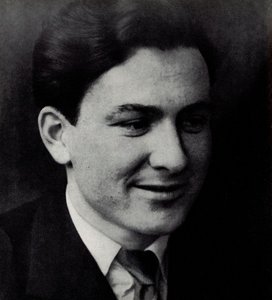
Franz Ehrlich
1907 - 1984 , Alemanha
Informações Rápidas
- Artistic Movement Or Style: Bauhaus, Expressionismo
- Artists Or Movements Influenced By This Artist:
- Bauhaus
- Jovem Liga Comunista
- Artists Who Influenced This Artist:
- Walter Gropius
- Moholy-Nagy
- Klee
- Joost Schmidt
- Date Of Birth: 1907
- Date Of Death: 1984
- Full Name: Franz Ehrlich
- Nationality: Alemão
- Notable Artworks:
- PAREDE ESTRUTURAL DE 800 ANOS 3
- Sem Título (HKB I ou II)
- Pintura com Violino
- Place Of Birth: Reuth, Alemanha
Artigos Relacionados

Os 10 Quadros Mais Famosos Dominados pelo Branco: Arte e Decoração
Descubra os 10 quadros mais famosos dominados pelo branco, de Monet a Kandinsky! Explore a história da arte, técnicas e o poder da paleta neutra. Encontre reproduções de alta qualidade para sua decoração em OriginalUniqueArt.com.

As 10 Pinturas Mais Famosas Dominadas pelo Preto: Arte, História e Decoração
Descubra as 10 pinturas mais icônicas dominadas pelo preto! Explore a história, técnica e emoção por trás de obras-primas do Romantismo, Realismo e Expressionismo. Encontre reproduções de arte exclusivas na OriginalUniqueArt.com.
Kazimir Malevich: As 25 Obras-Primas Essenciais da Arte Abstrata | OriginalUniqueArt
Descubra as 25 obras-primas de Kazimir Malevich, pioneiro do suprematismo e da arte abstrata. Explore a história por trás de 'Black Square' e outras pinturas icônicas. Encontre reproduções de alta qualidade para transformar sua casa com OriginalUniqueArt.com!
Minimalismo na Arte: 10 Obras Essenciais para uma Decoração Elegante
Descubra 10 obras de arte minimalistas icônicas, de Kandinsky a Rothko. Explore a história, técnica e impacto dessas pinturas abstratas que inspiram decoração elegante. Reproduções de museu na OriginalUniqueArt.com!

Shadow & Soul: Why Black & White Photography Remains the Ultimate Power Move in Modern Art
Discover why black & white photography remains a powerful force in contemporary art. Explore the impact of light, shadow, and texture through a visual journey of monochrome mastery and learn how to elevate your space with timeless grayscale aesthetics.



