

 Visualizar na parede
 Compartilhar
 Compartilhar
 Detalhes
 Guia
Guia

 Baixar imagem
 Semelhantes
 Raio X
 Ver diaporama
 Estatísticas
The Lacemaker


 Ler mais
Giclée / Impressão de Arte
Impressão giclée ou em tela de qualidade de museu, com produção rápida e opções flexíveis de acabamento. ( Comprar pintura feita à mão Alternar para Imagem Digital)




P118B €10

P118H €10

P118W €10

P438Z €10

P508JH €12

P508YH €12

P805H €10

P805Z €10

P919BZ €10

P919G €10

P919XJ €10

P959ZH €10

P968JZ €12

W106C €8

W218G €10

W218JH €8

W218Y €10

W307PJ €10

W316G €10

W316PJ €8

W316Y €10

W398PJ €8

W4111J €10

W500HY €15

W500JH €15

W692G €12

W849H €8

W940BG €15

W953PJ €8




Escolha entre os nossos tamanhos pré-definidos que respeitam as proporções originais da obra de arte.

Insira a largura e a altura desejadas para se ajustarem à sua moldura ou parede. Uma impressão pode ser apenas cortada, nunca ampliada além da imagem original; portanto, um tamanho com proporções diferentes resultará na perda de parte da imagem. Enviamos uma maquete digital para sua aprovação antes de realizarmos a impressão. A imagem exibida nesta página não mostra o corte real — apenas a maquete o faz.
Entrega mundial () em 2 semanas, em vez das 4/5 semanas padrão. (26 Outubro)

Envio expresso gratuito para todo o mundo

Tela de Linho de Alta Qualidade

Seguro de transporte completo

Garantia de Reembolso de Impostos Alfandegários

Garantia de Fidelidade Cromática

Política de Devolução em 100 Dias (Apenas para Defeitos)

Garantia de reembolso de 100%

Oferta de desconto por quantidade
 A opção de vidro está disponível apenas para tamanhos inferiores a 110 cm

The Lacemaker
Giclée / Impressão de Arte
Tamanho da Reprodução
-


Preço Total
€ 70
A Symphony of Silence and Skill
In the quiet corners of the Dutch Golden Age, there exists a profound beauty found not in grand spectacles, but in the rhythmic, meditative pulse of everyday life. The Lacemaker serves as a breathtaking window into this era of domestic tranquility. The painting captures a young woman lost in the delicate, painstaking labor of her craft, her focus so absolute that the world around her seems to dissolve into a soft, atmospheric haze. As she sits before her work, the viewer is invited to share in her solitude, experiencing a moment of stillness that feels both timeless and deeply intimate. This is not merely a portrait of a worker; it is an invitation to appreciate the dignity found in concentration and the quiet grace of a life lived with purpose.
The composition is a masterclass in the fijnschilder style, a technique synonymous with the legendary Dutch masters of Leiden. Every inch of the canvas vibrates with meticulous detail, from the intricate patterns of the lace to the heavy, tactile presence of the crimson and black patterned cloth draped across the table. The artist employs a sophisticated use of light—a soft, diffused glow that seems to emanebate from an unseen window, casting gentle shadows that lend a remarkable three-dimensionality to the scene. This subtle manipulation of luminosity creates a sense of depth, pulling the viewer into the room and making the textures of fabric, porcelain, and skin feel almost touchable. For the discerning collector or interior designer, this level of technical brilliance offers a piece that commands attention through its subtlety rather than through loud, jarring colors.
Symbolism and the Art of Observation
Beyond its surface beauty, The Lacemaker is rich with the symbolic language of the 17th century. The act of lacemaking itself was often viewed as a metaphor for virtue, patience, and the careful weaving of one's destiny. The woman’s composed posture and downward gaze reflect a sense of moral fortitude and intellectual engagement, suggesting that even the most humble domestic tasks can be elevated to an art form. The presence of the mirror on the table adds a layer of introspective depth, reflecting her image back to us and creating a psychological loop that emphasizes themes of self-reflection and the duality of public duty versus private thought.
The color palette is intentionally balanced to evoke a sense of calm yet sophisticated elegance. The vibrant red of the tablecloth provides a striking counterpoint to the muted, pearlescent tones of the woman’s attire, ensuring that the eye is drawn naturally toward her hands—the very site of her creative struggle and triumph. This careful orchestration of color and light makes the painting an ideal centerpiece for a curated space, offering a sense of historical weight and refined taste. Whether placed in a sunlit study or a more formal gallery setting, a high-quality reproduction of this masterpiece brings with it an aura of serenity and a profound connection to the enduring legacy of Dutch excellence.
Perguntas e Respostas
Qual é o nível de reconhecimento de "The Lacemaker" de Frans van Mieris?
"The Lacemaker", de Frans van Mieris possui um nível de popularidade Iconic. Esta classificação reflete o quão amplamente a obra é reconhecida.
Que atmosfera "The Lacemaker", de Frans van Mieris traz a um ambiente?
"The Lacemaker", de Frans van Mieris possui uma atmosfera Serene e é recomendado para um(a) Living Room. O clima é o que a obra traz para o espaço ao seu redor.
Qual tamanho de reprodução é sugerido para "The Lacemaker", de Frans van Mieris?
Recomenda-se o tamanho de impressão Medium para "The Lacemaker". Outros tamanhos estão disponíveis com as mesmas proporções.
Biografia do Artista
Uma Vida Imersa no Detalhe: O Mundo de Frans van Mieris, o Velho
Frans van Mieris, o Velho, um nome sinônimo de detalhe meticuloso e arte refinada, ocupa uma posição significativa dentro da Era de Ouro holandesa. Nascido em Leiden, em 1635, seu caminho divergiu do ofício familiar da ourivesaria — um artesanato praticado por seu pai, Jan Bastiaensz van Mieris — em direção ao mundo cativante da pintura. Essa inclinação precoce pelo desenho preparou o cenário para uma carreira que definiria o estilo “fijnschilder” e ofereceria um vislumbre íntimo da sociedade holandesa do século XVII. Seu treinamento inicial sob Abraham Toorenvliet, seguido pela instrução crucial do estimado Gerrit Dou, estabeleceu uma base sólida sobre a qual ele construiu sua voz artística distinta. Esses anos formativos instilaram nele não apenas habilidade técnica, mas também um apreço pela nuance narrativa e pelo poder da observação sutil.A Ascensão de um ‘Fijnschilder’
Van Mieris rapidamente tornou-se celebrado como um mestre do fijnschilder — um termo holandês que denota a "pintura fina". Esta técnica era caracterizada por uma atenção quase obsessiva aos detalhes, pinceladas suaves e polidas, e uma preferência por telas de pequena escala. Não se tratava meramente de replicar a realidade; era sobre elevá-la através de uma precisão minuciosa. As superfícies em suas pinturas parecem cintilar com vida – o brilho lustroso do cetim, a textura delicada do veludo, o reflexo do metal – tudo renderizado com uma precisão surpreendente. Ele não pintava simplesmente um cômodo; ele recriava a própria atmosfera de seu interior, convidando os espectadores para cenas de domesticidade e opulência. Seus temas frequentemente giravam em torno da vida dos ricos: reuniões elegantes, interiores elaborados, retratos que capturavam não apenas a semelhança, mas também o caráter. Motivos recorrentes, como almoços com ostras, médicos atendendo pacientes e mulheres envolvidas em tarefas cotidianas, serviam como janelas para os hábitos e rituais sociais das classes altas. Embora inicialmente fortemente influenciado pelo estilo de Gerrit Dou, Van Mieris desenvolveu gradualmente sua própria abordagem única. Ele se afastou de uma abundância excessiva de detalhes em direção a uma maior ênfase na interação entre as figuras e nas narrativas que se desenrolavam em suas composições. Obras posteriores por vezes exibem qualidades tonais mais escuras em comparação com as paletas mais brilhantes de suas pinturas iniciais, refletindo uma maturidade crescente e exploração artística.Obras Significativas e um Legado Duradouro
Diversas obras fundamentais permanecem como testemunhos da habilidade e do estilo evolutivo de Van Mieris. A Visita do Médico (1657), considerada uma de suas peças datadas mais importantes e precoces, demonstra sua independência emergente da influência de Dou. A pintura é uma aula magistral na captura da tensão silenciosa de um exame médico, renderizada com um nível de realismo impressionante. Seu Autorretrato com uma Cítara é igualmente envolvente, demonstrando sua capacidade de retratar trajes opulentos enquanto transmite simultaneamente um senso de personalidade e introspecência. O Retrato da Esposa do Artista, Cunera van der Cock, exemplifica seu domínio do retrato, destacando tanto a perícia técnica quanto a compreensão do chiaroscuro — o jogo dramático entre luz e sombra. Além das cenas de gênero e retratos, Van Mieris também se aventurou em pinturas alegóricas, como aquelas que retratam vícios como o beber, o fumar e o jogo, demonstrando a amplitude de suas capacidades artísticas. O impacto de Frans van Mierismo estendeu-se muito além de sua própria vida. Sua influência ressoou dentro de sua família; seu filho Willem van Mieris (1662–1747) e seu neto Frans van Mieris, o Jovem (1689–1763), ambos tornaram-se pintores de gênero realizados, continuando a tradição artística. A popularidade de seu estilo também gerou inúmeros imitadores, notadamente A. D. Snaphaan, que trabalhou em Leipzig e contou com o patrocínio da corte de Anhalt-Dessau.Uma Contribuição Permanente para a Arte Holandesa
Frans van Mieris desempenhou um papel fundamental na moldagem do movimento fijnschilder dentro da pintura da Era de Ouro holandesa. Sua dedicação ao detalhe meticuloso, as representações realistas da vida cotidiana e da sociedade de classe alta, e seu brilhantismo técnico contribuíram significativamente para uma era já renomada por sua inovação artística. Ele desfrutou do patrocínio de figuras proeminentes, incluindo o Arquiduque Leopoldo e Cosme III de' Medici, um testemunho do reconhecimento internacional de seu talento. Mesmo hoje, suas obras continuam a cativar o público com sua execução primorosa e seu retrato perspicaz da cultura do século XVII. O roubo de um autorretrato da Art Gallery of New South Wales, em Sydney, serve como um lembrete pungente do valor duradouro e do apelo de sua arte — um legado que continua a inspirar e intrigar colecionadores e entusiastas da arte da mesma forma. Suas pinturas não são meros artefatos históricos; são janelas para uma era passada, meticulosamente elaboradas e imbuídas de uma beleza atemporal.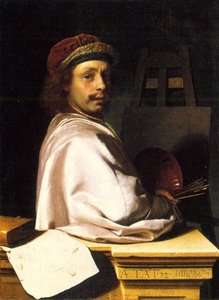
Frans van Mieris
1635 - 1681 , Países Bajos
Dados Rápidos
- Artistic Movement Or Style: Fijnschilder
- Artists Or Movements Influenced By This Artist: ['Gerard Dou']
- Artists Who Influenced This Artist: ['Gerrit Dou']
- Date Of Birth: Leiden, 1635
- Date Of Death: Leiden, 1681
- Full Name: Frans Jansz. van Mieris
- Nationality: Holandês
- Notable Artworks:
- A Man and a Woman with Two Dogs known as "Teasing the Pet"
- Doctor's Visit
- Place Of Birth: Leiden
Artigos Relacionados

Johannes Vermeer: Light, Intimacy & the Dutch Golden Age – A Comprehensive Exploration
Explore the life, techniques & enduring legacy of Johannes Vermeer, a master of Dutch Golden Age painting. Discover symbolism in his iconic works like 'The Milkmaid' and learn about his revolutionary use of light.

Golden Age Reflections: Dutch Baroque Painting & Cultural Innovation
Explore the Dutch Golden Age of painting! Discover key artists like Vermeer & ter Borch, their innovative techniques, and the rich cultural context behind these Baroque masterpieces. Learn about collecting & appreciating this iconic art period.

Illuminating Innovation: Exploring the Dutch Golden Age of Painting
Explore the Dutch Golden Age of painting with OriginalUniqueArt. Discover Rembrandt, Vermeer & other Masters. Learn about key characteristics, iconic artworks, and lasting influence. Expert insights for collectors & enthusiasts.

Golden Light & Dutch Skies: The Timeless Magic of Dutch Golden Age Landscapes
Discover the breathtaking beauty of Dutch Golden Age landscapes. Explore the mastery of light, chiaroscuro, and 17th-century realism through an expert art history lens, celebrating the enduring legacy of the Dutch Masters for discerning collectors and art lovers.

A Era de Ouro Holandesa: 10 Mestras-Obras Imperdíveis para Decorar com Arte
Descubra as 10 obras-primas da Era de Ouro Holandesa! Explore a história, técnica e beleza atemporal de Rembrandt, Vermeer e outros mestres. Encontre reproduções de arte exclusivas para decorar sua casa com elegância em OriginalUniqueArt.com.

