 Visualizar na parede
 Compartilhar
 Compartilhar
 Detalhes

 Baixar imagem
 Semelhantes
 Raio X
 Slideshow
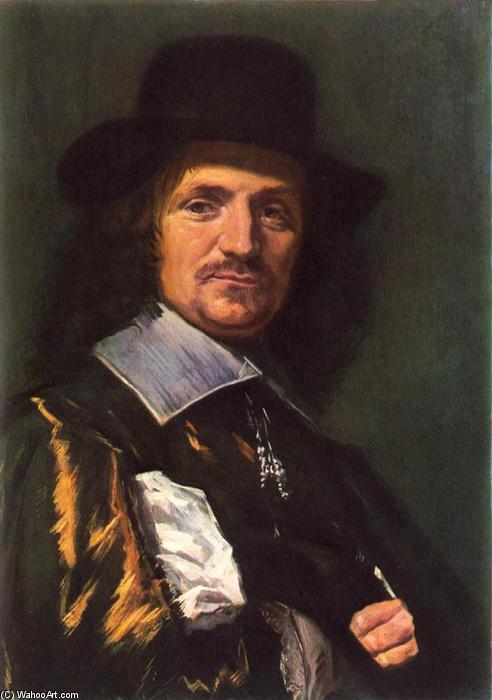
The Painter Jan Asselyn
 Oil
Oil- WallArt
- Baroque
 1650
1650- Early Modern
 64.0 x 46.0 cm
 Museu de Belas Artes (Budapeste)
 Ler mais
Adquira uma imagem digital de alta resolução e aprimorada, muito superior à prévia online.
Cada arquivo é meticulosamente preparado por nossos especialistas internos, utilizando ferramentas avançadas e retoques manuais de alta precisão. Garantimos que cada imagem apresente clareza excepcional, fidelidade de cores e detalhes minuciosos.
O arquivo final é entregue por e-mail em até 72 horas, otimizado para uso imediato em ambientes profissionais, editoriais e de impressão. Esta é a mesma qualidade utilizada por estúdios de design de alto nível, editoras e galerias.
Imagem Digital
Baixe um arquivo de alta resolução para exibição pessoal, impressão e projetos criativos. ( Comprar impressão Comprar pintura feita à mão)
Incluído em cada compra de imagem digital
Entrega Digital Especializada e Garantida
Ao escolher o OriginalUniqueArt.com, você não está apenas adquirindo uma imagem — você está recebendo uma obra de arte digital profissionalmente aprimorada, elaborada com precisão e com garantia de satisfação. Aqui está tudo o que acompanha seu pedido, automaticamente:

Entrega rápida por e-mail
O seu arquivo de imagem digital em alta resolução será enviado por e-mail em até 72 horas após o pedido — pronto para uso imediato.

Arquivo Digital com IA Otimizado
Sua obra de arte é otimizada profissionalmente por meio de ferramentas avançadas de IA e edição manual, garantindo o máximo de detalhes, clareza e precisão de cores.

Reenvio gratuito vitalício
Apagou ou perdeu o seu ficheiro acidentalmente? Não se preocupe – nós reenviamos para si a qualquer momento, gratuitamente.

Sem Taxas de Importação - Sempre
Desfrute da sua obra de arte instantaneamente, sem taxas alfandegárias, impostos ou custos de entrega — downloads digitais são sempre isentos de taxas.

Garantia de Fidelidade de Cores
Garantimos que sua imagem digital reflita as cores originais com a maior fidelidade possível, utilizando ferramentas profissionais e gerenciamento de cores.

Garantia de Satisfação de 60 Dias
Se você não estiver satisfeito com sua imagem digital, nós a revisaremos ou reembolsaremos 100% dentro de 60 dias — sem perguntas.

Garantia de Reembolso 100%
Não está satisfeito? Receba o reembolso total em até 60 dias após o recebimento do seu arquivo digital — sem perguntas.

Descontos para pedidos em lote
Compre 3 imagens, economize 10% - Compre 5, economize 15% - Compre 10+, economize 20%. Ideal para projetos criativos, galerias e agências.
Descrição do Colecionável
The Painter Jan Asselyn: A Portrait of Dignified Reflection
“The painter Jan Asselyn” stands as a testament to the artistic prowess of Frans Hals I, a Dutch Golden Age master who captured the essence of his subject with remarkable sensitivity and skill. Painted in 1650 during Haarlem’s flourishing period of artistic innovation, this portrait transcends mere likeness; it embodies a profound exploration of character and emotion—a hallmark of Hals's distinctive style.
Subject Matter & Composition: The painting depicts Jan Asselyn, a prominent Antwerp-based painter himself, seated in a richly appointed interior. Hals meticulously rendered the sitter’s pose – upright and confident – conveying an aura of composure and intellectual engagement. His gaze directs outwards, suggesting contemplation and awareness of his surroundings. The subtle inclusion of a pipe adds to the portrait's sophistication, symbolizing both practicality and artistic erudition.
Style & Technique: Hals’s approach distinguishes him from many contemporaries who favored meticulous detail. Instead, he employed a loose and expressive brushstroke—a technique that prioritized capturing the immediacy of feeling over precise representation. This method resulted in textured surfaces imbued with vibrant color and subtle tonal variations. Hals skillfully utilized black and white and grey strokes to delineate form and create depth, achieving an unparalleled level of realism without resorting to photographic accuracy.
Historical Context & Symbolism: The painting’s creation coincided with the Dutch Republic's resurgence after decades of struggle for independence. Haarlem, a hub of commerce and artistic patronage, witnessed a surge in portrait commissions reflecting the ambition and prosperity of its merchant elite. Hals’s depiction of Asselyn speaks to this cultural climate—a celebration of intellect, status, and refined taste. The green background serves as a grounding element, contrasting with the sitter's darker clothing and creating visual harmony.
Emotional Impact & Legacy: “The painter Jan Asselyn” remains an enduring masterpiece due to Hals’s ability to convey psychological depth. The portrait captures not just physical appearance but also inner character—a quiet dignity and contemplative spirit that continues to resonate with viewers today. Hals's innovative technique paved the way for future generations of portrait painters, establishing him as one of the most influential figures in Dutch Baroque art.
Additional Research Links:
- I Am a Wallet
- Frans Hals I
- Explore Frans Hals I: Dutch Golden Age master of portraiture & genre scenes
- The Painter Jan Asselyn
- The painter Jan Asselyn, 1650 - Frans Hals - WikiArt.org
Further Information:
- The painter Jan Asselyn by HALS, Frans
- The painting is a portrait of a man wearing a black hat with a feather on it
- The painter Jan Asselyn, Budapest
Recommended Resources:
Biografia do Artista
Frans Hals I: A Life in Paint
Frans Hals I was a Dutch painter born in Antwerp, Belgium, around 1580. Though his early life remains somewhat shrouded in mystery, he rose to become one of the most important figures of the Dutch Golden Age, celebrated for his innovative portraiture and genre scenes. His artistic legacy continues to inspire artists and captivate audiences centuries later.Early Life and Training
Details surrounding Hals’s formative years are scarce. It is believed he received initial artistic training in Antwerp, a prominent center for painting at the time. However, due to religious and political turmoil, his family relocated to Haarlem in the Netherlands. He became a member of the Haarlem Guild of St. Luke in 1610, marking the formal beginning of his professional career—a pivotal moment that secured him access to influential patrons and established him as a respected artist within the artistic community.Artistic Style and Development
Hals distinguished himself through a remarkably fresh and spontaneous style. Unlike many of his contemporaries who favored meticulous detail, Hals employed a loose and expressive brushstroke. This technique imbued his paintings with a sense of immediacy and vitality, capturing the personality and character of his subjects in a way that was revolutionary for its time. He wasn’t merely attempting to reproduce appearances; he sought to convey emotion and psychological insight—a characteristic that distinguishes him from many other painters of his era. His masterful use of light and shadow added depth and drama to his compositions, creating scenes brimming with atmosphere and capturing fleeting moments of human interaction.Notable Works
While Hals produced a wide range of works, he is best known for his portraits. Some of his most celebrated paintings include:- The Laughing Cavalier (1624) – This iconic portrait exemplifies Hals’s ability to capture character and movement with breathtaking realism. The subject's joyous expression—a subtle smirk—is rendered with remarkable precision, conveying a sense of confidence and amusement that transcends time.
- Malle Babbe (c. 1633-1635) – Hals’s depiction of an elderly woman is equally striking. He skillfully portrays age and vulnerability while simultaneously capturing the subject's inner life—a testament to his profound understanding of human psychology.
- Portraits of the Regents of the Old Men’s Home in Haarlem (1664) - Demonstrating Hals’ mastery of group portraiture, these canvases showcase a remarkable feat of artistic skill. He captured the dignity and solemnity of the elderly residents with sensitivity and nuance, creating images that resonate with compassion and respect.
Beyond portraits, Hals created compelling genre scenes—depictions of everyday life—that offered glimpses into Dutch society during his lifetime. These works reveal a keen observation of human behavior and an ability to convey atmosphere and emotion with remarkable effectiveness.
Influences and Legacy
Determining Hals’s direct influences is challenging, as he developed a highly individual style. However, it's likely he was aware of the work of earlier Flemish painters like Pieter Bruegel the Elder—particularly his depictions of peasant life—who championed a naturalistic approach to art. His innovative technique profoundly impacted subsequent generations of artists. He influenced figures such as Adriaen Brouwer and Johannes Vermeer, who adopted Hals’s looser brushwork and focus on capturing light and atmosphere. Furthermore, Hals's legacy extends beyond the immediate artistic circle; his emphasis on portraying personality paved the way for more intimate and psychological portraits in later centuries—a testament to his enduring influence on Western art history.Today, Hals’s paintings are housed in major museums worldwide, including the Frans Hals Museum in Haarlem, which holds the largest collection of his work—a remarkable achievement that ensures his artistic vision continues to inspire admiration and scholarly study.

Frans Hals
1580 - 1585 , Bélgica
Breve Biografia
- Artistic Movement Or Style: Século de Ouro Holandês
- Artists Or Movements Influenced By This Artist:
- Adriaen Brouwer
- Johannes Vermeer
- Artists Who Influenced This Artist: ['Pieter Bruegel o Velho']
- Date Of Birth: c. 1582
- Date Of Death: 1666
- Full Name: Frans Hals I
- Nationality: Holandês
- Notable Artworks:
- O Cavalheiro Rindo
- Malle Babbe
- Retratos dos Regentes do Lar Idoso
- Place Of Birth: Antwerp, Belgium