Visualizar na parede
 Compartilhar
 Compartilhar
 Detalhes
 Guia
Guia

 Baixar imagem
 Semelhantes
 Raio X
 Ver diaporama
 Estatísticas
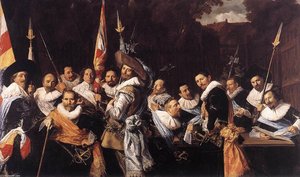
Malle Babbe


 Ler mais
Giclée / Impressão de Arte
Impressão giclée ou em tela de qualidade de museu, com produção rápida e opções flexíveis de acabamento. ( Comprar pintura feita à mão Alternar para Imagem Digital)




P118B €10

P118H €10

P118W €10

P438Z €10

P508JH €12

P508YH €12

P805H €10

P805Z €10

P919BZ €10

P919G €10

P919XJ €10

P959ZH €10

P968JZ €12

W106C €8

W218G €10

W218JH €8

W218Y €10

W307PJ €10

W316G €10

W316PJ €8

W316Y €10

W398PJ €8

W4111J €10

W500HY €15

W500JH €15

W692G €12

W849H €8

W940BG €15

W953PJ €8




Escolha entre os nossos tamanhos pré-definidos que respeitam as proporções originais da obra de arte.

Insira a largura e a altura desejadas para se ajustarem à sua moldura ou parede. Uma impressão pode ser apenas cortada, nunca ampliada além da imagem original; portanto, um tamanho com proporções diferentes resultará na perda de parte da imagem. Enviamos uma maquete digital para sua aprovação antes de realizarmos a impressão. A imagem exibida nesta página não mostra o corte real — apenas a maquete o faz.
Entrega mundial () em 2 semanas, em vez das 4/5 semanas padrão. (27 Outubro)

Envio expresso gratuito para todo o mundo

Tela de Linho de Alta Qualidade

Seguro de transporte completo

Garantia de Reembolso de Impostos Alfandegários

Garantia de Fidelidade Cromática

Política de Devolução em 100 Dias (Apenas para Defeitos)

Garantia de reembolso de 100%

Oferta de desconto por quantidade
 A opção de vidro está disponível apenas para tamanhos inferiores a 110 cm

Malle Babbe
Giclée / Impressão de Arte
Tamanho da Reprodução
-


Preço Total
€ 70
A Captivating Glimpse into Dutch Madness: Frans Hals’ “Malle Babbe”
Frans Hals' "Malle Babbe," painted in 1633, is far more than just a portrait; it’s a window into the complexities of human nature and a masterful demonstration of the artist’s revolutionary approach to capturing personality. Housed today within the Gemäldegalerie in Berlin, this captivating work immediately draws the viewer in with its vibrant energy and unsettling intimacy. Initially dismissed as a possible imitation by Frans Hals the Younger, recent research has firmly established it as an authentic masterpiece, offering a rare glimpse into the life of a remarkable woman – Malle Babbe herself – who defied societal expectations and became a subject of enduring fascination.
The painting depicts a woman seated at a table, her face alight with an almost manic grin. She clutches a pewter tankard, seemingly engaged in animated conversation, while an owl perches on her left shoulder—a detail laden with symbolic weight. The scene is rendered with Hals’ signature loose and expressive brushwork, a technique that abandons the meticulous detail favored by many of his contemporaries in favor of immediacy and emotional resonance. Notice how the paint seems to dance across the canvas, conveying not just the likeness of the sitter but also her inner state – a blend of joy, perhaps even madness, and an undeniable sense of vitality.
Unraveling the Identity of Malle Babbe
The story behind “Malle Babbe” is as intriguing as the painting itself. The inscription on the back of the canvas reveals that she was known locally as “Malle Babbe van Haarlem,” a nickname reflecting her reputation for eccentricity and, potentially, mental instability. Historical records indicate that Malle Babbe was admitted to the Haarlem workhouse – an institution housing individuals deemed unsuitable or unable to contribute to society – in 1646. This wasn’t simply a punishment; it was a form of institutional care for those who didn't conform to societal norms, including children of Frans Hals himself. The inclusion of her son, Pieter, within the same facility underscores the artist’s own engagement with themes of vulnerability and social exclusion.
The owl, a frequent symbol in Dutch art during this period, adds another layer of interpretation. While traditionally associated with wisdom and Minerva, it was also frequently employed to represent folly, drunkenness, or even witchcraft – fittingly applied here to Malle Babbe’s unconventional behavior. The painting, therefore, becomes a meditation on the boundaries between sanity and madness, social acceptance and ostracism.
Hals' Revolutionary Portraiture
“Malle Babbe” exemplifies Frans Hals’ groundbreaking approach to portraiture. Unlike the formal, idealized portraits of his time, which prioritized status and appearance, Hals sought to capture the essence of his subjects – their personality, emotions, and even their flaws. He achieved this through a remarkably spontaneous technique, employing rapid brushstrokes and a vibrant palette to convey a sense of immediacy and movement. The painting isn’t simply a representation of a woman; it's a snapshot of a fleeting moment, imbued with life and energy.
The composition itself is deliberately unconventional. Hals eschews the traditional three-quarter pose, instead presenting Malle Babbe in a close-up view, forcing the viewer to confront her directly. This intimacy, combined with her unrestrained expression, creates a powerful emotional connection – one that lingers long after the initial viewing. The painting’s influence can be seen in subsequent generations of portrait artists who sought to capture the dynamism and psychological depth of their subjects.
Bringing “Malle Babbe” into Your Space
A hand-painted reproduction of "Malle Babbe" offers a unique opportunity to bring this extraordinary artwork into your home or office. OriginalUniqueArt’s meticulous reproductions faithfully recreate Hals' masterful brushwork and vibrant colors, capturing the painting’s captivating energy and emotional depth. Whether you are an art collector, an interior designer seeking a touch of Dutch Golden Age charm, or simply someone drawn to the painting’s enigmatic subject matter, a reproduction of “Malle Babbe” is a stunning addition to any collection.
Explore our range of sizes and canvas options to find the perfect representation for your space. Discover more about “Malle Babbe” on OriginalUniqueArt.
Perguntas e Respostas
Quais são as dimensões de "Malle Babbe", de Frans Hals na vida real?
"Malle Babbe" mede 75 x 64 cm em sua forma original. As dimensões originais são uma referência útil ao escolher o tamanho de uma reprodução.
"Malle Babbe" possui uma prévia em realidade aumentada?
"Malle Babbe" possui uma prévia em realidade aumentada: a página de Prévia em RA da obra permite visualizá-la no seu próprio espaço através de um dispositivo compatível.
Para que tipo de uso é recomendada uma reprodução de "Malle Babbe", de Frans Hals?
A recomendação de uso para uma impressão de "Malle Babbe" é Statement.
Biografia do Artista
Frans Hals I: A Life in Paint
Frans Hals I was a Dutch painter born in Antwerp, Belgium, around 1580. Though his early life remains somewhat shrouded in mystery, he rose to become one of the most important figures of the Dutch Golden Age, celebrated for his innovative portraiture and genre scenes. His artistic legacy continues to inspire artists and captivate audiences centuries later.Early Life and Training
Details surrounding Hals’s formative years are scarce. It is believed he received initial artistic training in Antwerp, a prominent center for painting at the time. However, due to religious and political turmoil, his family relocated to Haarlem in the Netherlands. He became a member of the Haarlem Guild of St. Luke in 1610, marking the formal beginning of his professional career—a pivotal moment that secured him access to influential patrons and established him as a respected artist within the artistic community.Artistic Style and Development
Hals distinguished himself through a remarkably fresh and spontaneous style. Unlike many of his contemporaries who favored meticulous detail, Hals employed a loose and expressive brushstroke. This technique imbued his paintings with a sense of immediacy and vitality, capturing the personality and character of his subjects in a way that was revolutionary for its time. He wasn’t merely attempting to reproduce appearances; he sought to convey emotion and psychological insight—a characteristic that distinguishes him from many other painters of his era. His masterful use of light and shadow added depth and drama to his compositions, creating scenes brimming with atmosphere and capturing fleeting moments of human interaction.Notable Works
While Hals produced a wide range of works, he is best known for his portraits. Some of his most celebrated paintings include:- The Laughing Cavalier (1624) – This iconic portrait exemplifies Hals’s ability to capture character and movement with breathtaking realism. The subject's joyous expression—a subtle smirk—is rendered with remarkable precision, conveying a sense of confidence and amusement that transcends time.
- Malle Babbe (c. 1633-1635) – Hals’s depiction of an elderly woman is equally striking. He skillfully portrays age and vulnerability while simultaneously capturing the subject's inner life—a testament to his profound understanding of human psychology.
- Portraits of the Regents of the Old Men’s Home in Haarlem (1664) - Demonstrating Hals’ mastery of group portraiture, these canvases showcase a remarkable feat of artistic skill. He captured the dignity and solemnity of the elderly residents with sensitivity and nuance, creating images that resonate with compassion and respect.
Beyond portraits, Hals created compelling genre scenes—depictions of everyday life—that offered glimpses into Dutch society during his lifetime. These works reveal a keen observation of human behavior and an ability to convey atmosphere and emotion with remarkable effectiveness.
Influences and Legacy
Determining Hals’s direct influences is challenging, as he developed a highly individual style. However, it's likely he was aware of the work of earlier Flemish painters like Pieter Bruegel the Elder—particularly his depictions of peasant life—who championed a naturalistic approach to art. His innovative technique profoundly impacted subsequent generations of artists. He influenced figures such as Adriaen Brouwer and Johannes Vermeer, who adopted Hals’s looser brushwork and focus on capturing light and atmosphere. Furthermore, Hals's legacy extends beyond the immediate artistic circle; his emphasis on portraying personality paved the way for more intimate and psychological portraits in later centuries—a testament to his enduring influence on Western art history.Today, Hals’s paintings are housed in major museums worldwide, including the Frans Hals Museum in Haarlem, which holds the largest collection of his work—a remarkable achievement that ensures his artistic vision continues to inspire admiration and scholarly study.

Frans Hals
1580 - 1585 , Bélgica
Dados Rápidos
- Artistic Movement Or Style: Século de Ouro Holandês
- Artists Or Movements Influenced By This Artist:
- Adriaen Brouwer
- Johannes Vermeer
- Artists Who Influenced This Artist: ['Pieter Bruegel o Velho']
- Date Of Birth: c. 1582
- Date Of Death: 1666
- Full Name: Frans Hals I
- Nationality: Holandês
- Notable Artworks:
- O Cavalheiro Rindo
- Malle Babbe
- Retratos dos Regentes do Lar Idoso
- Place Of Birth: Antwerp, Belgium
Artigos Relacionados

A Era de Ouro Holandesa: 10 Mestras-Obras Imperdíveis para Decorar com Arte
Descubra as 10 obras-primas da Era de Ouro Holandesa! Explore a história, técnica e beleza atemporal de Rembrandt, Vermeer e outros mestres. Encontre reproduções de arte exclusivas para decorar sua casa com elegância em OriginalUniqueArt.com.

Frans Hals I: Innovation, Intimacy & the Dutch Golden Age Portrait
Explore the revolutionary portraiture of Frans Hals I, a master of the Dutch Golden Age. Discover his innovative techniques, captivating character studies & lasting impact on art history. Learn more at OriginalUniqueArt.

Golden Light & Dutch Skies: The Timeless Magic of Dutch Golden Age Landscapes
Discover the breathtaking beauty of Dutch Golden Age landscapes. Explore the mastery of light, chiaroscuro, and 17th-century realism through an expert art history lens, celebrating the enduring legacy of the Dutch Masters for discerning collectors and art lovers.

Golden Age Reflections: Dutch Baroque Painting & Cultural Innovation
Explore the Dutch Golden Age of painting! Discover key artists like Vermeer & ter Borch, their innovative techniques, and the rich cultural context behind these Baroque masterpieces. Learn about collecting & appreciating this iconic art period.

Illuminating Innovation: Exploring the Dutch Golden Age of Painting
Explore the Dutch Golden Age of painting with OriginalUniqueArt. Discover Rembrandt, Vermeer & other Masters. Learn about key characteristics, iconic artworks, and lasting influence. Expert insights for collectors & enthusiasts.