Visualizar em escala
 Enviar
 Compartilhar
 Ver detalhes
 Guia de Obras do Aluno

 Baixar imagem
 Semelhantes
 Raio X
 Apresentação de slides
 Estatísticas
Anna van der Aar
 Oil On Panel
- Dutch Golden Age
 1626
1626- Early Modern
 22.0 x 17.0 cm
 Museu Metropolitano de Arte
 Ver mais
Giclée / Impressão de Arte
Impressão giclée ou em tela de qualidade de museu, com produção rápida e opções flexíveis de acabamento. ( Encomendar reprodução pintada à mão Ver Imagem Digital)




P118B €10

P118H €10

P118W €10

P438Z €10

P508JH €12

P508YH €12

P805H €10

P805Z €10

P919BZ €10

P919G €10

P919XJ €10

P959ZH €10

P968JZ €12

W106C €8

W218G €10

W218JH €8

W218Y €10

W307PJ €10

W316G €10

W316PJ €8

W316Y €10

W398PJ €8

W4111J €10

W500HY €15

W500JH €15

W692G €12

W849H €8

W940BG €15

W953PJ €8




Escolha entre os nossos tamanhos pré-definidos que respeitam as proporções originais da obra de arte.

Digite a largura e a altura de que necessita, para se ajustar à sua moldura ou à sua parede. Uma impressão só pode ser cortada, nunca ampliada além da imagem original, pelo que um tamanho com uma proporção diferente perderá parte da imagem. Enviamos-lhe uma maquete digital para aprovação antes de imprimirmos qualquer coisa. A imagem apresentada nesta página não mostra o corte real — apenas a maquete o faz.
Entrega mundial () em 2 semanas, em vez das 4/5 semanas padrão. (22 Outubro)

Envio expresso gratuito para todo o mundo

Tela de Linho Premium

Seguro de transporte total

Garantia de Reembolso de Impostos Alfandegários

Garantia de Fidelidade de Cor

Política de Devolução em 100 Dias (Apenas para Defeitos)

Garantia de reembolso de 100%

Desconto para múltiplas unidades
 A opção de vidro está disponível apenas para tamanhos inferiores a 110 cm

Anna van der Aar
Giclée / Impressão de Arte
Dimensões da Reprodução
-


Preço Total
€ 70
Anna van der Aar: A Portrait of Quiet Dignity
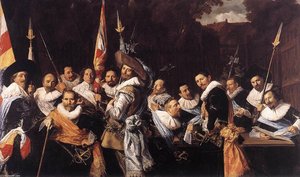
Frans Hals’s “Anna van der Aar,” completed in 1626, stands as a cornerstone of Dutch Baroque portraiture—a masterful distillation of observation and expressive brushwork that transcends mere likeness to convey profound psychological depth. This captivating painting resides within the Metropolitan Museum of Art’s collection, offering visitors an unparalleled opportunity to experience firsthand the brilliance of Hals’s artistic vision.
The subject herself is presented with remarkable composure—a woman adorned in a dark dress and ruffled collar, her gaze directed outwards towards the window. Hals eschewed meticulous detail typical of his contemporaries, prioritizing instead a technique characterized by loose, impasto strokes that capture the fleeting nuances of light and shadow. This deliberate disregard for conventional realism serves to heighten the painting’s emotional resonance.
- Style: Baroque – Hals's style embodies the spirit of the era, favoring dramatic lighting and dynamic compositions over idealized representations.
- Technique: Oil on Panel – Hals employed oil paints on wooden panels, a technique that allowed for layering colors and achieving textural richness—a hallmark of his distinctive aesthetic.
- Composition: Hals skillfully positioned Anna van der Aar before the window, creating an interplay between interior stillness and external observation. This compositional choice contributes to the painting’s contemplative mood.
Beyond its formal qualities, “Anna van der Aar” resonates with symbolic significance. The window serves as a visual metaphor for introspection—suggesting that Anna contemplates her surroundings while simultaneously engaging in an internal dialogue. Hals's masterful brushstrokes capture not just the physical appearance of his sitter but also her inner state, conveying a sense of quiet dignity and understated elegance.
Considered alongside works by Adam Frans van der Meulen and Vincent I Laurensz van der Vinne—artists who similarly explored themes of human emotion and psychological realism—Hals’s “Anna van der Aar” exemplifies the apex of Dutch Baroque painting. Its enduring appeal lies in its ability to evoke a powerful emotional response, inviting viewers to contemplate the complexities of human experience.
For those seeking inspiration or desiring to adorn their homes with a piece of art history, OriginalUniqueArt.com offers exceptional reproductions of Hals’s “Anna van der Aar,” meticulously crafted to preserve the original artwork's vibrancy and textural detail. Explore our collection today!
Perguntas e Respostas
Quão harmoniosas são as cores de "Anna van der Aar" de Frans Hals?
"Anna van der Aar" de Frans Hals apresenta uma harmonia de cores Strong Color Unity.
O que "Anna van der Aar" compartilha com o restante da obra de Frans Hals?
"Anna van der Aar" compartilha com as outras obras de Frans Hals o seu estilo Dutch Golden Age e os temas recorrentes: loose brushstroke, expressive style, religious patronage, humanist ideals, haarlem guild’s artistic standards, iconic portrait of noblewoman.
"Anna van der Aar" está livre de direitos autorais?
A informação de direitos autorais para "Anna van der Aar" de Frans Hals: a obra está em em domínio público - seus direitos autorais expiraram. Isso determina se reproduções da imagem podem ser feitas livremente.
Biografia do Artista
Frans Hals I: A Life in Paint
Frans Hals I was a Dutch painter born in Antwerp, Belgium, around 1580. Though his early life remains somewhat shrouded in mystery, he rose to become one of the most important figures of the Dutch Golden Age, celebrated for his innovative portraiture and genre scenes. His artistic legacy continues to inspire artists and captivate audiences centuries later.Early Life and Training
Details surrounding Hals’s formative years are scarce. It is believed he received initial artistic training in Antwerp, a prominent center for painting at the time. However, due to religious and political turmoil, his family relocated to Haarlem in the Netherlands. He became a member of the Haarlem Guild of St. Luke in 1610, marking the formal beginning of his professional career—a pivotal moment that secured him access to influential patrons and established him as a respected artist within the artistic community.Artistic Style and Development
Hals distinguished himself through a remarkably fresh and spontaneous style. Unlike many of his contemporaries who favored meticulous detail, Hals employed a loose and expressive brushstroke. This technique imbued his paintings with a sense of immediacy and vitality, capturing the personality and character of his subjects in a way that was revolutionary for its time. He wasn’t merely attempting to reproduce appearances; he sought to convey emotion and psychological insight—a characteristic that distinguishes him from many other painters of his era. His masterful use of light and shadow added depth and drama to his compositions, creating scenes brimming with atmosphere and capturing fleeting moments of human interaction.Notable Works
While Hals produced a wide range of works, he is best known for his portraits. Some of his most celebrated paintings include:- The Laughing Cavalier (1624) – This iconic portrait exemplifies Hals’s ability to capture character and movement with breathtaking realism. The subject's joyous expression—a subtle smirk—is rendered with remarkable precision, conveying a sense of confidence and amusement that transcends time.
- Malle Babbe (c. 1633-1635) – Hals’s depiction of an elderly woman is equally striking. He skillfully portrays age and vulnerability while simultaneously capturing the subject's inner life—a testament to his profound understanding of human psychology.
- Portraits of the Regents of the Old Men’s Home in Haarlem (1664) - Demonstrating Hals’ mastery of group portraiture, these canvases showcase a remarkable feat of artistic skill. He captured the dignity and solemnity of the elderly residents with sensitivity and nuance, creating images that resonate with compassion and respect.
Beyond portraits, Hals created compelling genre scenes—depictions of everyday life—that offered glimpses into Dutch society during his lifetime. These works reveal a keen observation of human behavior and an ability to convey atmosphere and emotion with remarkable effectiveness.
Influences and Legacy
Determining Hals’s direct influences is challenging, as he developed a highly individual style. However, it's likely he was aware of the work of earlier Flemish painters like Pieter Bruegel the Elder—particularly his depictions of peasant life—who championed a naturalistic approach to art. His innovative technique profoundly impacted subsequent generations of artists. He influenced figures such as Adriaen Brouwer and Johannes Vermeer, who adopted Hals’s looser brushwork and focus on capturing light and atmosphere. Furthermore, Hals's legacy extends beyond the immediate artistic circle; his emphasis on portraying personality paved the way for more intimate and psychological portraits in later centuries—a testament to his enduring influence on Western art history.Today, Hals’s paintings are housed in major museums worldwide, including the Frans Hals Museum in Haarlem, which holds the largest collection of his work—a remarkable achievement that ensures his artistic vision continues to inspire admiration and scholarly study.

Frans Hals
1580 - 1585 , Bélgica
Informações Rápidas
- Artistic Movement Or Style: Século de Ouro Holandês
- Artists Or Movements Influenced By This Artist:
- Adriaen Brouwer
- Johannes Vermeer
- Artists Who Influenced This Artist: ['Pieter Bruegel o Velho']
- Date Of Birth: c. 1582
- Date Of Death: 1666
- Full Name: Frans Hals I
- Nationality: Holandês
- Notable Artworks:
- O Cavalheiro Rindo
- Malle Babbe
- Retratos dos Regentes do Lar Idoso
- Place Of Birth: Antwerp, Belgium
Artigos Relacionados

Hugo van der Goes: Devotion, Innovation & the Psychological Depth of Early Netherlandish Painting
Explore the revolutionary art of Hugo van der Goes – a master of Early Netherlandish painting renowned for his dramatic realism, psychological depth & profound influence on Renaissance artists. Discover his iconic works and lasting legacy.

Rembrandt van Rijn: As 25 Obras-Primas que Definem um Mestre da Luz e Sombra | OriginalUniqueArt
Descubra as 25 obras-primas de Rembrandt van Rijn, o mestre da luz e sombra! Explore a história por trás de 'A Ronda Noturna', seus auto-retratos e muito mais. Encontre reproduções de arte exclusivas para decorar sua casa com OriginalUniqueArt.com.

Renascimento Primitivo Flamenco: 10 Obras-Primas Essenciais para Decorar com Arte
Descubra as 10 obras-primas do Renascimento Primitivo Flamenco! Explore a arte de Jan van Eyck, Robert Campin e outros mestres. Reproduções de alta qualidade para decorar sua casa com beleza e história. Explore a coleção completa em OriginalUniqueArt.com

Os 10 Mestres do Barroco Holandês: Obras Essenciais para Decorar com Arte e História
Descubra os 10 mestres do Barroco Holandês! Explore a história e o legado de Rembrandt, Vermeer e outros artistas icônicos. Encontre reproduções de arte de alta qualidade para decorar sua casa com elegância em OriginalUniqueArt.com.

Frans Hals I: Innovation, Intimacy & the Dutch Golden Age Portrait
Explore the revolutionary portraiture of Frans Hals I, a master of the Dutch Golden Age. Discover his innovative techniques, captivating character studies & lasting impact on art history. Learn more at OriginalUniqueArt.