

 Visualizar em escala
 Enviar
 Compartilhar
 Ver detalhes
 Guia de Obras do Aluno

 Baixar imagem
 Semelhantes
 Raio X
 Apresentação de slides
 Estatísticas
French, approx. )


 Ver mais
Giclée / Impressão de Arte
Impressão giclée ou em tela de qualidade de museu, com produção rápida e opções flexíveis de acabamento. ( Encomendar reprodução pintada à mão Ver Imagem Digital)




































Escolha entre os nossos tamanhos pré-definidos que respeitam as proporções originais da obra de arte.

Você pode inserir suas próprias dimensões para se ajustar a uma moldura ou espaço específico. Se o tamanho selecionado não corresponder às proporções da imagem original, iremos recortar a obra de arte ou estender a imagem com uma borda espelhada ou preenchimento sólido. Um mockup digital será enviado para sua aprovação antes do início da produção.
Por favor, observe que a visualização na tela não reflete o recorte ou a extensão real. Apenas o mockup mostrará com precisão a composição final.
Embora tamanhos personalizados estejam disponíveis, recomendamos selecionar uma dimensão da lista predefinida para preservar as proporções originais.
Entrega mundial () em 2 semanas, em vez das 4/5 semanas padrão. (26 Setembro)

Envio expresso gratuito para todo o mundo

Tela de Linho Premium

Seguro de transporte total

Garantia de Reembolso de Impostos Alfandegários

Garantia de Fidelidade de Cor

Política de Devolução em 100 Dias (Apenas para Defeitos)

Garantia de reembolso de 100%

Desconto para múltiplas unidades
 A opção de vidro está disponível apenas para tamanhos inferiores a 110 cm

French, approx. )
Giclée / Impressão de Arte
Dimensões da Reprodução
-


Preço Total
$ 80
A Glimpse into Renaissance Elegance: François Clouet's Portrait of a Lady
This captivating oil on canvas painting, attributed to François Clouet and dated circa 1510, offers an intimate portrait of a woman embodying the refined sensibilities of the French Renaissance. The subject, poised with a subtle downward gaze, exudes an air of quiet dignity and grace. Her attire—a gown adorned with a delicate ruffled collar and a lustrous pearl necklace—speaks to her status and taste within the courtly circles of the time. Clouet’s masterful rendering captures not only the physical likeness but also hints at the woman's inner character, inviting viewers into a moment frozen in time.Style and Technique: The Precision of Renaissance Miniaturism
François Clouet was renowned for his exceptional skill as a miniaturist and painter, inheriting this talent from his father, Jean Clouet, also a prominent court artist. This portrait exemplifies the hallmarks of his style: meticulous detail, precise rendering of textures (particularly in the fabrics and pearls), and a restrained color palette that emphasizes elegance over dramatic flair. The painting showcases Clouet’s mastery of oil on canvas, utilizing subtle gradations of light and shadow to create depth and form. His approach reflects the broader Renaissance interest in realism and accurate representation, while retaining a distinctly courtly aesthetic.- Miniaturist Precision: The level of detail is remarkable, demonstrating Clouet's training and expertise.
- Restrained Palette: The muted colors contribute to the portrait’s overall sense of refinement and dignity.
- Textural Rendering: Notice how meticulously Clouet captures the sheen of the pearls, the crispness of the ruffles, and the drape of the gown.
Historical Context: The French Court in the Early 16th Century
Created during the reign of Louis XII and later Francis I, this portrait provides a valuable window into the world of the French court. The early 16th century was a period of significant cultural flourishing in France, marked by the influence of Italian Renaissance art and humanist ideals. Portraiture became increasingly important as a means of documenting the nobility and asserting their status. Clouet’s position as a court painter afforded him unparalleled access to the royal family and their circle, allowing him to create these intimate and revealing depictions. The portrait's style reflects the evolving tastes of the French aristocracy, moving away from earlier Gothic conventions towards a more naturalistic and refined aesthetic.Emotional Impact and Symbolism
Beyond its technical brilliance, this portrait evokes a sense of quiet contemplation and understated elegance. The woman’s downward gaze suggests introspection or perhaps a moment of private reflection. The pearl necklace, a symbol of purity and wealth, further underscores her status. While the identity of the sitter remains uncertain, the painting resonates with a timeless quality, capturing the essence of Renaissance beauty and grace. It offers viewers an opportunity to connect with a past era and appreciate the artistry of one of France’s most celebrated portraitists. The overall effect is both captivating and serene, making it a compelling addition to any art collection or interior space.Biografia do Artista
A Legacy of Likeness: The World of François Clouet
François Clouet, a name synonymous with the refined portraiture of the French Renaissance, emerged from a lineage steeped in artistic skill and courtly favor. Born around 1510 in Tours, France, his life unfolded against a backdrop of evolving artistic sensibilities and the opulent world of the Valois monarchy. He wasn’t merely a painter; he was a chronicler of an era, capturing the essence of kings, queens, and courtiers with a meticulousness that continues to captivate viewers today. The shadow of his father, Jean Clouet, loomed large – both artists shared not only a profession but also the familiar nickname ‘Janet,’ leading to occasional confusion in attributing their works across generations. Yet, François carved his own distinct path, blending Flemish naturalism with an emerging Italianate grace, and establishing himself as one of France’s most celebrated portraitists.Inheriting a Tradition: Early Life and Artistic Formation
The early years of François Clouet remain somewhat veiled in historical obscurity, but his artistic trajectory was undeniably shaped by the legacy of his father. Jean Clouet, originating from the Southern Netherlands, brought with him to the French court the meticulous detail and realistic approach characteristic of Flemish painting. This foundation formed the bedrock of François’s training. A pivotal moment arrived in 1541 when François inherited his father's estate, formally stepping into his artistic inheritance and assuming the responsibilities that came with it. This wasn’t simply a transfer of property; it was an assumption of a role within the very fabric of the French court. The Clouet family also enjoyed a unique connection to the Italian Renaissance through Jean’s time in Amboise, exposing François to the burgeoning ideals and innovative techniques emanating from Italy – a subtle but significant influence that would later manifest in his work. He absorbed not just technique, but an understanding of how art could serve as both documentation and celebration of power and status. He diligently studied the works of Leonardo da Vinci and Michelangelo, absorbing their mastery of perspective and anatomical accuracy—skills he would skillfully integrate into his own artistic practice.The Art of Revelation: Style and Major Works
François Clouet’s oeuvre is defined by a remarkable precision and elegance. His portraits weren't merely likenesses; they were insightful studies of character, capturing not only physical features but also the personality and social standing of his subjects. He possessed an extraordinary ability to convey royal authority and sophistication, as evidenced in several notable depictions of Francis I, examples of which reside in prestigious collections like the Uffizi Gallery and the Louvre Museum. Beyond Francis I, Clouet’s brush immortalized other key figures of the era. He likely painted portraits of Catherine de' Medici at Versailles, contributing to a visual record of her influential reign. Perhaps one of his most celebrated achievements is the chalk drawing of Mary, Queen of Scots, held in the Bibliothèque nationale – a work that showcases his mastery of capturing delicate features and conveying emotional depth with astonishing subtlety. Other notable works include portraits of Elizabeth of Austria (Louvre), Marguerite of France (Chantilly), and Charles IX (Château de Chantilly). His paintings often possess a quiet dignity, a restrained elegance that reflects the refined sensibilities of the French court. The use of light and shadow – *chiaroscuro* – is subtle yet effective, adding depth and dimension to his portraits without resorting to dramatic contrasts. He skillfully employed Flemish naturalism alongside Italianate influences, creating images that are both meticulously detailed and imbued with humanist ideals.A Defining Aesthetic: Characteristics of Clouet’s Art
Several hallmarks define François Clouet's distinctive style.- Elaborate Detail: A meticulous attention to detail permeates his work, evident in the intricate rendering of clothing, jewelry, and facial features – every element contributing to a sense of realism and opulence.
- Accurate Drawing: Clouet’s portraits are grounded in precise anatomical rendering and skillful use of line, demonstrating a mastery of draftsmanship that underpinned his artistic vision.
- Exquisite Completeness: His compositions convey a sense of wholeness and personality, going beyond mere physical representation to capture the inner life of his subjects. He didn’t just paint faces; he painted individuals.
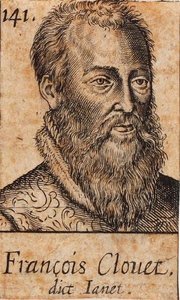
François Clouet
1510 - 1572 , França
Informações Rápidas
- Artistic Movement Or Style: Renascimento retrato
- Artists Or Movements Influenced By This Artist: ['Francês']
- Artists Who Influenced This Artist:
- Jean Clouet
- Leonardo da Vinci
- Date Of Birth: c. 1510
- Date Of Death: 1572
- Full Name: François Clouet
- Nationality: Francês
- Notable Artworks:
- Carta de Amor
- Henri II
- Francisco I
- Maria I
- Place Of Birth: Tours, França
Artigos Relacionados

The Enduring Legacy of Oil on Canvas: Technique, History & Aesthetic Impact
Explore the rich history & techniques of oil painting – from Renaissance masters to Impressionism. Discover pigments, layering methods, and why this timeless medium endures. Expert insights for artists & art enthusiasts.
François Boucher: Rococo Master of Myth, Sensuality, and the French Court
Explore the captivating world of François Boucher, master of Rococo painting! Discover his iconic works, aristocratic patronage, and lasting influence on French art history. Learn more at OriginalUniqueArt.

The Enduring Power of Painting: A Historical & Contemporary Exploration of Form and Emotion
Explore the rich history & enduring techniques of oil painting with OriginalUniqueArt. Discover masterpieces, learn about art collecting, and find authentic handmade reproductions crafted by skilled artists.
The Timeless Charm of Oil on Board: Reimagining Texture and Light through the Impressionist Lens
Discover the profound intimacy of oil on panel. Explore how Impressionist masters used rigid supports to capture light, texture, and impasto depth through exquisite, handmade oil reproductions for discerning collectors.

Oil on Canvas: A Historical & Technical Exploration of a Timeless Artistic Medium
Explore the rich history & enduring techniques of oil painting on canvas. Discover the science behind its longevity, conservation practices, and contemporary relevance. Expert insights for art enthusiasts.

