
 Visualizar na parede
 Compartilhar
 Compartilhar
 Detalhes
 Guia
Guia

 Baixar imagem
 Semelhantes
 Raio X
 Ver diaporama
 Q&A
Q&A Estatísticas
Title in Swedish: Venus triumf

- 1620.0 x 1300.0 cm


 Ler mais
Giclée / Impressão de Arte
Impressão giclée ou em tela de qualidade de museu, com produção rápida e opções flexíveis de acabamento. ( Comprar pintura feita à mão Alternar para Imagem Digital)




P118B €10

P118H €10

P118W €10

P438Z €10

P508JH €12

P508YH €12

P805H €10

P805Z €10

P919BZ €10

P919G €10

P919XJ €10

P959ZH €10

P968JZ €12

W106C €8

W218G €10

W218JH €8

W218Y €10

W307PJ €10

W316G €10

W316PJ €8

W316Y €10

W398PJ €8

W4111J €10

W500HY €15

W500JH €15

W692G €12

W849H €8

W940BG €15

W953PJ €8




Escolha entre os nossos tamanhos pré-definidos que respeitam as proporções originais da obra de arte.

Insira a largura e a altura desejadas para se ajustarem à sua moldura ou parede. Uma impressão pode ser apenas cortada, nunca ampliada além da imagem original; portanto, um tamanho com proporções diferentes resultará na perda de parte da imagem. Enviamos uma maquete digital para sua aprovação antes de realizarmos a impressão. A imagem exibida nesta página não mostra o corte real — apenas a maquete o faz.
Entrega mundial () em 2 semanas, em vez das 4/5 semanas padrão. (3 Novembro)

Envio expresso gratuito para todo o mundo

Tela de Linho de Alta Qualidade

Seguro de transporte completo

Garantia de Reembolso de Impostos Alfandegários

Garantia de Fidelidade Cromática

Política de Devolução em 100 Dias (Apenas para Defeitos)

Garantia de reembolso de 100%

Oferta de desconto por quantidade
 A opção de vidro está disponível apenas para tamanhos inferiores a 110 cm

Title in Swedish: Venus triumf
Giclée / Impressão de Arte
Tamanho da Reprodução
-


Preço Total
€ 71
A Symphony of Rococo Splendor
In the grand tapestry of eighteenth-century French art, few works capture the ephemeral essence of pleasure and grace as exquisitely as François Boucher’s The Triumph of Venus. Completed in 1740, this monumental oil on canvas serves as a definitive manifesto of the Rococo style, an era defined by its pursuit of ornamental beauty, pastel luminosity, and a profound celebration of the senses. As one gazes upon this masterpiece, the viewer is instantly transported to the opulent atmosphere of Louis XV’s court, where the boundaries between myth and reality blur amidst a sea of swirling light and soft textures.
The painting presents a breathtaking reimagining of classical mythology, drawing direct inspiration from the timeless elegance of Botticelli. Here, Venus does not merely arrive; she emerges in a spectacular display of divine vitality. Surrounded by a celestial assembly of nude figures, the goddess rises from the sea foam—a potent symbol of rebirth and feminine strength. The composition is alive with movement, as figures swim, float, and interact within a shimmering aquatic landscape, creating an atmosphere that is both energetic and profoundly serene. For the discerning collector or interior designer, this piece offers more than just decoration; it provides a window into a world of idealized beauty and aristocratic refinement.
Mastery of Light and Texture
Boucher’s technical prowess is nothing short of miraculous, particularly in his ability to render the tactile sensations of the natural world. Utilizing a sophisticated glazing method, the artist applied thin, translucent layers of pigment over opaque undercoats to achieve a luminous, pearlescent glow that seems to emanate from within the canvas itself. This technique allows for a breathtakingly subtle variation in tone, capturing the delicate softness of human skin, the iridescent shimmer of water, and the heavy, luxurious drape of satin fabrics.
The artist also employs chiaroscuro with masterful restraint, using dramatic contrasts between light and shadow not to create tension, but to sculpt the forms of the mythological figures. This interplay of light breathes life into the composition, highlighting the velvety sheen of flower petals and the muscular yet graceful contours of the bodies. Such meticulous attention to detail ensures that every inch of the canvas invites closer inspection, making it a captivating focal point for any high-end gallery or sophisticated living space.
Symbolism and Emotional Resonance
Beyond its surface-level beauty, The Triumph of Venus is steeped in profound symbolic meaning. During the Rococo period, Venus was more than a mythological figure; she was the embodiment of divine femininity, representing love, fertility, and the grace that governs the natural order. The surrounding figures, adorned with garlands of flowers, act as allegories for virtue, contemplation, and the flourishing of artistic patronage. Every element, from the billowing clouds to the frothing waves, contributes to a narrative of abundance and eternal spring.
For those seeking to infuse their surroundings with inspiration, this artwork offers an enduring emotional impact. It evokes a sense of wonder and a longing for the idyllic, making it an ideal choice for creating spaces that feel both luxurious and emotionally uplifting. Whether as a centerpiece in a classical study or a bold statement in a contemporary suite, a high-quality reproduction of Boucher’s triumph brings with it the prestige of art history and the timeless allure of the French Rococo spirit.
Perguntas e Respostas
"Title in Swedish: Venus triumf" está em domínio público?
Informação de direitos autorais para "Title in Swedish: Venus triumf", de François Boucher: a obra está em em domínio público — seus direitos autorais expiraram. Isso determina se reproduções da imagem podem ser feitas livremente.
Por quais outros nomes ou pseudônimos François Boucher é conhecido?
François Boucher também é conhecido como Francois Boucher.
Qual era a idade de François Boucher quando "Title in Swedish: Venus triumf" foi criada?
François Boucher tinha 37 anos quando criou "Title in Swedish: Venus triumf" em 1740. A idade é calculada a partir do ano de nascimento do artista, 1703.
Biografia do Artista
François Boucher: A Master of Rococo’s Delicate Embrace
François Boucher (1703-1770) stands as a monumental figure in the history of French art, inextricably linked to the opulent and sensual world of the Rococo. More than simply a painter, he was a master decorator, a designer of elegance, and an interpreter of aristocratic desires – a true embodiment of the era’s refined aesthetic. His work, characterized by a breathtaking blend of technical skill, mythological grandeur, and playful eroticism, continues to captivate viewers centuries later.
Early Years and Artistic Foundations
Born on September 29th, 1703, in the heart of Paris, François Boucher’s artistic journey began within a family steeped in creative tradition. His father, Jean Boucher, was himself a painter, providing young François with his initial exposure to the world of art. This early influence laid the groundwork for a career that would ultimately define an entire style. At the tender age of seventeen, Boucher caught the discerning eye of François Lemoyne, a prominent artist at the time, and became his apprentice. This brief but formative period instilled in him fundamental techniques and artistic principles. Further honing his skills with Jean-François Cars, a renowned engraver, broadened his technical repertoire and introduced him to the world of printmaking – a skill that would later prove invaluable.
However, the defining moment in Boucher’s early career arrived in 1720: he secured the prestigious Grand Prix de Rome. This competition, fiercely contested by aspiring artists, offered the winner the opportunity to study at the renowned Academy of France in Rome – a crucial stepping stone for any ambitious artist seeking recognition. Boucher's victory signaled his immense talent and set him on a path toward artistic greatness. His time in Italy was transformative, exposing him to the classical masterpieces of the Renaissance and Baroque periods, particularly the frescoes of Michelangelo in the Vatican’s Sistine Chapel. He meticulously studied these works, absorbing their grandeur, dynamism, and masterful use of color and composition – influences that would profoundly shape his own style.
Return to France and Ascendancy
Upon his return to Paris in 1731, Boucher was immediately welcomed into the Académie Royale de Peinture et de Sculpture. His debut work, “Rinaldo and Armida” (1734), instantly established him as a leading figure of the Rococo style. This monumental painting showcased his burgeoning talent – a masterful command of color, composition, and dramatic storytelling. The piece was so successful that it propelled Boucher to immediate fame and solidified his position within the Parisian art scene.
Boucher’s career truly flourished under the patronage of Madame de Pompadour, mistress of King Louis XV. She recognized his exceptional talent and became a devoted patron, commissioning numerous works from him – portraits, mythological scenes, landscapes, and decorative designs for her lavish chateaux. Her influence elevated Boucher to the highest echelons of French society, granting him unprecedented access to royal circles and solidifying his reputation as the foremost painter of the court.
A Flourishing Career: Themes and Techniques
Boucher’s oeuvre is remarkably diverse, encompassing a vast range of subjects. He excelled in mythological scenes – transforming classical narratives into exquisitely beautiful and sensual compositions. His “Triumph of Venus” (1740-1751), a series of paintings depicting the goddess Venus, stands as a testament to his mastery of color, form, and dramatic lighting. He also produced numerous portraits, often capturing the elegance and charm of aristocratic figures. Landscape painting was another significant aspect of his work, characterized by idyllic settings and a lyrical quality that evoked a sense of peace and tranquility.
Boucher’s technique was equally remarkable. He employed delicate brushwork, pastel palettes, and a masterful use of light and shadow to create an atmosphere of ethereal beauty. His figures were often depicted with a voluptuousness and grace that embodied the ideals of Rococo aesthetics – emphasizing pleasure, sensuality, and refined elegance. His designs for tapestries and porcelain further demonstrated his versatility as a decorator, contributing significantly to the opulent aesthetic of French aristocratic interiors.
Legacy and Historical Significance
François Boucher’s influence extended far beyond his own lifetime. He was not merely a painter; he was a cultural icon, embodying the tastes and values of 18th-century France. His work reflected the aristocratic culture of the era – characterized by luxury, refinement, and a pursuit of pleasure. He remains a significant figure in art history, celebrated for his technical skill, artistic innovation, and enduring contribution to the Rococo style. While some critics later questioned the perceived superficiality of Rococo art, Boucher’s legacy endures as one of the most influential and beloved artists of the French Baroque period.

François Boucher
1703 - 1770 , França
Dados Rápidos
- Artistic Movement Or Style: Rococó
- Artists Or Movements Influenced By This Artist: ['Jean-Honoré Fragonard']
- Artists Who Influenced This Artist:
- François Lemoyne
- Jean-François Cars
- Date Of Birth: 29 de Setembro de 1703
- Date Of Death: 30 de Maio de 1770
- Full Name: François Boucher
- Nationality: Francês
- Notable Artworks:
- Rinaldo e Armida
- O Café
- Triumpha de Vênus
- Place Of Birth: Paris, França
Artigos Relacionados
The Rococo Style: Aristocratic Leisure & the Pursuit of Delight in 18th-Century Art
Explore the opulent world of Rococo art! Discover Watteau, Boucher & Nattier's masterpieces. Expert insights for collectors seeking museum-quality reproductions and custom portraits at OriginalUniqueArt.

The Enduring Allure of the Nude: A Historical & Artistic Exploration of the Human Form
Explore the captivating history of nude art! Discover iconic paintings & artists from classical to modern eras. Uncover symbolism, techniques & find museum-quality reproductions at OriginalUniqueArt.

The Rococo Aesthetic: Opulence, Rebellion & the Pursuit of Pleasure in 18th-Century Art
Explore the opulent world of Rococo art! Discover its origins, key artists like Watteau & Boucher, and lasting influence on design. Expert insights for collectors & enthusiasts.
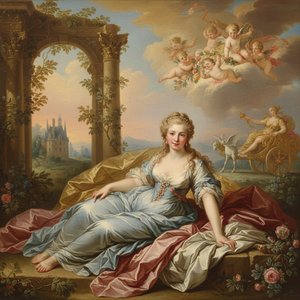
François Boucher: Rococo Master of Myth, Sensuality, and the French Court
Explore the captivating world of François Boucher, master of Rococo painting! Discover his iconic works, aristocratic patronage, and lasting influence on French art history. Learn more at OriginalUniqueArt.

Rococó: 10 Obras-Primas que Definiram um Movimento Artístico Elegante | OriginalUniqueArt.com
Descubra as 10 obras-primas do Rococó! Explore a elegância de Fragonard, Boucher e Watteau. A arte do século XVIII ganha vida com cores pastel e detalhes luxuosos. Encontre reproduções de alta qualidade em OriginalUniqueArt.com.

