
 Enviar
 Compartilhar
 Ver detalhes

 Baixar
 Semelhantes
 Apresentação de slides
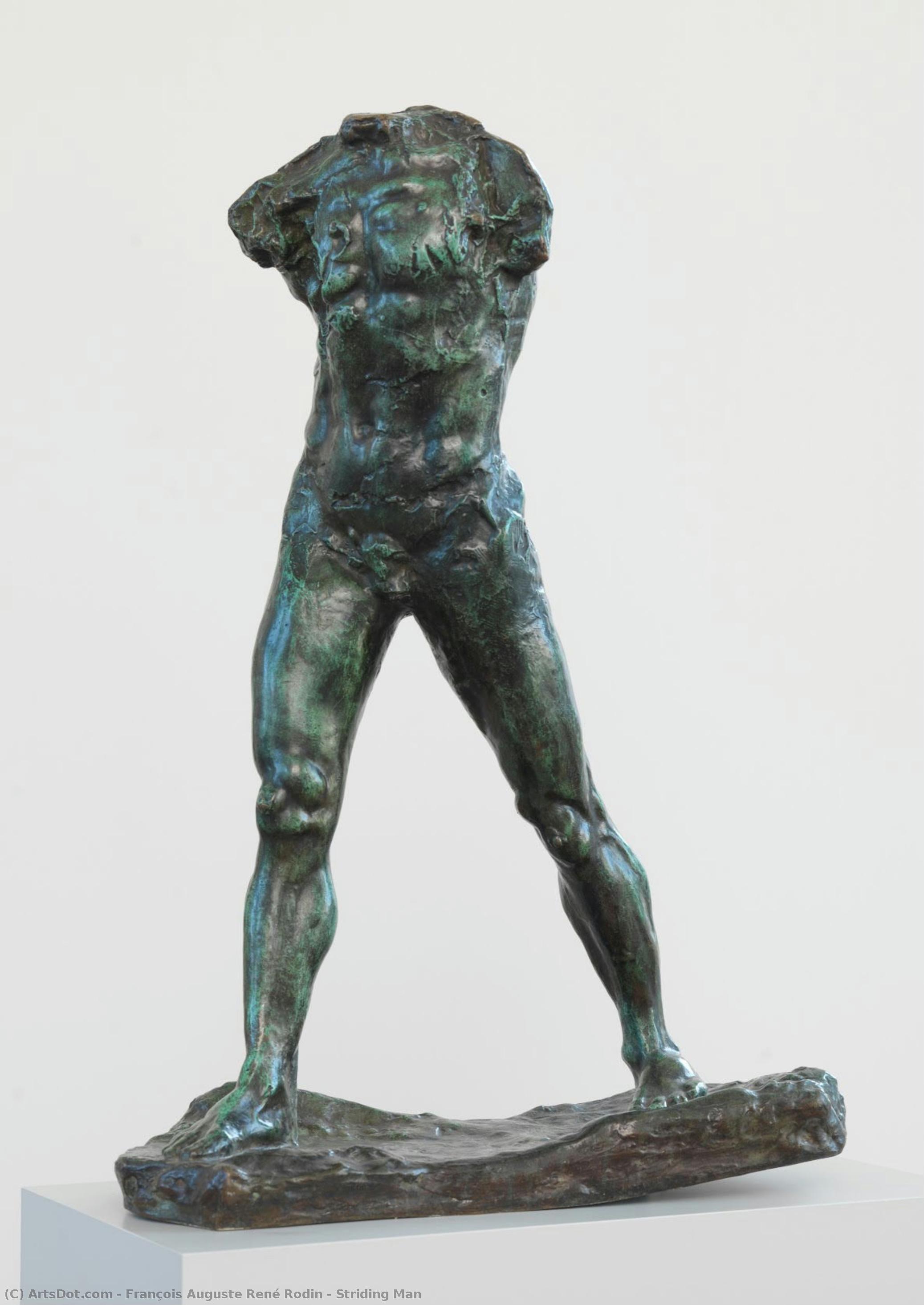
Striding Man


 Ver mais
Adquira uma imagem digital de alta resolução e aprimorada, muito superior à prévia online.
Cada arquivo é meticulosamente preparado por nossos especialistas internos, utilizando ferramentas avançadas e retoques manuais de alta precisão. Garantimos que cada imagem apresente clareza excepcional, fidelidade de cores e detalhes minuciosos.
O arquivo final é entregue por e-mail em até 72 horas, otimizado para uso imediato em ambientes profissionais, editoriais e de impressão. Esta é a mesma qualidade utilizada por estúdios de design de alto nível, editoras e galerias.
Imagem Digital
Baixe um arquivo de alta resolução para exibição pessoal, impressão e projetos criativos. ( Encomendar impressão Encomendar reprodução pintada à mão)
Incluído em cada pedido de imagem digital
Entrega Digital Especializada e Garantida
Ao escolher o OriginalUniqueArt.com, você não está apenas adquirindo uma imagem — você está recebendo uma obra de arte digital profissionalmente aprimorada, elaborada com precisão e com garantia de satisfação. Aqui está tudo o que acompanha seu pedido, automaticamente:

Entrega rápida por e-mail
O seu arquivo de imagem digital em alta resolução será enviado por e-mail em até 72 horas após o pedido — pronto para uso imediato.

Arquivo Digital com IA Otimizado
Sua obra de arte é otimizada profissionalmente por meio de ferramentas avançadas de IA e edição manual, garantindo o máximo de detalhes, clareza e precisão de cores.

Reenvio gratuito vitalício
Apagou ou perdeu o seu ficheiro acidentalmente? Não se preocupe – nós reenviamos para si a qualquer momento, gratuitamente.

Sem Taxas de Importação - Sempre
Desfrute da sua obra de arte instantaneamente, sem taxas alfandegárias, impostos ou custos de entrega — downloads digitais são sempre isentos de taxas.

Garantia de Precisão de Cores
Garantimos que sua imagem digital reflita as cores originais com a maior fidelidade possível, utilizando ferramentas profissionais e gerenciamento de cores.

Garantia de Satisfação de 60 Dias
Se você não estiver satisfeito com sua imagem digital, nós a revisaremos ou reembolsaremos 100% dentro de 60 dias — sem perguntas.

Garantia de Reembolso 100%
Não está satisfeito? Receba o reembolso total em até 60 dias após o recebimento do seu arquivo digital — sem perguntas.

Descontos para pedidos em lote
Compre 3 imagens, economize 10% - Compre 5, economize 15% - Compre 10+, economize 20%. Ideal para projetos criativos, galerias e agências.
Descrição do Colecionável
Striding Man: A Testament to Human Resilience
The sculpture "Striding Man," created by François Auguste René Rodin in 1900, stands as an enduring emblem of human determination and contemplation—a cornerstone of modern sculptural expression. Crafted from bronze, a material chosen for its permanence and ability to capture subtle nuances of form, the piece embodies Rodin’s signature blend of realism and emotional depth, reflecting his profound engagement with the complexities of the human psyche. Its placement within the Musée Rodin in Paris underscores its significance as one of the artist's most celebrated works, attracting visitors from across the globe who seek to connect with the spirit of artistic innovation.A Study in Dynamic Form
Rodin’s meticulous approach to modeling—a technique honed through years of apprenticeship—is evident in every curve and contour of “Striding Man.” The statue depicts a male figure caught mid-movement, arms outstretched as if striving upwards, conveying an impression of restless energy and aspiration. This dynamic pose contrasts sharply with the stillness inherent in sculpture, demonstrating Rodin’s mastery of capturing fleeting gestures and embodying psychological states. Detailed plaster studies were undertaken to dissect the musculature of the torso and legs, ensuring anatomical accuracy while simultaneously channeling raw emotion into the sculpted form. The sculptor skillfully utilized negative space—the voids between muscle groups—to heighten visual impact and emphasize the figure's physicality.The Palette of Aged Bronze: Texture and Symbolism
The bronze surface possesses a distinctive patina – a greenish hue resulting from oxidation over time – which lends an air of solemn grandeur to the sculpture. This coloration isn’t merely aesthetic; it symbolizes the passage of time and the enduring legacy of artistic endeavor. The rough, uneven texture mirrors the casting process itself, highlighting the materiality of the artwork and grounding it in the tangible realities of craftsmanship. Lines define the musculature of the figure, creating a sense of movement and strength—a visual representation of resilience and unwavering resolve. Rodin’s deliberate choice of material speaks to his belief that sculpture should communicate not only form but also feeling, mirroring the human experience itself.Historical Context: Impressionism's Legacy
“Striding Man” emerged during the twilight years of Impressionism, a movement that championed capturing fleeting moments of sensory experience and prioritizing subjective perception over objective representation. While Rodin’s style diverges from Impressionistic ideals—favoring sculptural form rather than painterly brushstrokes—he nonetheless absorbed influences from this influential artistic tradition. The pursuit of emotional truth—a hallmark of both Impressionism and Rodin's oeuvre—reflects a broader cultural preoccupation with exploring the inner life and confronting existential questions. This sculpture serves as a powerful reminder that art transcends stylistic conventions, communicating universal themes of human struggle and aspiration across generations.Emotional Resonance: Contemplation and Resolve
Ultimately, “Striding Man” invites viewers to contemplate the nature of perseverance—the unwavering commitment to overcoming obstacles and striving towards one's goals. The upward gaze of the figure embodies hope and ambition, while the outstretched arms symbolize a yearning for transcendence. Rodin’s masterful manipulation of form and texture achieves an extraordinary feat: conveying profound psychological depth through purely visual means. It remains a testament to the enduring power of sculpture to inspire contemplation and communicate timeless truths about the human condition—a masterpiece that continues to captivate audiences worldwide.Biografia do Artista
The Sculptor of Souls: A Life Forged in Clay
François Auguste René Rodin, a name that resonates through the annals of art history, wasn’t simply a sculptor; he was a revolutionary who redefined how we perceive and experience human emotion. Born in Paris on November 12, 1840, into a modest family – his father a clerk in the police department – Rodin's journey to artistic greatness was far from predetermined. Initially facing rejection from the prestigious École des Beaux-Arts, he found his footing through the demanding craft of decorative stonemasonry, an experience that instilled within him a profound understanding of material and form. This early apprenticeship, marked by rigorous training and hands-on skill development, proved to be a crucial foundation for his later innovations. A deeply personal tragedy – the untimely death of his beloved sister Marie in 1862 – profoundly impacted Rodin’s artistic sensibilities, leading him through a period of contemplation before he wholeheartedly embraced his destiny as an artist. This emotional depth, this willingness to confront and express profound sorrow and longing, would become a defining characteristic of his work, imbuing it with a raw honesty rarely seen in sculpture of the time.Breaking with Tradition: A New Language in Stone
Rodin’s artistic trajectory was marked by a deliberate and courageous departure from the rigid conventions that dominated sculptural practice during the 19th century. While formally trained in classical techniques, he resolutely rejected the idealized forms and narrative constraints prevalent in academic sculpture. Instead, he sought to capture the fleeting nuances of human emotion, the weight of thought, and the intricate complexities of the inner life – a pursuit that fundamentally challenged established artistic norms. His early works, such as *The Age of Bronze* (1877), initially met with considerable skepticism and controversy. Critics found his figures unsettlingly realistic, lacking the polished perfection expected of traditional sculpture. However, Rodin remained steadfast in his conviction, driven by an unwavering belief in his unique artistic vision. He began to experiment with fragmented forms, rough textures, and dynamic compositions that conveyed a sense of movement and psychological intensity – techniques that signaled a radical shift towards a more expressive and emotionally resonant style. This bold experimentation wasn’t merely about aesthetics; it was a deliberate attempt to break free from the constraints of the past and forge a new language for sculpture, one that prioritized human experience over idealized representation.Iconic Forms: The Thinker, The Kiss, and Beyond
Rodin's legacy is indelibly linked to a series of iconic sculptures that continue to captivate audiences worldwide. *The Thinker* (1880-1882), originally conceived as part of the monumental *Gates of Hell*, quickly ascended to become an enduring symbol of philosophical contemplation and intellectual struggle. Its powerfully rendered form embodies the weight of thought, the burden of questioning, and the profound introspection inherent in the human condition. Equally renowned is *The Kiss* (1886-1898), a breathtakingly sensual depiction of romantic love – a testament to Rodin’s ability to capture intimacy and passion with remarkable sensitivity. And *The Burghers of Calais* (1884-1895), a monumental tribute to the courage and selflessness of six citizens who bravely faced certain death during the Hundred Years' War, stands as a poignant reminder of human resilience in the face of adversity. These works weren’t merely representations of physical bodies; they were profound explorations of the human experience – imbued with psychological depth, emotional resonance, and an undeniable sense of humanity. Rodin’s willingness to embrace imperfection, to portray vulnerability and struggle alongside moments of beauty and triumph, distinguished his work from the idealized forms of previous generations.The Gates of Hell: A Masterpiece in Progress
Perhaps no single work embodies Rodin's artistic vision more powerfully than *The Gates of Hell* (1880-1917). This colossal sculpture, initially commissioned for a doorway to the future Museum of Decorative Arts in Paris, remained unfinished at his death, yet it stands as one of his most celebrated achievements. The sculpture depicts a chaotic scene from Dante’s *Inferno*, capturing the torment and suffering of damned souls. Rodin masterfully employed a technique of modeling directly onto a rough-hewn block of marble, leaving visible traces of his hand and chisel – a deliberate choice that emphasized the process of creation and highlighted the raw, visceral nature of the subject matter. The figures in *The Gates of Hell* are not idealized heroes or noble warriors; they are flawed, tormented individuals grappling with their own demons. This unflinching portrayal of human suffering resonated deeply with audiences and cemented Rodin’s reputation as a sculptor who dared to confront the darker aspects of the human experience.A Lasting Influence: Rodin's Place in Art History
By the turn of the 20th century, Auguste Rodin had achieved international acclaim, becoming arguably the most celebrated sculptor of his time. His work profoundly influenced generations of artists, inspiring them to break free from traditional constraints and explore new avenues of artistic expression. He is widely considered a pivotal figure in the transition from 19th-century realism to modern sculpture – a bridge between the past and the future. Rodin’s emphasis on emotional intensity, psychological depth, and innovative use of form laid the groundwork for movements such as Expressionism and Cubism. His sculptures continue to be exhibited in museums and private collections around the world, serving as enduring testaments to his artistic genius and his profound understanding of the human condition. Beyond his technical mastery, Rodin’s legacy lies in his courage – his willingness to challenge conventions, embrace imperfection, and express the full spectrum of human emotion through the transformative power of sculpture.
Auguste Rodin
1840 - 1917 , França
Informações Rápidas
- Artistic Movement Or Style: Escultura Moderna
- Artists Or Movements Influenced By This Artist:
- Expressionismo
- Cubismo
- Artists Who Influenced This Artist:
- Michelangelo
- Donatello
- Date Of Birth: 12 de novembro de 1840
- Date Of Death: 17 de novembro de 1917
- Full Name: François Auguste René Rodin
- Nationality: Francês
- Notable Artworks:
- O Pensador
- Beijo
- Burghers de Calais
- Place Of Birth: Paris, França

