

 Visualizar em escala
 Enviar
 Compartilhar
 Ver detalhes

 Baixar
 Semelhantes
 Raio X
 Apresentação de slides
Untitled (798)
 Ver mais
Reprodução em Óleo Feita à Mão
Óleo sobre tela pintado à mão no seu tamanho e moldura, feito sob encomenda pelos nossos artistas. ( Encomendar impressão Comprar imagem em alta resolução)




































Escolha entre os nossos tamanhos pré-definidos que respeitam as proporções originais da obra de arte.

Pode inserir as suas próprias dimensões para se adequar a uma moldura ou espaço específico. Se o tamanho selecionado não corresponder às proporções da imagem original, iremos cortar a obra de arte ou estender a pintura com elementos adicionais pintados à mão. Um esboço digital será enviado para sua aprovação antes do início da produção.
Tenha em atenção que a pré-visualização no ecrã não reflete o corte ou extensão real. Apenas o esboço mostrará com precisão a composição final.
Embora tamanhos personalizados estejam disponíveis, recomendamos selecionar uma dimensão da lista predefinida para preservar as proporções originais.
Após o pedido, a equipa OriginalUniqueArt.com enviará um e-mail ao cliente para solicitar instruções e fornecer uma prévia do esboço.
Entrega mundial () em 3 a 4 semanas, em vez das 5 semanas padrão. (21 Agosto). Sem comprometer a qualidade.

Envio Expresso Gratuito para todo o Mundo

Tela de Linho Premium

Seguro de transporte total

Garantia de Reembolso de Impostos Alfandegários

Garantia de Fidelidade de Cor

Política de Devolução de 60 Dias (Apenas para Defeitos)

Garantia de reembolso de 100%

Desconto para múltiplas unidades
 A opção de vidro está disponível apenas para tamanhos inferiores a 110 cm

Untitled (798)
Técnica de Reprodução
Dimensões da Reprodução
-


Preço Total
$ 300
Biografia do Artista
A Life Painted in Vibrant Hues: The World of Francisco Iturrino
Francisco Nicolás Iturrino González, born in Santander, Spain, in 1864, was an artist whose life unfolded as a passionate exploration of color and light. His journey began not with brushes and canvases, but with the pragmatic pursuit of engineering studies in Liège, Belgium. However, this path proved too restrictive for a soul drawn to the expressive power of art. Secretly abandoning his academic pursuits, Iturrino ventured to Brussels, enrolling at the Académie Royale des Beaux-Arts and embarking on a career that would see him navigate the evolving currents of Post-Impressionism and Fauvism. His early artistic education was subtly shaped by his uncle, Elviro González, a multifaceted figure—poet, painter, and musician—who instilled in Iturrino an appreciation for creative expression from a young age. The move to Paris proved pivotal, where he honed his skills alongside Henri Evenepoel, a fellow artist who would remain a lifelong friend and collaborator. This period marked the genesis of a style that would become distinctly his own, characterized by bold color choices and a dynamic approach to composition.Forging a Unique Artistic Voice: Influences and Development
Iturrino’s artistic development was profoundly influenced by the vibrant atmosphere of late 19th and early 20th-century Europe. Initially, his work resonated with the principles of Impressionism and Post-Impressionism, absorbing the luminous effects of Monet and Sisley. Yet, he swiftly recognized the limitations of these styles—their tendency to capture fleeting moments rather than conveying deeper emotional truths. Driven by a desire for greater expressive freedom, Iturrino embraced a more radical aesthetic stance, aligning himself with the burgeoning Fauvist movement. This shift wasn’t merely stylistic; it was an instinctive response to the world around him – a yearning to communicate raw emotion and unfiltered sensation. A particularly formative relationship fueled this evolution: his unwavering friendship with Henri Matisse. The two artists spent countless hours together, not only in Paris but also during a transformative sojourn to Morocco, exchanging ideas and techniques that would indelibly shape their respective artistic visions. Their discussions centered on the importance of color as a vehicle for conveying feeling—a conviction that would permeate Iturrino’s subsequent paintings. Furthermore, Picasso's influence subtly permeated his oeuvre, particularly in his exploration of form and perspective. He absorbed lessons from Cubism, integrating geometric elements into his landscapes and portraits to heighten their visual impact.Exploring Iturrino’s World Today
Today, Francisco Iturrino's works can be found in prominent museums and private collections around the world. Institutions like the Fine Arts Museums of San Francisco and the Museo Carmen Thyssen Málaga showcase his paintings, offering viewers a glimpse into his vibrant artistic universe. His pieces are not simply historical artifacts; they are living embodiments of a bygone era, inviting us to connect with the emotions and experiences of a master painter.- Discover “Untitled (737),” a captivating depiction of San Francisco’s social life, characterized by thick impasto and dramatic lighting.
- Explore “Untitled (296),” a dynamic painting of nude women that showcases Iturrino's mastery of composition and texture.
- Immerse yourself in the dreamlike quality of “Untitled (146),” a mesmerizing portrait of women in white robes.
Recognition and Resilience: A Career Marked by Triumph and Adversity
Throughout his career, Iturrino actively sought opportunities to showcase his work, participating in numerous exhibitions across Europe. The Salon d’Automne in Paris and shows organized by La Libre Esthétique in Brussels provided platforms for him to engage with a wider audience and establish himself as a significant artistic voice. However, the 1901 exhibition at Ambroise Vollard’s gallery alongside Picasso stands out as a particularly important milestone. This event not only validated his talent but also positioned him among the leading avant-garde artists of the time—a testament to his astute understanding of artistic trends and his willingness to push boundaries. Later, in 1919, he was honored with a major solo exhibition at the Círculo de Bellas Artes in Madrid, further solidifying his reputation within Spain’s artistic community. The International Exposition of Painting and Sculpture in Bilbao that same year dedicated an entire room to his work, underscoring the growing recognition of his unique contribution to modern art. Despite these successes, Iturrino's life was tragically curtailed by illness—specifically gangrene—which necessitated amputation in 1920. This devastating setback tested his fortitude and resilience but did not extinguish his artistic spirit. Élie Faure organized an exhibition at the Galerie Rosenberg in Paris, featuring works donated by Matisse, Picasso, and other prominent artists, to raise funds for his care – a poignant demonstration of solidarity within the art world.A Lasting Legacy: Iturrino’s Place in Art History
Francisco Iturrino retired to Cagnes-sur-Mer in France in 1922, seeking solace and recuperation from his ailment. Sadly, his health continued to deteriorate, culminating in his passing in 1924 at the age of 59—a premature end to a remarkable artistic journey. Yet, Iturrino’s legacy persists beyond his paintings themselves; he remains an exemplar of unwavering dedication to art and a beacon of creative inspiration. He is remembered as a truly original painter who skillfully blended Post-Impressionist techniques with Fauvist sensibilities – a singular achievement that cemented his place in the annals of modern art history. He wasn’t merely recording scenes; he was conveying emotions, capturing the very soul of the places and people he portrayed. His ability to infuse his landscapes, bullfights, and portraits with a palpable sense of energy and vitality continues to captivate viewers today—a testament to his enduring artistic vision. He stands as a symbol of perseverance amidst adversity and an inspiration for artists striving to express themselves authentically.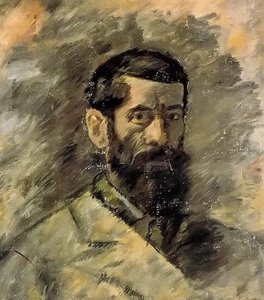
Francisco Iturrino
1864 - 1924 , Espanha
Informações Rápidas
- Artistic Movement Or Style: Post-impressionismo, Fauvismo
- Artists Or Movements Influenced By This Artist: ['Pablo Picasso']
- Artists Who Influenced This Artist:
- Henri Matisse
- Henri Evenepoel
- Date Of Birth: 9 setembro 1864
- Date Of Death: 20 junho 1924
- Full Name: Francisco Nicolás Iturrino González
- Nationality: Espanhol
- Notable Artworks:
- Untitled (737)
- Untitled (296)
- Untitled (146)
- Place Of Birth: Santander, Espanha

