Visualizar na parede
 Compartilhar
 Compartilhar
 Detalhes
 Guia
Guia

 Baixar imagem
 Semelhantes
 Raio X
 Ver diaporama
 Estatísticas
Santa Isabel da Turingia
 Óleo sobre tela
- Arte de Parede
- Retorno Barroco
 Idade Moderna Inicial
 Museo de Bellas Artes de Bilbao
 Ler mais
Giclée / Impressão de Arte
Impressão giclée ou em tela de qualidade de museu, com produção rápida e opções flexíveis de acabamento. ( Comprar pintura feita à mão Alternar para Imagem Digital)




P118B €10

P118H €10

P118W €10

P438Z €10

P508JH €12

P508YH €12

P805H €10

P805Z €10

P919BZ €10

P919G €10

P919XJ €10

P959ZH €10

P968JZ €12

W106C €8

W218G €10

W218JH €8

W218Y €10

W307PJ €10

W316G €10

W316PJ €8

W316Y €10

W398PJ €8

W4111J €10

W500HY €15

W500JH €15

W692G €12

W849H €8

W940BG €15

W953PJ €8




Escolha entre os nossos tamanhos pré-definidos que respeitam as proporções originais da obra de arte.

Insira a largura e a altura desejadas para se ajustarem à sua moldura ou parede. Uma impressão pode ser apenas cortada, nunca ampliada além da imagem original; portanto, um tamanho com proporções diferentes resultará na perda de parte da imagem. Enviamos uma maquete digital para sua aprovação antes de realizarmos a impressão. A imagem exibida nesta página não mostra o corte real — apenas a maquete o faz.
Entrega mundial () em 2 semanas, em vez das 4/5 semanas padrão. (25 Outubro)

Envio expresso gratuito para todo o mundo

Tela de Linho de Alta Qualidade

Seguro de transporte completo

Garantia de Reembolso de Impostos Alfandegários

Garantia de Fidelidade Cromática

Política de Devolução em 100 Dias (Apenas para Defeitos)

Garantia de reembolso de 100%

Oferta de desconto por quantidade
 A opção de vidro está disponível apenas para tamanhos inferiores a 110 cm

Santa Isabel da Turingia
Giclée / Impressão de Arte
Tamanho da Reprodução
-


Preço Total
€ 70
Uma Visão de Devoção: O Espírito Luminoso da Santa Isabel de Zurbarán
Nos corredores silenciosos e sombreados do Barroco espanhol do século XVII, poucas imagens comandam a alma com uma quietude tão profunda quanto a Santa Isabel da Turingia, de Francisco de Zurbarán. Este não é meramente o retrato de uma figura histórica; é um encontro com o divino. Executada por volta de 1630, a pintura captura a essência de uma santa cuja vida foi definida pela caridade radical e pela fé inabalável. Ao contemplar seu semblante sereno, o espectador é atraído para um mundo onde o material e o espiritual se cruzam através da manipulação magistral da luz. A composição é íntima e vertical, focando nossa atenção na santa da cintura para cima, isolando-a contra uma escuridão impenetrável que parece recuar em direção à eternidade. Este uso deliberado do tenebrismo — o jogo dramático entre sombras profundas e realces brilhantes — serve para projetar Isabel para a frente, tornando sua presença quase tátil, como se ela estivesse presente na própria sala conosco.A Maestria da Textura e da Luz
Contemplar esta obra é testemunhar Zurbarán no auge de sua destreza técnica. A habilidade do artista em renderizar texturas é nada menos que extraordinária, uma qualidade que torna uma reprodução de alta qualidade particularmente cativante tanto para colecionadores quanto para decoradores. É possível quase sentir o peso dos drapeados pesados e fluidos que cascateiam ao redor de sua figura, a rigidez do tecido contrastada pelo brilho suave e luminoso de sua pele. Cada pincelada é proposital, detalhando meticulosamente as dobras intrincadas de suas vestes e o brilho sutil de suas joias. A iluminação é direcional e teatral, uma marca registrada do estilo Barroco espanhol, lançando sombras nítidas que definem o volume de sua forma e criam uma sensação de profundidade tridimensional dentro de um espaço relativamente raso. Esta técnica faz mais do que demonstrar habilidade; ela direciona o olhar para os símbolos de sua santidade, garantindo que a jornada emocional do espectador seja guiada pela mão do artista.Simbolismo e o Eco da Era de Ouro
Além de seu esplendor estético, a pintura é rica em iconografia do Século de Ouro espanhol. Dentro da moldura, elementos sutis, porém poderosos, narram a história da missão terrena de Isabel e sua recompensa celestial. A presença de um livro sugere sua devoção às escrituras, enquanto o cajado serve como um lembrete pungente de suas incansáveis obras de caridade entre os pobres. Mesmo a coroa, que significa sua linhagem real, é representada com um senso de graça divina em vez de orgulho mundano. Este equilíbrio entre majestade e humildade é o que confere à peça seu impacto emocional duradouro. Para aqueles que buscam trazer um senso de história e paz contemplativa para um interior moderno, esta obra de arte oferece mais do que decoração; ela proporciona um ponto focal de profunda dignidade. É uma obra-prima que convida à reflexão silenciosa, tornando-se a peça central ideal para espaços projetados para o pensamento, a elegância e a beleza atemporal.Perguntas e Respostas
Onde deve ser pendurada uma reprodução de "Santa Isabel da Turingia", de Francisco de Zurbarán?
Com o seu formato Retrato, uma reprodução de "Santa Isabel da Turingia" é sugerida para um(a) Sala de Estar.
Onde posso comprar uma reprodução pintada à mão de "Santa Isabel da Turingia", de Francisco de Zurbarán?
Reproduções pintadas à mão de "Santa Isabel da Turingia", de Francisco de Zurbarán podem ser adquiridas no este site: uma reprodução a óleo pintada à mão sobre tela de linho, através da sua página de encomendas Reprodução Pintada à Mão.
Onde posso encontrar obras de arte semelhantes a "Santa Isabel da Turingia", de Francisco de Zurbarán?
Obras de arte semelhantes a "Santa Isabel da Turingia", de Francisco de Zurbarán podem ser encontradas na página de Obras semelhantes desta obra.
Biografia do Artista
Early Life and Formation in Extremadura
Francisco de Zurbarán, born in Fuente de Cantos, Extremadura, Spain, in 1598, emerged from a region steeped in religious fervor and rural austerity—qualities that would profoundly shape his artistic vision. Though details of his earliest training remain somewhat elusive, we know he initially apprenticed with the local painter Alejandro de la Mina before moving to Seville to study under Alonso de Najera. It was within Najera’s workshop that Zurbarán began to absorb the burgeoning Baroque style, a dramatic departure from the more restrained artistic traditions of previous generations. Even in these formative years, a remarkable talent for capturing realistic detail and imbuing his subjects with emotional weight became apparent, hinting at the distinctive path he would forge as an artist. The stark landscapes and devout atmosphere of Extremadura instilled within him a sensibility that favored simplicity, solemnity, and a deep engagement with spiritual themes—characteristics that would define his mature work. His early exposure to the religious life of his region, coupled with the influence of Seville’s artistic environment, laid the foundation for his future success as a painter of religious subjects.The Seville Period: Establishing a Singular Style
By 1614, Zurbarán had established himself in Seville, a vibrant cultural hub and the gateway to Spain’s vast American colonies. He quickly rose to prominence, establishing a successful workshop and attracting numerous commissions, primarily for religious paintings intended for churches, monasteries, and private devotional use. This period witnessed the full flowering of his signature style—a compelling blend of stark realism and intense spirituality. His early works already showcased a masterful command of *tenebrism*, a technique borrowed from Caravaggio that employed dramatic contrasts between light and shadow to create a sense of drama and emphasize the emotional intensity of his subjects. He wasn’t merely replicating what he saw; he was striving to reveal an inner truth, a profound spiritual presence within each figure. His paintings weren't simply representations of saints or biblical scenes; they were invitations to contemplation, designed to evoke a visceral response in the viewer. The influence of earlier Spanish masters like Juan Sánchez Cotán, known for his austere still lifes and precise realism, is also evident in Zurbarán’s early work, as well as the sculptural traditions prevalent in Seville at the time.Master of Tenebrism and Religious Devotion
Zurbarán's artistic prowess lay in his ability to transform religious narratives into powerfully moving visual experiences. He became renowned for his depictions of monks, nuns, martyrs, and saints—figures often portrayed in moments of profound contemplation or suffering. His *Immaculate Conception* (c. 1635), housed in the Museo de Bellas Artes in Bilbao, exemplifies this mastery; the Virgin Mary is depicted with a serene dignity, bathed in ethereal light against a dark background, conveying both purity and divine grace. Similarly, his *Agnus Dei* (c. 1640), now part of the Metropolitan Museum of Art collection, presents a poignant image of Christ as the sacrificial lamb, radiating an aura of solemnity and sacrifice. The *Sudarium of St Veronica*, with its haunting depiction of the veil bearing the imprint of Christ’s face, showcases his exceptional control over tenebrism and emotional depth. He didn't shy away from portraying the physical realities of faith—the austerity of monastic life, the pain of martyrdom—but always infused these scenes with a sense of reverence and spiritual significance. His *St Francis Receiving the Stigmata* demonstrates his ability to depict profound spiritual experiences with remarkable sensitivity and realism. The series of paintings depicting Carthusian monks further exemplifies his skill in portraying austere religious life, capturing their quiet devotion and inner peace.Royal Patronage and Lasting Legacy
Around 1630, Zurbarán achieved a significant milestone in his career when he became a court painter to Philip IV. This appointment brought him increased recognition and access to royal commissions, further solidifying his reputation as one of Spain’s leading artists. However, despite this success, his popularity waned somewhat in later years with the rise of different artistic tastes. The economic hardships facing Spain during the mid-17th century also impacted his ability to secure large-scale projects. Nevertheless, Zurbarán continued to work diligently, adapting his style and exploring new themes. His influence on Spanish Baroque art is undeniable; his dramatic use of chiaroscuro and his focus on religious themes inspired generations of artists. A circle of followers, known as the “Zurbaranistas,” emerged, continuing to push the boundaries of tenebrism and explore the expressive possibilities of light and shadow. Though he passed away in 1664, Francisco de Zurbarán left behind a rich artistic legacy that continues to be celebrated today, securing his place as one of Spain’s most important Baroque painters—a master of religious art whose works continue to resonate with viewers centuries later.- Notable Works: Immaculate Conception (c. 1635), Agnus Dei (c. 1640), Sudarium of St Veronica, St Francis Receiving the Stigmata, Paintings of Carthusian Monks.
- Historical Significance: Zurbarán’s influence on Spanish Baroque is undeniable; his use of chiaroscuro and his focus on religious themes inspired generations of artists.

Francisco de Zurbarán
1598 - 1664 , Espanha
Dados Rápidos
- Artistic Movement Or Style: Barroco, Tenebrismo
- Artists Or Movements Influenced By This Artist: ['Caravaggio']
- Artists Who Influenced This Artist: ['Juan Sánchez Cotán']
- Date Of Birth: 1598
- Date Of Death: 1664
- Full Name: Francisco de Zurbarán
- Nationality: Espanhol
- Notable Artworks:
- Immaculate Conception
- Agnus Dei
- St Francis Receiving Stigmata
- Place Of Birth: Fuente de Cantos, Espanha
Artigos Relacionados

Francisco de Zurbarán: Mysticism, Realism & the Golden Age of Spanish Painting
Explore the captivating world of Francisco de Zurbarán, a master of Spanish Baroque painting. Discover his dramatic tenebrism, religious masterpieces like 'La Porciúncula,' and lasting influence on art history.
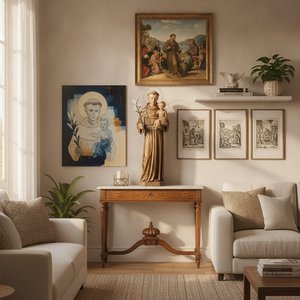
Discover the Divine: Inspiring Saint Anthony Artworks to Elevate Your Home Decor
Transform your home with the profound beauty of Saint Anthony artworks. Explore exquisite Baroque reproductions by Murillo and Zurbarán, hand-painted on 100% cotton canvas to bring divine serenity and timeless elegance to your interior design.
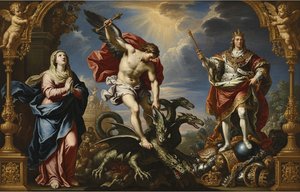
The Dramatic Flourish: Exploring Themes of Power, Faith & Emotion in Baroque Artworks
Explore the dramatic world of Baroque art! Discover masters like Zurbarán & the powerful influence of religious zeal on painting techniques. Expert insights for collectors and enthusiasts.
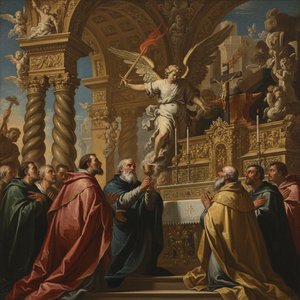
The Golden Age Reforged: Dramatic Realism & Religious Zeal in Spanish Baroque Art
Explore the dramatic world of Spanish Baroque art! Discover masters like Zurbarán & the powerful influence of religious zeal on painting techniques – a guide for collectors and enthusiasts.

The Dramatic Flourish: Exploring the Baroque Movement's Enduring Legacy in Art History
Explore the dramatic world of Baroque art! Discover iconic artists like Caravaggio & Rubens, defining techniques, and its lasting impact on art history. Expert insights for collectors & enthusiasts at OriginalUniqueArt.